Hygiene in Paws: How to Keep Your Pet’s Feet Clean and Healthy
Why Your Pet’s Paws Deserve More Attention
Every day, your dog or cat walks across dusty streets, muddy compounds, and sun-scorched pavements without a single complaint. Yet those same paws carry dirt, bacteria, and hidden injuries straight into your home. Pet foot hygiene is one of the most overlooked aspects of animal care across Nigerian households, often ranking far below feeding schedules or vaccination visits on the average owner’s priority list.
The Hidden Risks Beneath Those Paws
From Lagos to Kano, pets navigate rough terrain daily. This constant exposure creates real health concerns that many owners never notice until problems worsen. A pet returning from a walk around a busy market or a compound after heavy rainfall may look perfectly fine on the surface, yet its paws could already be harboring the beginnings of an infection.
- Bacterial and fungal infections from damp, dirty environments, particularly common during Nigeria’s rainy season
- Cracked pads caused by hot asphalt or rocky paths, especially during the intense dry season heat experienced in northern states
- Embedded thorns, glass, or debris between the toes, a frequent hazard in areas with poor waste disposal
- Tick and parasite exposure from grassy or bushy areas, common in semi-rural and suburban compounds
Understanding the importance of paw hygiene can prevent these issues before they escalate into costly vet visits. What begins as a minor scratch or slight limp can, within days, turn into a swollen infection requiring antibiotics and extended treatment, an expense many households would rather avoid entirely.
What This Guide Will Cover
Keeping your pet’s paws clean and healthy doesn’t require expensive products or complicated routines. With a few consistent habits, tailored to Nigeria’s unique climate and environment, you can protect your companion’s feet effectively without breaking the bank or your daily schedule.
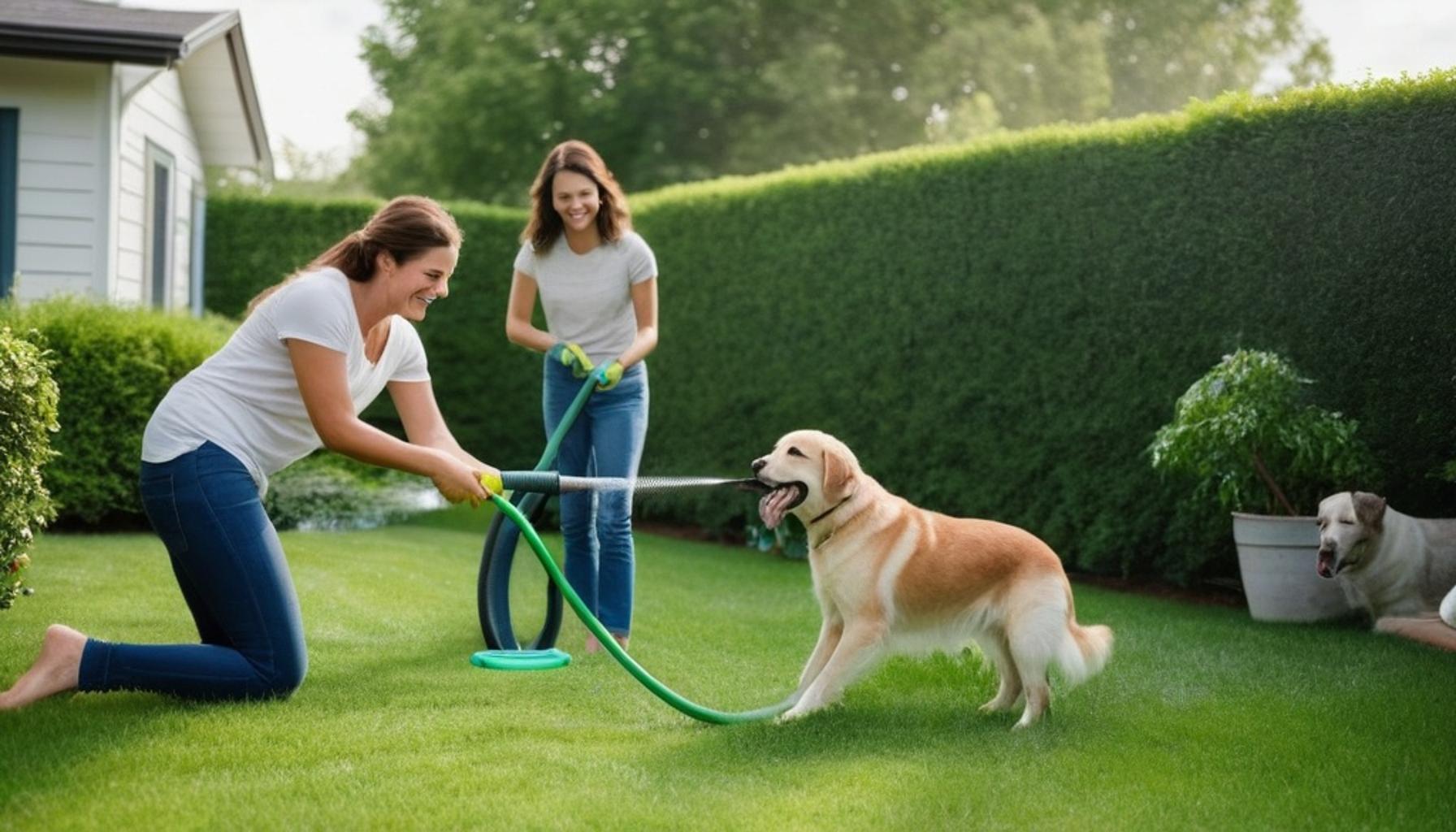
- Simple techniques for keeping pet’s paws clean after outdoor walks, including quick at-home rinses
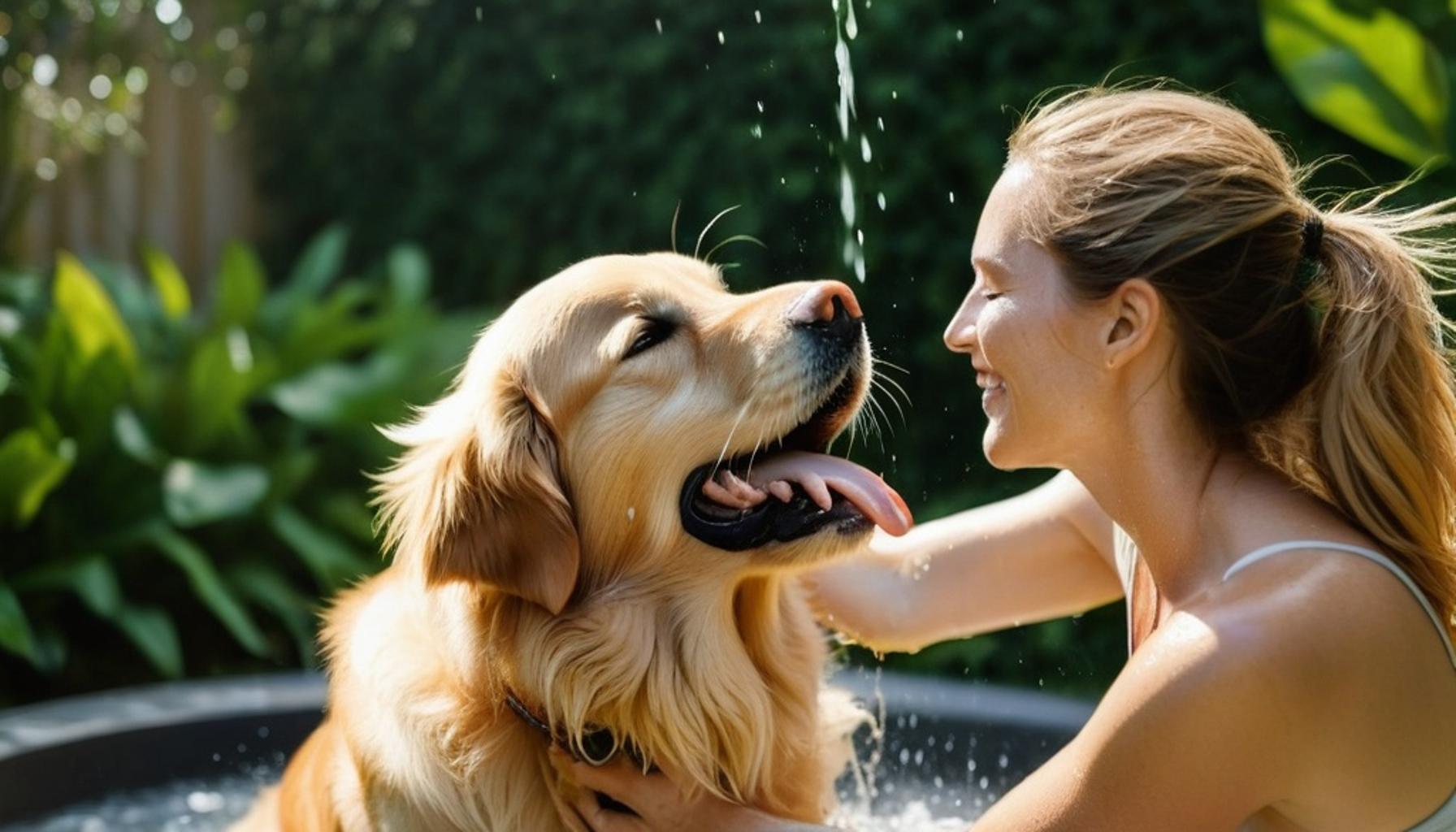
- Step-by-step methods on how to clean dog’s feet safely at home using items already available in most kitchens
- Practical pet paw care tips suited to Nigeria’s warm, humid climate, where moisture and heat both pose distinct challenges
- Warning signs that indicate infection or injury, so you know exactly when a vet visit becomes necessary
By the end of this article, you’ll have everything needed to maintain healthy pet paws year-round, no matter where your adventures take you, whether that’s a quiet evening walk through your neighborhood or a busy weekend trip across town with your furry companion in tow.
YOU MAY ALSO LIKE: Skin and Coat Care: Essential Hygiene Practices for Pets
# Building a Simple Daily Routine for Cleaner Paws
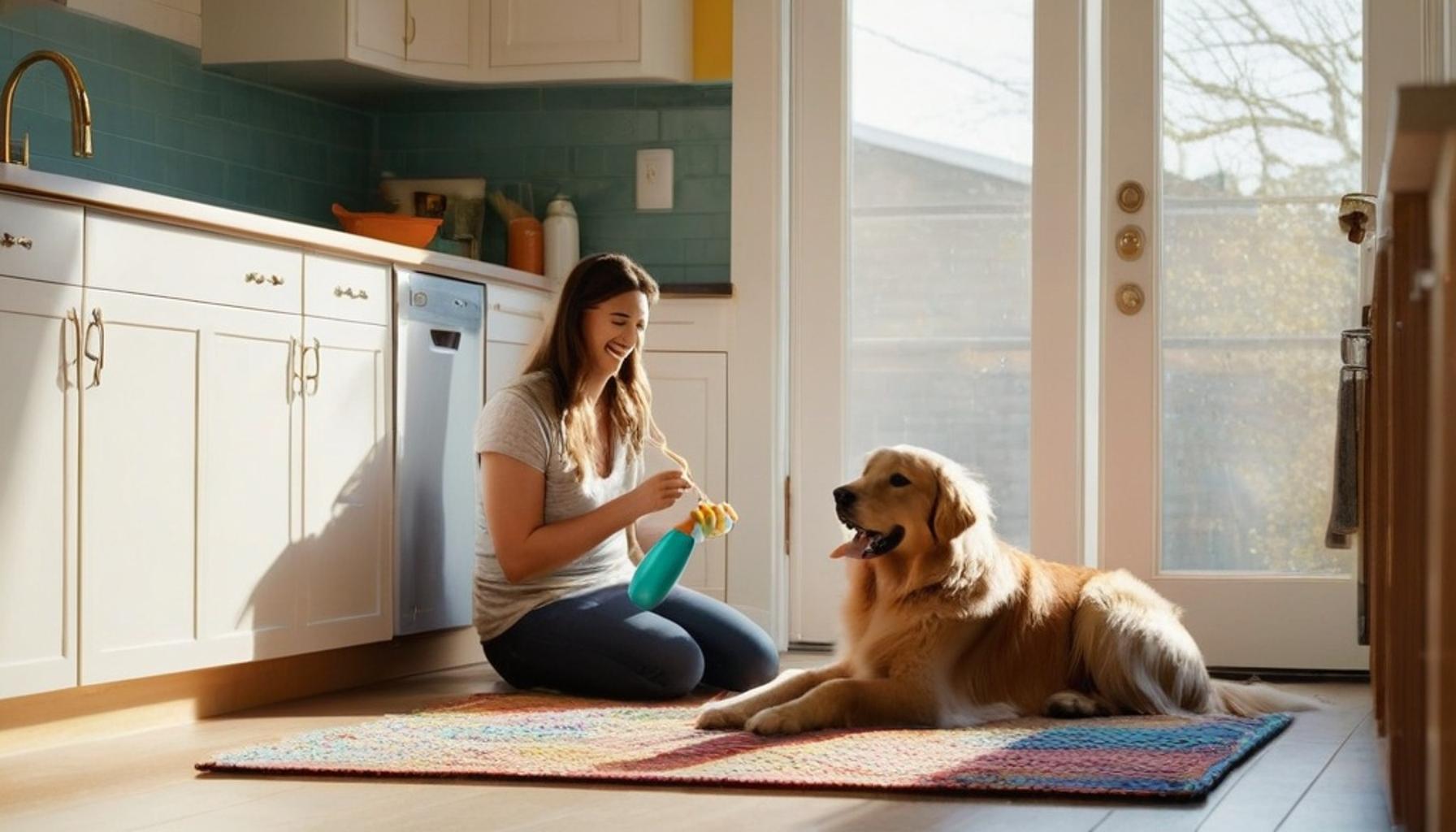
Establishing a consistent cleaning habit is the single most effective step toward better pet foot hygiene. Owners across Nigeria’s busiest cities and quietest villages often assume paw care requires special tools or trips to a grooming salon, but the truth is far simpler. A basin of water, a soft cloth, and a few minutes of your evening can make all the difference between a healthy pet and a recurring vet bill.
The After-Walk Ritual That Changes Everything
Think about the last time your dog returned from a walk through your compound in Ibadan or a stroll near a busy Lagos junction. Chances are, its paws touched oil stains, decomposing waste, or sharp gravel without you noticing. This is precisely why keeping pet’s paws clean immediately after outdoor activity matters so much.
A quick rinse doesn’t need to be elaborate. Here’s a practical approach many Nigerian pet owners have adopted successfully:
- Wipe each paw with a damp cloth before your pet enters the house, focusing on the pads and areas between the toes
- Check for embedded debris such as tiny stones, thorns, or broken glass fragments common in urban compounds
- Dry paws thoroughly afterward, since lingering moisture in Nigeria’s humid climate creates a breeding ground for fungal growth
- Inspect nails for cracks or overgrowth, particularly if your pet walks frequently on hard pavement
This routine takes under five minutes yet dramatically reduces the risk of infections that could otherwise fester unnoticed for days. Beyond the physical benefits, this ritual creates a valuable bonding moment between pet and owner, one where trust deepens and early warning signs of discomfort become easier to spot before they escalate into something requiring professional intervention.
Many owners report an unexpected side effect too: pets that undergo regular paw checks tend to become calmer during actual veterinary visits, since they’ve grown accustomed to having their feet handled gently and without stress.
Why Consistency Matters More Than Perfection
Veterinary professionals across West Africa frequently note that irregular care causes more harm than occasional imperfect cleaning. A pet whose paws are checked daily, even briefly, stands a far better chance of avoiding serious complications than one that receives thorough cleaning only once a week.
Understanding how to clean dog’s feet properly also means recognizing your specific environment’s demands. A household in Jos, where cooler temperatures and rocky terrain dominate, faces different challenges than one in Port Harcourt, where humidity and standing water are constant companions during rainy months.
These environmental factors directly influence which pet paw care tips prove most relevant to your situation. Dust-heavy regions demand more frequent wiping, while wetter climates call for extra attention to drying paws completely before your pet settles indoors.
Seasonal shifts add another layer worth considering. During Nigeria’s dry season, cracked pads become a genuine concern as harsh sun and dusty roads strip away natural moisture, sometimes leading to painful fissures that make walking uncomfortable. A light application of pet-safe balm during these months can prevent that discomfort from developing into something more serious.
Conversely, the rainy season introduces its own set of complications, particularly around fungal and bacterial growth trapped between toes after pets wade through puddles or muddy compounds. Owners who remain observant during these transitional periods often catch problems long before symptoms become visible to the naked eye, saving both money and unnecessary suffering.
Ultimately, the goal isn’t perfection but consistency. Small, repeated actions build the foundation for genuinely healthy pet paws, protecting your companion long before minor irritations ever have the chance to become serious medical concerns. Whether you’re raising a lively puppy in Abuja or caring for an aging dog in a quiet Enugu neighborhood, the same principle holds true everywhere: attentive, everyday habits outperform occasional grand gestures when it comes to lasting pet wellbeing.
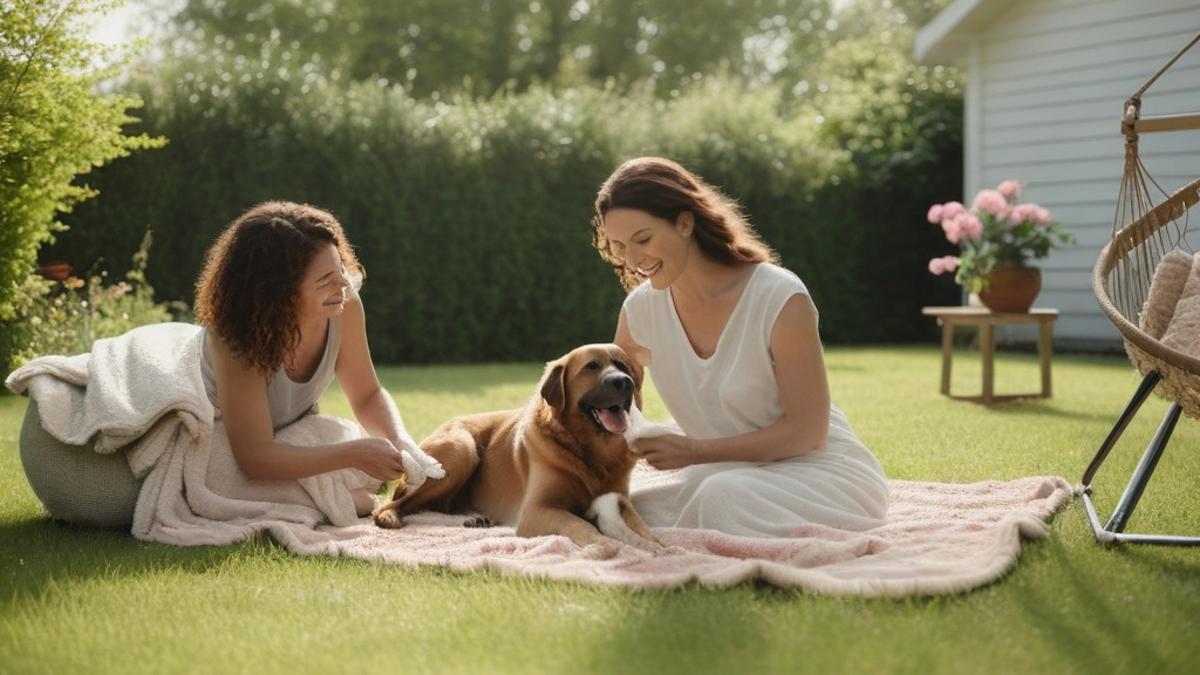
Essential Aspects of Pet Foot Hygiene at a Glance
Understanding pet foot hygiene becomes easier when you break it down into daily habits and preventive checks. The table below highlights the most critical paw care tips every owner should follow, showing why keeping pet’s paws clean goes beyond appearance and directly affects your companion’s mobility and comfort.
Key Practices for Healthy Pet Paws
| Paw Care Aspect | Why It Matters |
|---|---|
| Daily Wipe-Downs | Removes bacteria, allergens, and debris after walks, reducing infection risk |
| How to Clean Dog’s Feet | Use lukewarm water and pet-safe soap between toes and pads weekly |
| Nail Trimming | Prevents overgrowth, cracking, and posture issues affecting the spine |
| Paw Pad Moisturizing | Prevents cracking caused by hot pavement or winter salt exposure |
| Regular Injury Inspection | Early detection of cuts, thorns, or infections supports healthy pet paws |
Each of these practices reinforces the importance of paw hygiene as part of a broader wellness routine, not just an occasional grooming task.
RECOMMENDED: Importance of Hygiene in the Oral Health of Pets
# Recognizing Warning Signs Before They Escalate Into Bigger Problems
Even the most attentive pet owner sometimes misses subtle changes happening right beneath their nose, or rather, right beneath their pet’s paws. Understanding the importance of paw hygiene means learning to spot trouble early, long before it turns into a costly veterinary emergency.
What Unhealthy Paws Actually Look Like
Many Nigerian pet owners only notice something wrong once their dog starts limping or refuses to walk altogether. By that stage, the underlying issue has often been developing for days or even weeks. Learning to identify early symptoms saves both discomfort for your pet and unnecessary expenses for you.
Watch for these indicators during your regular checks:
- Redness or swelling between the toes, which often signals early infection or an allergic reaction to something encountered outdoors
- A persistent, sour smell coming from the paw pads, frequently linked to bacterial or yeast overgrowth in humid conditions
- Excessive licking or chewing at the feet, a behavior that usually points to irritation, itching, or hidden pain
- Cracked, peeling, or unusually dry pads, common during Nigeria’s harmattan season when dust and dryness dominate the air
- Limping or hesitation to place weight on a particular paw, which could indicate a thorn, splinter, or deeper wound
Ignoring these signals rarely resolves the issue on its own. Left unattended, minor irritations can progress into abscesses or chronic skin conditions that require prolonged treatment and, in some cases, antibiotics prescribed by a veterinarian.
Simple Tools That Make a Real Difference
Proper pet foot hygiene doesn’t demand expensive equipment. A handful of accessible tools, many already available in local markets across Nigeria, can transform your paw care routine into something both effective and sustainable.
Consider adding these items to your pet care kit:
- A soft-bristled brush for gently loosening dried mud or dust trapped between paw pads
- Pet-safe antiseptic wipes for quick disinfection after walks through questionable terrain
- A pair of blunt-tipped scissors or clippers for trimming excess fur around the paws, which reduces debris accumulation
- A moisturizing balm formulated specifically for animals, useful during dry months to prevent cracking
Nail trimming deserves particular attention, since overgrown nails alter how a pet distributes weight across its paw, sometimes leading to joint strain over time. Veterinary data suggests that dogs with consistently overgrown nails are more prone to developing posture-related issues later in life, an outcome entirely preventable through routine maintenance.
For households with multiple pets, cross-contamination is another factor worth considering. Fungal infections picked up by one animal can spread to others sharing the same living space, making it wise to inspect every pet’s paws rather than assuming only the most active one needs attention.
Ultimately, these small, practical measures form the backbone of genuine pet paw care tips that any Nigerian household can realistically maintain, regardless of budget or location.
YOU MAY ALSO LIKE: The importance of dental hygiene for pet health: daily practices and essential tips
# Building a Lasting Habit Around Paw CareCaring for your animal’s feet isn’t a one-time task but an ongoing commitment that pays off in ways many owners underestimate. Throughout this discussion, one theme remains constant: pet foot hygiene directly influences your companion’s mobility, comfort, and long-term wellbeing.
Pulling the Key Lessons Together
From understanding why keeping pet’s paws clean matters in Nigeria’s dusty streets and humid compounds, to recognizing early warning signs like cracked pads or unusual odors, the message is clear. Prevention costs far less than treatment, both in naira and in your pet’s suffering.
Knowing how to clean dog’s feet properly after walks, checking between toes regularly, and investing in a few affordable tools can prevent most common paw problems before they start. These aren’t complicated routines reserved for wealthy pet owners with access to fancy grooming salons; they’re practical habits any household can adopt.
Looking Beyond the Basics
Consider extending this awareness to seasonal changes. Harmattan dryness and rainy season mud each present distinct challenges, meaning your approach should shift accordingly rather than staying static year-round.
It’s also worth involving the whole family, especially children, in observing pets after outdoor play. Early detection often comes from those who spend the most time with the animal, not just scheduled vet visits.
Ultimately, the importance of paw hygiene extends beyond aesthetics. It’s about mobility, comfort, and preventing infections that could otherwise escalate into expensive medical bills. By applying these pet paw care tips consistently, Nigerian pet owners can ensure healthy pet paws that support an active, pain-free life, one paw print at a time.
Frequently Asked Questions
How often should I wash my dog’s paws in Nigeria’s hot and dusty climate?
In Nigeria’s dusty and often muddy environment, it’s best to wipe or rinse your dog’s paws daily, especially after walks on unpaved roads or during the rainy season. Use a damp cloth or a mild pet-safe soap and warm water to remove dirt, sand, and potential contaminants. Regular cleaning helps prevent infections and keeps pet foot hygiene in check without over-washing, which can dry out the skin.
What are the signs that my pet’s paws are infected or unhealthy?
Watch for redness, swelling, excessive licking, a bad odor, or limping, as these can indicate an infection or injury. Cracked pads, discharge between the toes, or visible cuts are also warning signs common in pets exposed to rough terrain or hot pavements. If you notice any of these symptoms, consult a veterinarian promptly to prevent the issue from worsening.
Can hot pavements and sandy roads in Nigeria damage my pet’s paw pads?
Yes, Nigeria’s intense sun can heat up tarred roads and sand to temperatures that burn or blister a pet’s paw pads, especially during the dry season. Always test the ground with your hand before walks, and try to schedule outdoor activities for early morning or evening when surfaces are cooler. Protective pet booties or paw wax can also help shield their feet from harsh terrain.
How do I remove jiggers or ticks from my pet’s paws safely?
Jiggers and ticks are common in many Nigerian communities and often burrow between a pet’s toes or paw pads, causing irritation and infection. Use a clean pair of tweezers to gently remove ticks, ensuring you pull out the entire body, and consult a vet for persistent jigger infestations that may need medical extraction. Regular paw inspections and keeping your pet’s living area clean can help prevent these parasites from taking hold.
What home remedies can I use for my pet’s paw hygiene using locally available products?
A simple saltwater soak can help soothe minor cuts or irritation on your pet’s paws and is easy to prepare with items found in any Nigerian kitchen. Coconut oil or shea butter, both widely available locally, can moisturize dry or cracked paw pads and provide a natural protective barrier. Always test a small amount first to ensure your pet doesn’t have a sensitivity, and avoid remedies containing harmful chemicals like bleach or strong detergents.
How can I trim my pet’s nails properly to maintain good paw hygiene?
Trim your pet’s nails every three to four weeks using a proper pet nail clipper, cutting just before the quick to avoid pain or bleeding. Overgrown nails can alter your pet’s gait and lead to paw injuries, which is especially risky on Nigeria’s uneven or rocky terrains. If you’re unsure about the process, a local veterinary clinic or pet groomer can safely handle nail trimming for you.

Linda Carter
Linda Carter is a writer and pet care expert specializing in pet health, grooming, and wellness. With extensive experience helping pet owners create safe, loving, and enriching environments for their animals, Linda shares her knowledge on our platform. Her goal is to empower readers with practical advice and strategies to ensure their pets thrive and lead joyful, healthy lives.