Importance of Hygiene in the Oral Health of Pets
Why Your Pet’s Smile Deserves More Attention
Walk into any veterinary clinic in Lagos or Abuja, and you will likely hear the same complaint: pet owners noticing bad breath in their dogs or cats far too late. Oral health hygiene for pets is often overlooked until a foul smell or painful chewing signals a deeper problem. By the time many Nigerian pet parents book an appointment, the issue has often progressed beyond a simple cleaning.
Yet dental disease ranks among the most common health issues affecting pets worldwide. Studies suggest that over 80% of dogs and 70% of cats show signs of dental disease by age three. In a country where pet ownership is growing rapidly, from estate compounds in Lekki to family homes in Kaduna, this statistic should alarm every dog or cat owner reading this.
The Hidden Cost of Ignoring Pet Dental Care
Poor oral hygiene does not just cause bad breath. It can lead to serious complications that affect your pet’s entire body, sometimes silently, until symptoms become impossible to ignore.
- Tooth loss and painful infections that make eating a daily struggle
- Bacteria entering the bloodstream, affecting the heart and kidneys over time
- Reduced appetite and unexplained weight loss that owners often mistake for other illnesses
- Costly veterinary treatments that could have been prevented with early, consistent care
This is where the importance of pet oral hygiene becomes impossible to ignore. Many Nigerian pet owners assume dental issues are cosmetic, but veterinarians increasingly warn that untreated mouth infections can shorten a pet’s lifespan significantly.
What This Article Will Cover
This guide explores practical pet dental care tips tailored for Nigerian pet owners navigating limited access to specialized veterinary dentistry, especially outside major cities. We will break down how to clean pet teeth using simple, affordable methods available locally, without requiring expensive imported equipment.
You will also discover strategies for preventing dental disease in pets before it starts, plus recommendations for the best dental treats for pets suited to different breeds, budgets, and lifestyles common across Nigerian households.
Ready to give your furry companion a healthier smile and a longer, more comfortable life? Let us dig into the details, because prevention, as always, remains far cheaper than the cure.
ADDITIONAL INSIGHTS: Expand your understanding here
Understanding How Dental Disease Develops in Dogs and Cats
Before diving into solutions, it helps to understand what is actually happening inside your pet’s mouth. Oral health hygiene for pets is not just about fresh breath; it is about stopping a biological process that begins quietly and worsens with time.
Plaque, a soft film of bacteria, forms on teeth within hours of eating. If left untouched, it hardens into tartar within days. This is the same process that happens in human mouths, except most pets never get a toothbrush anywhere near their teeth.
The Stages of Periodontal Disease Every Owner Should Know
Veterinarians classify dental disease in pets into four progressive stages. Recognizing these early can save your pet from unnecessary pain and save you significant veterinary bills down the line.
- Stage 1: Mild gingivitis with slight redness along the gum line, often unnoticed by owners
- Stage 2: Increased plaque buildup, bad breath, and early gum inflammation
- Stage 3: Tartar hardens further, gums recede, and bone loss around teeth begins
- Stage 4: Severe infection, loose teeth, chronic pain, and possible organ strain from bacteria
By Stage 3 or 4, treatment usually requires professional intervention, sometimes extractions under anesthesia. This is precisely why preventing dental disease in pets early matters so much, especially in Nigerian cities where specialized veterinary dental equipment remains scarce outside a handful of clinics in Lagos, Abuja, and Port Harcourt.
Why Nigerian Pets Face Unique Risks
Climate, diet, and local feeding habits all influence oral health outcomes. Many Nigerian households feed dogs leftover rice, bones, or affordable commercial feed that, while nutritious in other ways, does little to mechanically clean teeth.
Additionally, free-roaming dogs common in many compounds often chew on random objects, sticks, stones, even plastic, which can crack teeth or introduce bacteria into small oral wounds. Cats kept indoors in Nigerian apartments face a different issue: reduced natural chewing activity, which normally helps scrape away plaque.
Understanding these local realities makes the importance of pet oral hygiene even clearer. Generic advice from foreign pet care blogs does not always account for the specific challenges Nigerian pet owners face, from inconsistent access to veterinary dentists to the tropical climate’s effect on bacterial growth in the mouth.
The next section breaks down exactly how to clean pet teeth using methods realistic for Nigerian homes, along with practical pet dental care tips that do not require expensive imports or frequent clinic visits.
Oral Health Hygiene for Pets: Key Aspects at a Glance
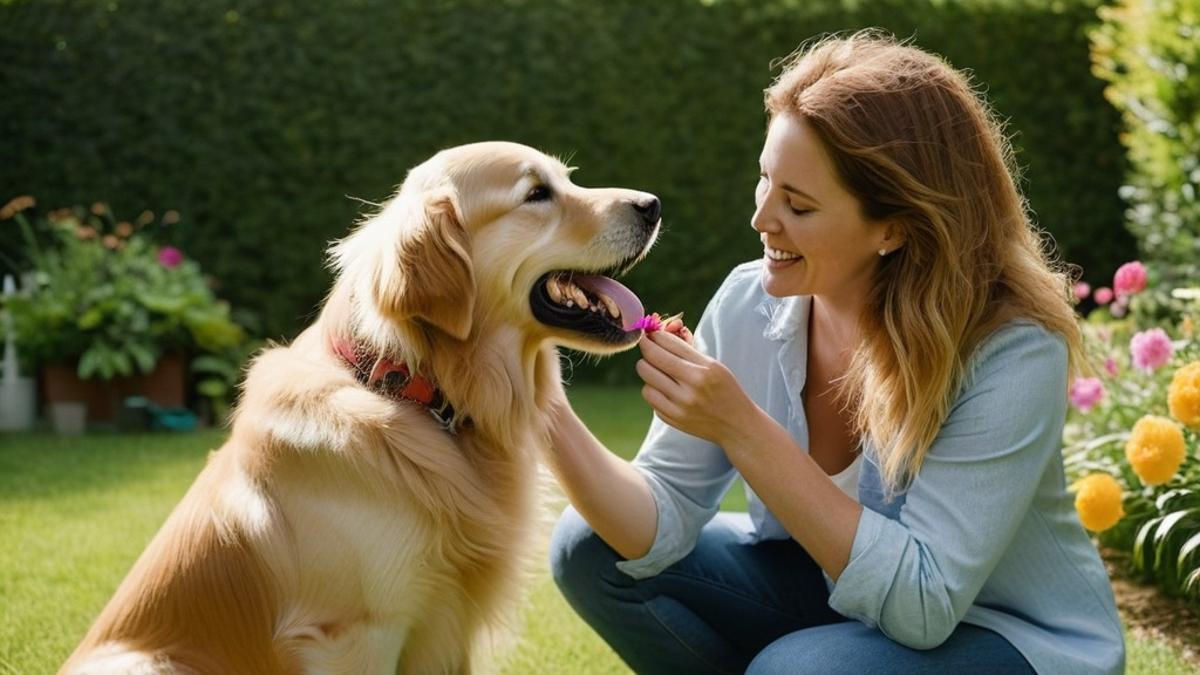
Understanding oral health hygiene for pets becomes easier when the core elements are organized clearly. The table below breaks down essential pet dental care tips, from prevention strategies to warning signs owners often miss, offering a quick reference before diving deeper into each topic.
| Category | Key Insight |
|---|---|
| Daily Brushing | How to clean pet teeth effectively requires daily brushing with pet-safe toothpaste, reducing plaque buildup by up to 70%. |
| Dental Treats | The best dental treats for pets mechanically scrape tartar while freshening breath between brushings. |
| Professional Cleanings | Annual veterinary cleanings are critical for preventing dental disease in pets beyond home care limits. |
| Warning Signs | Bad breath, bleeding gums, and reluctance to eat signal the importance of pet oral hygiene monitoring. |
| Systemic Health | Untreated oral bacteria can spread to the heart, kidneys, and liver, making hygiene a whole-body concern. |
LEARN MORE: This related article may interest you
Practical Pet Dental Care Tips for Nigerian Households
Knowing the risks is one thing, but actually changing daily habits is where real progress happens. Oral health hygiene for pets improves dramatically once owners adopt a few consistent routines, even without access to fancy veterinary gadgets.
Brushing: The Gold Standard That Most Owners Skip
Veterinary dental associations agree that daily brushing remains the single most effective method for preventing dental disease in pets. Yet surveys from veterinary clinics across Lagos and Ibadan suggest fewer than 10 percent of dog and cat owners brush their pet’s teeth regularly.
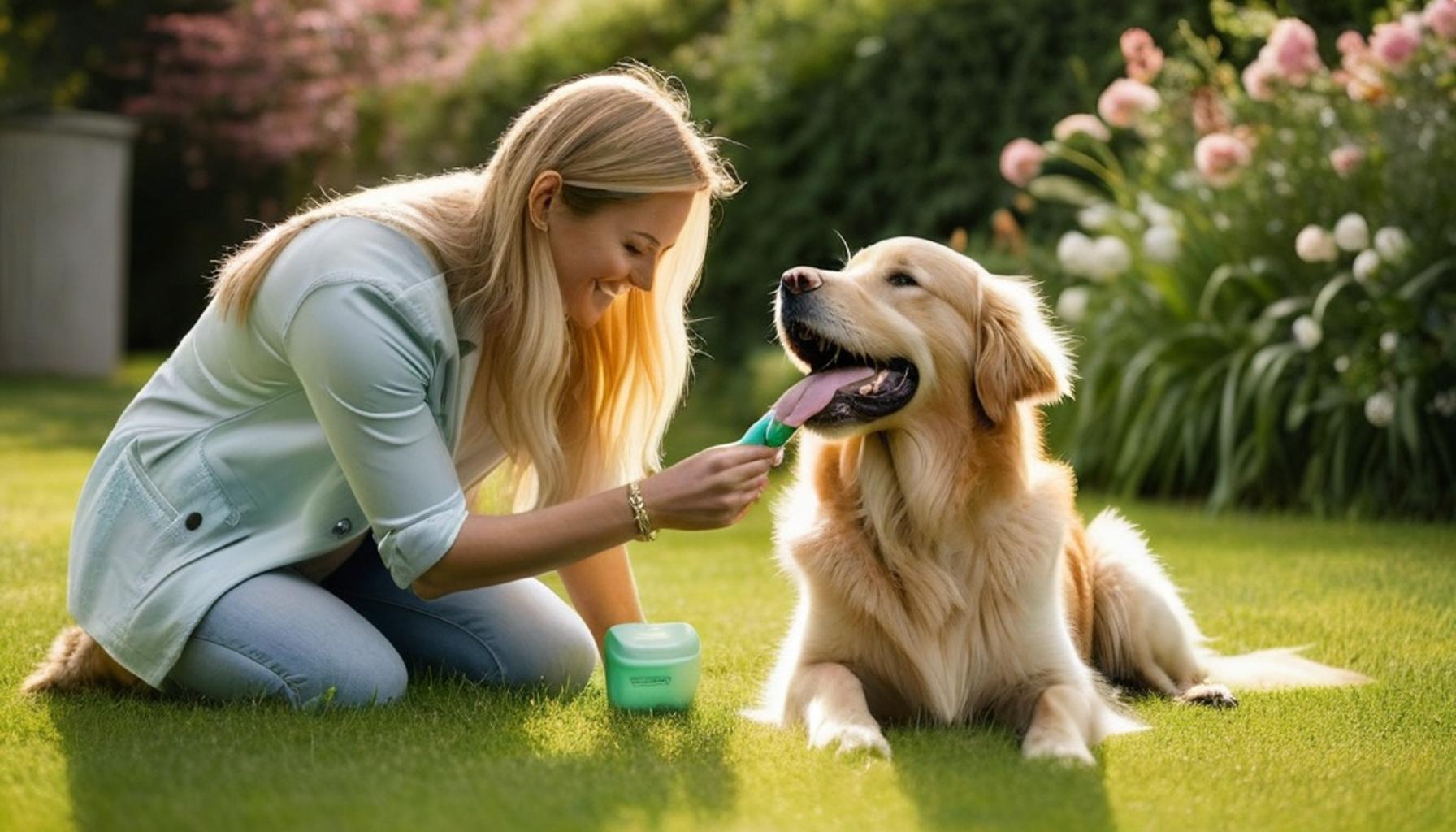
Getting started does not require imported products. A soft-bristled human infant toothbrush works fine, paired with pet-safe toothpaste, never the fluoride toothpaste sitting in your bathroom, since fluoride is toxic to animals when swallowed.
- Start slowly by rubbing a finger along the gums for a few days before introducing a brush
- Brush in small circular motions focusing on the outer tooth surfaces
- Aim for at least three sessions weekly if daily brushing feels unrealistic
Chew Toys, Bones, and the Best Dental Treats for Pets
Chewing naturally scrapes plaque off teeth before it hardens. Raw bones, popular among dog owners in northern Nigerian states, can help mechanically clean teeth, though vets caution against cooked bones, which splinter easily and cause internal injuries.
Commercially produced dental chews are increasingly available in pet stores across Lagos and Abuja. The best dental treats for pets typically carry a Veterinary Oral Health Council seal, indicating they meet tested plaque-reduction standards rather than just marketing claims.
For budget-conscious households, carrots, apple slices, and specially designed rubber chew toys offer a low-cost alternative that still provides mechanical cleaning benefits.
Routine Checks That Catch Problems Early
The importance of pet oral hygiene extends beyond home care into regular observation. Owners should check their pet’s mouth weekly for warning signs.
- Unusual bad breath that smells sour or rotten
- Yellow or brown crust along the base of teeth
- Excessive drooling or difficulty chewing dry food
- Bleeding gums when touched gently
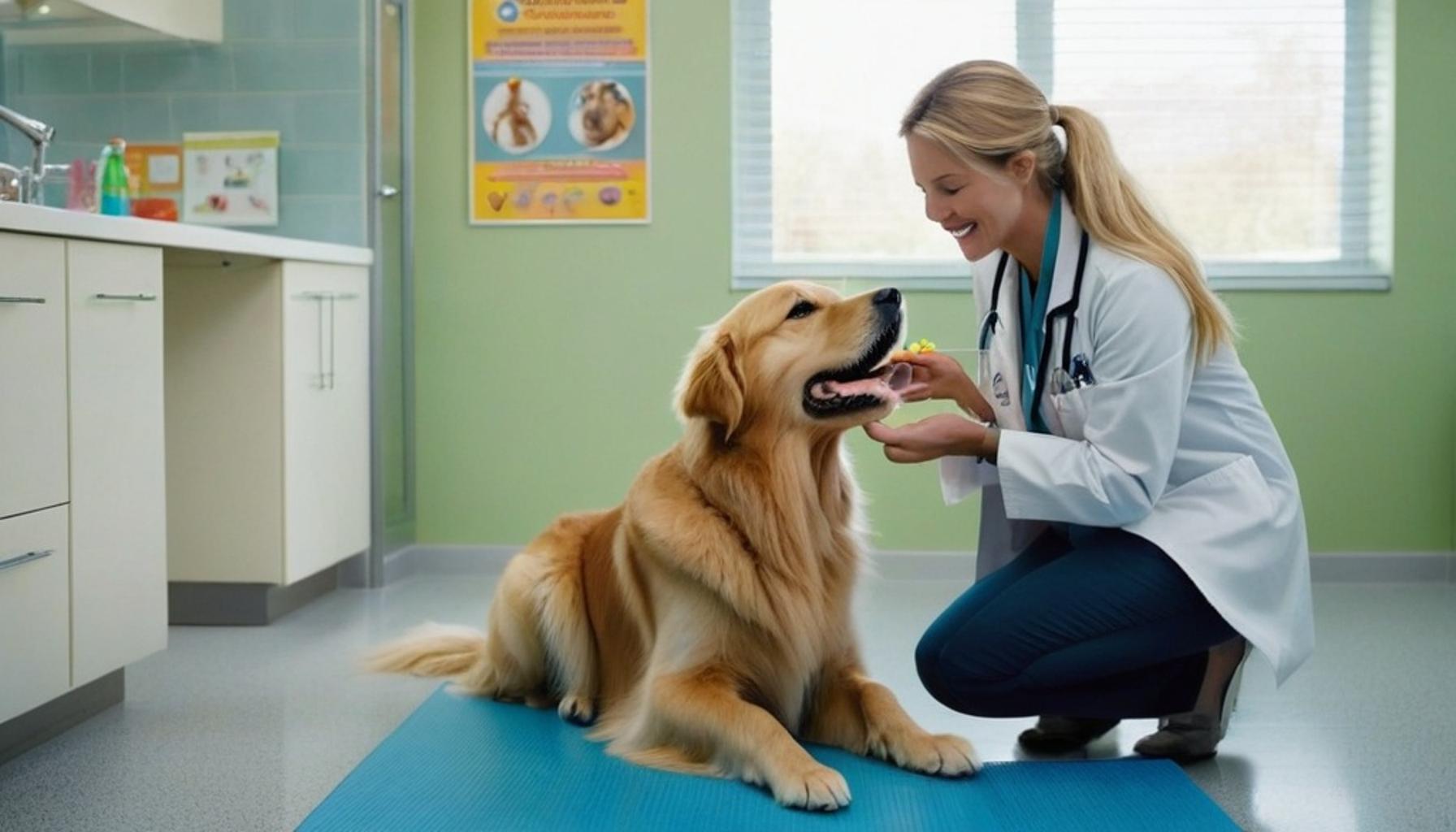
Spotting these signs early often means the difference between a simple cleaning and a costly extraction procedure. Many Nigerian veterinary clinics now offer basic dental checkups during routine vaccination visits, giving owners an affordable way to monitor oral health without scheduling separate appointments.
Combining brushing, appropriate chew items, and consistent home inspection creates a realistic, sustainable approach to how to clean pet teeth effectively within the Nigerian context.
Building a Culture of Consistent Pet Dental Care in Nigeria
From the bacteria lurking beneath tartar to the organ damage that untreated infections can trigger, the evidence is clear: oral health hygiene for pets is not a cosmetic luxury but a foundation of overall wellness. What starts as bad breath can quietly escalate into heart, liver, or kidney complications if ignored long enough.
The good news is that preventing dental disease in pets does not demand expensive equipment or imported miracle products. A soft brush, pet-safe toothpaste, appropriate chew toys, and a few minutes of weekly inspection can dramatically reduce the risk of painful, costly dental emergencies later.
Across Lagos, Abuja, Ibadan, and beyond, awareness is slowly growing, but the gap between knowledge and action remains wide. Fewer than one in ten owners currently brush their pet’s teeth, even though this single habit offers the strongest defense against plaque buildup and gum disease.
Choosing among the best dental treats for pets, introducing raw bones cautiously, and scheduling dental checks alongside routine vaccinations are practical, low-cost steps that fit realistically into Nigerian household routines.
Ultimately, understanding the importance of pet oral hygiene means recognizing that a dog’s wagging tail or a cat’s contented purr depends partly on something as simple as clean teeth. Owners who commit to learning how to clean pet teeth properly are not just preventing bad breath, they are extending their pet’s lifespan and quality of life.
As veterinary awareness spreads further into Nigerian communities, the hope is that dental care becomes as routine as feeding or vaccination, rather than an afterthought remembered only once damage has already set in. Small daily habits, repeated consistently, remain the most powerful tool any pet owner has.
Frequently Asked Questions
How often should I brush my dog or cat’s teeth in Nigeria’s hot climate?
Ideally, you should brush your pet’s teeth at least three to four times a week, though daily brushing offers the best protection against plaque and tartar buildup. Nigeria’s warm climate can encourage faster bacterial growth in the mouth, making consistent oral health hygiene for pets even more important. Use a pet-specific toothbrush and toothpaste, as human toothpaste contains ingredients harmful to animals.
What are the early signs of poor oral health hygiene in pets that Nigerian pet owners should watch for?
Bad breath, yellowish tartar on teeth, red or swollen gums, and reluctance to eat hard food are common early warning signs. You might also notice excessive drooling or your pet pawing at its mouth. Since veterinary dental care can be limited in some parts of Nigeria, catching these signs early through home checks can prevent costly complications.
Are there affordable alternatives to commercial pet dental products available locally in Nigeria?
Yes, dental chews made from natural materials like bones or specially designed chew sticks sold in local pet stores can help reduce plaque. Some pet owners also use diluted saline solutions or coconut oil as a natural mouth rinse, though these should complement, not replace, regular brushing. Always consult a local veterinarian before trying home remedies to ensure they are safe for your pet’s breed and size.
Can poor oral hygiene in pets lead to serious health problems beyond the mouth?
Yes, untreated dental disease can allow bacteria to enter the bloodstream, potentially affecting the heart, liver, and kidneys. In Nigeria, where access to advanced veterinary diagnostics may be limited in rural areas, preventing oral infections through proper hygiene is a practical way to protect your pet’s overall health. Regular dental care reduces the risk of these systemic complications and expensive treatments later.

Linda Carter
Linda Carter is a writer and pet care expert specializing in pet health, grooming, and wellness. With extensive experience helping pet owners create safe, loving, and enriching environments for their animals, Linda shares her knowledge on our platform. Her goal is to empower readers with practical advice and strategies to ensure their pets thrive and lead joyful, healthy lives.