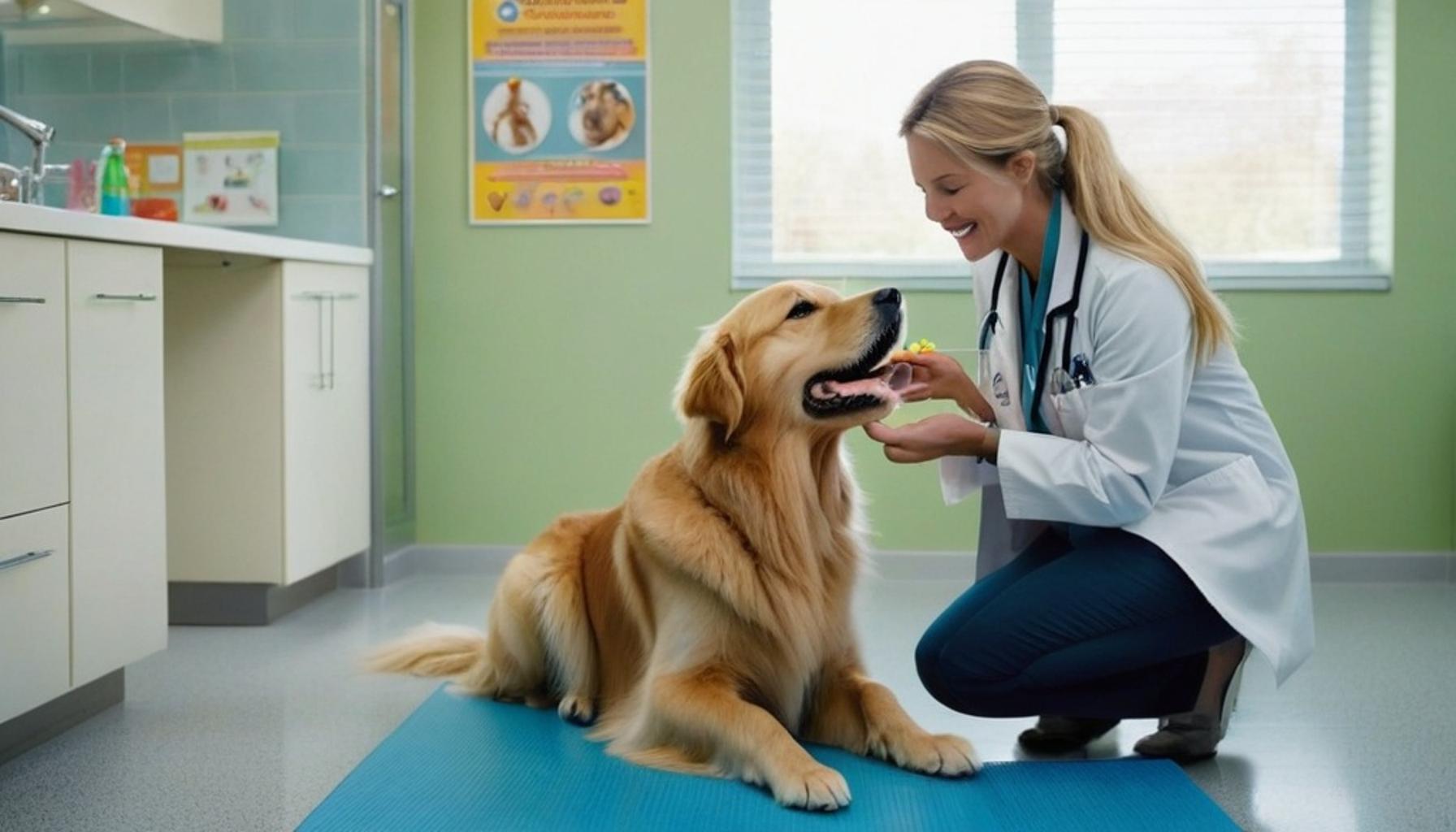
The Importance of Oral Hygiene in Pets: Practical Tips for Owners

Why Your Furry Friend’s Smile Deserves More Attention
Across homes in Lagos, Abuja, and beyond, dogs and cats are increasingly treated as cherished family members, sharing sofas, bedrooms, and even school runs with their human companions. Yet, one critical aspect of their wellbeing often slips under the radar: oral hygiene in pets. Veterinary studies suggest that by age three, over 80% of dogs and 70% of cats already show signs of dental disease. This statistic alone should give every pet owner pause, especially considering how easily preventable most of these conditions are with consistent care.
This is not just about bad breath, though that lingering odor is often the first clue something is wrong. Untreated dental issues can lead to pain, tooth loss, and even infections that spread to vital organs like the heart and kidneys. Imagine a small buildup of plaque left unchecked for months, quietly evolving into periodontal disease that eventually affects your pet’s ability to eat comfortably. In a country where veterinary specialists are not always within easy reach, especially outside major cities, catching these problems early becomes even more crucial.
What This Article Will Uncover
Understanding the importance of pet oral health is the first step toward prevention, but knowledge alone rarely changes behavior. This guide breaks down practical, easy-to-follow strategies tailored for Nigerian pet owners navigating busy schedules, unpredictable traffic, and varying access to veterinary resources across different states. Whether you live in a bustling metropolis or a quieter suburb, the principles of good dental care remain surprisingly consistent.
Here’s what you’ll discover:
- How to clean pet teeth safely at home, even without prior experience or specialized training
- Warning signs that indicate preventing dental diseases in pets requires urgent action before minor issues escalate
- A breakdown of the best dental products for pets available locally and online, including affordable alternatives
- Simple pet dental care tips that fit into daily routines without extra stress or significant time investment
Dental neglect is often invisible until it becomes a costly, painful problem, sometimes requiring expensive extractions or surgical intervention that could have been avoided entirely. Many pet owners only realize something is wrong when their dog stops eating hard kibble or their cat begins pawing at its mouth in discomfort. By the end of this article, you’ll have the tools, knowledge, and confidence to change that narrative for your pet, transforming dental care from an afterthought into a proactive part of your pet’s overall health routine.
CHECK OUT: Cleaning Tips for the Environment to Prevent Diseases in Pets
Reading the Warning Signs Before They Become Emergencies
Every pet owner has, at some point, dismissed their dog’s bad breath as simply “doggy breath” or their cat’s slight reluctance to eat as pickiness. These small dismissals, however, often mark the earliest stages of dental disease silently progressing beneath the surface. Recognizing these signals early is central to preventing dental diseases in pets before they require costly veterinary intervention.
Plaque buildup begins within hours of eating, hardening into tartar within days if left unaddressed. This process happens regardless of whether your pet eats premium kibble from Lekki pet stores or affordable local feed brands. Genetics, breed, and age also play significant roles, with smaller dog breeds like Shih Tzus and Chihuahuas being particularly prone to overcrowded teeth that trap food debris more easily than larger breeds. Interestingly, cats are not exempt from this biological reality either, as many develop a painful condition called tooth resorption, where the tooth structure itself begins breaking down from within, often invisible to the naked eye until the disease has progressed considerably.
What makes this progression particularly dangerous is its silent nature. Bacteria from untreated plaque do not remain confined to the mouth. Research has repeatedly shown that oral bacteria can enter the bloodstream through inflamed gum tissue, traveling to vital organs such as the heart, liver, and kidneys. This means a pet’s seemingly cosmetic dental issue could quietly be contributing to more serious systemic health complications, a connection many Nigerian pet owners remain unaware of.
Symptoms That Should Never Be Ignored
Nigerian pet owners juggling demanding work schedules and family responsibilities may not always notice subtle changes in their pets’ mouths. Yet certain symptoms deserve immediate attention, as they often indicate the condition has moved beyond simple plaque accumulation.
- Persistent bad breath that doesn’t improve with regular feeding changes
- Yellow or brown discoloration along the gum line, particularly on back teeth
- Bleeding gums, especially noticeable on chew toys or during play
- Difficulty chewing, dropping food, or favoring one side of the mouth
- Excessive drooling or pawing at the face, common in cats experiencing oral pain
- Visible swelling around the jaw or cheek area
- Sudden reluctance to have the head touched or petted, a subtle sign of facial discomfort
Left unaddressed, these symptoms can escalate quickly. A dog with a seemingly minor gum infection can develop an abscess within weeks, sometimes requiring surgical drainage that costs significantly more than routine preventive care would have. This financial reality makes understanding the importance of pet oral health not just a wellness issue but a practical, economic one for households across Nigeria. Some veterinary clinics in Lagos have reported extraction procedures costing several times more than an annual dental cleaning package would have cost if scheduled proactively.
Veterinarians in cities like Port Harcourt and Ibadan report seeing increasing cases of advanced periodontal disease in pets under five years old, a trend largely attributed to inconsistent dental routines rather than genetic predisposition alone. This shift suggests that environmental factors, particularly owner habits, carry more weight than previously assumed. Notably, this pattern mirrors global veterinary data suggesting that by age three, a significant majority of dogs and cats already show some form of periodontal disease, regardless of geography.
Understanding these warning signs equips owners with the awareness needed to act before minor irritation becomes major infection. The next section explores exactly how to translate this awareness into consistent, manageable action at home.
Key Aspects of Oral Hygiene in Pets: A Quick Reference Guide
Understanding oral hygiene in pets becomes easier when the main practices are laid out clearly. The table below highlights essential pet dental care tips that every owner should know, from daily habits to warning signs that demand veterinary attention.
| Category | Key Insights & Benefits |
|---|---|
| Daily Brushing | How to clean pet teeth effectively; reduces plaque buildup by up to 70% when done consistently. |
| Dental Chews & Toys | Support mechanical cleaning between brushings; helps in preventing dental diseases in pets. |
| Professional Cleanings | Annual vet checkups reveal hidden issues like gum disease or tooth decay early. |
| Best Dental Products | Enzymatic toothpaste and water additives boost the importance of pet oral health routines. |
| Warning Signs | Bad breath, bleeding gums, and reluctance to eat often signal underlying problems. |
YOU MAY ALSO LIKE: Importance of Hygiene in the Oral Health of Pets
Building a Practical Dental Routine That Actually Works
Knowing the warning signs is only half the equation. The other half involves establishing consistent, practical habits that fit into the realities of Nigerian households, where time and resources vary widely between families. Fortunately, effective oral hygiene in pets doesn’t require expensive equipment or hours of daily effort, just consistency and the right approach.
Starting With Brushing, the Foundation of Prevention
Veterinary dentists widely agree that brushing remains the single most effective method for controlling plaque before it hardens into tartar. Ideally, pet owners should aim for daily brushing, though even three times a week produces measurable improvement in gum health over a few months. This consistency matters more than intensity, since a rushed brushing session offers little benefit compared to a calm, steady approach repeated regularly.
For owners new to this routine, patience matters more than perfection. Introducing a finger brush gradually, allowing the pet to lick pet-safe toothpaste before attempting actual brushing, reduces resistance significantly. Some trainers recommend starting with just a few seconds of contact around the mouth area, slowly building up to full brushing sessions over one or two weeks. Human toothpaste should never be used, as ingredients like xylitol are toxic to dogs and can cause dangerous drops in blood sugar within minutes of ingestion. Symptoms of xylitol poisoning include vomiting, loss of coordination, and in severe cases, seizures, making this a mistake with potentially life-threatening consequences.
Many pet supply shops across Lagos, Abuja, and Lagos-based online stores now stock enzymatic toothpaste specifically formulated for pets, often flavored with poultry or beef to make the process less stressful. This represents one of the more accessible pet dental care tips available to owners regardless of budget, with prices for a standard tube typically falling within reach of most middle-class households.
Exploring Alternatives When Brushing Isn’t Feasible
Not every pet tolerates brushing, and not every owner has time for a daily routine. Fortunately, several alternatives exist for owners wondering how to clean pet teeth without direct brushing.
- Dental chews formulated to scrape plaque mechanically as pets bite down
- Water additives that reduce bacterial load without altering taste noticeably
- Raw carrots or specially designed chew toys that encourage natural gnawing
- Dental-specific diets with larger kibble pieces that increase chewing time and friction
When selecting the best dental products for pets, owners should look for the Veterinary Oral Health Council (VOHC) seal of approval, an internationally recognized standard indicating a product has met scientific benchmarks for plaque and tartar reduction. Products without this certification may still offer some benefit, but their effectiveness often lacks the rigorous testing behind VOHC-approved options, so comparing labels before purchase can save both money and disappointment.
Scheduling Professional Cleanings Without Breaking the Bank
Home care alone cannot remove tartar that has already hardened beneath the gum line. Professional cleanings, performed under anesthesia by a licensed veterinarian, remain necessary at least once a year for most pets, and twice yearly for smaller breeds prone to overcrowding, such as toy poodles and Chihuahuas whose compact jaws leave little room between teeth.
Some veterinary clinics in Abuja and Lagos now offer subscription-based wellness packages that bundle dental cleanings with routine checkups, spreading costs across monthly payments rather than one large annual expense. This model has made consistent care more attainable for middle-income households previously priced out of preventive dentistry, and it reflects a broader shift toward accessible veterinary services across major Nigerian cities.
Combining home habits with scheduled professional care creates a layered defense system, one that catches problems early while keeping long-term veterinary costs manageable. Owners who commit to this dual approach often find that their pets require fewer emergency interventions later in life, proving that a small daily investment can prevent far larger expenses down the road.
Making Dental Care a Lasting Priority for Nigerian Pet Owners
Across this discussion, one theme surfaces repeatedly: the importance of pet oral health extends far beyond fresh breath. Untreated dental disease links directly to heart, kidney, and liver complications, transforming what seems like a minor cosmetic issue into a systemic health threat with real veterinary bills attached.
Recognizing early warning signs, from yellowing teeth to reluctance during meals, gives owners a critical head start. Pairing that awareness with consistent brushing, appropriate chews, and VOHC-approved products builds a foundation that few dental emergencies can penetrate.
Yet perhaps the most overlooked factor in preventing dental diseases in pets is timing. Puppies and kittens introduced to brushing early rarely resist it as adults, while older pets forced into new routines often require more patience and creativity. Starting young, whenever possible, simplifies everything that follows.
Cost concerns, understandably significant across many Nigerian households, need not derail this effort. Affordable enzymatic toothpaste, raw carrots, and subscription-based veterinary packages now available in cities like Lagos and Abuja prove that quality care doesn’t demand luxury budgets.
Looking ahead, owners might consider tracking dental checkups alongside vaccination schedules, treating both as non-negotiable calendar events rather than optional extras. This small shift in mindset often determines whether a pet reaches old age comfortably or struggles with preventable pain.
Ultimately, sustained oral hygiene in pets reflects a broader commitment to responsible ownership, one where small, repeated actions accumulate into decades of better health. Owners who invest this effort consistently often discover the returns, fewer emergency visits, lower long-term costs, and a noticeably happier companion, far outweigh the modest time required each week.
Frequently Asked Questions
How often should I brush my dog or cat’s teeth in Nigeria’s hot climate?
Ideally, you should brush your pet’s teeth at least three to four times a week to prevent plaque buildup, which can worsen quickly in Nigeria’s warm and humid weather. Use a pet-specific toothbrush and toothpaste, as human toothpaste contains ingredients that are toxic to animals. If daily brushing isn’t possible, dental chews or water additives can help maintain oral hygiene in pets between sessions.
What are the signs of poor oral hygiene in pets that Nigerian pet owners should watch for?
Common signs include persistent bad breath, yellow or brown tartar on the teeth, red or swollen gums, and reluctance to eat hard food or chew toys. You may also notice excessive drooling or your pet pawing at its mouth due to discomfort. If you spot any of these symptoms, it’s best to visit a veterinarian in your area promptly to prevent the condition from worsening.
Are there affordable alternatives to commercial pet toothpaste available in Nigeria?
Yes, if commercial pet toothpaste is hard to find or expensive in your location, you can use a simple mixture of water and a small amount of baking soda, though this should only be a temporary solution. Many veterinary clinics in cities like Lagos, Abuja, and Port Harcourt now stock affordable dental care kits for pets. Dental chews and raw bones (given occasionally and safely) can also support oral hygiene in pets when specialized products aren’t accessible.
Can poor dental care in pets lead to other health problems beyond bad breath?
Yes, neglecting oral hygiene in pets can lead to serious issues like periodontal disease, tooth loss, and bacterial infections that spread to the heart, liver, or kidneys. This is particularly important to note in Nigeria, where access to advanced veterinary care may be limited in some regions, making prevention even more critical. Regular dental checkups, even informal ones at home, can help catch problems early before they become costly or life-threatening.

Linda Carter
Linda Carter is a writer and pet care expert specializing in pet health, grooming, and wellness. With extensive experience helping pet owners create safe, loving, and enriching environments for their animals, Linda shares her knowledge on our platform. Her goal is to empower readers with practical advice and strategies to ensure their pets thrive and lead joyful, healthy lives.