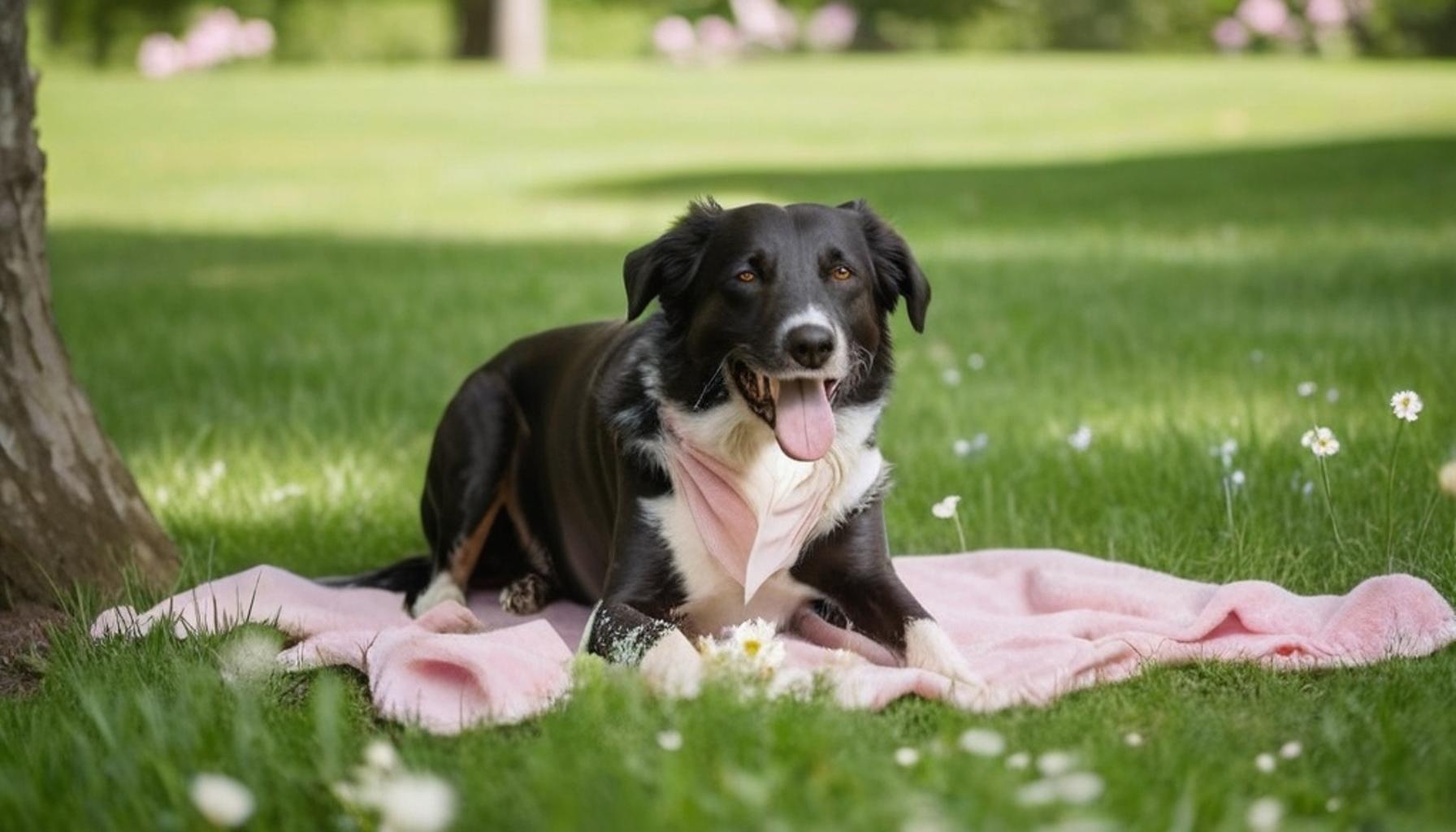
Skin and Coat Care: Essential Hygiene Practices for Pets
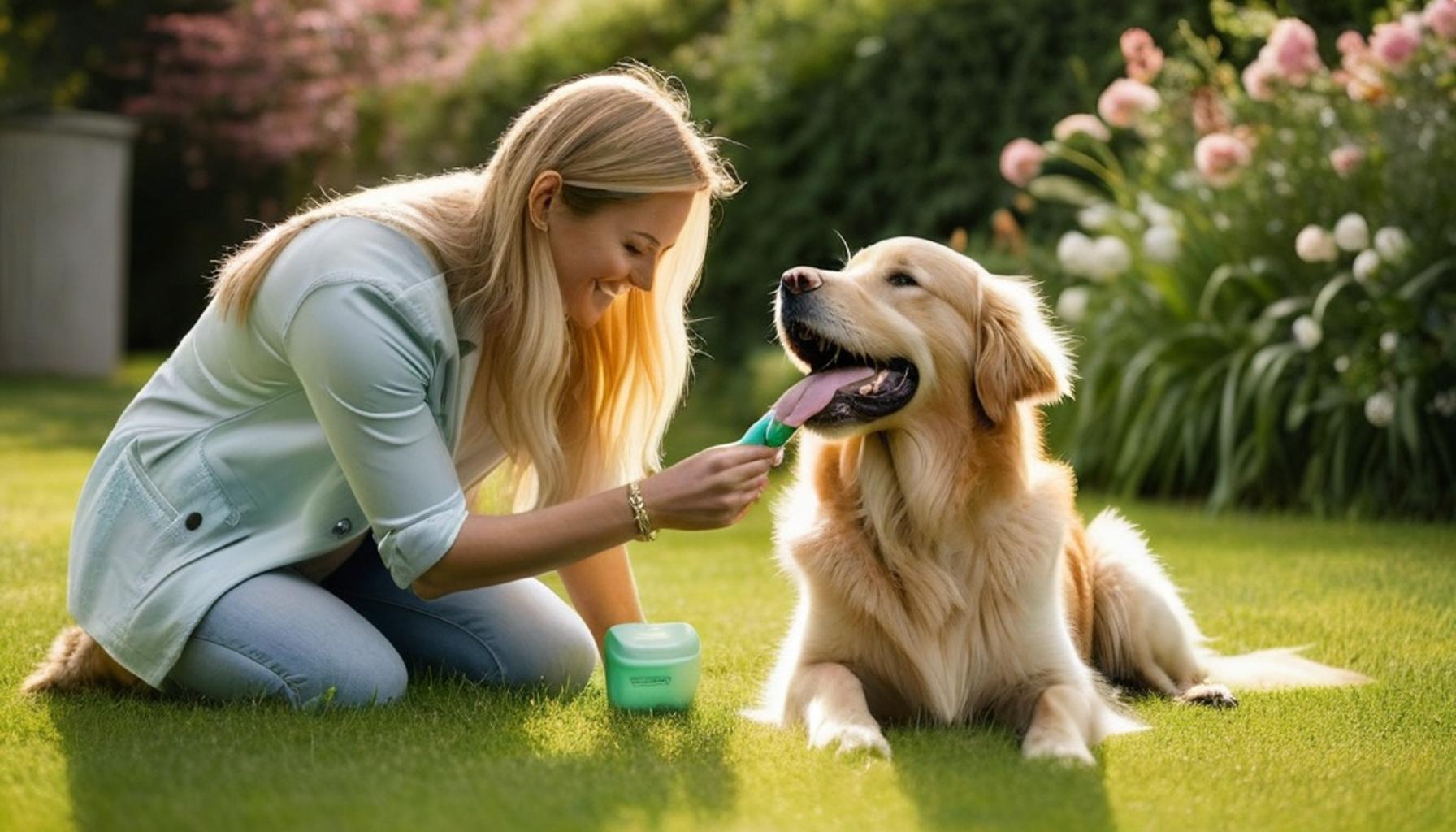
Why Your Pet’s Skin Tells a Bigger Story
From the bustling streets of Lagos to the quieter neighborhoods of Ibadan, Nigerian pet owners are increasingly discovering that a shiny coat is more than just good looks. Skin and Coat Care for Pets is a window into their overall health, often revealing hidden issues before they become serious.
Nigeria’s climate, ranging from humid coastal air to dry Sahelian winds, places unique stress on animal skin. Dust, heat, and seasonal shifts can trigger irritation, dandruff, or excessive shedding faster than many owners expect. In cities like Kano, where dry heat dominates for months, pets often develop flaky skin, while in Calabar’s damp air, fungal infections and matting become more common. Understanding these regional differences is the first step toward giving your pet the right kind of care.
Veterinarians across the country have noted a rise in skin-related complaints, many of which trace back to poor grooming habits rather than serious illness. A dog scratching persistently or a cat losing patches of fur might simply be reacting to environmental stress, diet, or infrequent bathing rather than disease. Recognizing these signals early can save owners both money and heartache.
What This Article Covers
Understanding proper pet hygiene practices can prevent costly vet visits and keep your furry companion comfortable year-round. This guide breaks down practical, easy-to-follow routines for dogs and cats alike, tailored specifically to Nigerian households and climate conditions.
- Best skin care for dogs in hot and humid conditions
- Effective cat coat maintenance techniques for indoor and outdoor felines
- Simple pet grooming tips using locally available tools
- How to choose or make natural pet conditioners at home
Did you know that regular brushing can reduce shedding by up to 90 percent in certain breeds? Small habits, done consistently, often outperform expensive treatments bought in a hurry after problems appear. Even simple actions, like wiping down a dog’s coat after an evening walk through dusty streets, can make a noticeable difference within weeks.
Many Nigerian households already have access to affordable ingredients such as coconut oil, aloe vera, and shea butter, all of which can support healthier skin when used correctly. Learning how to combine tradition with modern grooming knowledge gives pet owners an edge, especially in areas where veterinary access may be limited.
Whether you’re raising a playful Alsatian in Abuja or a curious cat in Port Harcourt, the right hygiene routine can transform their wellbeing. Let’s explore what truly works, and why paying attention to your pet’s skin might be the most underrated form of care available to you today.
RECOMMENDED: Cleaning Tips for the Environment to Prevent Diseases in Pets
Getting started with Skin and Coat Care for Pets does not require expensive imported products or a veterinary degree. It requires consistency, observation, and a willingness to adjust routines based on what your pet’s body is telling you. Most Nigerian pet owners underestimate how quickly small habits compound into noticeable results, whether positive or negative.
Consider brushing, for instance. It sounds almost too simple to matter, yet dermatologists studying animal coats consistently point to it as one of the most effective, low-cost interventions available. Brushing distributes natural oils across the skin, removes trapped dust from harmattan winds, and physically stimulates blood circulation beneath the fur. In cities like Kano or Kaduna, where dust levels spike dramatically between November and February, this single habit can mean the difference between a glossy coat and one riddled with dandruff-like flakes.
Establishing the Basics of Pet Hygiene Practices
Before diving into products or remedies, owners need a foundational routine. Skipping this step is where most skin issues begin, often unnoticed until scratching or shedding becomes severe. By the time an owner notices bald patches or persistent scratching, the underlying issue may have been building for weeks.
A solid framework for pet hygiene practices includes the following:
- Brushing two to three times weekly, increasing to daily during shedding seasons
- Bathing every two to four weeks, depending on breed and activity level
- Checking ears, paws, and belly folds weekly for early signs of irritation
- Wiping down coats after outdoor exposure, especially in dusty or humid regions
- Adjusting diet to include Omega-3 sources like fish oil or crayfish where possible
These steps sound straightforward, but execution matters more than intention. A dog bathed too frequently in Lagos heat may develop dry, flaky skin from stripped natural oils, while one bathed too rarely in Port Harcourt’s humidity risks fungal buildup. Balance, not frequency alone, defines effective care. Owners often assume more washing equals cleaner pets, yet this logic backfires quickly once natural oil production is disrupted.
Reading Your Pet’s Coat Like a Diagnostic Tool
Veterinary researchers often describe the coat as a visible extension of internal health. Dullness, brittleness, or patchy thinning frequently signals nutritional gaps rather than surface-level problems. A shift in coat texture, sometimes appearing gradually over several weeks, can precede more serious symptoms by a considerable margin.
For dogs specifically, the best skin care for dogs starts with recognizing breed-specific vulnerabilities. Short-haired breeds common in Nigerian homes, such as Boerboels, tend to show irritation faster in direct sun, while long-haired breeds trap moisture that invites bacterial growth during rainy seasons. Understanding these tendencies before problems emerge allows owners to intervene proactively rather than reactively.
Cats present different challenges entirely. Effective cat coat maintenance depends heavily on whether the animal is indoor or outdoor. Indoor cats groom themselves extensively but still benefit from weekly brushing to prevent hairballs, while outdoor cats require more vigilant checks for ticks, fleas, and minor wounds hidden beneath fur. Given Nigeria’s warm climate, parasite activity rarely slows down, making these checks a year-round necessity rather than a seasonal one.
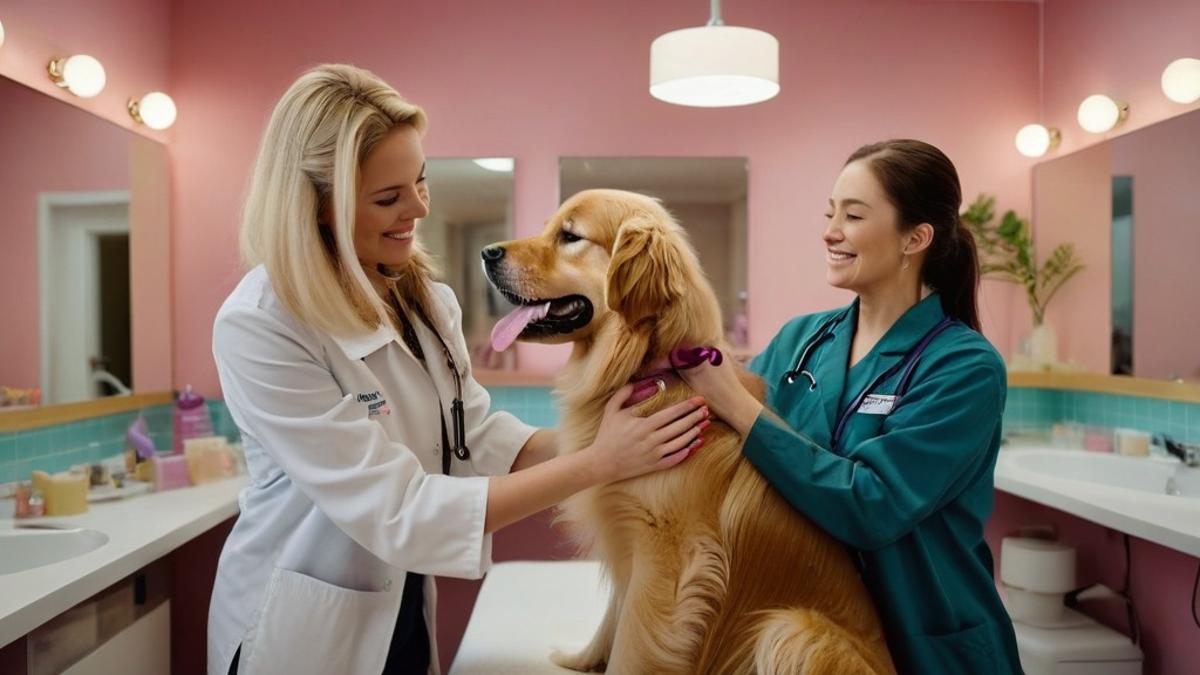
Skin and Coat Care for Pets: A Quick-Reference Hygiene Guide
Before exploring specific techniques, this table breaks down the essential elements of Skin and Coat Care for Pets. From bathing schedules to natural pet conditioners, these pet grooming tips reveal why consistent hygiene routines directly impact your companion’s comfort, appearance, and long-term health.
| Category | Key Benefits & Practices |
|---|---|
| Bathing Frequency | Best skin care for dogs includes bathing every 4-6 weeks to prevent dryness and irritation. |
| Brushing Routine | Daily brushing supports cat coat maintenance and reduces shedding and matting. |
| Diet & Hydration | Omega-3 rich foods strengthen skin barriers and enhance coat shine naturally. |
| Natural Conditioners | Oatmeal and aloe-based natural pet conditioners soothe sensitive, itchy skin. |
| Skin Inspections | Weekly checks catch parasites early, a cornerstone of effective pet hygiene practices. |
YOU MAY ALSO LIKE: The importance of dental hygiene for pet health: daily practices and essential tips
Choosing Products Wisely: Natural Solutions Over Quick Fixes
Walk into any pet store in Lagos or Abuja, and shelves overflow with shampoos promising miracle results within days. Most of these claims deserve skepticism. The skin barrier of a dog or cat rebuilds itself over weeks, not overnight, meaning genuine improvement in Skin and Coat Care for Pets follows a slower, more deliberate timeline than marketing suggests.
This is where natural pet conditioners earn their reputation. Coconut oil, widely available across Nigerian markets, contains lauric acid that penetrates hair shafts rather than simply coating them. Applied sparingly once or twice weekly, it reduces frizz and adds shine without the greasy residue that heavier synthetic products often leave behind. Shea butter, though less commonly used on pets, works similarly for dry paw pads cracked by hot pavement during dry season months.
Aloe vera, another accessible option, soothes minor irritations caused by insect bites or mild allergic reactions. Its cooling properties make it particularly useful for pets recovering from sunburn-like symptoms after prolonged outdoor exposure, a common issue for guard dogs kept outside compounds throughout the day.
Practical Pet Grooming Tips for Nigerian Households
Grooming routines succeed or fail based on how well they fit into daily life. Owners juggling work, traffic, and family responsibilities rarely maintain elaborate schedules, so simplicity matters more than perfection.
Several pet grooming tips have proven particularly effective within Nigerian households:
- Use lukewarm rather than cold water during baths, since cold water can shock pets and worsen skin sensitivity
- Dry coats thoroughly after bathing, as trapped moisture in humid climates like Calabar invites fungal growth within days
- Avoid human shampoo entirely, since pH imbalances between human and animal skin often trigger irritation
- Trim fur around paws and ears where mud and moisture accumulate fastest during rainy season
- Inspect for fleas after visits to parks or shared compounds, particularly in multi-pet households
Timing also plays an underappreciated role. Bathing during early morning or late afternoon, rather than the peak heat of midday, allows coats to dry naturally without pets overheating indoors afterward.
When Diet Becomes Part of the Grooming Equation
Skin health rarely stays isolated from nutrition. Pets fed primarily on leftover rice or bread, a common practice in budget-conscious households, often display drier coats than those receiving balanced protein sources. Adding boiled eggs twice weekly, for instance, introduces biotin naturally, supporting keratin production within the skin itself.
Fish, particularly affordable options like titus or mackerel found in local markets, delivers Omega-3 fatty acids that visibly reduce shedding within four to six weeks of consistent feeding. This connection between food and fur often surprises owners who assume grooming exists purely as an external practice, separate from what fills the feeding bowl.
Building a Sustainable Routine for Lasting Results
Consistency, not complexity, ultimately determines success in Skin and Coat Care for Pets. The households seeing the best results are rarely those chasing every new product on the market. They are the ones weaving small, manageable habits into daily life until those habits stop feeling like chores.
A few practical truths emerge from combining product choices, grooming schedules, and nutrition into one approach. Natural remedies like coconut oil and aloe vera address surface issues effectively, but they work best when paired with correct bathing frequency and climate-appropriate timing. None of these elements functions in isolation.
Nigerian pet owners face unique challenges that generic advice often ignores. Humidity in coastal cities, dust during harmattan, and inconsistent access to specialized veterinary products all shape what realistic pet hygiene practices actually look like on the ground. Solutions borrowed from temperate climates without adjustment tend to underperform or fail outright.
Owners searching for the best skin care for dogs should therefore prioritize observation over assumption. A coat that dulls suddenly, paws that crack repeatedly, or skin that reddens after specific meals all communicate information worth investigating rather than masking with quick fixes.
Similarly, cat coat maintenance benefits enormously from simply paying attention. Cats groom themselves extensively, so changes in their self-care behavior often signal underlying discomfort long before visible symptoms appear.
Looking ahead, pet owners might consider tracking small details: how often shedding increases, which foods correlate with skin flare-ups, or how weather shifts affect coat texture. These observations, recorded over months, often reveal patterns that no single product or grooming session could uncover alone.
Healthy skin and a glossy coat rarely happen by accident. They result from attentive, informed choices repeated patiently over time.
Frequently Asked Questions
How often should I bathe my dog in Nigeria’s hot and humid climate?
In Nigeria’s hot, humid weather, most dogs do well with a bath every 2 to 4 weeks, but this depends on breed, coat type, and how much time they spend outdoors. Over-bathing can strip natural oils and cause dry, flaky skin, so use a mild, pH-balanced dog shampoo rather than human soap. If your pet gets muddy or sweaty often due to outdoor play, you can rinse them with clean water between full baths.
What are the signs of skin problems common in pets kept outdoors in Nigeria?
Watch for excessive scratching, redness, bald patches, foul odor, or scabs, which often indicate flea infestations, ticks, ringworm, or bacterial infections common in outdoor pets. Nigeria’s warm climate encourages fleas and ticks to thrive year-round, making regular skin checks essential. If you notice any of these signs, consult a veterinarian promptly to prevent the condition from worsening.
Can local Nigerian foods or diet affect my pet’s coat health?
Yes, a diet lacking essential fatty acids, protein, and vitamins can lead to a dull, brittle coat and dry skin in pets. Feeding your pet quality commercial pet food supplemented with fish oil, eggs, or lean meats commonly available in Nigerian markets can significantly improve coat shine and skin health. Avoid excessive spicy or oily leftovers, as these can trigger digestive and skin issues.
How do I protect my pet’s skin from fleas and ticks without expensive imported products?
Regular grooming with a fine-tooth comb, keeping your pet’s living area clean, and using locally available flea and tick shampoos or powders can help control infestations affordably. Neem-based products, which are accessible in Nigeria, are also known for their natural insect-repelling properties. For persistent infestations, veterinary clinics in major cities offer effective spot-on treatments at reasonable prices.
Is it necessary to brush my pet’s coat daily, and what tools work best?
Daily brushing is highly beneficial, especially for long-haired breeds, as it removes dead hair, prevents matting, and distributes natural skin oils for a healthier coat. A simple bristle brush or grooming glove works well for short-haired pets, while a slicker brush is better suited for longer coats. Regular brushing also helps you spot early signs of skin issues like lumps, ticks, or irritation before they become serious.
When should I take my pet to a vet instead of treating skin issues at home?
If your pet shows persistent scratching, open sores, hair loss spreading beyond a small area, or a bad smell that doesn’t improve with basic cleaning, it’s time to see a veterinarian. Home remedies can worsen certain conditions like fungal infections or allergic reactions if not properly diagnosed. Veterinary clinics in cities like Lagos, Abuja, and Port Harcourt can provide accurate diagnosis and appropriate treatment for lasting skin and coat health.

Linda Carter
Linda Carter is a writer and pet care expert specializing in pet health, grooming, and wellness. With extensive experience helping pet owners create safe, loving, and enriching environments for their animals, Linda shares her knowledge on our platform. Her goal is to empower readers with practical advice and strategies to ensure their pets thrive and lead joyful, healthy lives.