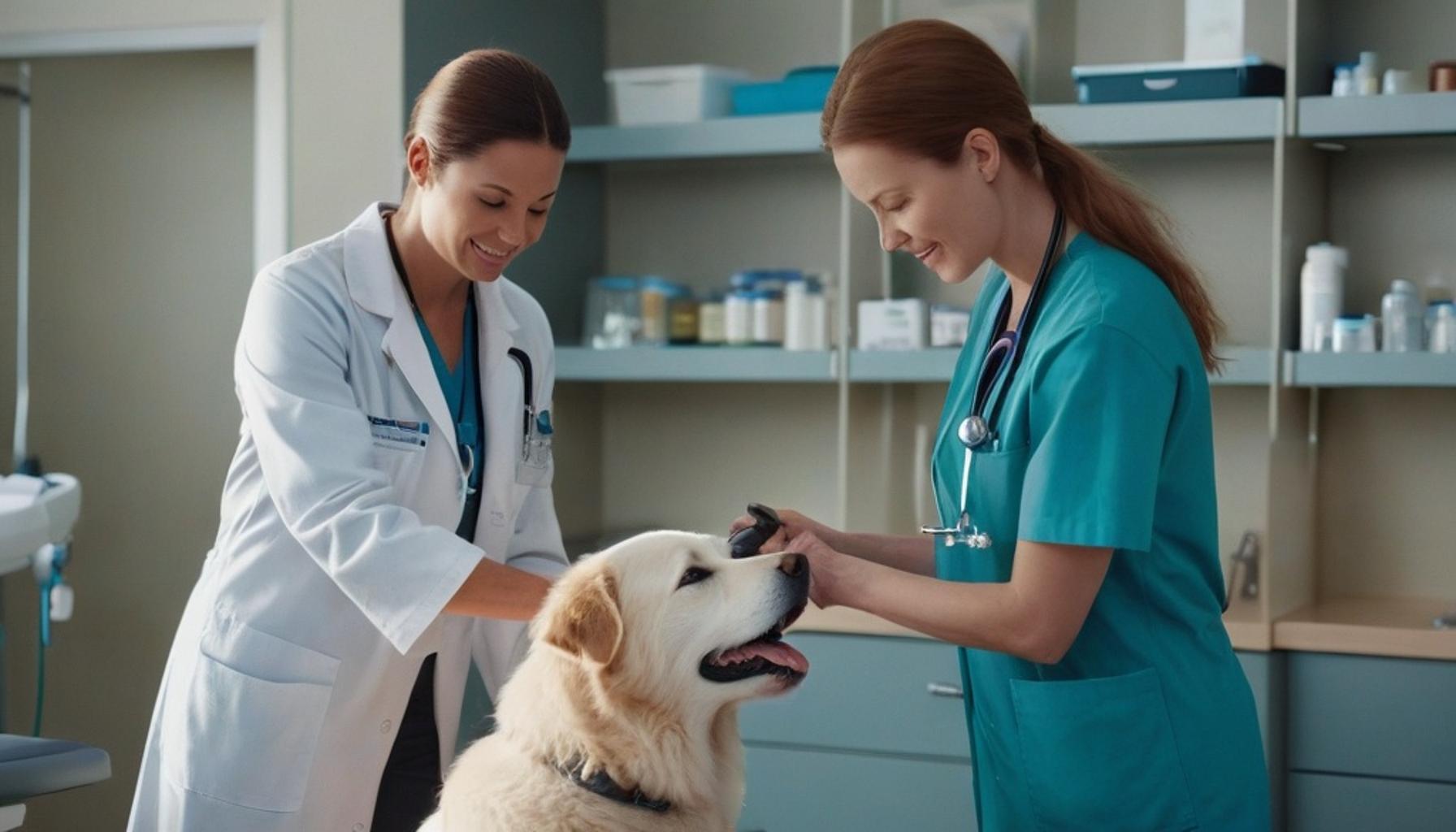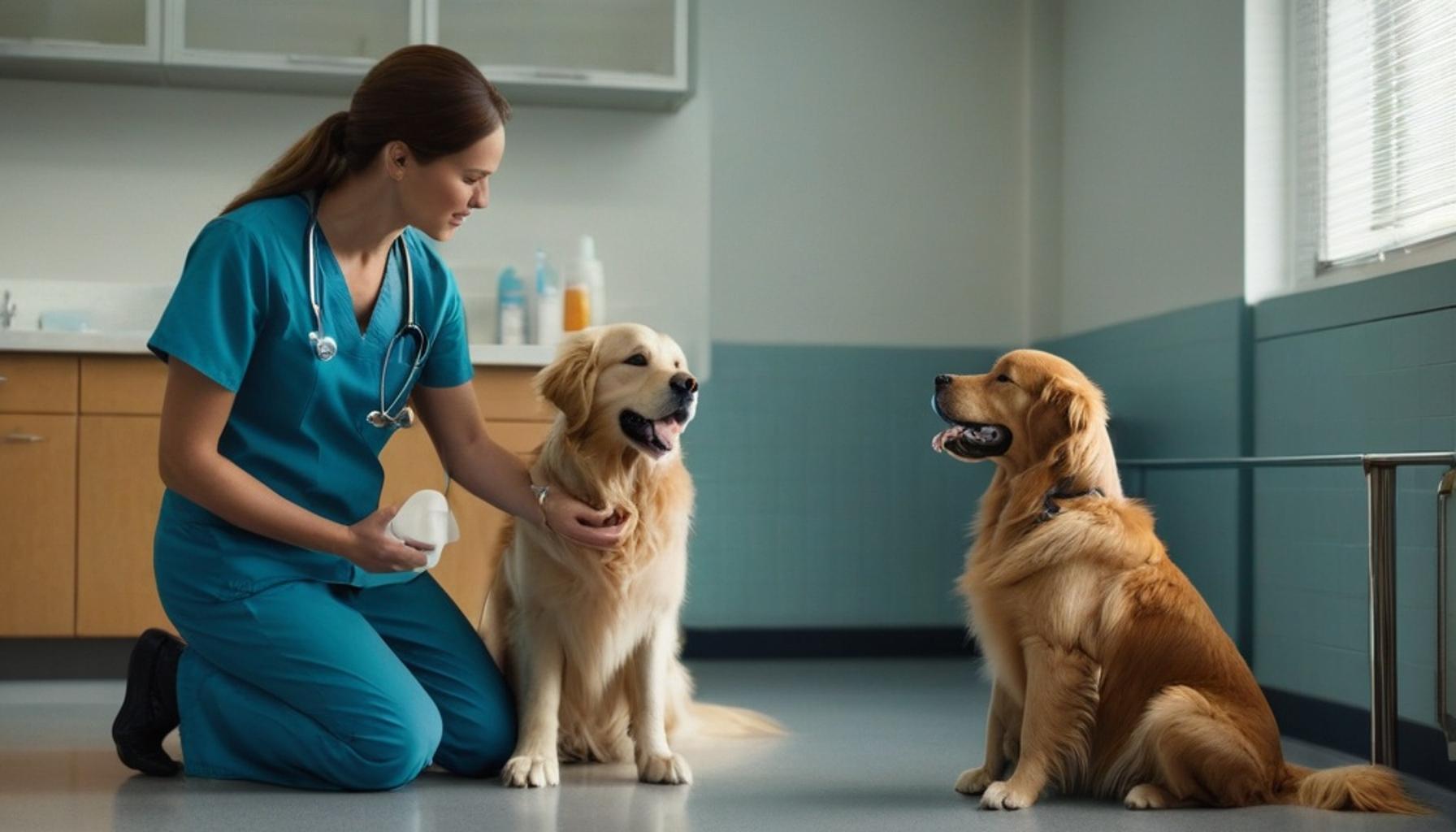
How to Create a Health Monitoring Routine for Your Pet

Why Every Nigerian Pet Owner Needs a Health Monitoring Routine
From the busy streets of Lagos to the quieter neighborhoods of Enugu, more Nigerians are welcoming dogs, cats, and other companions into their homes. Pet ownership across the country has grown steadily, with families in cities like Ibadan, Kano, and Benin City increasingly treating their animals as valued members of the household rather than mere guard dogs or mousers. But owning a pet is only half the story. Keeping pets healthy in Nigeria requires consistent attention, not just occasional vet visits when something looks wrong.
Many pet owners only react when illness becomes obvious. By then, treatment can be costlier, and recovery harder. A dog that suddenly refuses food or a cat that hides for days often signals a problem that has been quietly developing for weeks. This is why a structured Health Monitoring Routine for Pets matters more than most realize, especially given the unique environmental challenges pets face in Nigeria’s varied climates and urban settings.
What This Article Will Cover
Think of your pet’s health like a car engine—small warning signs often appear long before a breakdown. Ignoring a strange noise today could mean an expensive repair tomorrow. The same logic applies to animals. Learning how to monitor pet health consistently can help you catch problems early, saving both money and heartache.
- Simple pet health checkup tips you can do at home weekly
- Key signs of a healthy pet versus warning symptoms that demand attention
- Building a practical pet wellness routine that fits your schedule, even with Nigeria’s demanding work culture
- Local considerations, including climate, common parasites, and access to veterinary care across different regions
Did you know that untreated tick infestations, common in many Nigerian climates, can lead to serious blood disorders in dogs within weeks? Conditions like babesiosis and ehrlichiosis spread rapidly in humid, tropical environments, making vigilance essential rather than optional. Small observations—like changes in appetite, energy levels, coat condition, or bathroom habits—often reveal issues before they escalate into emergencies requiring costly interventions.
This guide breaks down exactly how to build a routine that works, whether you own a playful puppy in Abuja navigating dusty harmattan winds or a calm cat in Port Harcourt dealing with constant humidity. Prevention, observation, and consistency are the pillars we’ll explore together, tailored specifically to the realities Nigerian pet owners face daily.
SEE ALSO: Warning Signs: What to Watch for in Your Pet’s Health Day to Day
Starting With the Basics: Daily Observation as the Foundation
Building an effective Health Monitoring Routine for Pets does not require veterinary training or expensive equipment. It starts with something far simpler: paying attention. Nigerian pet owners who succeed at keeping pets healthy in Nigeria usually share one habit—they observe their animals daily, almost instinctively, the same way a market trader checks produce before buying.
Daily observation means noticing your dog’s energy when you return from work in Yaba or watching whether your cat still rushes to the bowl at feeding time in Kaduna. These small moments carry information. A pet that suddenly loses interest in play, sleeps excessively, or avoids interaction is communicating something, even without words.
Five Daily Checks That Take Less Than Five Minutes
Learning how to monitor pet health effectively starts with a short daily checklist. These checks fit easily into a morning routine, even for owners juggling Lagos traffic or early market runs.
- Appetite: Is your pet eating its usual portion at the usual time?
- Water intake: Sudden increases or decreases can signal kidney issues or infection.
- Energy levels: Compare today’s activity to yesterday’s, not to last month’s.
- Coat and skin: Look for dullness, bald patches, or excessive scratching, common with tick and flea exposure in humid regions.
- Bathroom habits: Diarrhea, constipation, or straining should never be ignored for more than a day or two.
These five checks form the backbone of any solid pet wellness routine, and they cost nothing beyond a few minutes of focused attention.
Why Consistency Matters More Than Perfection
Many owners attempt health monitoring for a week, then abandon it once life gets busy. Consistency, not perfection, produces results. A study published by the American Veterinary Medical Association found that pets receiving regular at-home monitoring were diagnosed with chronic illnesses an average of three to six months earlier than those without any structured observation. Earlier diagnosis typically means simpler, cheaper treatment.
In Nigeria, where veterinary clinics can be sparse outside major cities like Abuja, Lagos, and Port Harcourt, this early-detection advantage becomes even more valuable. Owners in smaller towns or rural areas often travel considerable distances for professional care, making home-based vigilance a practical necessity rather than a luxury.
Understanding the difference between normal variation and genuine concern takes practice. That is precisely why the next sections focus on distinguishing clear signs of a healthy pet from symptoms that warrant a closer look or a trip to the veterinarian.
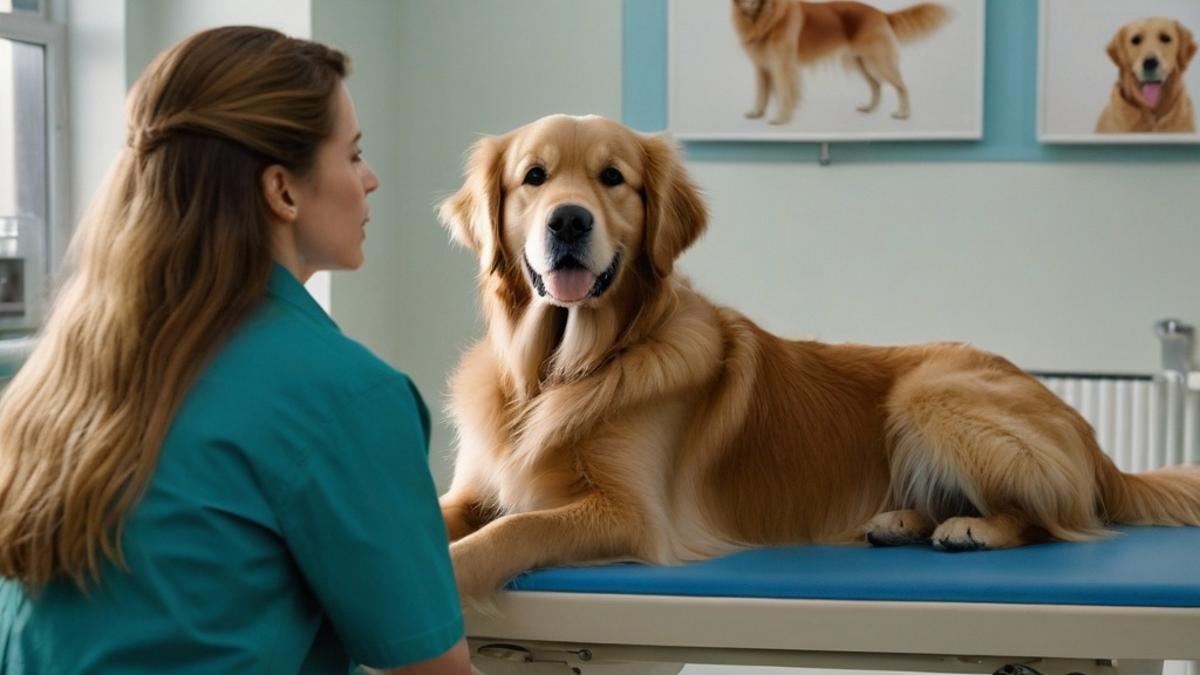
Key Elements of a Health Monitoring Routine for Pets
Building a consistent Health Monitoring Routine for Pets means tracking several vital indicators regularly. From weight fluctuations to behavioral shifts, each metric reveals valuable clues about your companion’s wellbeing. Below is a quick reference table summarizing the essential pet health checkup tips every owner should follow.
| Monitoring Aspect | Why It Matters |
|---|---|
| Weight & Appetite | Sudden changes often signal early illness before symptoms appear |
| Vital Signs | Heart rate and temperature reveal how to monitor pet health accurately |
| Behavior Patterns | Lethargy or aggression are key signs of a healthy pet versus a stressed one |
| Routine Vet Visits | Supports a pet wellness routine and prevents costly emergencies |
These indicators form the backbone of keeping pets healthy in Nigeria, where climate and diet variations demand closer attention to subtle physical changes.
YOU MAY ALSO LIKE: How Emotional Feeding Contributes to Monitoring Your Pet’s Health
Building a Weekly and Monthly Tracking System
Once daily observation becomes second nature, the next step in any serious Health Monitoring Routine for Pets is layering in weekly and monthly checks. These deeper inspections catch problems that daily glances often miss, especially issues that develop gradually rather than overnight.
A pet owner in Enugu checking only for obvious distress might overlook a slowly growing lump or a subtle weight change that only becomes clear when measured against last month’s numbers. This is where structure beats instinct.
The Weekly Physical Check
Set aside fifteen minutes every week, perhaps on a Sunday, to run hands over your pet’s body methodically. This simple habit is one of the most overlooked pet health checkup tips available to owners without easy clinic access.
- Ears: Check for odor, discharge, or excessive wax, common triggers for infection in Nigeria’s humid coastal climates.
- Eyes: Cloudiness, redness, or discharge can indicate anything from allergies to more serious conditions.
- Teeth and gums: Bad breath and yellowing are early signs of dental disease, which affects a large percentage of dogs and cats over age three.
- Body condition: Feel along the ribs. You should sense them easily without pressing hard, but they shouldn’t be visibly protruding.
- Paws and nails: Overgrown nails or cracked pads can affect mobility, particularly in pets that walk on hot pavement in cities like Kano.
Monthly Weight Tracking and Record Keeping
Weight fluctuation is one of the clearest indicators used when learning how to monitor pet health over time. A five to ten percent weight change within a month, in either direction, deserves attention.
Keeping a simple notebook or phone log with dates, weights, and observations creates a record that becomes invaluable during veterinary visits. Many veterinarians in Lagos and Ibadan report that owners who arrive with documented history help them diagnose issues significantly faster than those relying on memory alone.
This record-keeping habit also reveals patterns invisible in daily life. Perhaps appetite dips every time the weather turns unusually hot, or energy drops noticeably during the rainy season. Recognizing these patterns is central to keeping pets healthy in Nigeria, where seasonal shifts genuinely affect animal behavior and appetite.
Ultimately, this layered system, daily glances, weekly hands-on checks, and monthly documentation, transforms vague worry into actionable data. The clearer the picture an owner builds, the easier it becomes to distinguish ordinary signs of a healthy pet from the early whispers of illness that deserve professional attention.
SEE ALSO: Wearable Technology: How Health Monitoring Devices Can Improve Your Pet’s Well-Being
Making Vigilance a Lasting Habit
Building a genuine Health Monitoring Routine for Pets is not about turning every owner into a veterinarian. It is about closing the gap between the last checkup and the next one, a gap where most preventable illnesses quietly take hold.
From the daily two-minute glance at appetite and energy, to the weekly hands-on inspection of ears and gums, to the monthly weight log that reveals slow-moving trends, each layer adds a piece to a picture that instinct alone cannot provide. Together, they form a rhythm that fits naturally into busy Nigerian households, whether in a Lagos apartment or a compound in Kaduna.
The value of these pet health checkup tips becomes obvious the first time a routine catches something early: a lump before it grows, a limp before it worsens, a weight drop before it becomes dangerous. That early catch often means simpler treatment, lower veterinary bills, and less suffering for the animal involved.
Learning how to monitor pet health consistently also changes the relationship between owner and vet. Documented histories, clear patterns, and specific observations replace vague worry, allowing professionals to act faster and more accurately.
For anyone serious about keeping pets healthy in Nigeria, where climate, diet, and access to clinics vary widely from state to state, this kind of structured attention is not optional extra care. It is the practical backbone of responsible pet ownership.
A consistent pet wellness routine ultimately teaches owners something deeper: what normal actually looks like for their specific animal. And once that baseline is clear, spotting the true signs of a healthy pet, or the early signals that something is wrong, becomes far less guesswork and far more confident, informed care.
Frequently Asked Questions
What are the basic steps to start a health monitoring routine for my pet in Nigeria?
Begin by recording your pet’s normal weight, appetite, water intake, and behavior so you have a baseline for comparison. Set a fixed schedule, such as weekly weight checks and daily observation of eating and toilet habits. Keep a simple logbook or phone note, and schedule a vet visit every three to six months, since many areas in Nigeria have limited access to 24-hour veterinary clinics, so early detection at home is crucial.
How often should I check my dog or cat’s vital signs at home in Nigeria’s hot climate?
Given Nigeria’s generally hot and humid weather, it’s wise to check your pet’s temperature, breathing rate, and hydration at least twice a week, especially during the dry season (November to March) when heat stress is common. Watch for panting, lethargy, or reduced water intake, which can signal heat-related issues. A normal dog temperature is between 38 and 39.2 degrees Celsius, so a home thermometer is a useful tool.
What tick and flea signs should I monitor given the local climate?
Nigeria’s warm climate makes ticks and fleas a year-round concern, so check your pet’s fur, ears, and paws weekly, particularly after outdoor walks in grassy or bushy areas. Look for excessive scratching, red or irritated skin, and visible parasites near the neck and tail base. If you notice signs, consult a local veterinary pharmacy for appropriate anti-parasitic treatments suited to tropical conditions.
How can I monitor my pet’s diet and weight without expensive equipment?
You can use a simple bathroom scale by weighing yourself first, then weighing yourself while holding your pet, and subtracting the difference to track weight trends monthly. Monitor food portions using standard measuring cups rather than guesswork, and observe your pet’s body shape from above and the side for a visible waist. Sudden weight loss or gain of more than ten percent within a month should prompt a visit to a veterinarian.
What are early warning signs that my pet needs urgent veterinary attention in Nigeria?
Watch for symptoms like continuous vomiting, bloody stool, difficulty breathing, sudden collapse, or refusal to eat for more than 24 hours, as these can indicate serious illness or poisoning. Given that emergency veterinary services may be limited in many Nigerian towns, it helps to identify the nearest reliable clinic or vet in advance. Acting quickly on these signs rather than waiting can significantly improve your pet’s chances of recovery.
How do I keep vaccination and deworming records as part of my pet’s health routine?
Create a simple health card or use a phone app to log vaccination dates, including rabies, which is legally required and important given occasional rabies cases reported in parts of Nigeria. Deworming should typically be done every three months for adult pets, and puppies or kittens may need it more frequently. Keeping these records handy also helps when boarding your pet or traveling within Nigeria, since some facilities request proof of recent vaccinations.

Linda Carter
Linda Carter is a writer and pet care expert specializing in pet health, grooming, and wellness. With extensive experience helping pet owners create safe, loving, and enriching environments for their animals, Linda shares her knowledge on our platform. Her goal is to empower readers with practical advice and strategies to ensure their pets thrive and lead joyful, healthy lives.