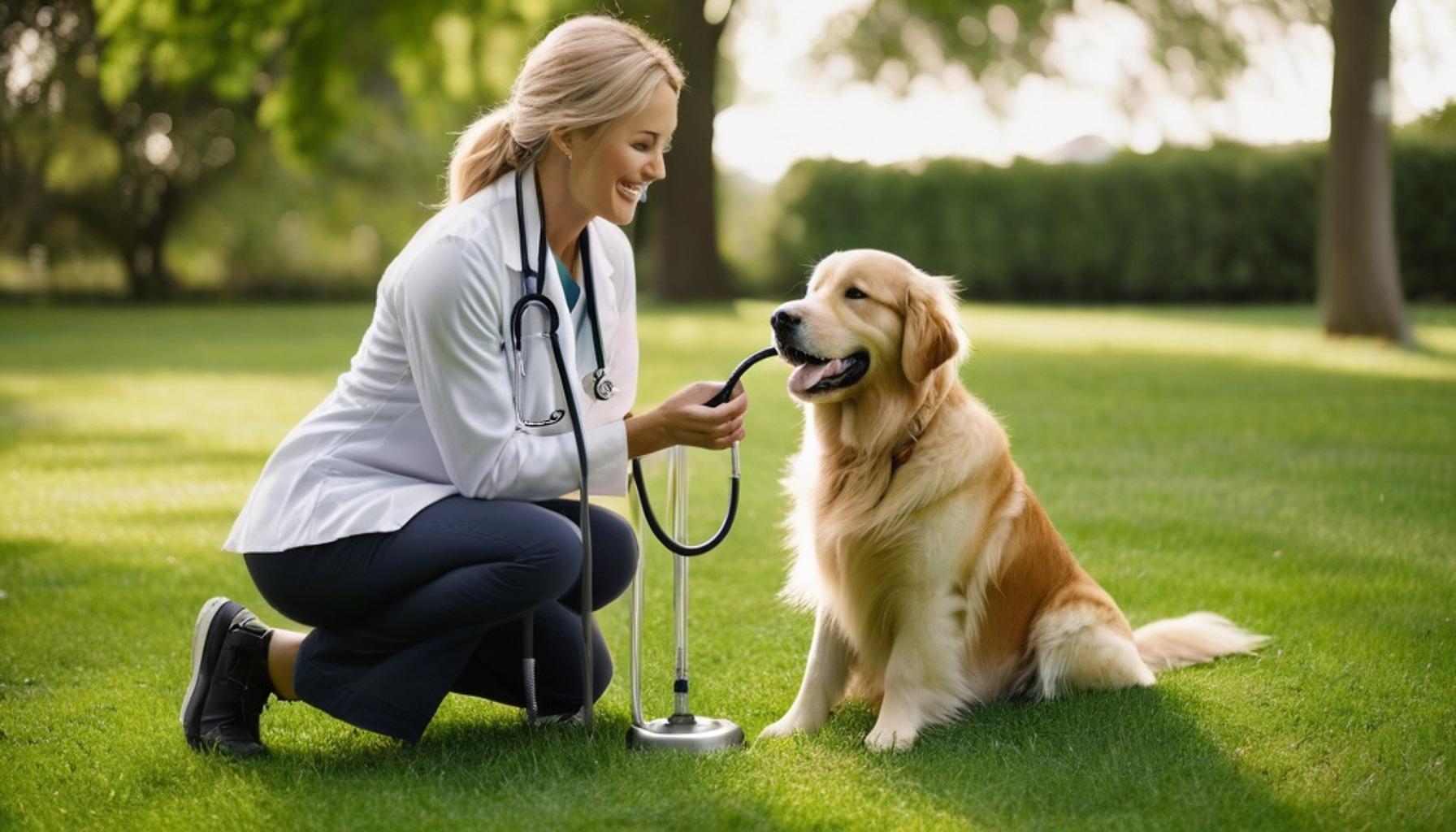
Vital Sign Monitoring in Pets: How to Identify Health Problems Early
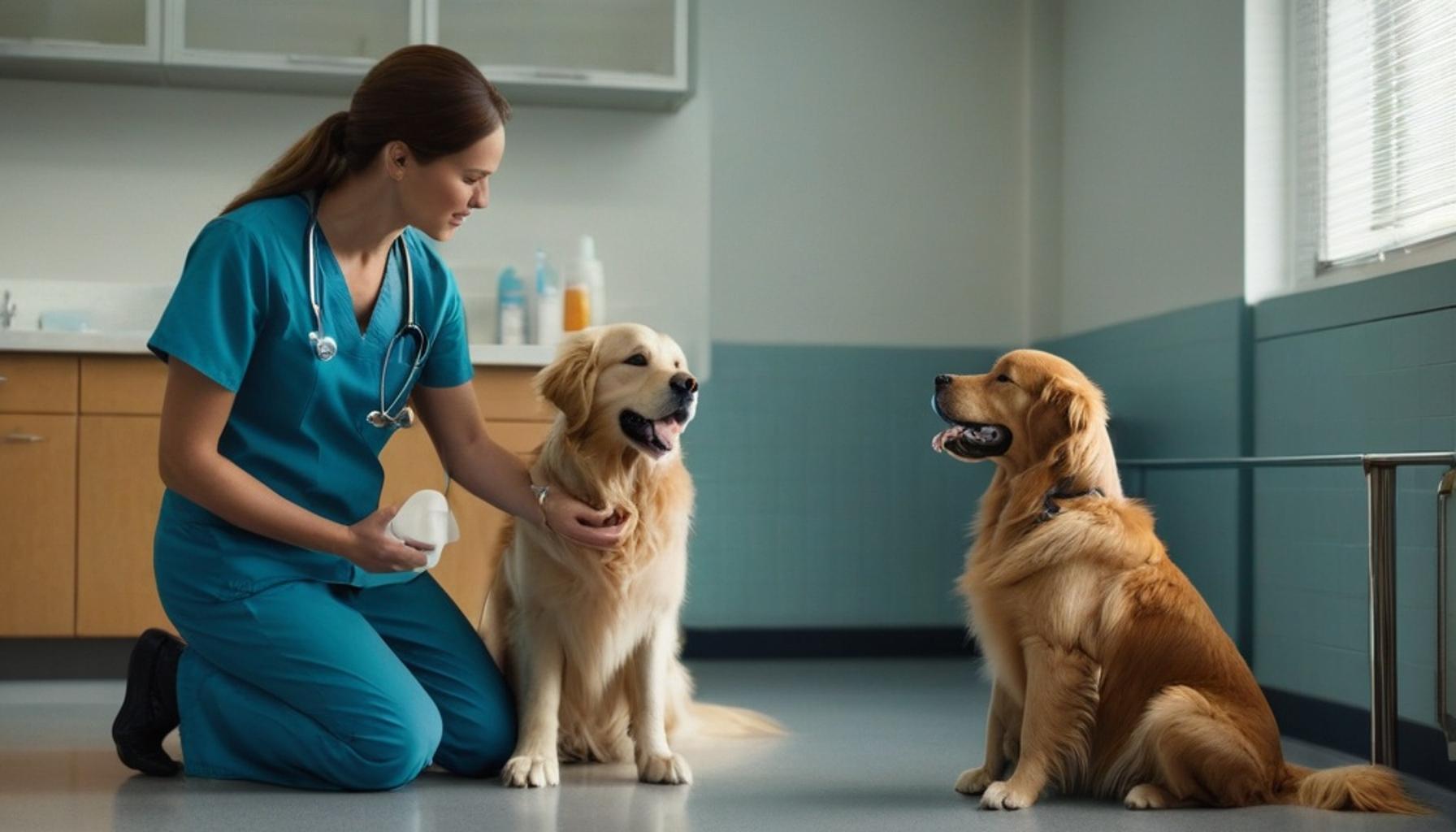
Why Your Pet’s Vital Signs Deserve Daily Attention
A dog panting heavily in the heat of Lagos or a cat hiding under the bed in Abuja might seem like ordinary behavior. But these subtle signals could be the first clues to a developing health crisis.
Vital Sign Monitoring in Pets is one of the most overlooked yet powerful tools pet owners have. It transforms guesswork into actionable insight, giving you a fighting chance against illnesses that often creep in unnoticed until it’s too late.
The Silent Nature of Pet Illness
Unlike humans, animals cannot verbally express discomfort. They mask pain instinctively, a survival trait inherited from their wild ancestors who could not afford to appear weak in front of predators or rivals.
This makes pet health monitoring not just useful, but essential. By the time visible symptoms appear, an illness may have already progressed significantly, sometimes to a point where treatment becomes more complicated and expensive.
- Heart rate fluctuations signaling cardiac stress
- Irregular breathing patterns indicating respiratory issues
- Temperature changes pointing to infection or inflammation
- Gum color shifts revealing circulation problems
Consider a scenario common in many Nigerian households: a normally playful puppy suddenly becomes lethargic during the rainy season. Owners often attribute this to weather changes, yet it could indicate an underlying infection that a quick temperature check might have flagged days earlier.
What This Article Will Uncover
Understanding how to check pet vital signs at home requires no medical degree, just consistency and the right knowledge. This guide breaks down each indicator step by step, using practical methods that fit into a busy Nigerian household’s daily routine.
From recognizing early signs of pet illness to knowing when a simple observation should trigger a veterinary visit, every detail matters. Nigerian pet owners face unique challenges, including limited access to emergency veterinary care in certain regions, unpredictable power supply affecting refrigerated medications, and long travel distances to reach qualified clinics in rural areas.
The importance of monitoring pet health cannot be overstated when swift action can mean the difference between a quick recovery and a costly emergency. A five-minute daily check could save both your pet’s life and thousands of naira in emergency treatment costs. Let’s explore the key pet health indicators every owner should track, and why paying attention today could prevent a crisis tomorrow.
LEARN MORE: The Importance of Health Monitoring in Pets: Tips for Owners
The Four Core Vital Signs Every Pet Owner Must Know
Before diving into checklists and thermometers, it helps to understand exactly what qualifies as a vital sign in animals. Veterinarians worldwide, including those practicing in cities like Ibadan and Port Harcourt, rely on four fundamental measurements to assess an animal’s baseline health.
Vital Sign Monitoring in Pets centers around these four pillars: heart rate, respiratory rate, body temperature, and gum color combined with capillary refill time. Each one tells a different part of the story, and together they paint a complete picture of internal wellness.
Heart Rate: The Rhythm of Life
A healthy dog’s heart typically beats between 60 and 140 times per minute, depending on breed and size. Smaller breeds like the Shih Tzu often run faster, while larger breeds such as the Boerboel, a favorite among many Nigerian households for security purposes, tend to have slower, steadier rhythms.
Cats generally sit higher, with a normal range of 140 to 220 beats per minute. Checking this requires nothing more than a hand placed gently against the chest, just behind the front leg, counting beats for fifteen seconds and multiplying by four.
Respiratory Rate: Breathing as a Diagnostic Tool
Watching the rise and fall of a resting pet’s chest reveals more than most owners realize. Dogs typically breathe between 10 and 30 times per minute when relaxed, while cats fall within a similar range of 20 to 30 breaths.
Panting after play in Lagos heat is normal. Panting while resting indoors under a fan, however, is not, and this distinction often separates early signs of pet illness from harmless behavior.
Temperature and Gum Color: The Hidden Indicators
Normal body temperature in both cats and dogs ranges from 37.5°C to 39.2°C, slightly warmer than human body temperature. Anything above or below this range for an extended period warrants attention.
Gum color, often ignored, offers a quick window into circulation and oxygen levels. Healthy gums appear pink and moist. Pale, blue, or yellow-tinted gums signal problems ranging from anemia to liver distress.
Tracking these four indicators consistently builds a foundation for effective pet health monitoring. The following list summarizes what to watch for during a basic at-home check:
- Resting heart rate measured at the same time each day for accuracy
- Breathing pattern observed during sleep, when rates are most stable
- Body temperature checked weekly, or daily during suspected illness
- Gum color and moisture inspected briefly during feeding time
These small, consistent habits form the backbone of understanding how to check pet vital signs without needing specialized equipment or veterinary training.
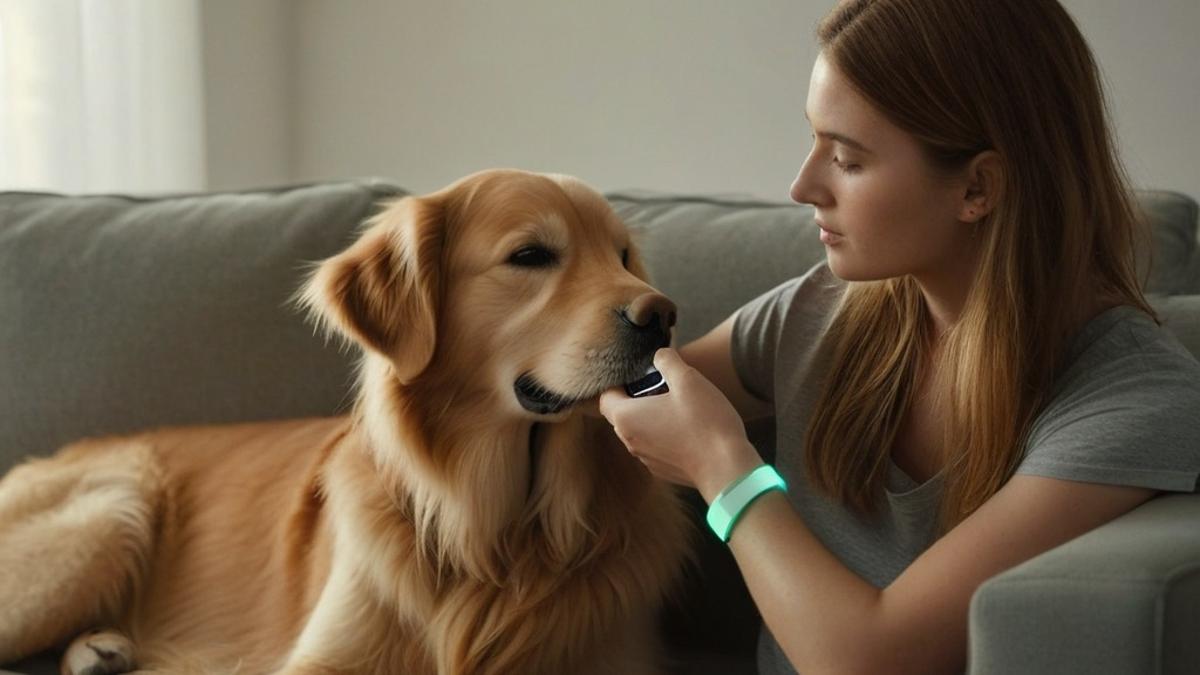
SEE ALSO: Warning Signs: How to Detect Health Problems in Your Pet Through Daily Observation
Recognizing Warning Signs Before They Escalate
Numbers alone do not tell the full story. What happens between the measurements, the subtle shifts in behavior, often reveals more than a single reading ever could. This is where pet health monitoring transitions from a numbers game into genuine observation.
A dog that suddenly refuses akara or its favorite treat, a cat that hides under furniture for days instead of hours, these are behavioral clues that deserve the same attention as a thermometer reading. Nigerian pet owners, particularly those managing multiple animals in compounds across Abuja or Enugu, often notice these shifts first simply because they spend the most time observing daily routines.
The Overlooked Value of Weight and Hydration
Beyond the four core vitals, weight fluctuation serves as a quiet but powerful indicator. A loss of five percent body weight within a month, even in a seemingly active pet, often signals underlying issues such as parasites, dental pain, or metabolic disorders common in the humid climates found across southern Nigeria.
Hydration status matters equally. Gently pinching the skin at the scruff and watching how quickly it returns to place offers a rough but useful hydration test. Skin that stays tented for more than two seconds suggests dehydration, a frequent concern during the dry, dusty harmattan season when pets drink less water than usual.
Why Early Detection Changes Outcomes
The importance of monitoring pet health becomes most apparent when comparing treatment costs and survival rates between early and late diagnosis. Conditions like kidney disease, heartworm infection, or early-stage tick fever respond dramatically better when caught within the first few days of symptom onset.
Veterinary clinics in Lagos have reported that pets brought in during the initial 48 hours of abnormal vital signs typically require shorter, less invasive treatment compared to those presented a week or more after symptoms began. This gap often determines whether a condition remains manageable or becomes a medical emergency.
Owners aiming to sharpen their observation skills should watch for these often-missed pet health indicators:
- Sudden reluctance to climb stairs or jump onto furniture
- Changes in urination frequency or unusual straining
- Excessive licking of a single body area, which may indicate hidden pain
- Noticeable changes in vocalization, such as increased whining or unusual silence
- Coat texture turning dull, brittle, or patchy within a short period
Combining these behavioral cues with routine vital sign checks builds a monitoring system far more reliable than relying on any single method alone. This layered approach reflects exactly how professional veterinarians assess patients, only here, it happens daily, right at home, long before a clinic visit becomes necessary.
Building a Habit That Protects Your Pet’s Future
Vital Sign Monitoring in Pets is not a one-time task reserved for emergencies. It is a habit, one that transforms anxious guesswork into informed action. Across Nigerian households, from Kano to Port Harcourt, owners who check temperature, heart rate, respiration, and gum color regularly are catching problems weeks before symptoms become visible to the untrained eye.
This article has walked through the practical side of how to check pet vital signs, the behavioral cues that complement those numbers, and why acting within the first 48 hours of noticing something unusual can mean the difference between a simple treatment and a prolonged illness.
Turning Knowledge Into Daily Practice
Understanding early signs of pet illness only matters if it leads to consistent action. Set a simple weekly routine, weigh your pet, check gum color, observe eating habits, and note anything that feels slightly off. These small checks, done consistently, often outperform occasional expensive diagnostic visits.
Consider keeping a basic health journal, even a notebook by the door works. Recording temperature readings alongside behavioral notes creates a pattern over time, one that any veterinarian will find useful when something eventually needs professional attention.
A Final Thought on the Importance of Monitoring Pet Health
The importance of monitoring pet health extends beyond individual animals. It reflects a broader shift in how Nigerian pet owners are approaching companionship, moving from reactive care toward proactive attention. As access to veterinary resources continues to grow across urban and rural areas alike, the owners who monitor consistently will be the ones best equipped to act quickly, ask the right questions, and ultimately give their animals longer, healthier lives.
Paying attention today prevents crises tomorrow, and that principle alone makes vigilant monitoring worth the small daily effort.

Linda Carter
Linda Carter is a writer and pet care expert specializing in pet health, grooming, and wellness. With extensive experience helping pet owners create safe, loving, and enriching environments for their animals, Linda shares her knowledge on our platform. Her goal is to empower readers with practical advice and strategies to ensure their pets thrive and lead joyful, healthy lives.