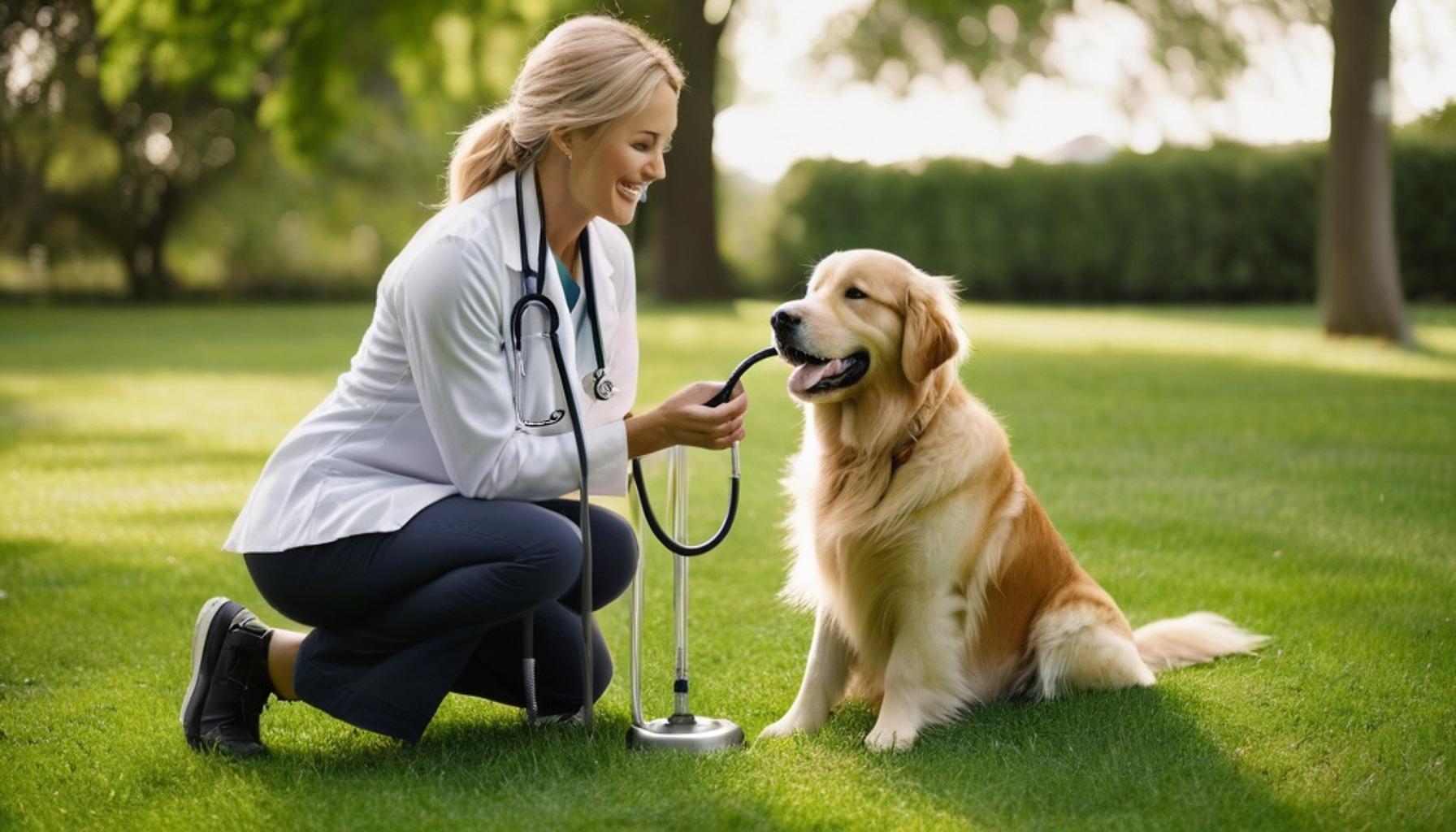
Wearable Technology: How Health Monitoring Devices Can Improve Your Pet’s Well-Being

A New Era of Pet Care in Nigeria
From bustling homes in Lagos to quiet compounds in Kano, pet owners across Nigeria are rethinking how they care for their furry companions. Health monitoring devices for pets are no longer a luxury reserved for foreign celebrities; they are becoming practical tools for everyday pet parents who want more than just guesswork when it comes to their animal’s wellbeing.
Imagine knowing your dog’s heart rate spiked during a walk under the Abuja sun, or that your cat’s activity levels dropped overnight while you slept. This is the promise of wearable technology for pets, a growing category of gadgets that is quietly reshaping how Nigerians relate to their animals, from the family dog guarding the compound to the pampered cat lounging indoors.
Why This Trend Matters Now
Veterinary visits in Nigeria can be costly and infrequent, especially outside major cities where access to trained vets remains limited. This makes early detection of health issues challenging, often leaving owners to notice problems only when symptoms become severe. Pet health monitoring devices bridge this gap by providing real-time data, right from your smartphone, allowing you to act before a small issue becomes an expensive emergency.
Consider a scenario common in many Nigerian households: a dog that suddenly stops eating or a cat that hides more than usual. Without constant supervision, these subtle changes can go unnoticed for days. With the right device strapped to your pet, such warning signs are flagged almost immediately.
- Tracking heart rate, temperature, and sleep patterns
- Detecting unusual behavior linked to illness or stress
- Monitoring activity levels to prevent obesity, a growing concern among urban pets fed on processed treats
- Sending GPS alerts if your pet wanders off, a common concern in busy urban areas like Lagos and Port Harcourt where traffic and crowds pose real dangers
Smart Collars Leading the Charge
Smart collars for dogs are among the most popular devices, combining GPS tracking with vital health metrics in a single, lightweight accessory. These gadgets are transforming how Nigerian pet owners approach daily care and long-term wellness, offering peace of mind whether the dog is roaming a large compound in Ibadan or accompanying its owner on evening walks in Abuja’s estates.
Some collars even sync with mobile apps, sending push notifications the moment irregular patterns emerge, such as a spike in temperature that could signal infection or fever.
This article explores the benefits of pet wearables, highlighting how pet wellness technology can help you catch health problems early, save on vet bills, and ultimately give your companion a longer, happier life. As more Nigerians embrace this shift, the question becomes not whether these devices are useful, but how soon they will become a standard part of responsible pet ownership nationwide.
LEARN MORE: The Importance of Health Monitoring in Pets: Prevention and Early Detection of Diseases
# Understanding How Pet Wearables Work
At the core of every health monitoring device for pets lies a combination of sensors, similar to those found in human fitness trackers like Fitbit or Apple Watch. These sensors collect biometric data continuously, transmitting it to an app on your phone via Bluetooth or GPS networks, even in areas with moderate connectivity like parts of Enugu or Kaduna.
Unlike a simple collar and leash, wearable technology for pets uses accelerometers to detect movement patterns, infrared sensors to monitor temperature, and optical sensors that estimate heart rate through skin contact. This means the device is not just tracking where your pet goes, but also how their body is functioning throughout the day.
For Nigerian pet owners, this level of insight was previously only available through a physical vet examination, one that might require traveling long distances or paying consultation fees that can range from 5,000 to 15,000 naira per visit, depending on the clinic and location.
Beyond the basic hardware, many of these devices now come embedded with machine learning algorithms that improve their accuracy over time. The longer a wearable stays on your pet, the better it becomes at distinguishing between normal breed-specific behavior and genuine red flags. A Boerboel’s baseline heart rate, for example, differs significantly from that of a smaller breed like a Lhasa Apso, and the software learns to account for this rather than applying a one-size-fits-all standard.
Battery life and durability have also improved considerably, with many models now offering water resistance suitable for Nigeria’s rainy season and charge cycles that last anywhere from five to ten days depending on usage intensity. This makes them practical even for pet owners who may not have consistent access to electricity throughout the day.
Key Metrics These Devices Track
Modern pet health monitoring devices go far beyond step counting. They provide a holistic view of your animal’s daily rhythm, flagging deviations that might otherwise go unnoticed until they become serious.
- Resting and active heart rate, useful for detecting stress or cardiac issues early
- Body temperature fluctuations, which can indicate infection, fever, or heatstroke, a real risk during Nigeria’s dry season
- Sleep duration and quality, helping identify discomfort or pain that disrupts rest
- Calorie expenditure and activity intensity, valuable for pets on weight management plans
- Scratching or licking frequency, often linked to skin allergies or parasite infestations common in humid climates
This data does more than inform; it empowers. A dog owner in Jos, for instance, might notice through the app that their pet’s activity level dropped by 40 percent over three days, prompting a vet visit before symptoms like lethargy become visible to the naked eye.
Some advanced models even generate weekly or monthly health reports, compiling trends into digestible summaries that can be shared directly with a veterinarian. This is particularly useful in cities like Lagos or Abuja, where a busy vet might only have a few minutes per appointment but can review months of data in seconds, leading to a more informed diagnosis than a single physical checkup could provide.
Why Data Beats Guesswork
Traditional pet care in Nigeria has largely relied on observation and instinct. While experienced owners can often sense when something feels off, subtle physiological changes are easy to miss, especially in outdoor dogs or independent cats.
The benefits of pet wearables become clear when you consider how illnesses like tick-borne diseases or heat exhaustion often present with delayed symptoms. By the time a pet shows visible distress, the underlying issue may have progressed significantly.
With continuous monitoring, pet wellness technology shifts the approach from reactive to proactive, giving owners a genuine head start in protecting their animals’ long-term health. As more Nigerian pet owners gain access to affordable wearables, the conversation around animal healthcare may shift entirely, moving away from emergency-driven visits toward a culture of consistent, data-backed wellness tracking that mirrors what many households already practice for their own health.

Key Aspects of Wearable Technology for Pet Health Monitoring
From smart collars for dogs to advanced biometric sensors, health monitoring devices for pets are reshaping how owners track daily wellness. Below is a snapshot of the core features driving this shift in pet wellness technology.
| Category | Key Features & Benefits |
|---|---|
| Activity Tracking | Monitors steps, calories burned, and sleep cycles, helping detect lethargy early. |
| Vital Sign Monitoring | Tracks heart rate, respiration, and temperature for early disease detection. |
| GPS & Geofencing | Provides real-time location alerts, reducing risk of lost pets. |
| Data Analytics | Generates trend reports, a key benefit of pet wearables for chronic condition management. |
LEARN MORE: The Importance of Health Monitoring in Pets: Technologies and Practices for Daily Well-Being
Choosing the Right Device for Nigerian Climates and Lifestyles
Not every gadget marketed as a pet tracker will hold up under Nigeria’s heat, dust, and unpredictable power supply. Choosing wisely means looking beyond flashy marketing and focusing on features that genuinely matter for local conditions. A device built for temperate European weather may simply melt, malfunction, or lose signal accuracy once exposed to the harmattan season or the humidity of the Niger Delta.
Smart collars for dogs have become the most popular entry point for Nigerian pet owners, largely because they double as GPS trackers and biometric monitors in one compact unit. This is particularly valuable in cities like Port Harcourt or Ibadan, where dogs kept for security purposes often roam large compounds and can slip through gates unnoticed. In Abuja’s fast-growing suburbs, where compound walls sometimes border undeveloped land, this feature has reportedly helped owners recover pets within hours instead of days.
Features Worth Prioritizing
When comparing health monitoring devices for pets, certain specifications separate reliable tools from disappointing purchases.
- IP67 or higher water resistance rating, essential during heavy rainfall in states like Rivers or Cross River
- Solar-assisted charging options, which reduce dependence on unstable electricity grids
- Offline data storage that syncs once connectivity returns, useful in rural or semi-urban areas
- Adjustable strap sizing, since many devices are designed with Western breed proportions in mind rather than local mixed breeds
- Local or regional customer support, since warranty claims through international sellers can take weeks to resolve
Price remains a significant factor. Entry-level wearables can cost between 20,000 and 45,000 naira, while premium models with advanced health analytics can exceed 100,000 naira. For many households, this investment is compared against veterinary costs, and the long-term savings often justify the upfront expense. A single emergency clinic visit for dehydration or heatstroke, common during Nigeria’s dry season, can easily cost more than a mid-range tracker, making prevention through early detection an appealing trade-off.
Buyers should also weigh battery life honestly rather than trusting manufacturer claims outright. Devices advertised with a week-long charge often perform closer to three or four days once GPS tracking runs continuously, a detail that matters enormously in areas where charging opportunities are inconsistent.
Compatibility with Multiple Pets
Households with more than one animal face a practical question: does the app support multi-pet profiles? Most quality pet health monitoring devices allow owners to track several animals simultaneously, each with individualized baselines.
This matters for compound owners in Nigeria who might keep two or three dogs for security alongside a cat or two indoors. A single app dashboard showing every animal’s vitals side by side eliminates the need for separate subscriptions or juggling multiple accounts. For extended families sharing compound space, this centralized view has also become a talking point during weekend gatherings, sparking curiosity among neighbors who had never considered such technology for animals.
Real-World Adoption Signals
Veterinary clinics in Lagos have started reporting increased client interest in wearable-generated data during consultations. Some clinics now request that owners bring printed or digital summaries from their apps before scheduled visits, streamlining diagnosis.
This growing acceptance suggests that wearable technology for pets is transitioning from a novelty for tech enthusiasts into a mainstream tool recognized by animal health professionals. As adoption spreads beyond major cities into secondary towns, the broader pet wellness technology market in Nigeria appears positioned for steady, sustained growth rather than a passing trend, inviting curious owners to explore what these devices might reveal about the animals they thought they already knew well.
CHECK OUT: Warning Signs: What to Watch for in Your Pet’s Health Day to Day
The Future of Pet Care Is Already on Nigerian Wrists—And Paws
The shift toward health monitoring devices for pets in Nigeria reflects something larger than a passing gadget trend. It signals a change in how owners across Lagos, Abuja, Kano, and beyond are choosing to relate to the animals sharing their homes and compounds. What began as security-driven GPS tracking has quietly expanded into genuine wellness monitoring, catching early warning signs that owners might otherwise miss until a crisis forces a clinic visit.
Throughout this discussion, the practical benefits of pet wearables have become clear: early detection of heat stress, better management of chronic conditions, real-time location safety, and data that veterinarians can actually use during consultations. These are not abstract conveniences. They translate into fewer emergency bills, faster recoveries, and pets that live more comfortably within Nigeria’s demanding climate.
Choosing the right device still requires discernment. Durability against harmattan dust, reliable battery performance, and local support matter just as much as flashy app interfaces. Owners who prioritize these practical features over marketing claims tend to get far more value from their investment.
Looking ahead, pet wellness technology in Nigeria seems poised to move from a niche interest among tech-savvy urban owners into a broader, more familiar part of everyday pet ownership. As veterinary clinics increasingly welcome wearable-generated data and prices gradually become more accessible, the barrier to entry keeps shrinking.
For any owner still undecided, the question worth asking is simple: what might a few weeks of consistent health data reveal about a pet’s habits, stress levels, or hidden discomfort? Given how much smart collars for dogs and similar devices have already changed outcomes for early adopters, the answer could be more revealing than expected—and worth the modest cost of finding out.
Frequently Asked Questions
Are health monitoring devices for pets worth buying in Nigeria given the cost and internet reliability issues?
Yes, many modern pet wearables now work with offline data storage that syncs once you have a stable connection, so occasional network issues in Nigeria won’t stop data collection. While the upfront cost can be high, the long-term savings on vet bills from early disease detection often make it a worthwhile investment. Look for devices with long battery life and local app support to get the best value for your money.
What specific health metrics can these devices track for dogs and cats kept in hot Nigerian climates?
Most health monitoring devices for pets track heart rate, activity levels, sleep patterns, and body temperature, which is especially useful for spotting heatstroke risk in Nigeria’s hot weather. Some advanced models also monitor respiratory rate and calorie burn, helping you adjust exercise and hydration routines accordingly. This real-time data helps you catch signs of heat-related distress before they become emergencies.
Can I use a pet health monitoring device to track my dog if it goes missing in a busy Nigerian city?
Yes, many health monitoring devices for pets include GPS tracking features that let you pinpoint your dog’s exact location through a smartphone app, which is very useful in crowded areas like Lagos or Abuja. Some models also send alerts when your pet leaves a set safe zone around your home or compound. This combination of health data and location tracking gives extra peace of mind for pet owners in busy urban environments.
Where can pet owners in Nigeria buy reliable health monitoring devices and get them serviced?
You can find health monitoring devices for pets through online marketplaces like Jumia and Konga, as well as through specialized pet stores in major cities such as Lagos, Abuja, and Port Harcourt. It’s best to buy from sellers who offer warranties and have local customer support, since servicing or replacing a faulty device can be difficult with international-only sellers. Always check reviews from other Nigerian buyers to confirm the device works well with local network providers.

Linda Carter
Linda Carter is a writer and pet care expert specializing in pet health, grooming, and wellness. With extensive experience helping pet owners create safe, loving, and enriching environments for their animals, Linda shares her knowledge on our platform. Her goal is to empower readers with practical advice and strategies to ensure their pets thrive and lead joyful, healthy lives.