The Importance of Health Monitoring in Pets: Technologies and Practices for Daily Well-Being
Why Every Wagging Tail Deserves a Second Look
From the busy streets of Lagos to the quiet compounds of Enugu, more Nigerian households are welcoming dogs, cats, and even rabbits into their homes. But owning a pet goes beyond feeding and play; it demands consistent attention to health. Health monitoring in pets has quietly become one of the most talked-about aspects of responsible pet ownership today, especially as more families treat their animals as genuine members of the household rather than mere property.
Veterinary experts estimate that early detection of illness can improve treatment success rates by over 60%. Yet many pet owners still wait until symptoms become severe before seeking help, often due to limited access to veterinary clinics or the mistaken belief that pets will simply “get better on their own.” This is where pet health technology is changing the game, offering ordinary owners tools once reserved for high-end veterinary practices.
What This Article Will Explore
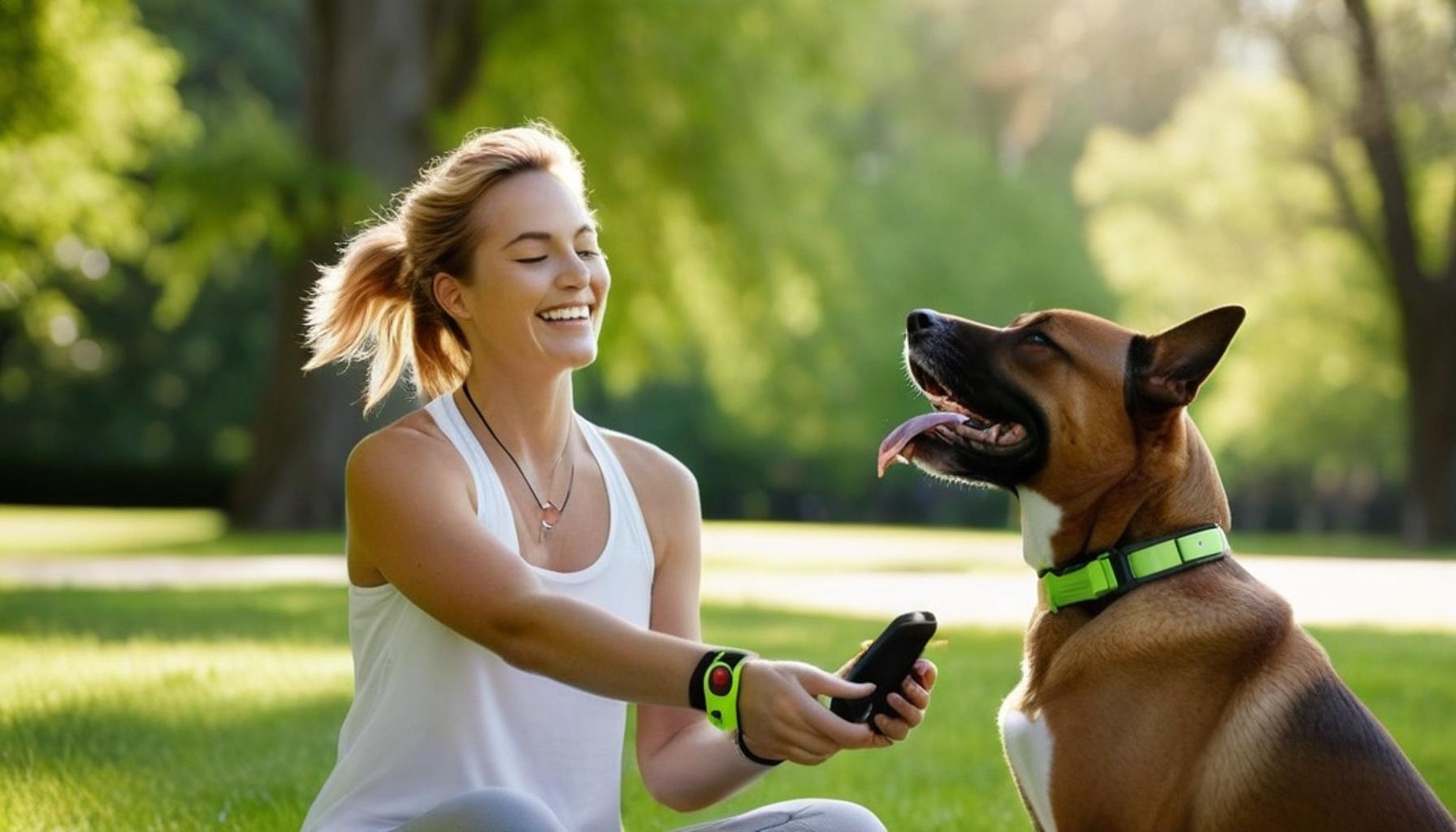
Gone are the days when a pet’s well-being relied solely on guesswork or occasional vet visits. Today, smart pet health devices like wearable trackers, smart feeders, and mobile health apps are giving owners real-time insight into their animals’ condition, even in areas where veterinary services remain scarce or expensive to access regularly.
- How wearable sensors track heart rate, activity, and sleep patterns
- The role of mobile apps in monitoring pet wellness remotely
- Simple daily pet care practices that prevent costly emergencies
- Why the importance of pet health checks cannot be overstated, even for indoor pets
This piece breaks down practical tools and habits Nigerian pet owners can adopt immediately, without necessarily breaking the bank. Whether you own a Caucasian Shepherd guarding your compound in Kaduna or a Persian cat lounging indoors in Victoria Island, understanding these technologies could mean the difference between early intervention and a preventable tragedy.
Consider a scenario familiar to many households: a normally playful dog suddenly becomes withdrawn, refusing food for a day or two. Without proper monitoring tools, this could easily be dismissed as stubbornness or a passing mood. With a wearable tracker or a simple daily observation routine, however, subtle changes in activity levels or heart rate could raise an early alarm, prompting a timely visit to the vet before the situation worsens.
As pet ownership continues to grow across Nigerian cities and towns, the conversation around pet health technology is no longer a luxury topic reserved for wealthy nations. It is becoming an essential part of everyday pet care, one that every dog owner, cat lover, or rabbit keeper should pay closer attention to before it is too late.
ADDITIONAL INSIGHTS: Expand your understanding here
# The Rise of Smart Devices in Everyday Pet CareWalk through any veterinary clinic in Ikeja or Port Harcourt today, and you will likely spot something unusual clipped to a dog’s collar or embedded in a cat’s harness. These small gadgets represent a quiet revolution in health monitoring in pets, one that is steadily reshaping how Nigerian households approach animal care.Wearable sensors, once considered a novelty for pampered pets abroad, are now finding their way into local markets. These devices track vital signs such as heart rate, body temperature, and movement patterns, sending real-time data straight to an owner’s smartphone. For a working professional in Abuja who cannot always be present to observe their pet throughout the day, this technology closes an important gap.
How Wearable Trackers Actually Work
Most smart pet health devices function similarly to fitness trackers designed for humans. They rely on motion sensors, optical heart rate monitors, and sometimes GPS modules to build a complete picture of an animal’s daily activity.
- Accelerometers detect unusual lethargy or hyperactivity that may signal illness
- Temperature sensors flag fever before visible symptoms appear
- Sleep pattern tracking reveals disruptions linked to pain or anxiety
- GPS features help locate pets that wander off in busier neighborhoods
Manufacturers claim some of these devices can detect irregularities up to 48 hours before an owner would normally notice anything wrong. That window matters considerably, especially for conditions like heatstroke, which remains a genuine risk given Nigeria’s tropical climate and the long hours many pets spend outdoors.
Mobile Apps Bringing Veterinary Insight Closer
Beyond wearables, mobile applications have become central to monitoring pet wellness without constant clinic visits. Several apps now allow owners to log feeding schedules, track weight changes, and even consult with veterinarians remotely through chat or video calls.This matters greatly in regions where veterinary professionals are unevenly distributed. A pet owner in a smaller town in Ogun State, far from a fully equipped animal hospital, can still receive preliminary guidance through these digital platforms before deciding whether an in-person visit is necessary.Some apps also incorporate reminder systems for vaccinations and deworming schedules, addressing a common gap in daily pet care practices across many households. Missing a single vaccination date might seem minor, but it can leave pets vulnerable to preventable diseases that circulate more aggressively in warmer climates.The convenience these tools offer does not eliminate the need for professional veterinary judgment. Rather, they serve as an early warning system, bridging the gap between casual observation and clinical diagnosis, and reinforcing why the importance of pet health checks extends well beyond occasional clinic appointments.
Key Aspects of Health Monitoring in Pets: A Quick Overview
Before diving deeper into health monitoring in pets, this table summarizes the core technologies and daily practices shaping monitoring pet wellness today. Each row highlights a specific benefit, giving pet owners a quick reference to understand how pet health technology and consistent routines work together to detect issues early and support longevity.
| Category | Impact on Pet Well-Being |
|---|---|
| Smart Wearables | Smart pet health devices track heart rate, activity, and sleep patterns in real time. |
| Routine Vet Screenings | Highlights the importance of pet health checks for early disease detection. |
| Diet & Hydration Tracking | Apps log food intake, flagging sudden appetite changes linked to illness. |
| Telehealth Consultations | Remote vet access supports daily pet care practices without clinic delays. |
| Behavioral Monitoring | Sensors detect anxiety or lethargy, prompting timely veterinary intervention. |
CHECK OUT: Click here to explore more
# Preventive Practices That Complement Modern Technology
Gadgets and apps tell only part of the story. The other half rests firmly in the hands of the pet owner, through consistent, deliberate routines that no sensor can fully replace. Daily pet care practices built on observation remain the backbone of good animal health, even in an age of smart collars and Bluetooth-enabled feeders.
Veterinarians across Lagos and Kano frequently point to a simple truth: technology flags problems, but humans still interpret them. A responsible owner who checks their dog’s gums, coat texture, and appetite each morning often catches issues that a device might register as mere “unusual activity.” This human element, patient and attentive, cannot be outsourced entirely to circuitry, no matter how sophisticated the algorithm behind it.
Building a Consistent Home Monitoring Routine
Establishing a habit does not require elaborate equipment. Several low-cost, low-effort checks can be woven into an owner’s morning or evening schedule, turning what might feel like a chore into a natural part of daily life with the animal.
- Examining the eyes, ears, and nose for discharge or unusual odor
- Feeling the abdomen gently for swelling or tenderness
- Observing water intake, since sudden increases can signal kidney or metabolic concerns
- Checking paw pads, particularly relevant during Nigeria’s dry harmattan season when cracking is common
- Weighing pets monthly using a simple bathroom scale technique
These small acts, repeated consistently, form the foundation of effective health monitoring in pets. They cost nothing beyond a few minutes of attention, yet they often reveal warning signs weeks before a formal diagnosis would occur. Many pet owners in Abuja and Port Harcourt have reported catching skin infections or early signs of dehydration simply by paying closer attention during routine grooming sessions, long before any app notification would have raised an alarm.
Nutrition Tracking as an Overlooked Pillar
Diet monitoring deserves far more attention than it typically receives in Nigerian households. Many owners feed pets based on habit rather than nutritional need, unaware that overfeeding contributes significantly to obesity-related conditions like joint strain and diabetes. Leftover rice, bones, and table scraps, while common practice, often lack the balanced nutrients a growing or aging animal requires.
Some pet health technology platforms now include portion calculators tailored to breed, age, and activity level. Pairing this data with a physical logbook, even a simple notebook by the food bowl, creates accountability that digital tools alone cannot enforce. This combination of digital precision and manual discipline often yields better long-term results than either method used in isolation.
Why Local Climate Demands Extra Vigilance
Nigeria’s heat and humidity introduce risks that owners in temperate countries rarely consider. Ticks and fleas thrive year-round rather than seasonally, making regular skin checks non-negotiable rather than optional. Owners near coastal regions like Lagos face additional humidity-related fungal risks that inland states may not encounter as frequently.
Rabies also remains a genuine concern in several states, reinforcing why the importance of pet health checks cannot be overstated. The World Health Organization estimates that dog-mediated rabies causes tens of thousands of deaths annually across Africa, a statistic that underscores why vaccination monitoring, whether tracked through an app or a physical card, deserves serious priority within any household’s monitoring pet wellness strategy. Ignoring this reality, even amid busy urban schedules, carries consequences that extend well beyond the animal itself.
SEE ALSO: Click here to read another article
Bringing Technology and Tradition Together for Healthier Pets
The story of health monitoring in pets across Nigeria is really a story about balance. Smart collars, activity trackers, and diagnostic apps offer precision that previous generations of pet owners never had access to. Yet none of these tools replace the quiet, attentive routines that families in Enugu, Ibadan, or Jos have practiced for years, simply by watching their animals closely each day.
What emerges from combining both approaches is a fuller picture of an animal’s well-being. Pet health technology catches patterns humans might miss, while human observation catches nuance that sensors cannot yet interpret. Neither stands complete without the other, and owners who treat them as complementary rather than competing tend to see the best outcomes for their animals.
A Practical Path Forward
For Nigerian pet owners weighing where to start, the answer need not be expensive or complicated. Begin with consistent daily observation, then layer in affordable digital tools as budget allows.
- Start a simple logbook tracking weight, appetite, and behavior
- Introduce one smart pet health device at a time rather than overhauling routines overnight
- Schedule vaccination and deworming reminders around known regional risks
- Treat grooming sessions as informal health checks, not just cosmetic care
Ultimately, the importance of pet health checks lies not in choosing between old habits and new gadgets, but in weaving them together thoughtfully. As monitoring pet wellness becomes more accessible across Nigerian households, the animals benefiting most will belong to owners who stayed curious, stayed consistent, and never assumed technology alone could do the watching for them.
Frequently Asked Questions
Why is health monitoring in pets important for dog and cat owners in Nigeria?
Health monitoring in pets helps Nigerian owners catch diseases like tick fever, parvovirus, or heat stress early, before they become life-threatening. Given the limited number of veterinary clinics in many Nigerian towns, tracking your pet’s vital signs at home can save travel time and money. It also helps you notice subtle changes caused by Nigeria’s hot climate, such as dehydration or heat exhaustion.
What affordable pet health monitoring tools are available for pet owners in Nigeria?
Basic tools like digital pet thermometers, wearable activity trackers, and smartphone apps that log weight, appetite, and behavior are increasingly accessible in Nigerian pet stores and online marketplaces like Jumia. Some imported smart collars with GPS and heart-rate sensors are also available, though pricier due to import costs. Even simple daily logs of eating, drinking, and bathroom habits can be an effective low-cost monitoring method.
How can I tell if my pet is showing early signs of illness in a tropical climate like Nigeria’s?
Watch for reduced appetite, lethargy, excessive panting, vomiting, or changes in stool consistency, which can indicate infections common in tropical climates such as babesiosis or heatstroke. Regularly checking your pet’s gums, coat condition, and temperature can help detect problems early. If you notice ticks, fleas, or unusual skin lesions, this often signals underlying health issues needing prompt attention.
Are wearable devices for pets practical for tracking health in hot and humid Nigerian weather?
Yes, wearable devices that monitor temperature, activity levels, and heart rate can be especially useful in Nigeria’s humid climate, helping owners detect heat stress before it becomes severe. However, it’s important to choose devices with good battery life and water resistance since humidity and dust can affect electronics. Always pair wearable data with regular physical checks, since not all devices are calibrated for tropical conditions.
How often should I schedule veterinary checkups for effective health monitoring in pets in Nigeria?
Ideally, pets should see a veterinarian at least twice a year, even if they appear healthy, to screen for parasites, vaccinations, and organ function. In areas with high exposure to ticks and mosquitoes, more frequent checks every three to four months may be necessary. Combining professional checkups with daily home monitoring gives the most complete picture of your pet’s well-being.
Can daily health monitoring in pets help prevent common diseases found in Nigerian dogs and cats?
Yes, daily monitoring of eating habits, energy levels, and coat condition can help you spot early symptoms of common local diseases like ehrlichiosis, rabies exposure, or intestinal worms. Consistent tracking allows for quicker veterinary intervention, which is critical given the prevalence of tick-borne illnesses in Nigeria. This proactive approach ultimately reduces treatment costs and improves your pet’s chances of full recovery.

Linda Carter
Linda Carter is a writer and pet care expert specializing in pet health, grooming, and wellness. With extensive experience helping pet owners create safe, loving, and enriching environments for their animals, Linda shares her knowledge on our platform. Her goal is to empower readers with practical advice and strategies to ensure their pets thrive and lead joyful, healthy lives.