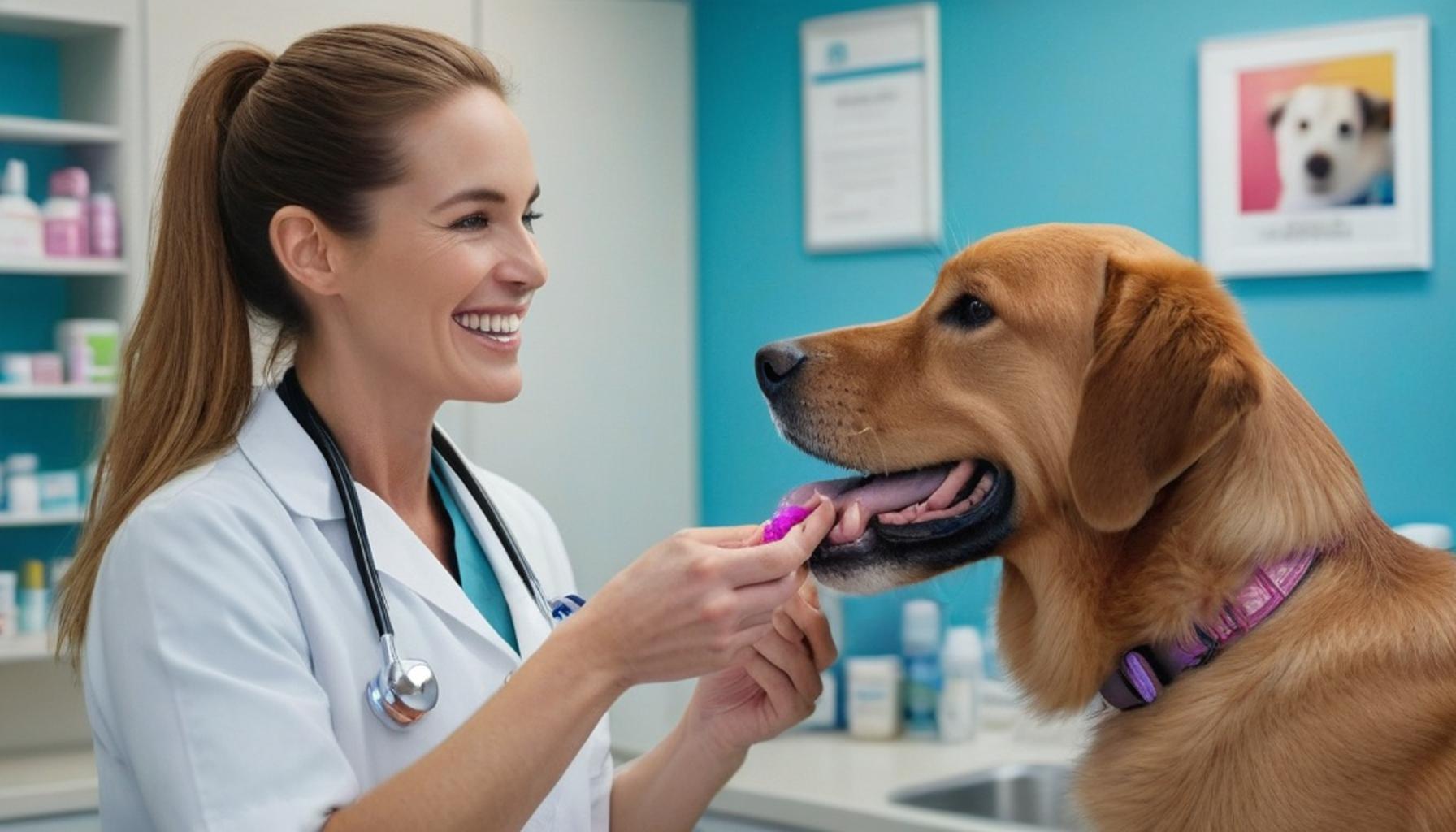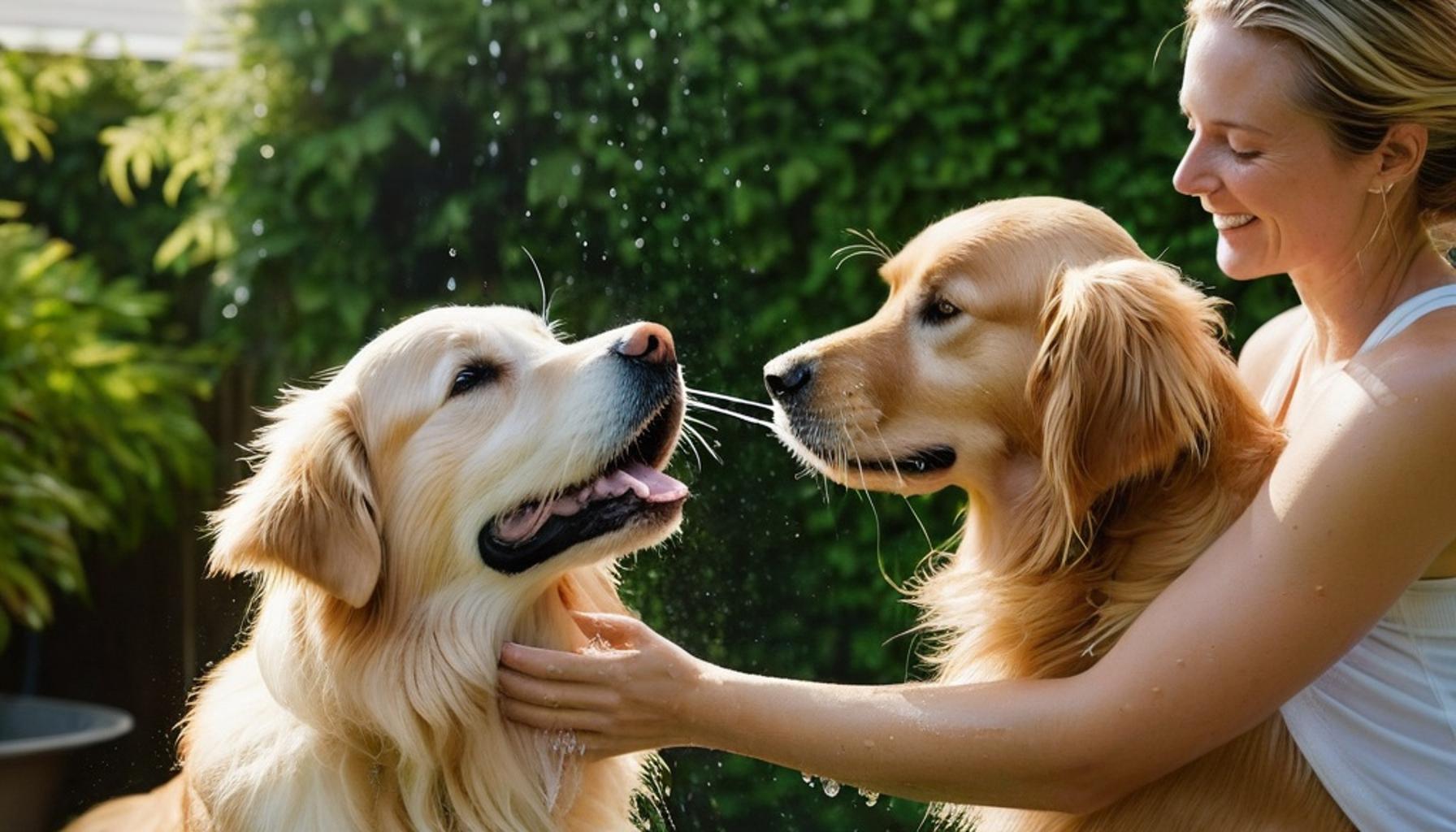
Bathing Practices and Skin Care: How to Keep Your Pet Clean and Healthy
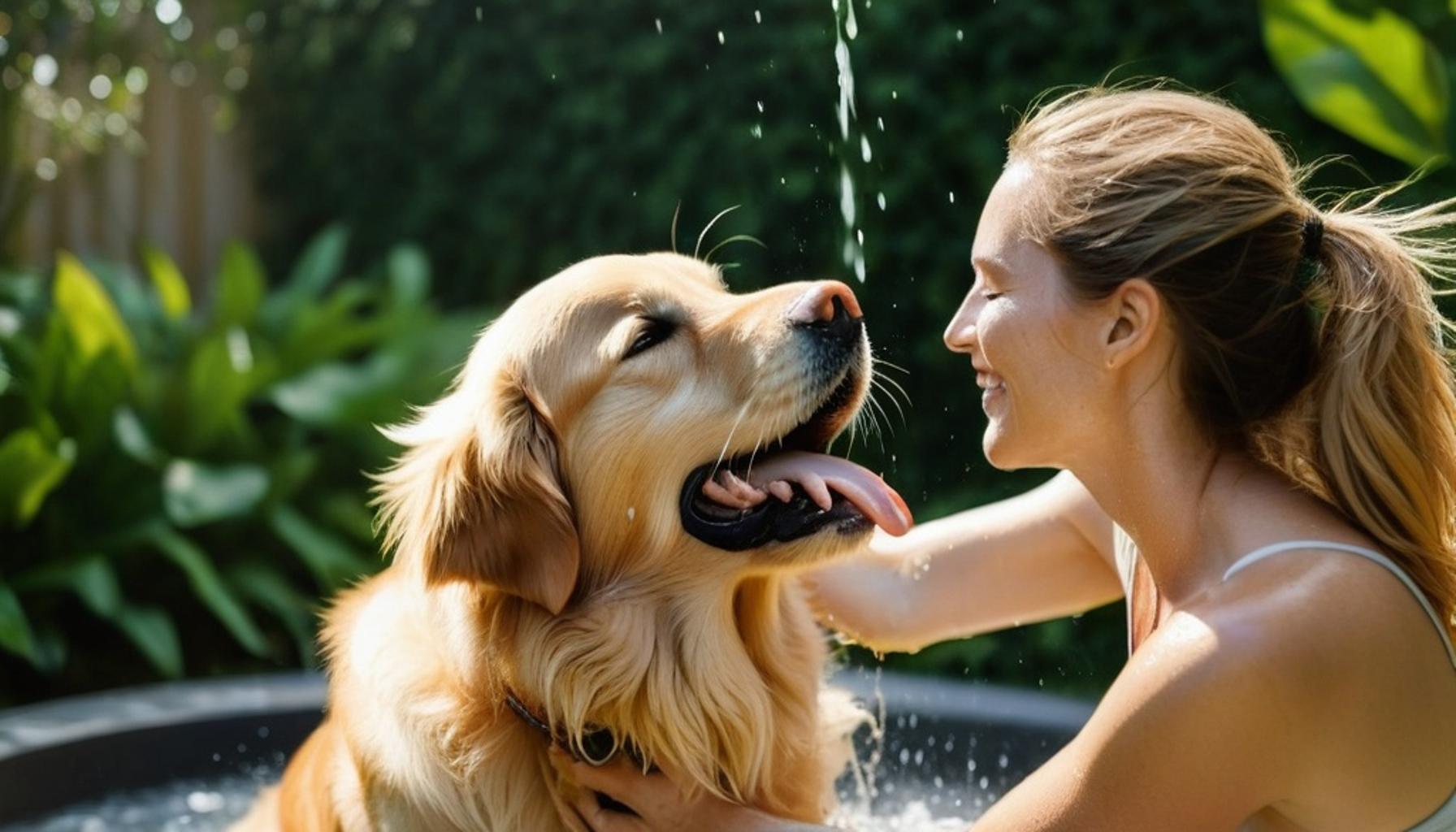
Why Pet Bathing Practices Matter More Than You Think
From the bustling streets of Lagos to the quieter neighborhoods of Enugu, pet ownership is growing across Nigeria. But with humidity, dust, and heat all year round, keeping pets healthy requires more than just occasional grooming.
Many pet owners underestimate how much pet skin care tips can influence a dog’s overall wellbeing. Skin issues, unpleasant odors, and parasite infestations often trace back to poor bathing routines. In fact, veterinary clinics across major cities report a noticeable rise in skin-related complaints during the harmattan season and the peak of the rainy months, when dust and moisture create the perfect breeding ground for bacteria and fungal infections.
Understanding proper dog bathing techniques isn’t just about aesthetics—it’s about health. A well-maintained coat can prevent infections, reduce shedding, and even improve a pet’s mood. Dogs that are bathed correctly tend to show less anxiety, fewer signs of discomfort, and a noticeably shinier coat within weeks.
Common Struggles Nigerian Pet Owners Face
Consider these common concerns Nigerian pet owners face:
- Excessive scratching due to dry or irritated skin
- Persistent odor even after washing
- Flea and tick infestations worsened by heat and humidity
- Confusion over how to bathe a dog with sensitive skin
- Uncertainty about choosing the best pet shampoos for local climate conditions
These issues are not isolated. A dog left untreated for fleas during Lagos’s rainy season, for instance, can develop secondary skin infections within days. Similarly, using human shampoo—a common mistake among first-time pet owners—can strip a dog’s natural oils, leaving the skin more vulnerable rather than clean.
What This Guide Will Cover
This guide breaks down everything you need to know about pet bathing practices, from frequency to product selection. We’ll explore practical, affordable solutions suited to Nigerian households, including locally available alternatives to imported grooming products that are often expensive or difficult to find outside major cities.
Whether you own a Shih Tzu in Abuja or a local mixed-breed guard dog in Kano, the principles remain the same. Get ready to discover science-backed strategies that keep your furry companion clean, comfortable, and thriving—regardless of breed, budget, or location.
CHECK OUT: Hygiene and Health: How Regular Cleaning of Your Pet’s Environment Affects Their Well-Being
# Understanding Your Dog’s Skin Before You Start WashingBefore diving into dog bathing techniques, it helps to understand what actually happens beneath that fur. A dog’s skin is thinner than human skin, with a different pH balance entirely. This is precisely why grabbing the nearest bottle of human shampoo from the bathroom shelf can do more harm than good.Nigerian dermatology-focused veterinarians often point out that a dog’s skin sits around a pH of 6.2 to 7.4, while human skin hovers closer to 5.5. This gap explains why products formulated for us can disrupt a dog’s natural barrier, leading to dryness, flaking, and increased vulnerability to bacteria—exactly the opposite of what any pet owner wants.
Understanding this biological difference is not just a matter of curiosity. It has real consequences for dogs living in Nigeria’s varied climates, from the humid coastal air of Port Harcourt to the dust-laden winds of Sokoto. A dog’s skin barrier acts as its first line of defense against bacteria, fungi, and environmental irritants. When that barrier is compromised by the wrong shampoo, the dog becomes more susceptible to conditions like hot spots, ringworm, and persistent itching that many owners mistake for allergies alone.
How Often Should You Actually Bathe Your Dog?
One of the most searched questions among pet owners is simple: how often is too often? The answer depends on breed, coat type, and lifestyle, but general guidelines apply across most Nigerian households.
- Short-haired breeds (like Boerboels or local mixed breeds): every 4 to 6 weeks
- Long-haired or double-coated breeds (like German Shepherds): every 3 to 4 weeks
- Dogs with skin conditions or heavy outdoor exposure: as advised by a vet, sometimes weekly
- Puppies under 12 weeks: minimal bathing, only when necessary
Over-bathing is a mistake many well-meaning owners make. Washing a dog too frequently strips essential oils from the skin, ironically causing the same dryness and itching that prompted more frequent baths in the first place. This cycle is common in households trying to combat Lagos dust or Kano’s dry heat without understanding the underlying skin biology.
Interestingly, many Nigerian pet owners report bathing their dogs far more often than necessary, largely out of concern for odor rather than actual dirt accumulation. Veterinarians suggest that spot cleaning between full baths—wiping paws after walks or using a damp cloth on visibly soiled areas—can significantly reduce the need for frequent full washes while still keeping a dog presentable and comfortable.
The Role of Water Temperature and Technique
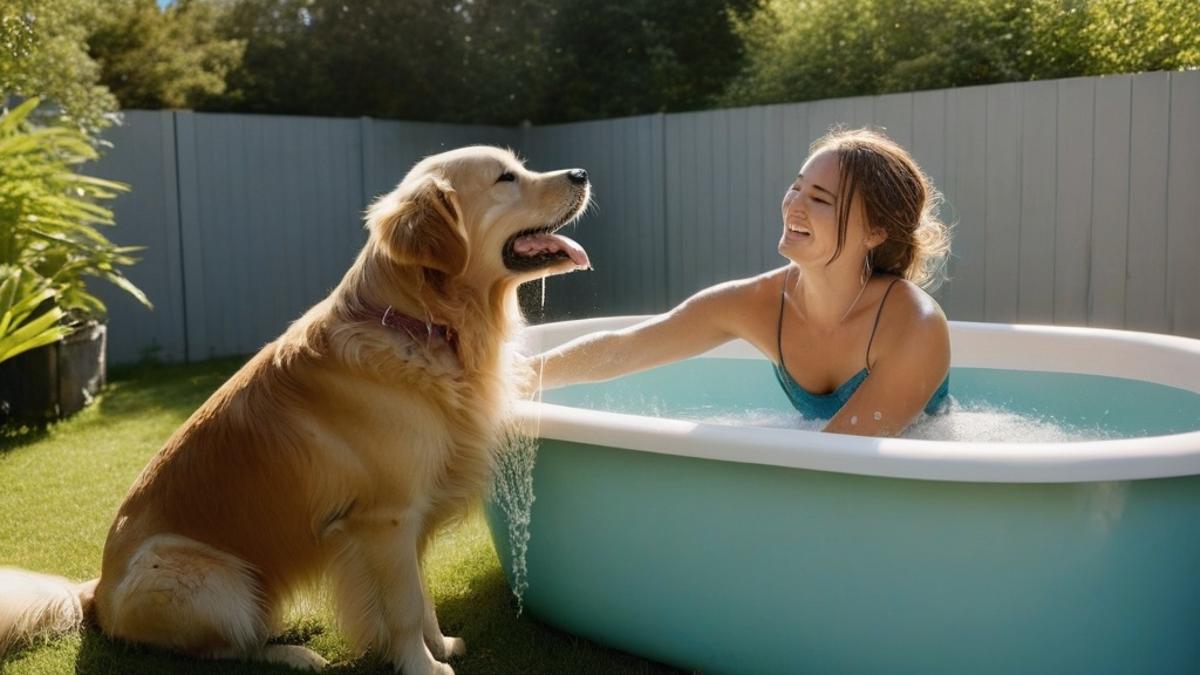
Pet bathing practices extend beyond simply choosing a shampoo. Water temperature plays a surprisingly large role in how effective—and how safe—a bath actually is.Lukewarm water, similar to what you’d use for a baby, is ideal. Water that’s too hot can burn sensitive skin or cause excessive dryness, while cold water fails to properly open pores and remove trapped dirt or parasites hiding beneath the coat.Proper technique matters just as much as temperature. Wetting the coat thoroughly before applying shampoo, working from the neck downward, and avoiding the eyes and ears are basic steps that many first-time owners skip. These small details are often what separate a genuinely clean, healthy coat from one that merely looks clean on the surface.
Drying technique deserves equal attention. Leaving a dog damp for extended periods, especially in humid regions, creates an environment where fungal infections thrive. Towel-drying thoroughly, followed by allowing natural air circulation or using a pet-safe dryer on a low setting, helps prevent this. For owners raising dogs in areas prone to sudden rainfall or high moisture, mastering this final step of the bathing process could mean the difference between a healthy coat and a recurring skin battle that sends them back to the veterinarian more often than necessary.
CHECK OUT: Skin and Coat Care: Essential Hygiene Practices for Pets
Choosing the Right Shampoo and Post-Bath Skin Care
Walk into any pet store in Lagos or Abuja, and the shampoo aisle can feel overwhelming. Oatmeal-based, medicated, flea-repellent, tearless formulas—each promises something different, yet not every bottle deserves a place in your bathroom cabinet.Best pet shampoos share a few common traits regardless of price or packaging. They are pH-balanced for canine skin, free of harsh sulfates, and formulated without artificial fragrances that can irritate sensitive noses and skin alike. Reading the ingredient list matters more than trusting a flashy label promising instant shine.
What Nigerian Pet Owners Should Watch For
Climate plays a bigger role in shampoo selection than most owners realize. Dogs in humid regions like Calabar or Warri often benefit from antifungal or antibacterial formulations that guard against moisture-related skin issues, while dogs in drier northern states such as Katsina may need extra moisturizing ingredients like aloe vera or shea butter derivatives to combat flaking.
- Oatmeal-based shampoos: soothing for dogs with mild itching or seasonal irritation
- Medicated shampoos: prescribed for fungal infections, mange, or persistent hot spots
- Flea and tick shampoos: useful in rural or semi-outdoor settings but should not replace proper parasite prevention
- Puppy-specific formulas: gentler, tearless, designed for developing skin
Owners should be cautious of shampoos marketed purely for fragrance. A dog smelling like vanilla for three days sounds appealing, but heavily perfumed products often contain alcohol-based ingredients that dry out the skin far faster than unscented alternatives. This is one of the quieter pet skin care tips that veterinarians wish more people understood before purchasing.
Caring for Skin After the Bath
Bathing does not end when the water drains away. What happens in the following hours often determines whether the skin barrier stays intact or becomes vulnerable.Brushing a dog’s coat once it’s mostly dry helps distribute natural oils that redistribute during washing. This step is frequently skipped, yet it plays a meaningful role in maintaining shine and preventing matting, particularly in longer-coated breeds common among Nigerian dog owners who favor Caucasian Shepherds or Rottweilers for guarding purposes.
Applying a vet-approved moisturizing spray or balm on dry patches, especially around the paw pads and elbows, can prevent cracking—an issue that becomes more noticeable during Nigeria’s dry season between November and February. Simple habits like these, repeated consistently, form the backbone of keeping pets healthy long after the bath itself is finished.
Ultimately, learning how to bathe a dog properly is only half the equation. The other half lies in what happens between baths: the shampoo choice, the drying routine, and the small aftercare steps that most grooming guides mention only in passing, yet dermatologists consistently point to as the real difference-makers.
Bringing It All Together: A Lifelong Commitment to Skin and Coat Health
Across Nigeria’s varied climate zones, from the humid coastlines of Lagos to the dusty plains of Sokoto, one truth remains constant: consistent pet bathing practices are not a luxury but a necessity. What starts as a simple wash often determines whether a dog thrives with a glossy coat or struggles with recurring skin infections that send owners rushing to veterinary clinics.
Throughout this discussion, one theme surfaces repeatedly. Success lies not in a single grooming session but in the accumulation of small, informed choices made consistently over time.
Key Takeaways for Nigerian Pet Owners
- Mastering how to bathe a dog means adjusting frequency and technique based on breed, coat type, and local climate rather than following a rigid, one-size-fits-all schedule
- Selecting from the best pet shampoos requires reading ingredient labels, not just trusting attractive packaging or fragrance claims
- Proper dog bathing techniques, including water temperature and thorough rinsing, prevent residue buildup that often triggers itching days later
- Post-bath care, from brushing to moisturizing paw pads, matters just as much as the bath itself
Owners who treat these pet skin care tips as interconnected steps, rather than isolated tasks, tend to notice fewer vet visits related to dermatitis, fungal infections, or persistent odor complaints.
There is also a broader lesson here. Keeping pets healthy in Nigeria’s diverse environment demands attentiveness that goes beyond convenience. A herding dog in Jos faces different skin challenges than a lapdog in Port Harcourt, and recognizing those differences separates casual pet ownership from genuinely responsible care.
Skin health, much like general wellness, rewards patience and observation. The dog that seems fine today may reveal early warning signs tomorrow, visible only to an owner paying close attention. That vigilance, more than any single product or technique, remains the true foundation of a clean, comfortable, and healthy companion.
Frequently Asked Questions
How often should I bathe my dog in Nigeria’s hot and humid climate?
In Nigeria’s warm climate, most dogs benefit from a bath every 2 to 4 weeks, but this depends on breed, coat type, and how much time they spend outdoors. Dogs that roll in mud or dust during the dry season (Harmattan) may need more frequent baths to prevent skin irritation. Over-bathing can strip natural oils, so balance cleanliness with skin health by watching for dryness or flaking.
What type of soap or shampoo is safe for pet bathing practices in Nigeria where pet-specific products are hard to find?
Always use a shampoo formulated specifically for pets, as human soap and detergents can disrupt your pet’s skin pH and cause irritation or dryness. If pet shampoo is unavailable locally, mild, unscented baby shampoo can serve as a temporary alternative in small amounts. Many veterinary clinics and pet stores in cities like Lagos, Abuja, and Port Harcourt now stock imported pet shampoos, so it’s worth checking there first.
How can I bathe my pet safely when there’s no regular tap water supply at home?
If you rely on stored or borehole water, ensure it’s clean and free of visible dirt or debris before use, and warm it slightly if the weather is cool, especially early in the morning or late evening. Fill a large basin or bucket and use a cup or small container to pour water gently over your pet rather than needing a constant running supply. Always rinse thoroughly to remove all shampoo residue, since leftover soap can cause skin irritation regardless of water source.
What skin problems should I watch for after bathing my pet, especially during the rainy season?
During Nigeria’s rainy season, watch for signs like redness, excessive scratching, bad odor, or flaky skin, which can indicate fungal infections or bacterial growth from prolonged dampness. Always dry your pet thoroughly with a towel after bathing, particularly in skin folds and ears, since trapped moisture in humid weather encourages infections. If irritation persists beyond a few days, consult a veterinarian promptly to rule out mange, ringworm, or flea allergies common in tropical conditions.

Linda Carter
Linda Carter is a writer and pet care expert specializing in pet health, grooming, and wellness. With extensive experience helping pet owners create safe, loving, and enriching environments for their animals, Linda shares her knowledge on our platform. Her goal is to empower readers with practical advice and strategies to ensure their pets thrive and lead joyful, healthy lives.