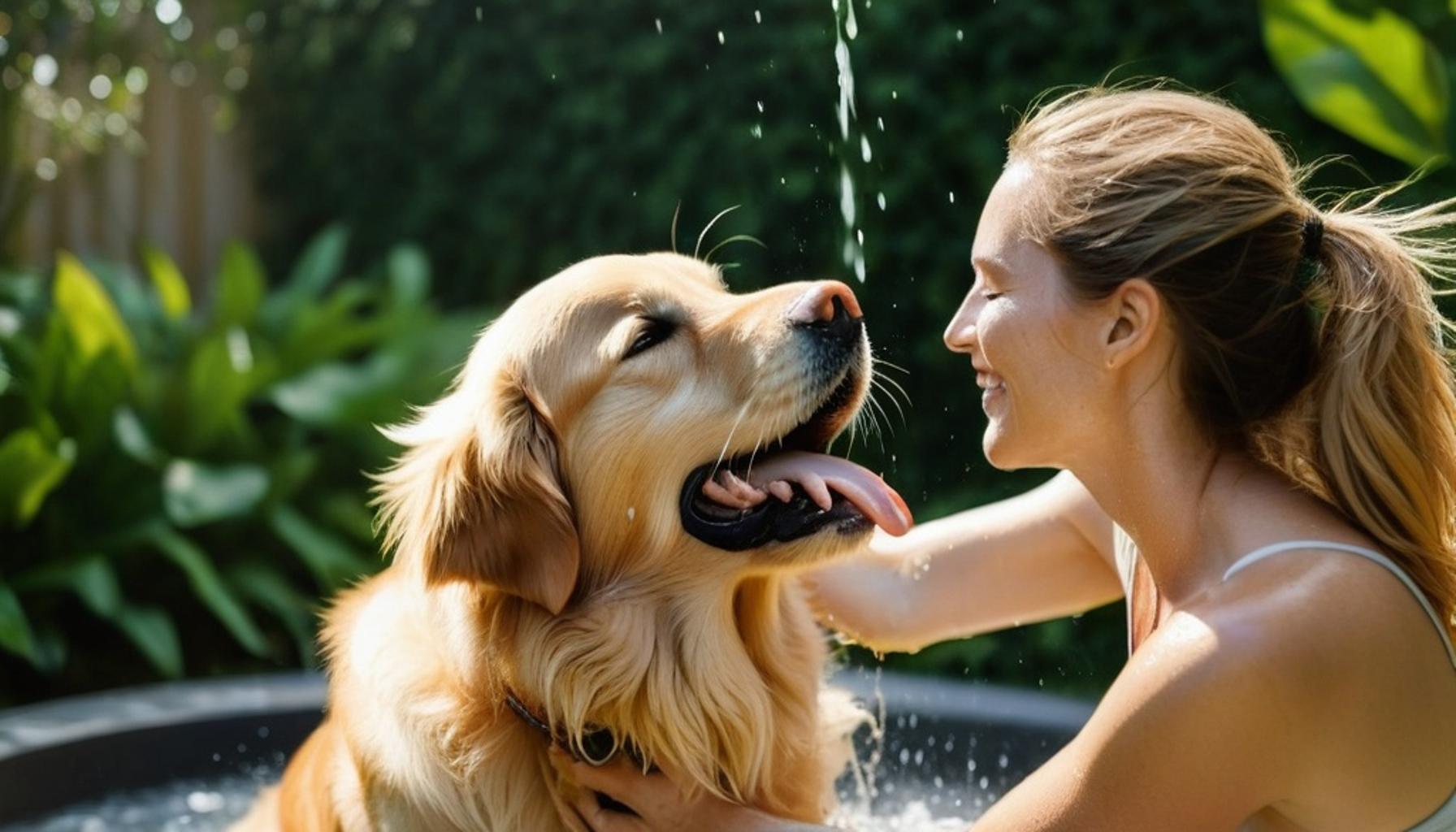
The Importance of Dental Hygiene in Pets: Essential Tips and Practices
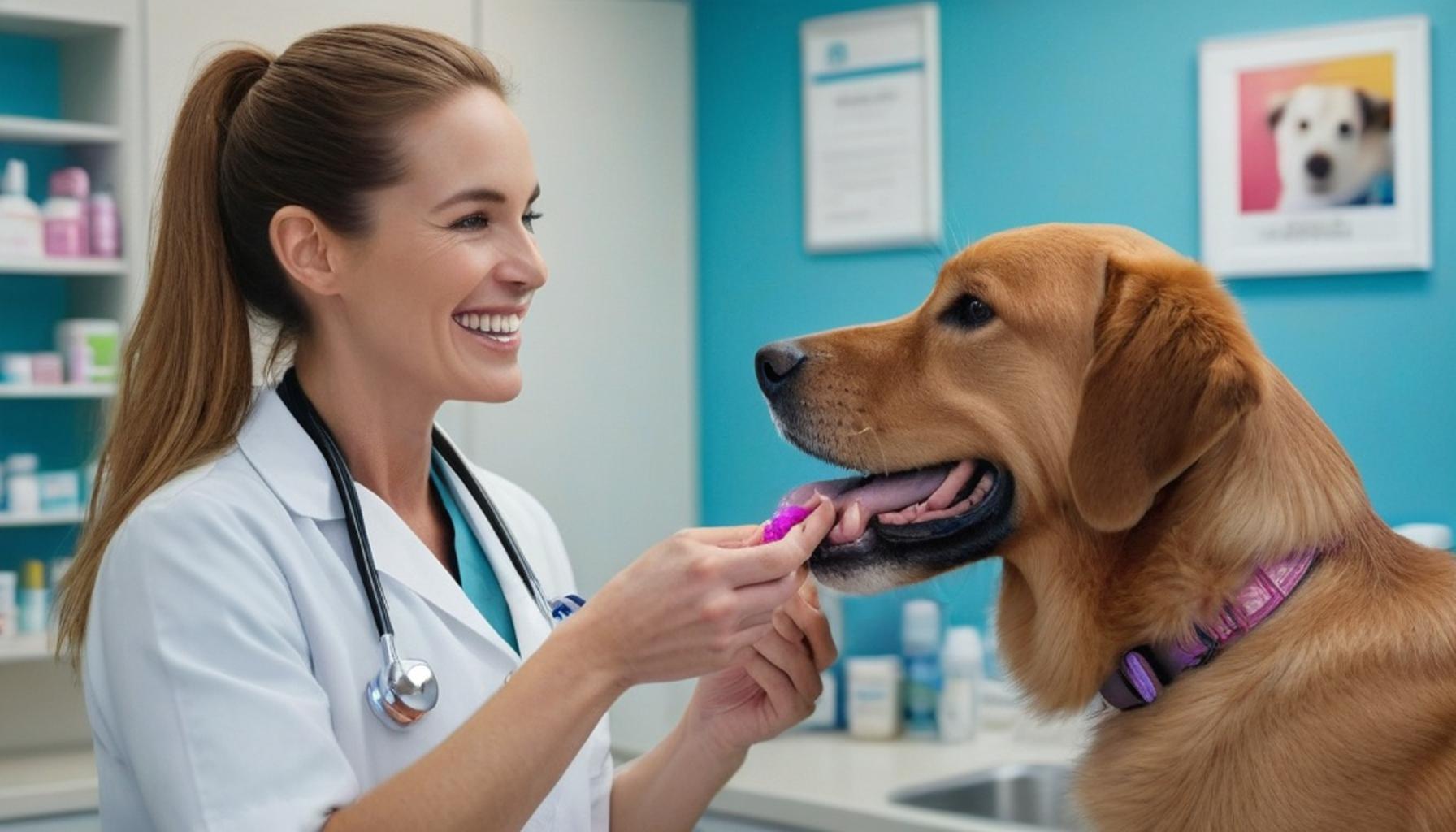
Why Your Pet’s Smile Deserves More Attention Than You Think
Across homes in Lagos, Abuja, and beyond, pet owners often focus on feeding, grooming, and vaccinations while overlooking one critical area: oral care. Yet Dental Hygiene in Pets plays a far bigger role in overall health than most Nigerian households realize. Neglected teeth can silently lead to pain, infection, and even organ damage.
Veterinary studies reveal that by age three, over 80% of dogs and 70% of cats show signs of dental disease. This makes the importance of dental hygiene for dogs and cats dental health practices a conversation every pet owner should take seriously, not an afterthought.
In many Nigerian communities, dogs are kept primarily for security, roaming compounds and eating leftover meals, bones, or scraps from the kitchen. This lifestyle, while common, often masks underlying dental issues since the animals still appear active and alert. However, tartar buildup, gum inflammation, and loose teeth frequently develop unnoticed until the pet stops eating properly or develops a persistent foul odor from the mouth. Cats, particularly those kept indoors in urban apartments across Port Harcourt or Ibadan, face similar risks, especially when fed primarily soft or wet food that does little to naturally clean their teeth.
What This Article Will Cover
This guide breaks down practical, easy-to-follow pet dental care tips tailored for everyday realities. Whether you own a local breed dog guarding your compound or an indoor cat, the information applies directly to you.
- Recognizing early signs of dental problems in pets before they escalate
- Simple home routines to maintain healthy gums and teeth
- An overview of the best dental products for pets available locally and online
- When to seek professional veterinary dental checkups
Poor oral hygiene doesn’t just cause bad breath, it can trigger heart, liver, and kidney complications. Bacteria from infected gums can enter the bloodstream, traveling to vital organs and causing long-term damage that often goes undiagnosed until it becomes severe. This is particularly concerning in a country where veterinary dental specialists remain scarce outside major cities, making prevention far more practical than costly treatment later.
Understanding this connection is the first step toward giving your furry companion a longer, healthier life. As pet ownership continues to grow across Nigerian cities, awareness around oral health must grow alongside it, ensuring our animals live not just longer, but genuinely healthier lives free from preventable pain and disease.
YOU MAY ALSO LIKE: The importance of dental hygiene for pet health: daily practices and essential tips
Spotting the Silent Signs of Dental Problems in Pets
Dogs and cats are masters at hiding discomfort. This instinct, inherited from their wild ancestors who couldn’t afford to appear weak, means many Nigerian pet owners miss the early warning signs of oral disease until it becomes advanced. Recognizing these signs of dental problems in pets early can save your animal from months of hidden suffering.
Bad breath is often dismissed as normal, especially in dogs that scavenge or chew on bones. In reality, persistent foul odor is one of the clearest indicators of bacterial buildup beneath the gum line. If your pet’s breath suddenly worsens or smells distinctly rotten, it’s rarely something to ignore.
Key Warning Signs Every Pet Owner Should Know
Beyond bad breath, several other symptoms suggest that Dental Hygiene in Pets has been neglected for too long. Watch closely for the following:
- Yellow or brown tartar buildup along the gum line
- Red, swollen, or bleeding gums, especially when touched
- Difficulty chewing, dropping food, or favoring one side of the mouth
- Excessive drooling, sometimes tinged with blood
- Loose or missing teeth in adult pets
- Noticeable reluctance to play with chew toys they once enjoyed
In compound dogs common across Nigerian neighborhoods, these signs are frequently mistaken for old age or general laziness. Owners assume the animal is simply “slowing down,” when in fact chronic mouth pain is making eating and normal behavior increasingly difficult. A dog that once guarded the gate with energy but now seems withdrawn and picky about food may not be aging gracefully at all; it may be quietly battling an infected tooth root that has gone unnoticed for weeks or even months.
Cats present a different challenge entirely. Feline dental disease often develops quietly, with many cats continuing to eat despite significant pain, thanks to their remarkable tolerance for discomfort. A condition known as feline tooth resorption, where the tooth structure gradually breaks down, affects a considerable percentage of adult cats and frequently goes undiagnosed without a proper veterinary examination. Some studies suggest that more than half of cats over the age of five may show some form of this resorption, yet outward symptoms can remain almost invisible to the untrained eye.
Understanding the importance of dental hygiene for dogs and the specific cats dental health practices needed to catch these issues early requires more than casual observation. It demands a regular, hands-on approach from owners willing to check their pet’s mouth periodically, even when nothing seems obviously wrong. Many Nigerian veterinary clinics in cities like Lagos, Abuja, and Port Harcourt now report a steady rise in pets brought in for dental extractions that could have been avoided entirely with earlier attention.
Weight loss, changes in eating posture, or a sudden preference for softer foods over dry kibble can also hint at underlying oral pain that owners might otherwise attribute to unrelated causes. Pairing observation with professional check-ups at least once a year adds another layer of protection.
Gently lifting your pet’s lips once a week to inspect gum color, tooth condition, and breath quality takes less than a minute. Yet this simple habit, rarely practiced in most Nigerian households, can be the difference between catching a problem at its earliest, most treatable stage and discovering it only after significant damage has already occurred. For pet owners willing to invest this small amount of time, the long-term rewards, healthier pets, fewer emergency vet visits, and reduced treatment costs, are well worth the effort.

RECOMMENDED: Hygiene in Paws: How to Keep Your Pet’s Feet Clean and Healthy
Practical Pet Dental Care Tips for Nigerian Households
Once you understand what dental disease looks like, the next logical step is prevention. Establishing a consistent routine remains the single most effective way to protect your animal’s mouth from painful, expensive complications down the line. These pet dental care tips are designed to fit realistically into daily Nigerian life, whether you own a German Shepherd guarding a compound in Kaduna or a British Shorthair lounging indoors in Lekki.
Brushing: The Gold Standard for Oral Care
Veterinary dentists consistently agree that daily brushing offers the greatest protection against plaque and tartar accumulation. Using a soft-bristled toothbrush designed specifically for pets, along with enzymatic toothpaste formulated for animals, can reduce plaque buildup significantly within just a few weeks of consistent use.
Never substitute human toothpaste for pet-specific formulas. Ingredients like xylitol and fluoride, harmless to people, can be toxic to dogs and cats. Most pet supply stores in major Nigerian cities now stock imported enzymatic toothpastes, though owners in smaller towns may need to order online or ask local veterinary clinics for recommendations.
Introduce brushing gradually, starting with a finger rub along the gums before progressing to a full brush. Patience during the first two weeks pays off considerably, as most pets eventually tolerate, and some even enjoy, the routine.
Choosing the Best Dental Products for Pets
Beyond brushing, the market offers numerous supplementary tools. Selecting the best dental products for pets depends largely on your animal’s size, chewing habits, and any existing dental sensitivity.
- Dental chews formulated to scrape plaque mechanically during biting
- Water additives that reduce bacterial growth without altering taste noticeably
- Textured rubber toys designed for gentle abrasive cleaning during play
- Veterinary-approved dental diets with kibble shaped to encourage chewing
- Oral gels applied directly to gums for pets who resist brushing entirely
Look specifically for products carrying the Veterinary Oral Health Council seal, an internationally recognized certification indicating that independent testing confirmed measurable plaque or tartar reduction. Products without this endorsement may offer minimal actual benefit despite attractive marketing claims.
Diet’s Overlooked Role in Oral Health
What your pet eats directly influences dental outcomes. Soft, sticky foods cling to teeth surfaces, accelerating plaque formation, while drier kibble and raw meaty bones provide natural abrasive action. Many Nigerian dog owners feed leftover rice, garri, or bread as supplementary meals; while not harmful in moderation, these starchy foods can contribute to faster tartar buildup compared to commercial dry diets.
Raw bones, when appropriately sized and supervised, offer dogs a natural chewing outlet that mimics ancestral feeding behavior. However, cooked bones should always be avoided since they splinter easily and pose serious choking or intestinal injury risks.
Combining brushing, appropriate chew products, and thoughtful dietary choices creates a comprehensive defense system, one that dramatically lowers the likelihood of costly extractions or infections requiring emergency veterinary intervention later in your pet’s life.
SEE ALSO: Cleaning Tips for the Environment to Prevent Diseases in Pets
Final Thoughts: Making Dental Hygiene in Pets a Household Priority
The importance of dental hygiene in pets extends far beyond fresh breath or a bright smile. As this article has shown, untreated oral disease can quietly damage the heart, kidneys, and liver, turning a seemingly minor issue into a life-threatening one. Whether you keep an Aseel fowl-guarding dog in Ibadan or a pampered Persian cat in Abuja, the biological risks remain identical.
Recognizing the signs of dental problems in pets early, bad breath, bleeding gums, reluctance to eat, gives owners a genuine chance to intervene before infection spreads. Pair that awareness with consistent brushing, appropriate chew products, and smarter dietary choices, and you have a realistic, affordable prevention strategy suited to Nigerian households.
It is worth remembering that cats dental health practices often differ subtly from canine care, cats hide pain exceptionally well, making routine home checks even more critical than reactive treatment. Do not wait for obvious distress signals.
Veterinary partnership remains essential too. Annual professional cleanings, especially for breeds prone to overcrowded teeth, catch problems that home care alone cannot resolve. Nigerian pet owners increasingly have access to qualified veterinary dentists in cities like Lagos, Port Harcourt, and Abuja, so cost should not be the only deciding factor when symptoms appear.
Ultimately, oral care deserves the same seriousness given to vaccinations or deworming schedules. A few minutes of brushing today, or the right dental chew choice, could spare your pet years of discomfort and spare your wallet significant emergency expenses later. Start small, stay consistent, and treat your animal’s mouth as the health indicator it truly is.
Frequently Asked Questions
How often should I brush my dog or cat’s teeth in Nigeria’s hot climate?
You should aim to brush your pet’s teeth at least three to four times a week, ideally daily, especially since Nigeria’s warm climate can accelerate bacterial growth in the mouth. Use a pet-specific toothbrush and toothpaste, as human toothpaste contains xylitol and fluoride that are toxic to pets. Consistency matters more than perfection, so start slow and build the habit gradually.
What are the early signs of dental disease in pets that Nigerian pet owners should watch for?
Common warning signs include persistent bad breath, yellow or brown tartar buildup on teeth, red or swollen gums, and reluctance to eat hard food or chew toys. You may also notice excessive drooling or your pet pawing at its mouth due to discomfort. If you spot any of these signs, visit a veterinarian promptly, as untreated dental disease can lead to tooth loss and other health complications.
Where can I find affordable pet dental care services or products in Nigeria?
Many veterinary clinics in cities like Lagos, Abuja, and Port Harcourt now offer dental cleaning and checkup services, so it’s best to call around and compare prices. Pet stores and online platforms such as Jumia and Konga also stock affordable dental chews, toothbrushes, and enzymatic toothpaste designed for pets. Additionally, some local veterinary associations run periodic outreach programs offering discounted pet health services, including dental checks.
Can local Nigerian foods or chew items help maintain my pet’s dental hygiene?
Yes, natural chew items like raw bones, carrots, and certain dental-formulated dog biscuits can help reduce plaque buildup through mechanical scraping action while your pet chews. However, avoid giving cooked bones, as they can splinter and cause choking or internal injury. Always supervise your pet while chewing and consult your vet about safe, locally available options tailored to your pet’s size and breed.

Linda Carter
Linda Carter is a writer and pet care expert specializing in pet health, grooming, and wellness. With extensive experience helping pet owners create safe, loving, and enriching environments for their animals, Linda shares her knowledge on our platform. Her goal is to empower readers with practical advice and strategies to ensure their pets thrive and lead joyful, healthy lives.