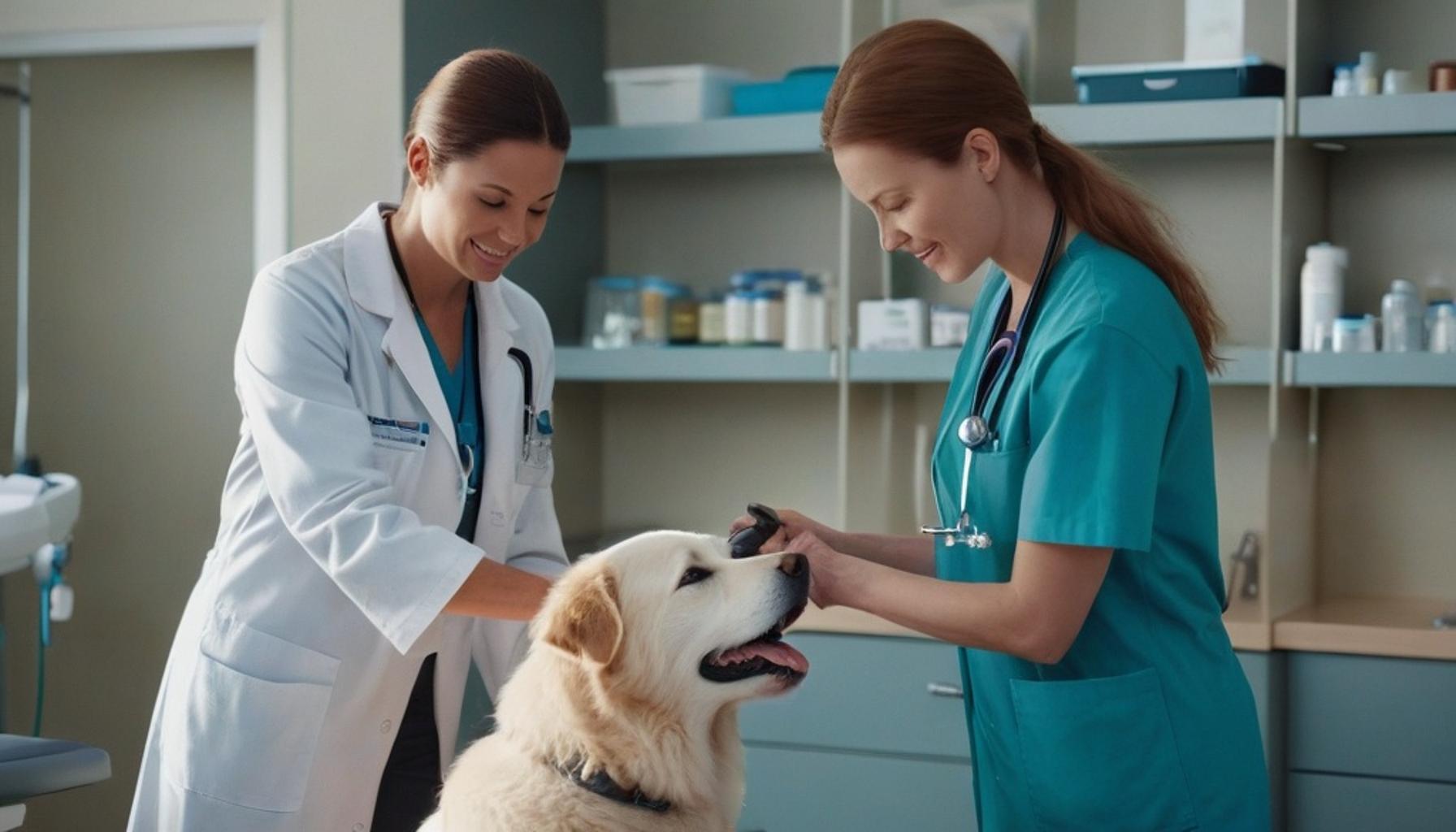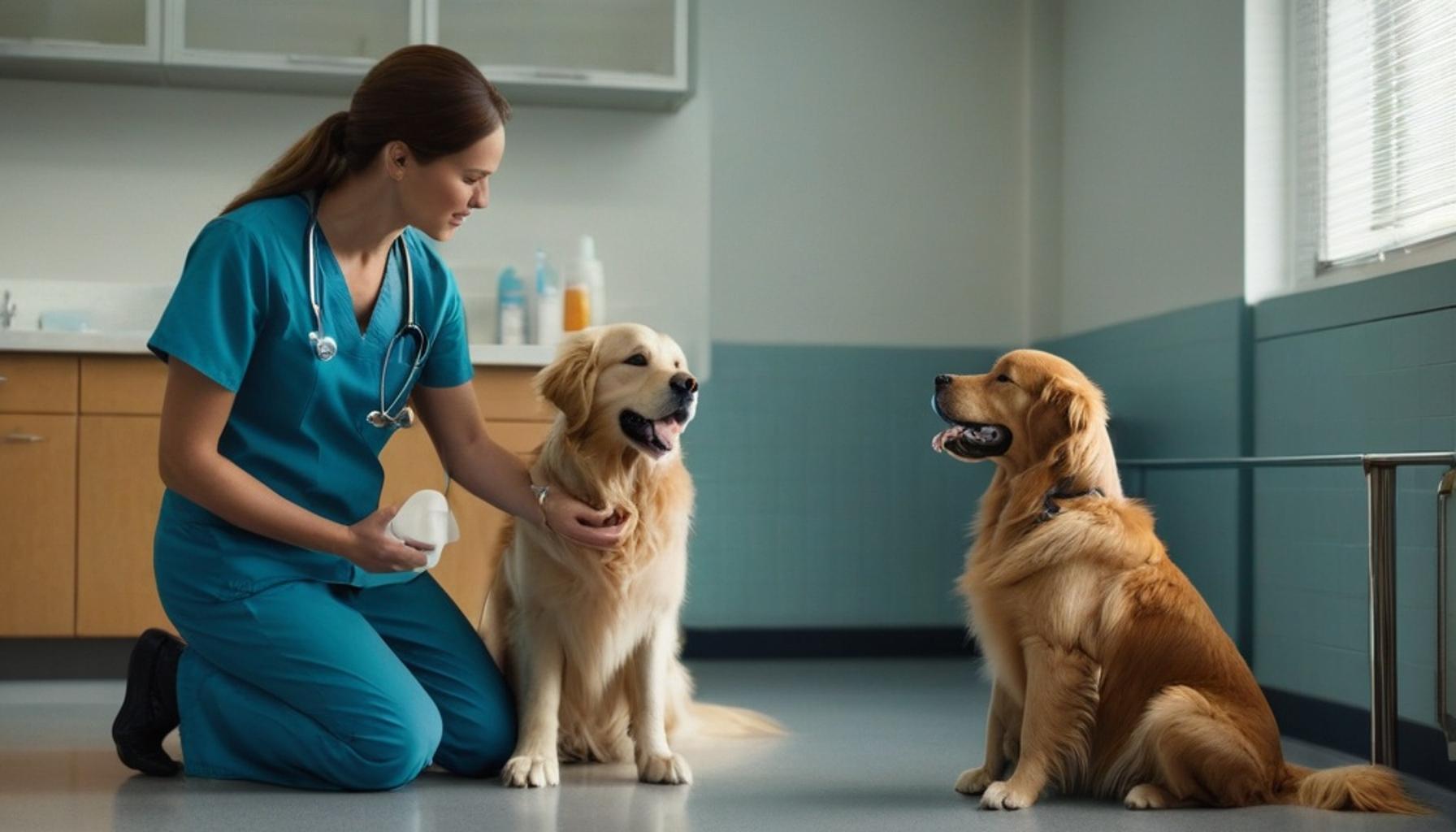
The Importance of Health Monitoring in Pets: Prevention and Early Diagnosis
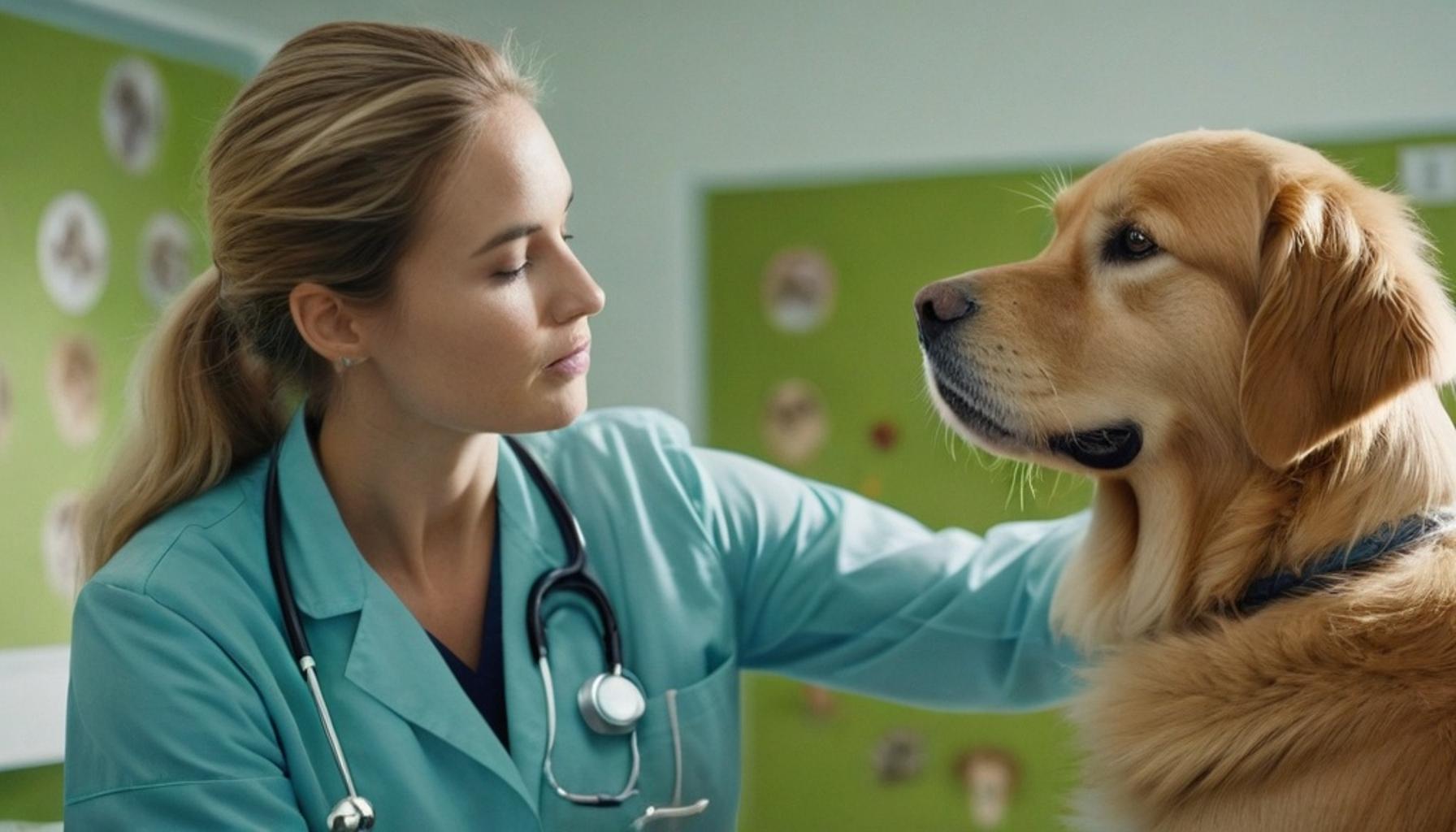
Why Every Nigerian Pet Owner Should Pay Attention to Wellness Checks
From the bustling streets of Lagos to quiet compounds in Enugu, more households across Nigeria are welcoming dogs, cats, and other companions into their homes. Yet, many pet owners only visit a veterinarian when something is visibly wrong. This reactive approach often means missing early warning signs that could have been caught through consistent Health Monitoring in Pets.
Across major cities like Abuja, Port Harcourt, and Ibadan, veterinary clinics are reporting a steady rise in emergency visits that could have been avoided with routine attention. Many owners still associate a trip to the vet with sickness alone, rather than viewing it as part of responsible ownership. This mindset, though slowly changing, continues to put animals at risk of preventable suffering.
The Hidden Cost of Waiting Too Long
Animals are experts at hiding pain and discomfort until a condition becomes severe. By the time symptoms are obvious, treatment can become more complicated and expensive.
Consider a dog quietly battling tick-borne disease in a humid climate like that of the Niger Delta. Without regular checks, the infection can silently damage vital organs before any outward sign appears. By the time the animal stops eating or becomes lethargic, the condition may have progressed to a point requiring intensive, costly intervention.
This is why preventative care for pets is gaining attention among veterinarians and animal welfare advocates in Nigeria.
- Regular pet health checks can detect issues before they escalate
- Early diagnosis in pets often leads to simpler, more affordable treatment
- Routine veterinary health assessments help track vaccination and parasite control schedules
- Consistent monitoring improves overall lifespan and quality of life
Beyond the financial argument, there is an emotional one. Pets that receive regular attention tend to display better temperament and stronger bonds with their owners, as consistent handling builds trust and reduces anxiety during future visits.
What This Article Will Explore
This piece takes a closer look at why pet wellness monitoring deserves more attention from owners, breeders, and animal shelters alike. We will examine practical steps for spotting early signs of illness, common conditions affecting pets in tropical climates, and how technology is changing veterinary care.
Nigeria’s growing pet population, particularly in urban centers, means demand for accessible and affordable veterinary services will only increase. Understanding what wellness checks actually involve, and why they matter, is the first step toward closing that gap.
Whether you own a Nigerian mongrel, an imported breed, or a rescue cat, understanding these fundamentals could make the difference between a minor check-up and a medical emergency.
YOU MAY ALSO LIKE: Warning Signs: What to Watch for in Your Pet’s Health Day to Day
Understanding the Building Blocks of Pet Wellness Monitoring
Before diving into specific illnesses or diagnostic tools, it helps to understand what Health Monitoring in Pets actually involves. It is not a single event but an ongoing process that combines observation, professional assessment, and record-keeping over time. This layered approach means that no single visit to a clinic tells the whole story, and owners who understand this tend to catch problems far earlier than those who wait for obvious symptoms.
Many Nigerian pet owners assume that a healthy-looking animal needs no further attention. However, veterinarians across the country stress that appearances can be misleading, especially with resilient breeds like the Nigerian mongrel, which often masks discomfort exceptionally well due to generations of adapting to harsh outdoor conditions. This adaptability, while impressive, can actually work against early detection, since an animal may continue eating, playing, and greeting its owner normally even while battling an internal infection or parasite load.
The Core Components of a Wellness Check
A proper veterinary health assessment typically covers several areas, each designed to catch different types of problems before they become emergencies. These checks are not arbitrary; they reflect decades of clinical experience showing where illnesses commonly hide.
- Physical examination of eyes, ears, teeth, skin, and coat condition
- Weight tracking to detect sudden gain or loss linked to underlying disease
- Heart and lung auscultation to identify irregular rhythms or breathing issues
- Parasite screening, particularly important given Nigeria’s tropical climate
- Vaccination status review to prevent diseases like rabies and parvovirus
- Behavioral observation, since changes in mood or activity often signal illness
Each of these checkpoints contributes to a broader picture of an animal’s condition. Skipping even one, such as dental checks, can allow problems like periodontal disease to progress unnoticed until eating becomes painful. In fact, many pets brought into clinics in Lagos and Abuja for sudden appetite loss are later found to have advanced dental decay that had been silently worsening for months, a discovery that often surprises owners who never suspected teeth could be the culprit.
Why Frequency Matters More Than Owners Realize
A single annual visit, while better than nothing, may not be enough for animals in high-risk environments. Puppies, kittens, senior pets, and animals with existing health conditions often benefit from more frequent pet health checks, sometimes every three to six months. Younger animals in particular face rapid developmental changes that can quickly reveal congenital issues if monitored closely.
In markets like Kano or Jos, where temperature swings between dry and rainy seasons can stress an animal’s immune system, this frequency becomes even more relevant. Parasites such as ticks and fleas thrive during humid months, making seasonal monitoring a practical necessity rather than an optional luxury. Owners who wait until visible infestation appears often find that the parasite burden has already caused secondary issues such as anemia or skin infections.
Veterinary professionals increasingly recommend that owners keep a simple health journal, noting appetite, water intake, and energy levels. This record becomes valuable during consultations, giving veterinarians context that a single visit cannot provide alone. Over time, these small observations build a timeline that supports faster, more accurate diagnosis when something does go wrong, potentially saving both money and the animal’s life in emergencies.
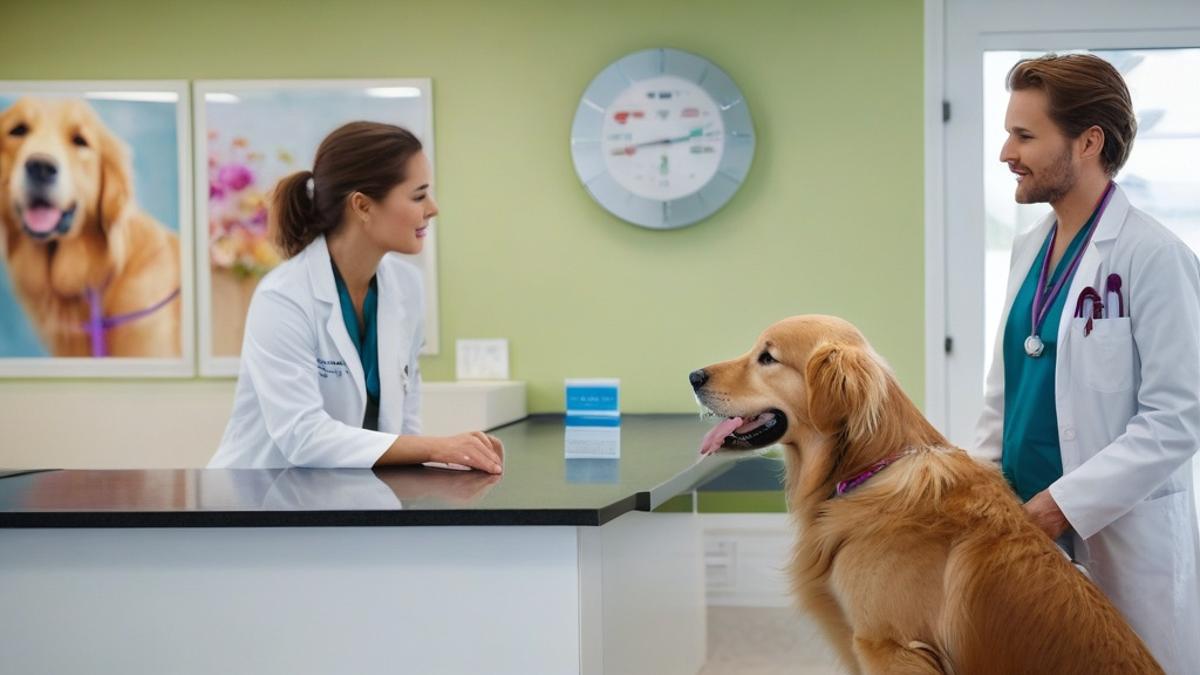
Key Aspects of Health Monitoring in Pets: What Every Owner Should Track
Effective Health Monitoring in Pets goes beyond occasional vet visits. It involves consistent observation of physical, behavioral, and physiological signals that can reveal hidden health issues long before symptoms become severe. Below is a breakdown of the essential aspects pet owners should monitor as part of a solid preventative care for pets routine.
| Monitoring Aspect | Why It Matters |
|---|---|
| Weight and Appetite | Sudden changes often signal metabolic or digestive disorders, aiding early diagnosis in pets. |
| Behavioral Patterns | Lethargy or aggression can indicate pain, stress, or neurological issues requiring attention. |
| Routine Bloodwork | Essential for veterinary health assessments, detecting organ dysfunction before visible symptoms appear. |
| Skin and Coat Condition | Reflects nutritional status and can reveal allergies or parasitic infections early. |
| Digital Wellness Tools | Wearable trackers support continuous pet wellness monitoring, flagging irregularities in real time. |
Regular pet health checks that combine these indicators create a comprehensive picture of an animal’s condition, making it far easier to intervene before minor issues escalate into costly, complex treatments.
LEARN MORE: How Emotional Feeding Contributes to Monitoring Your Pet’s Health
Diagnostic Technology and the Shift Toward Early Detection
Modern early diagnosis in pets now relies on tools that go far beyond a stethoscope and a thermometer. Clinics in urban centers like Port Harcourt and Ibadan have gradually introduced blood chemistry analyzers, digital X-ray machines, and ultrasound units that were once considered luxuries reserved for human hospitals. This shift matters because many diseases affecting dogs and cats, such as kidney insufficiency or early-stage diabetes, produce almost no visible symptoms until the condition has advanced significantly.
A basic blood panel, for instance, can reveal elevated liver enzymes or abnormal white blood cell counts weeks or even months before an animal shows outward signs of distress. Veterinarians often describe this as catching a whisper before it becomes a scream. For pet owners unfamiliar with these tools, understanding their value can transform how they approach routine visits, shifting from reactive treatment to genuine preventative care for pets.
Common Conditions That Benefit from Early Screening
Certain illnesses respond dramatically better when caught early, and Nigerian veterinary clinics report recurring patterns worth noting. Awareness of these conditions helps owners recognize why routine screening should never be dismissed as unnecessary spending.
- Heartworm and tick-borne infections, which spread rapidly in warmer regions
- Early kidney disease, often silent until over seventy percent of function is lost
- Diabetes mellitus, particularly in overweight or older cats
- Mammary tumors in unspayed female dogs, frequently discovered during routine palpation
- Ear infections linked to humidity, common in floppy-eared breeds
Each of these examples shares a common thread: by the time obvious symptoms appear, treatment often becomes more expensive, more invasive, or less effective. A tick-borne infection caught within its first week, for example, may require a simple course of medication, while a delayed diagnosis can lead to organ damage requiring extended hospitalization.
The Financial Logic Behind Consistent Monitoring
Beyond the emotional toll, there is a practical financial argument for consistent pet wellness monitoring. Emergency treatments for advanced conditions typically cost multiple times more than routine preventive visits. Owners who invest in periodic checkups often report fewer emergency expenses over their pet’s lifetime, since problems are addressed while still manageable.
Insurance for pets remains uncommon across Nigeria, which makes out-of-pocket planning even more essential. Setting aside a modest monthly budget for veterinary visits, rather than waiting for a crisis, allows families to spread costs predictably. This approach also encourages more frequent veterinary health assessments, since the financial barrier to walking into a clinic feels smaller when visits are budgeted rather than unexpected.
Community awareness campaigns in cities like Enugu have started highlighting these financial realities, encouraging pet owners to view checkups as an investment rather than an optional expense. This mindset shift, though gradual, appears to be reshaping how younger pet owners in particular approach their animals’ long-term wellbeing.
Building a Culture of Proactive Pet Care Across Nigeria
The evidence throughout this discussion points to one clear conclusion: Health Monitoring in Pets is no longer a luxury reserved for the privileged few but a practical necessity for any responsible owner. From the diagnostic tools now available in cities like Ibadan and Port Harcourt to the quiet financial wisdom of budgeting for checkups rather than emergencies, the pattern remains consistent. Animals that receive regular attention tend to live longer, healthier lives with fewer dramatic crises along the way.
Consistent pet health checks do more than catch disease; they build a running record of what normal looks like for a specific animal. This baseline becomes invaluable when something shifts, whether it is a sudden change in appetite or subtle lethargy that might otherwise be dismissed as a bad day.
Nigerian pet owners face unique circumstances, including humidity-driven infections, limited insurance options, and uneven access to advanced clinics outside major cities. Yet these challenges make early diagnosis in pets even more relevant, not less. Simple habits, such as scheduling biannual visits or learning to recognize early warning signs, can bridge gaps that infrastructure alone cannot solve.
Looking forward, the growing presence of diagnostic technology and community awareness campaigns suggests a slow but genuine shift in mindset. More owners are beginning to treat preventative care for pets as routine rather than optional, much like scheduling their own annual medical exams.
Ultimately, the responsibility rests with individual households. Choosing to prioritize veterinary health assessments and ongoing pet wellness monitoring is not simply about avoiding costly emergencies. It reflects a deeper commitment to the animals that share our homes, one checkup, one blood panel, and one attentive observation at a time.
Frequently Asked Questions
How often should I take my dog or cat for check-ups in Nigeria?
Healthy adult pets should visit a veterinarian at least once or twice a year for wellness exams, while puppies, kittens, and senior pets often need more frequent visits. Regular check-ups allow vets in Nigeria to catch issues like tick-borne diseases, malnutrition, or parasites before they become serious. If you notice any changes in behavior or appetite, book a visit immediately rather than waiting for the next scheduled check-up.
What are the early warning signs of illness I should watch for in my pet?
Common early signs include reduced appetite, lethargy, vomiting, diarrhea, excessive scratching, and changes in urination or bowel habits. In Nigeria, watch closely for symptoms of tick fever, such as fever, pale gums, and weakness, since ticks are common in many regions. Catching these signs early through regular health monitoring in pets can prevent minor issues from turning into costly emergencies.
Why is health monitoring in pets important for preventing diseases common in Nigeria’s climate?
Nigeria’s warm, humid climate creates ideal conditions for parasites like ticks, fleas, and mosquitoes, which transmit diseases such as babesiosis, ehrlichiosis, and heartworm. Consistent health monitoring helps detect these infections early, when treatment is most effective and less expensive. Without regular checks, these conditions can silently damage your pet’s organs before visible symptoms appear.
Can I monitor my pet’s health at home without visiting a vet frequently?
Yes, you can track your pet’s weight, appetite, water intake, energy levels, and coat condition at home to spot early changes. Using a simple health journal or pet health app can help you notice patterns before they become serious problems. However, home monitoring should complement, not replace, professional veterinary check-ups, especially for vaccinations and blood tests that only a vet can perform.
How much does routine pet health monitoring typically cost in Nigeria?
The cost varies by location and clinic, but a basic wellness check-up in Nigeria typically ranges from a few thousand naira to higher amounts if diagnostic tests like blood work or deworming are included. While this may seem like an added expense, early diagnosis through routine monitoring is far cheaper than treating advanced diseases later. Many veterinary clinics also offer affordable package deals for vaccinations and annual health screenings.

Linda Carter
Linda Carter is a writer and pet care expert specializing in pet health, grooming, and wellness. With extensive experience helping pet owners create safe, loving, and enriching environments for their animals, Linda shares her knowledge on our platform. Her goal is to empower readers with practical advice and strategies to ensure their pets thrive and lead joyful, healthy lives.