
Safe Physical Activities for Cats: Keeping Your Feline Active at Home
Why Indoor Cats Need More Than Just a Nap Spot
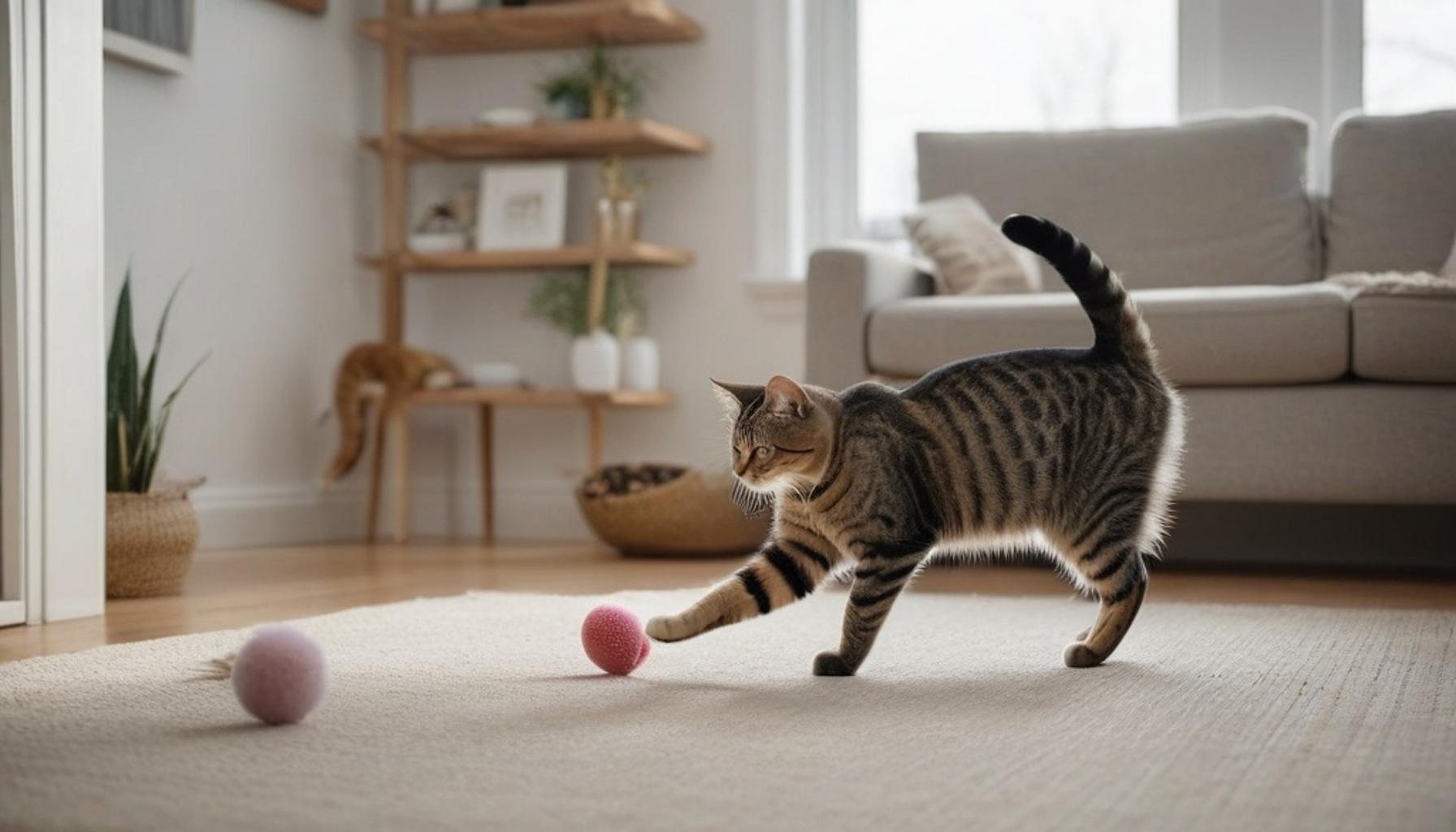
From Lagos apartments to Abuja duplexes, more Nigerian cat owners are keeping their pets strictly indoors for safety reasons. While this protects cats from traffic, diseases, and territorial fights with neighborhood strays, it also removes their natural avenues for movement and stimulation. In the wild, cats spend hours stalking, climbing, and pouncing. Confined to a flat or a single room, that instinct doesn’t disappear, it simply has nowhere to go.
Without deliberate effort, an indoor cat can quickly become overweight, bored, or stressed. Veterinary studies suggest that up to 60% of domestic cats worldwide are overweight, largely due to limited physical exertion. In Nigerian households, where cats are often left alone for long stretches while owners work, this risk multiplies. A cat that sleeps sixteen hours a day and eats without moving much is a cat on a slow path to diabetes, joint problems, or heart strain.
This is where safe physical activities for cats become essential, not optional. The good news? You don’t need a large compound or expensive equipment to keep your feline moving. A rolled-up ball of paper, a cardboard box from your last online delivery, or even a laser pointer can transform an idle afternoon into a mini hunting expedition. The key is consistency, not cost.
What You’ll Discover in This Guide
- Indoor activities for cats that mimic natural hunting instincts
- The best toys for indoor cats that won’t break your budget
- Practical cat exercise ideas at home using everyday household items
- Simple techniques for keeping cats active indoors despite space constraints
- Expert-backed engaging cat playtime tips for different age groups
Whether you own a playful kitten or a senior cat needing gentle movement, there’s a safe activity suited to their energy level. Some owners have discovered that even five to ten minutes of focused play, twice daily, can dramatically reduce destructive scratching or excessive meowing. Others have turned unused corners of their homes into vertical playgrounds using shelves and cat trees.
Let’s explore how to transform your living space into a feline fitness haven, one that keeps your cat physically fit, mentally sharp, and far less likely to develop the health issues that come with a sedentary indoor lifestyle.
RECOMMENDED: The Importance of an Exercise Routine for the Physical and Mental Health of Pets
# Understanding Your Cat’s Natural Movement NeedsBefore jumping into activities, it helps to understand why cats move the way they do. Every pounce, climb, and stalk your cat performs indoors is a rehearsal of behavior hardwired into their DNA. Understanding this connection is the foundation of any successful approach to safe physical activities for cats.Domestic cats descend from solitary hunters who covered several kilometers daily, chasing prey and marking territory. That instinct hasn’t faded just because your cat now lives in a two-bedroom flat in Lekki or a bungalow in Enugu. It simply waits for an outlet.
The Three Instinct-Driven Movements Every Cat Needs
Veterinary behaviorists generally group feline physical needs into three categories. Addressing all three is far more effective than repeating just one type of play.
- Stalking and chasing – triggered by movement, this satisfies the predatory drive
- Climbing and jumping – gives cats vertical territory and a sense of security
- Pouncing and capturing – completes the “hunt cycle,” which reduces frustration
When any of these needs go unmet for extended periods, the results show up in ways many Nigerian pet owners misinterpret as bad behavior. A cat scratching the sofa repeatedly, knocking items off shelves at 2 a.m., or meowing incessantly by the door is often not being difficult, it’s under-stimulated.
Why This Matters More in Nigerian Homes
Space is often limited in urban Nigerian housing, and many cats spend long hours alone while their owners commute or work extended shifts in cities like Port Harcourt or Ibadan. This combination of confined space and reduced human interaction makes indoor activities for cats even more critical.A 2022 review published in the Journal of Feline Medicine and Surgery noted that environmental enrichment, meaning deliberate opportunities for movement and mental stimulation, significantly reduced stress-related behaviors in indoor cats. Translated to a Nigerian context, this means a cat given ten minutes of structured play twice daily is measurably calmer than one left to entertain itself all day.
The takeaway is simple: movement isn’t a luxury for your cat, it’s a biological requirement. The next sections will show you exactly how to meet that requirement using tools and techniques suited to keeping cats active indoors, regardless of how much space you have.
Essential Categories of Safe Physical Activities for Cats
Understanding which indoor activities for cats truly engage their instincts is the first step toward a healthier feline lifestyle. From climbing structures to interactive toys, each activity category offers distinct physical and mental benefits. Below is a quick-reference table summarizing the most effective cat exercise ideas at home that veterinarians and behaviorists recommend for keeping cats active indoors.
| Activity Category | Key Benefit |
|---|---|
| Interactive Wand Toys | Mimics hunting, boosts engaging cat playtime and coordination |
| Vertical Climbing Trees | Strengthens muscles, satisfies territorial instincts |
| Puzzle Feeders | Combines feeding with mental stimulation |
| Best Toys for Indoor Cats | Encourages solo play, reduces boredom-related stress |
| Scheduled Play Sessions | Builds routine, improves weight management |
Each of these categories can be rotated weekly to prevent monotony, ensuring your cat remains curious and physically engaged throughout the year.
CHECK OUT: Benefits of Outdoor Activities for the Emotional Well-Being of Pets
Practical Cat Exercise Ideas at Home That Actually Work
Knowing why cats need movement is only half the equation. The other half involves choosing safe physical activities for cats that fit real Nigerian living spaces, budgets, and schedules. Below are approaches that veterinary behaviorists and experienced cat owners consistently recommend.
Interactive Wand Toys Mimic Real Prey
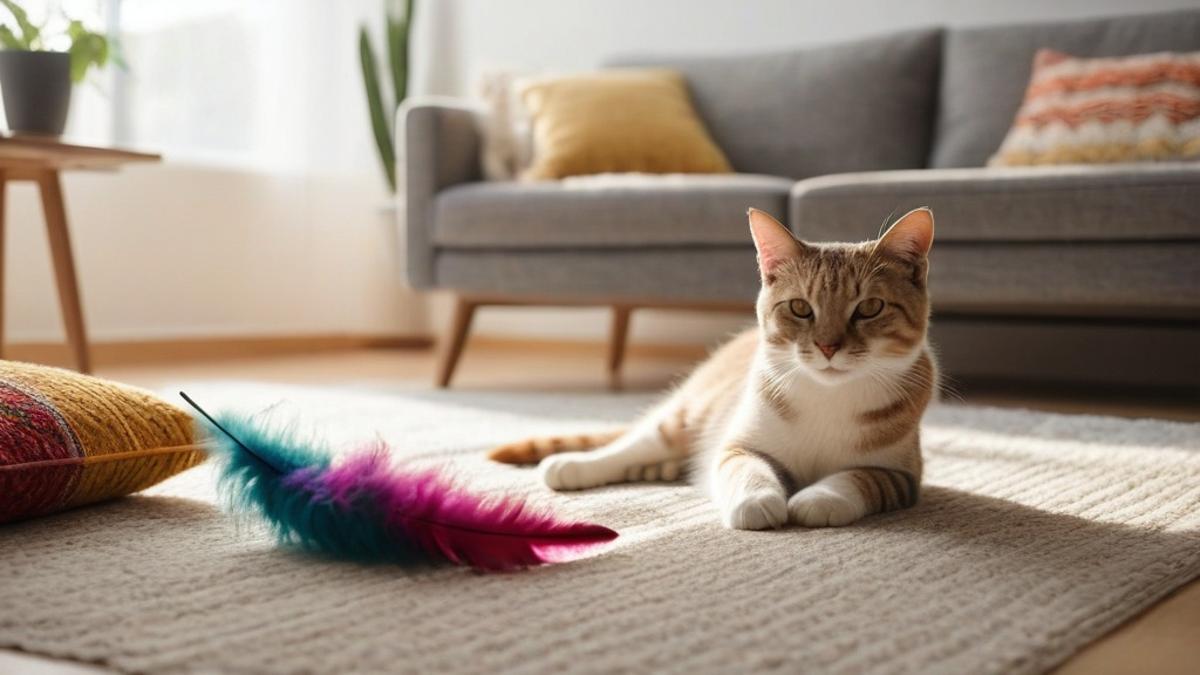
Wand toys with feathers or fabric strips attached to a string remain among the best toys for indoor cats because they replicate the erratic movement of birds or lizards, animals your cat’s ancestors would have hunted in the wild.
Move the toy along the floor, pause, then dart it behind furniture. This unpredictability triggers the stalking instinct far more effectively than a toy dragged in a straight line. Aim for two sessions of ten to fifteen minutes daily rather than one long session, since cats hunt in short, intense bursts rather than sustained sprints.
Vertical Space Solves the Space Problem
Many Nigerian apartments lack floor space, but ceiling height is often underused. Installing a simple wall-mounted shelf or repurposing a sturdy bookshelf gives cats the vertical territory they crave.
A cat that climbs to survey its surroundings is exhibiting a deeply rooted security behavior. Even a modest three-tier cat tree, which can be sourced affordably from local pet suppliers in Lagos or ordered online, provides climbing, scratching, and resting options in one compact structure.
DIY Enrichment Costs Almost Nothing
Not every solution requires spending money. Several cat exercise ideas at home use materials already lying around the house:
- Cardboard boxes arranged in a maze encourage pouncing and hiding behavior
- Empty toilet rolls stuffed with dry food create makeshift puzzle feeders
- Crumpled paper balls tossed across the floor satisfy chase instincts instantly
- Plastic bottle caps make lightweight, batteable objects cats enjoy chasing across tiled floors
These low-cost options prove that keeping cats active indoors doesn’t demand imported gadgets or expensive subscriptions.
Food-Based Movement Builds Two Habits at Once
Puzzle feeders, whether store-bought or improvised, force cats to work for their meals. This slows down fast eaters, which veterinarians link to reduced vomiting incidents, while simultaneously encouraging batting, pawing, and problem-solving movements.
One of the most effective engaging cat playtime tips is scattering a portion of dry food across a textured mat instead of serving it in a bowl. The cat must forage, mimicking natural hunting behavior rather than simply consuming calories passively.
Rotating these activities weekly prevents boredom, since cats, much like people, lose interest in repetitive routines that no longer surprise them.
Building a Sustainable Routine for a Healthier, Happier Cat
Across every apartment in Lagos, every bungalow in Enugu, and every compound in Kano, the same truth applies: a cat’s wellbeing hinges on movement that engages both body and mind. Safe physical activities for cats are not a luxury reserved for pet owners with sprawling gardens or imported equipment. They are achievable with a wand toy, a cardboard box, or a strategically placed shelf.
The evidence throughout this article points to one consistent theme. Cats thrive when their environment offers unpredictability, verticality, and purposeful challenges tied to food or play. Skipping these elements often leads to weight gain, destructive scratching, or excessive vocalization, problems many Nigerian households mistake for stubbornness rather than unmet instinctual needs.
Rotating indoor activities for cats weekly keeps curiosity alive. A cat that mastered a puzzle feeder last month may lose interest without a new twist, so swapping toys or rearranging climbing structures matters more than owners realize.
Investing in a few of the best toys for indoor cats alongside free, homemade options creates balance between convenience and creativity. Neither approach alone delivers the same enrichment as combining both.
Ultimately, keeping cats active indoors is less about rigid schedules and more about consistent, varied stimulation. Ten minutes of focused play, a foraging meal, and vertical exploration throughout the day add up to a noticeably calmer, healthier feline.
Owners willing to experiment with different engaging cat playtime tips will likely notice improved sleep patterns, reduced anxiety, and stronger bonds with their pets. The next step is simple observation: watch which activities spark the most enthusiasm, then build a routine around them.
Frequently Asked Questions
What are the best safe physical activities for cats living indoors in Nigeria’s hot climate?
Short, low-intensity play sessions using feather wands or laser pointers during the cooler morning or evening hours work best, since Nigeria’s midday heat can quickly tire or overheat a cat. Interactive toys that mimic hunting, like teaser wands and puzzle feeders, keep cats active without overexertion. Always provide fresh water nearby and stop play if your cat starts panting heavily.
Can I use locally available materials to create exercise equipment for my cat at home?
Yes, many Nigerian households already have items like cardboard boxes, old baskets, empty water bottles, and fabric scraps that can be turned into scratching posts, tunnels, or DIY toys. A cardboard box with holes cut out makes an excellent hiding and pouncing spot, while a plastic bottle with rice inside becomes a fun rolling toy. These budget-friendly options provide safe exercise without needing expensive imported cat gear.
How much daily exercise does an indoor cat need to stay healthy and avoid obesity?
Most adult cats benefit from at least 15 to 30 minutes of active play spread across two or three short sessions daily. This helps prevent obesity, which is increasingly common among indoor cats in Nigerian homes with limited outdoor access. Activities like chasing toys, climbing cat trees, or batting at hanging objects can easily meet this daily requirement.
Are there any physical activities I should avoid for kittens or senior cats?
Kittens should avoid high jumps onto hard tiled floors common in many Nigerian homes, as this can strain their developing joints, so soft padded surfaces are safer. Senior cats or those with arthritis should skip vigorous jumping or running games and instead try gentle stretching play with low-lying toys. Always watch for signs of fatigue, limping, or reluctance to continue, and consult a veterinarian if these persist.

Linda Carter
Linda Carter is a writer and pet care expert specializing in pet health, grooming, and wellness. With extensive experience helping pet owners create safe, loving, and enriching environments for their animals, Linda shares her knowledge on our platform. Her goal is to empower readers with practical advice and strategies to ensure their pets thrive and lead joyful, healthy lives.