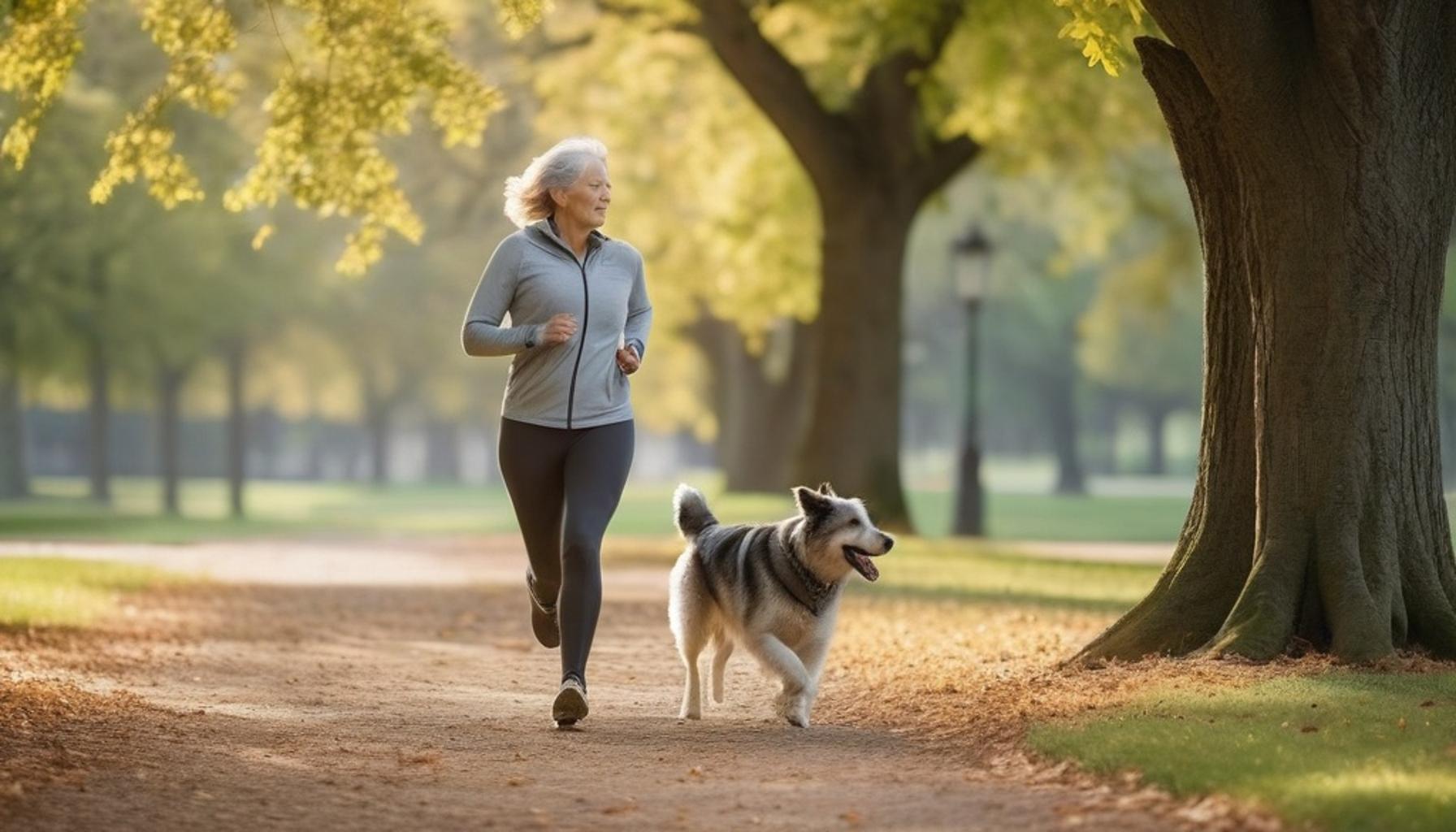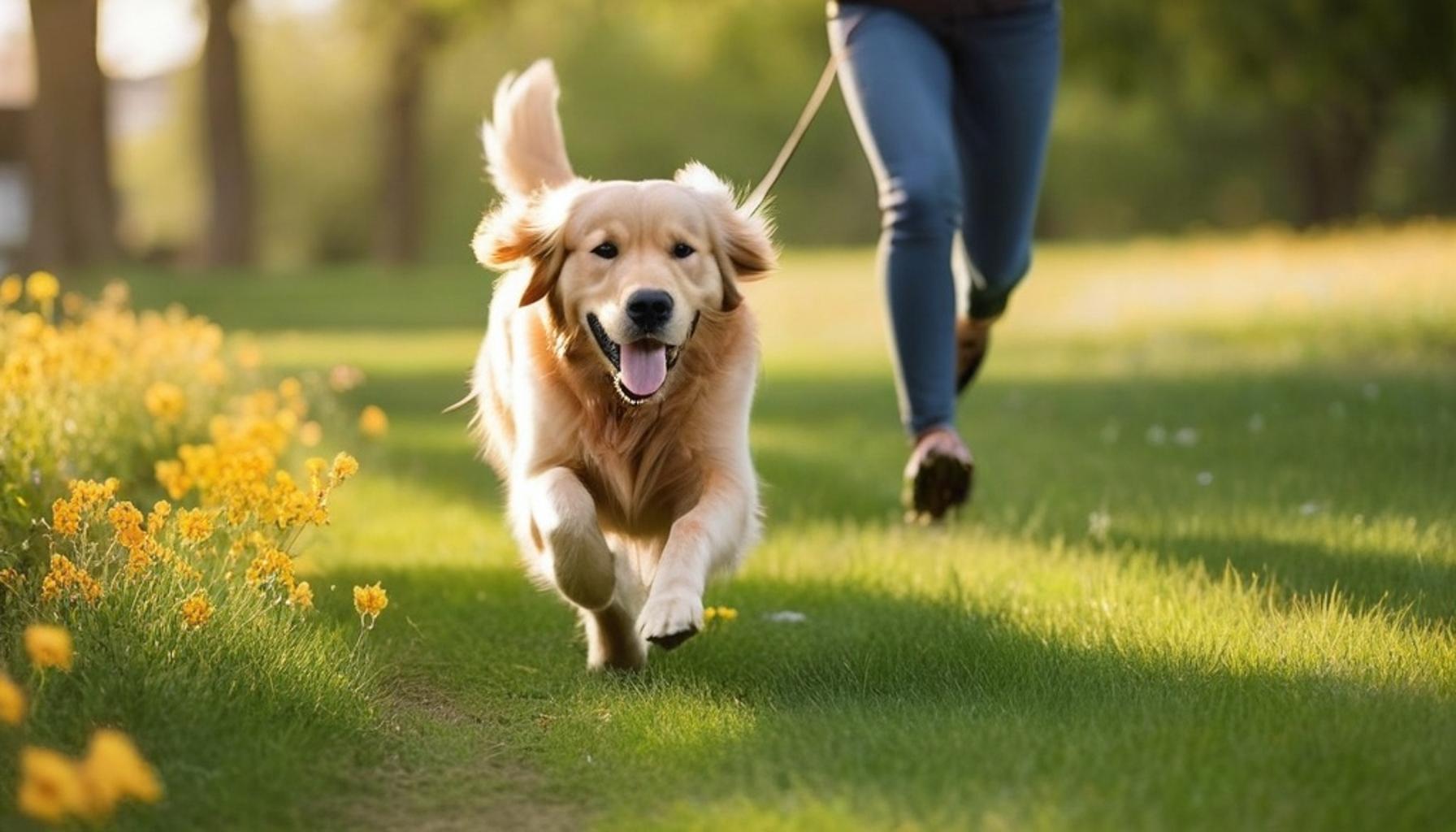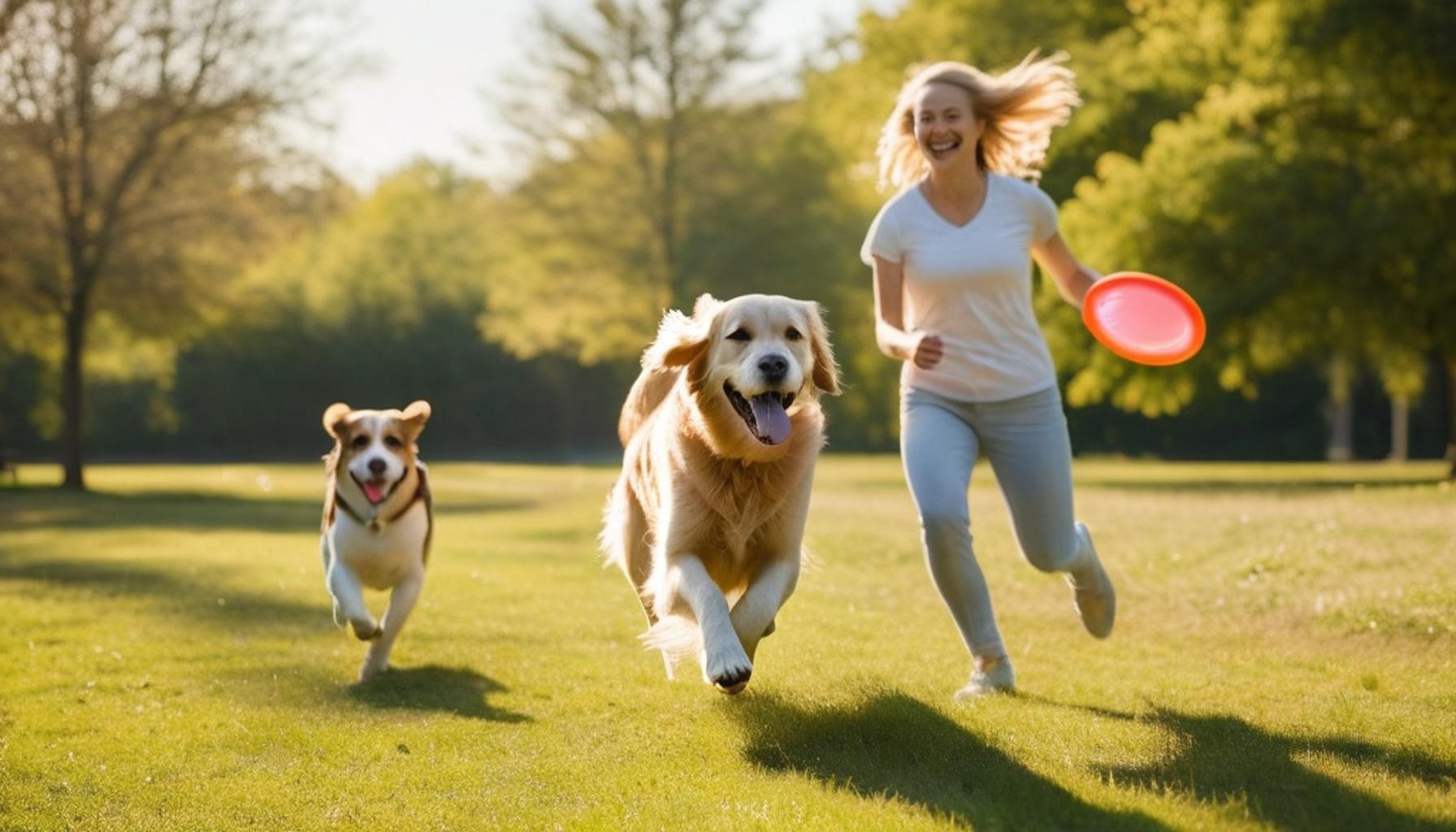
The Importance of an Exercise Routine for the Physical and Mental Health of Pets
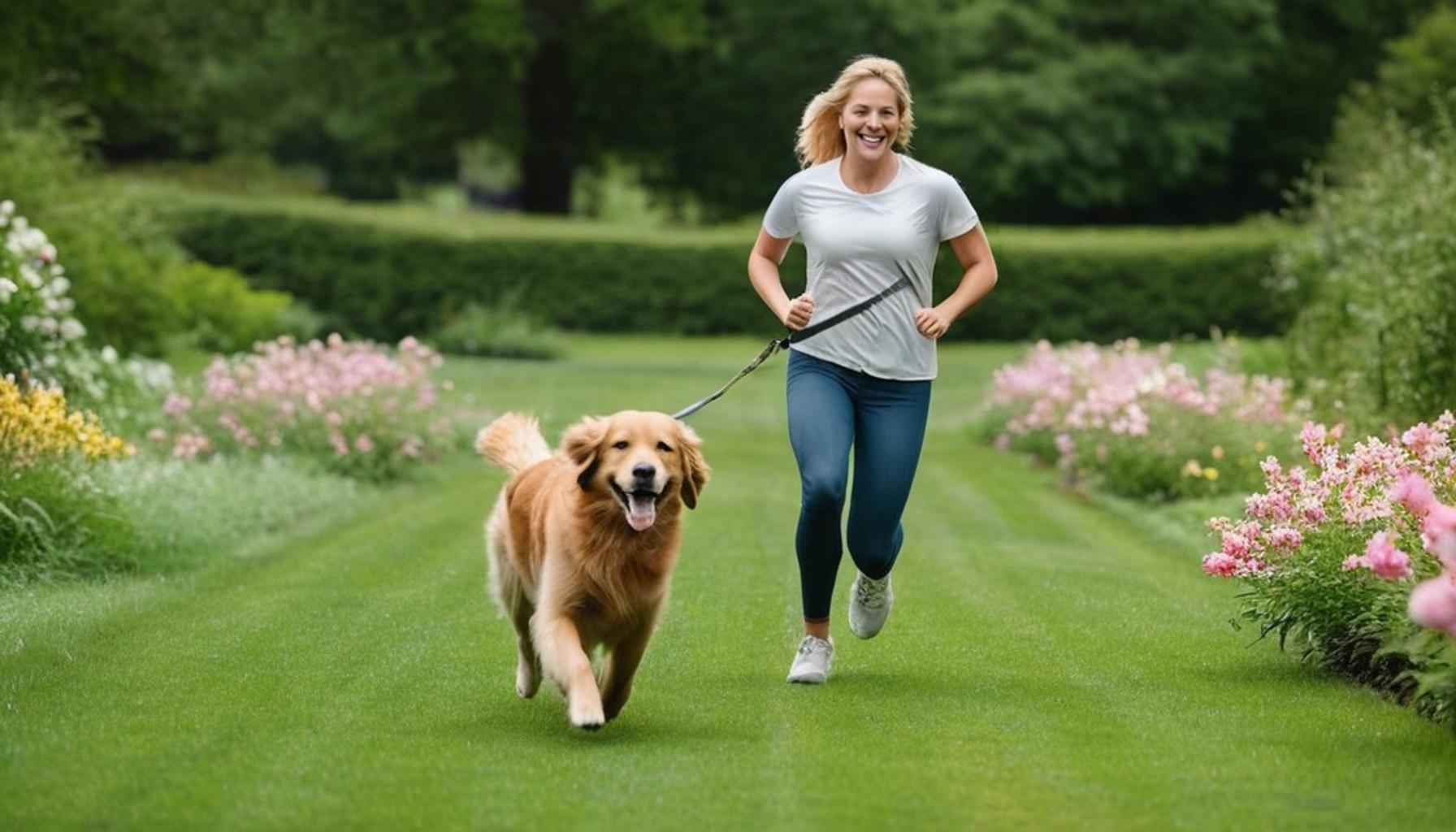
Why Every Pet Owner in Nigeria Should Pay Attention to Daily Activity
From the bustling streets of Lagos to the quiet compounds of Enugu, more Nigerian households are welcoming dogs and cats into their families. Estate compounds in Lekki, family homes in Ibadan, and apartments in Abuja are increasingly filled with paws pattering across tiled floors. But behind the wagging tails and playful purrs lies a question many owners overlook: is your pet getting enough movement to thrive?
A consistent exercise routine for pets is not just about burning energy. It directly shapes their physical health, emotional balance, and overall lifespan. Many owners assume feeding well is enough, but veterinarians across Nigeria increasingly stress that movement is just as critical as diet.
What Happens When Pets Don’t Move Enough?
Veterinary studies suggest that inactive pets face higher risks of obesity, joint problems, and behavioral issues. In fact, sedentary lifestyles can shorten a pet’s life expectancy by up to two years. This is a significant number when you consider that many dogs and cats already live shorter lives due to inconsistent veterinary care in some regions.
- Excess weight gain and diabetes risk
- Increased anxiety and destructive behavior
- Weakened muscles and joint stiffness
- Poor cardiovascular health
These outcomes highlight the importance of exercise for dogs and cats, regardless of breed or age. A local mixed-breed dog roaming a compound in Ogun State needs movement just as much as an imported German Shepherd guarding a home in Port Harcourt. Age also matters. Puppies and kittens require different activity levels compared to senior pets, yet both categories depend on daily movement to stay balanced.
The Bigger Picture: Physical and Mental Health Combined
Exercise does more than keep pets fit; it stimulates their minds. The mental health benefits for pets include reduced stress, better sleep patterns, and sharper cognitive function. A bored, understimulated dog is far more likely to chew furniture or bark excessively at neighbors, something many Nigerian households can relate to.
This is especially relevant for Nigerian pet owners dealing with compound living, hot climates, and limited outdoor space. Extreme heat during the dry season, coupled with smaller living areas in urban centers like Lagos and Abuja, makes structured activity even more necessary. Understanding practical pet exercise tips Nigeria-based owners can apply becomes essential, whether that means early morning walks before the sun intensifies or indoor play sessions during peak afternoon heat.
In the sections ahead, we explore how physical health in pets connects to daily habits, and what simple routines, some requiring little more than a leash, a ball, or a few minutes of consistent playtime, can make a lasting difference in a pet’s overall wellbeing.
YOU MAY ALSO LIKE: Read read another article
Building a Sustainable Exercise Routine for Pets in a Nigerian Setting
Designing an effective exercise routine for pets does not require expensive equipment or a large backyard. It requires consistency, awareness of your pet’s breed, and a willingness to adapt to Nigeria’s climate. Veterinarians in Lagos and Abuja often point out that owners underestimate how little daily movement is actually needed to see dramatic improvements in a pet’s wellbeing.
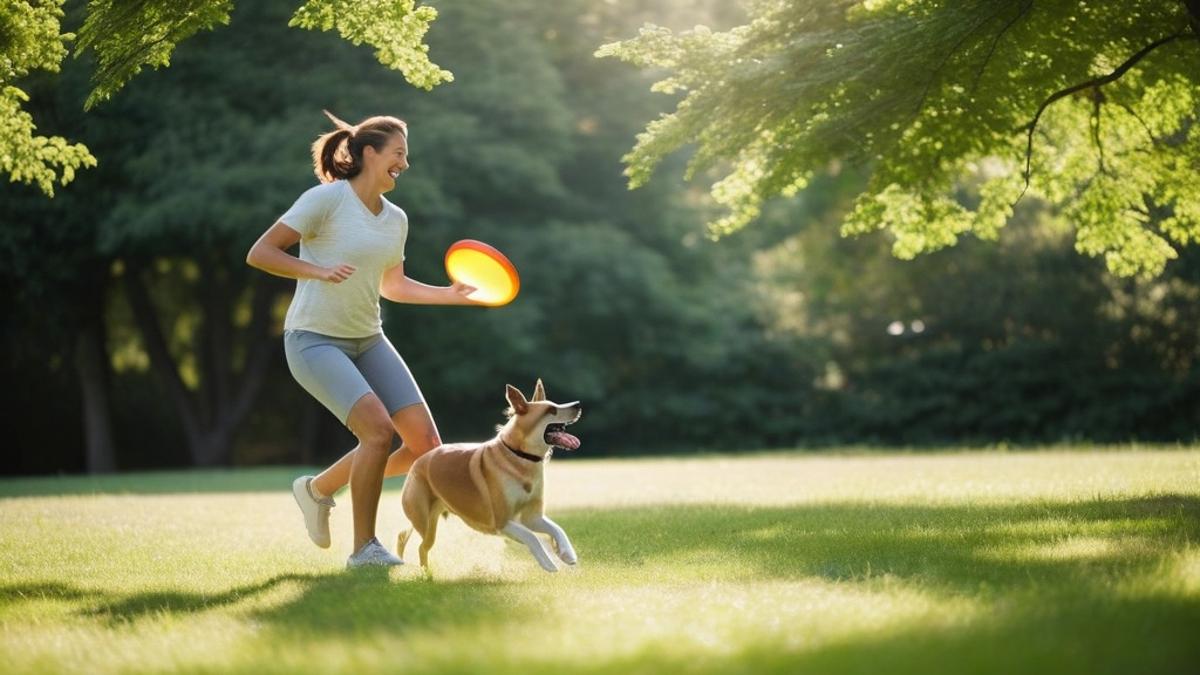
For most dogs, 20 to 30 minutes of brisk walking or active play twice daily can significantly reduce the risk of obesity. Cats, while more independent, still benefit from at least 15 minutes of interactive play using toys that mimic hunting behavior. These numbers may seem small, but the cumulative benefits of pet exercise become evident within weeks, improved appetite regulation, better sleep, and noticeably calmer temperaments.
Beyond the numbers, there is a cultural dimension worth noting. In many Nigerian households, dogs are kept primarily for security, which sometimes leads owners to overlook their recreational needs entirely. A guard dog confined to a small compound for years without structured movement often develops joint stiffness and, surprisingly, becomes less alert rather than more vigilant. Veterinary clinics in Ibadan and Enugu have reported a rise in consultations related to weight-related lethargy among compound dogs, a trend that mirrors similar patterns seen in urban pet populations across West Africa.
Practical Pet Exercise Tips Nigeria Owners Can Apply Today
Given the tropical climate and urban density in many Nigerian cities, timing and creativity matter just as much as the activity itself. Owners in Lagos, Kano, and Port Harcourt face different environmental challenges, from humidity to traffic-heavy streets, yet the same core principles apply.
- Schedule walks early morning or after 5 p.m. to avoid peak heat
- Use compound spaces for short sprint games with dogs
- Introduce puzzle feeders indoors for cats during hot afternoons
- Incorporate stair-climbing exercises for apartment-dwelling pets
- Rotate toys weekly to maintain mental engagement
These approaches address both physical health in pets and the psychological stimulation they need. A Nigerian household with limited outdoor space can still meet a pet’s activity requirements through structured indoor play, provided the routine remains consistent rather than sporadic.
Interestingly, some owners have begun experimenting with makeshift agility setups using household items, old tyres, wooden planks, and plastic crates arranged into simple obstacle courses. While this may sound unconventional, animal behaviorists note that novelty in movement patterns keeps pets mentally sharp, particularly intelligent breeds like Border Collies or mixed-breed street dogs that display high problem-solving instincts.
Why Consistency Outweighs Intensity
One misconception among pet owners is that occasional, high-intensity activity compensates for days of inactivity. Veterinary research disagrees. Irregular exercise patterns place unnecessary strain on joints and cardiovascular systems, particularly in older pets or breeds prone to hip dysplasia, such as Rottweilers and German Shepherds, both popular choices among Nigerian security-conscious homeowners.
Instead, a predictable pattern, even a modest one, produces better long-term outcomes. This is where the importance of exercise for dogs and cats becomes measurable rather than theoretical. Pets thrive on routine, and their bodies adjust to regular exertion far more efficiently than to unpredictable bursts of activity followed by prolonged rest.
Some Nigerian veterinary clinics have begun issuing simple exercise logs to pet owners, encouraging them to track walking duration and play sessions much like a fitness journal for humans. This small but deliberate habit has, according to early observations, helped owners identify gaps in their pet’s weekly activity that would otherwise go unnoticed until a health issue surfaces.
The next section examines how these physical habits intertwine with emotional stability, and why an under-exercised pet may display behavioral changes that many owners mistakenly attribute to stubbornness or poor training.
YOU MAY ALSO LIKE: Read read another article
When a dog paces endlessly by the gate or a cat scratches furniture into shreds, most Nigerian pet owners reach for punishment before they consider the root cause. Veterinary behaviorists, however, increasingly trace these actions back to one overlooked factor: insufficient movement. The mental health benefits for pets tied to regular activity are not a fringe theory anymore, they are backed by observable behavioral shifts documented in clinics from Jos to Calabar.
Dogs deprived of adequate stimulation often release pent-up energy through destructive chewing, excessive barking, or aggression toward visitors. This is not defiance; it is a nervous system searching for an outlet. Similarly, cats confined indoors without play may develop compulsive grooming habits, sometimes licking themselves bald in specific patches, a condition veterinarians refer to as psychogenic alopecia.
In compounds across Lagos and Port Harcourt, where security concerns often keep dogs tethered or confined to small yards, this problem has become particularly pronounced. A German Shepherd bred for patrol work but restricted to pacing a ten-square-meter enclosure will inevitably channel that unused energy somewhere, often toward the nearest gate visitor or the family’s favorite pair of slippers.
Recognizing the Signs of an Under-Exercised Pet
Many Nigerian households mistake behavioral distress for personality quirks. A dog labeled “hyperactive” or a cat called “moody” may simply be signaling unmet physical needs. Spotting these patterns early can prevent months of frustration.
- Restlessness or pacing during quiet hours
- Excessive barking at minor disturbances
- Destructive chewing on furniture, shoes, or wires
- Sudden aggression toward household members or other animals
- Withdrawal, hiding, or reduced interest in food
Interestingly, some of these symptoms mirror stress responses seen in humans, a fact that surprises many first-time pet owners. A dog that has not left the compound in weeks may begin displaying separation anxiety, even though it technically never leaves its owner’s presence. The confinement itself becomes the stressor.
Cat owners face a subtler challenge. Unlike dogs, cats rarely announce their distress through obvious noise. Instead, a bored or under-stimulated cat might knock items off shelves repeatedly, overeat out of sheer boredom, or develop an unusual attachment to a single blanket or toy, using it almost as a coping mechanism against the monotony of indoor confinement.
The Science Behind Movement and Mood
Physical activity triggers the release of serotonin and dopamine in animals, much like it does in humans. This chemical shift explains why a simple 20-minute walk can transform an agitated dog into a calm companion within the same afternoon. Veterinary researchers studying urban pet populations in West Africa have noted that animals with consistent activity schedules show measurably lower cortisol levels, the hormone associated with chronic stress.
This connection between physical health in pets and emotional regulation is precisely why an exercise routine for pets should never be treated as optional or purely cosmetic. It functions as preventive medicine, reducing the likelihood of costly behavioral interventions later.
Some Abuja-based veterinary clinics have begun recommending structured “activity prescriptions” for anxious pets, treating exercise with the same seriousness as medication dosages. A typical prescription might include morning walks before the sun intensifies, interactive toy sessions during afternoon downtime, and short evening play to burn off residual energy before nightfall.
Nigerian pet owners who have introduced structured play often report unexpected side effects, dogs becoming more responsive to commands, cats initiating affection rather than avoiding it. These shifts are not coincidental. They reflect a nervous system finally given permission to expend energy productively rather than store it as anxiety.
The broader implication reaches beyond individual households. As more Nigerian cities urbanize and outdoor space shrinks, understanding this mind-body connection becomes essential for anyone hoping to raise a genuinely well-adjusted pet, rather than simply a well-fed one. The evidence suggests that a tired pet, in the healthiest sense of the word, is invariably a happier and more manageable companion.
CHECK OUT: Click here to explore more
Conclusion: Building a Culture of Movement for Nigeria’s Pets
Across the article, one truth stands out clearly: a consistent exercise routine for pets is not a luxury reserved for show dogs or pampered cats, it is a fundamental pillar of wellbeing. From reduced destructive behavior to lower cortisol levels, the evidence linking movement to a calmer, healthier animal is difficult to dismiss.
Nigerian pet owners often focus heavily on feeding schedules and vaccination dates while overlooking the daily activity their animals genuinely require. Yet the benefits of pet exercise extend into nearly every corner of an animal’s life, sharper cognitive function, stronger joints, improved digestion, and a temperament that welcomes visitors rather than lunging at them.
What makes this topic particularly urgent is Nigeria’s shifting urban landscape. As compounds shrink and outdoor space becomes scarcer in cities like Lagos, Enugu, and Kano, pets increasingly depend on their owners to create intentional opportunities for movement rather than relying on open yards or free roaming.
Simple, practical pet exercise tips Nigeria households can adopt include early morning walks before temperatures climb, short indoor play sessions using affordable homemade toys, and rotating outdoor time to prevent monotony. None of these require expensive equipment, only consistency.
Understanding the importance of exercise for dogs and cats also means recognizing that mental stimulation matters just as much as physical exertion. Puzzle feeders, climbing perches, and even short training sessions can meaningfully supplement traditional walks or chase games.
Ultimately, the conversation around physical health in pets should shift from reactive treatment to proactive prevention. Owners who prioritize daily movement often find themselves spending less on behavioral corrections and veterinary visits related to stress-induced conditions.
As awareness grows, Nigerian pet owners have an opportunity to redefine what responsible ownership looks like, not just providing food and shelter, but committing to the kind of daily activity that keeps both body and mind genuinely thriving.
Frequently Asked Questions
How much daily exercise does a dog need in Nigeria’s hot climate?
Most dogs need at least 30 to 60 minutes of activity daily, but in Nigeria’s heat it’s best to exercise early morning or late evening to avoid heat stroke. Always provide water breaks and choose shaded routes when creating an exercise routine for pets during the day. Breeds with thick coats may need shorter, more frequent sessions rather than one long walk.
Can indoor cats benefit from an exercise routine for pets like dogs do?
Yes, indoor cats need regular physical activity to prevent obesity and boredom-related behavior problems common in Nigerian apartments. Simple activities like interactive toy play, laser chasing, or climbing shelves for 15 to 20 minutes twice a day can keep them mentally and physically healthy. Setting a consistent schedule helps cats stay active even without outdoor access.
What are signs that my pet is not getting enough exercise?
Common signs include excessive weight gain, destructive chewing, restlessness, excessive barking or meowing, and lethargy despite normal health. Pets lacking a proper exercise routine may also show anxiety or aggression due to pent-up energy. If you notice these behaviors, gradually increasing daily activity often resolves the issue within a few weeks.
Are there affordable ways to keep pets active without expensive equipment in Nigeria?
Absolutely, you can use everyday items like plastic bottles, ropes, or homemade agility obstacles to keep pets engaged without spending much. Walking your pet around your compound or local park, playing fetch with a tennis ball, or letting them explore safely in a garden are budget-friendly options. Group play with neighborhood pets can also add variety to their exercise routine at no extra cost.

Linda Carter
Linda Carter is a writer and pet care expert specializing in pet health, grooming, and wellness. With extensive experience helping pet owners create safe, loving, and enriching environments for their animals, Linda shares her knowledge on our platform. Her goal is to empower readers with practical advice and strategies to ensure their pets thrive and lead joyful, healthy lives.