Group Exercises: Benefits of Socializing Your Pet During Physical Activities
Why Nigerian Pet Owners Are Turning to Group Workouts
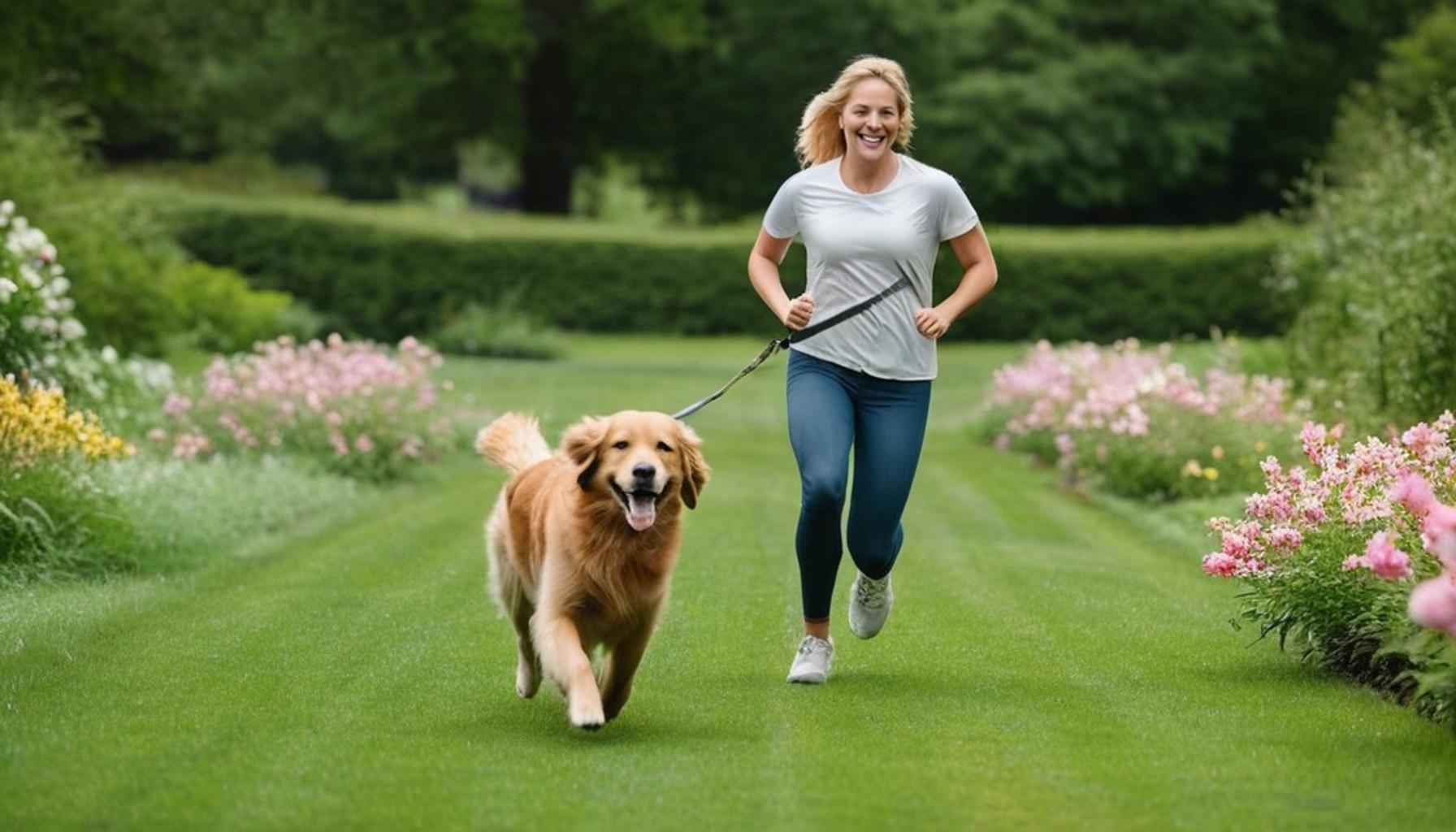
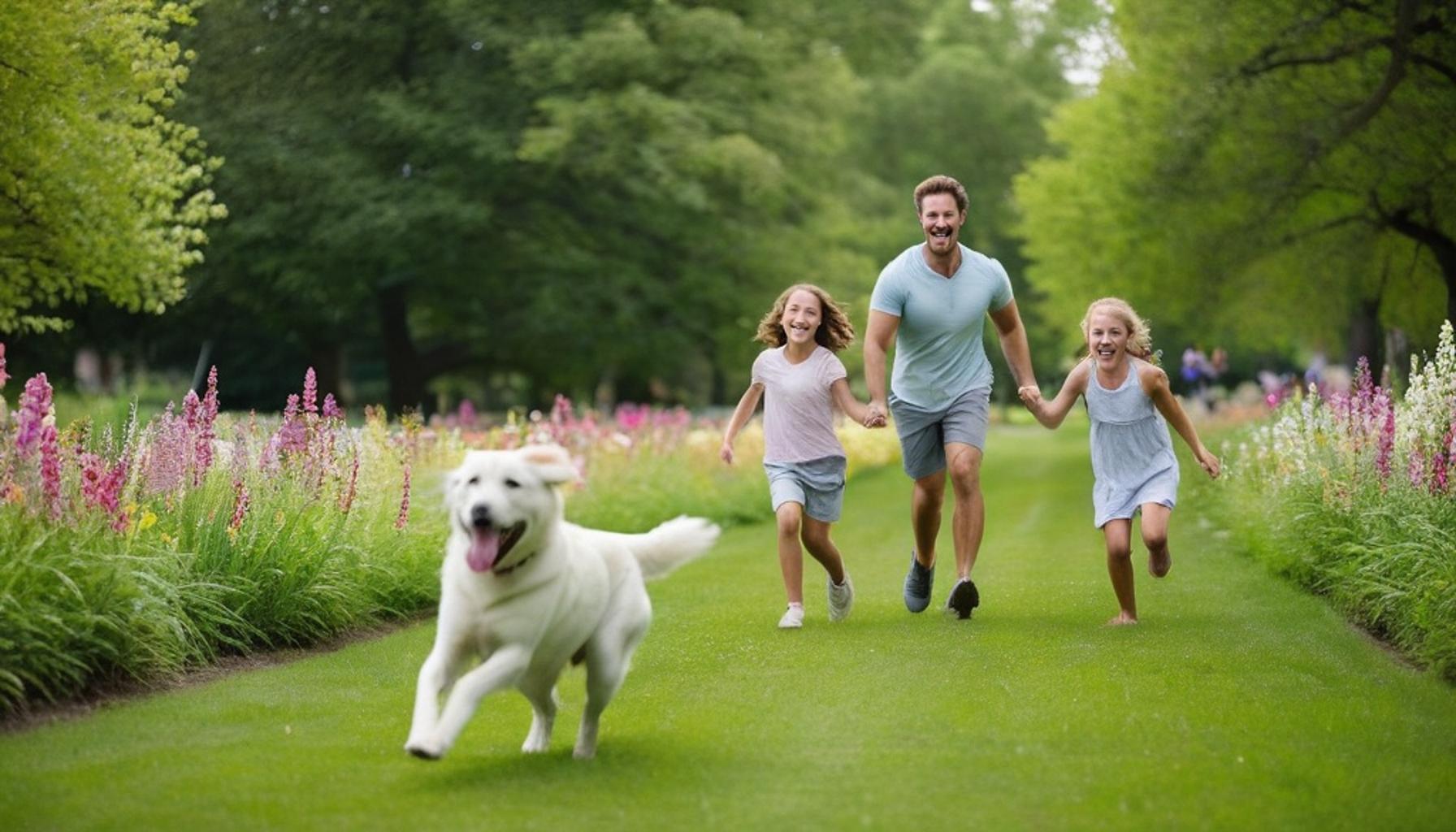
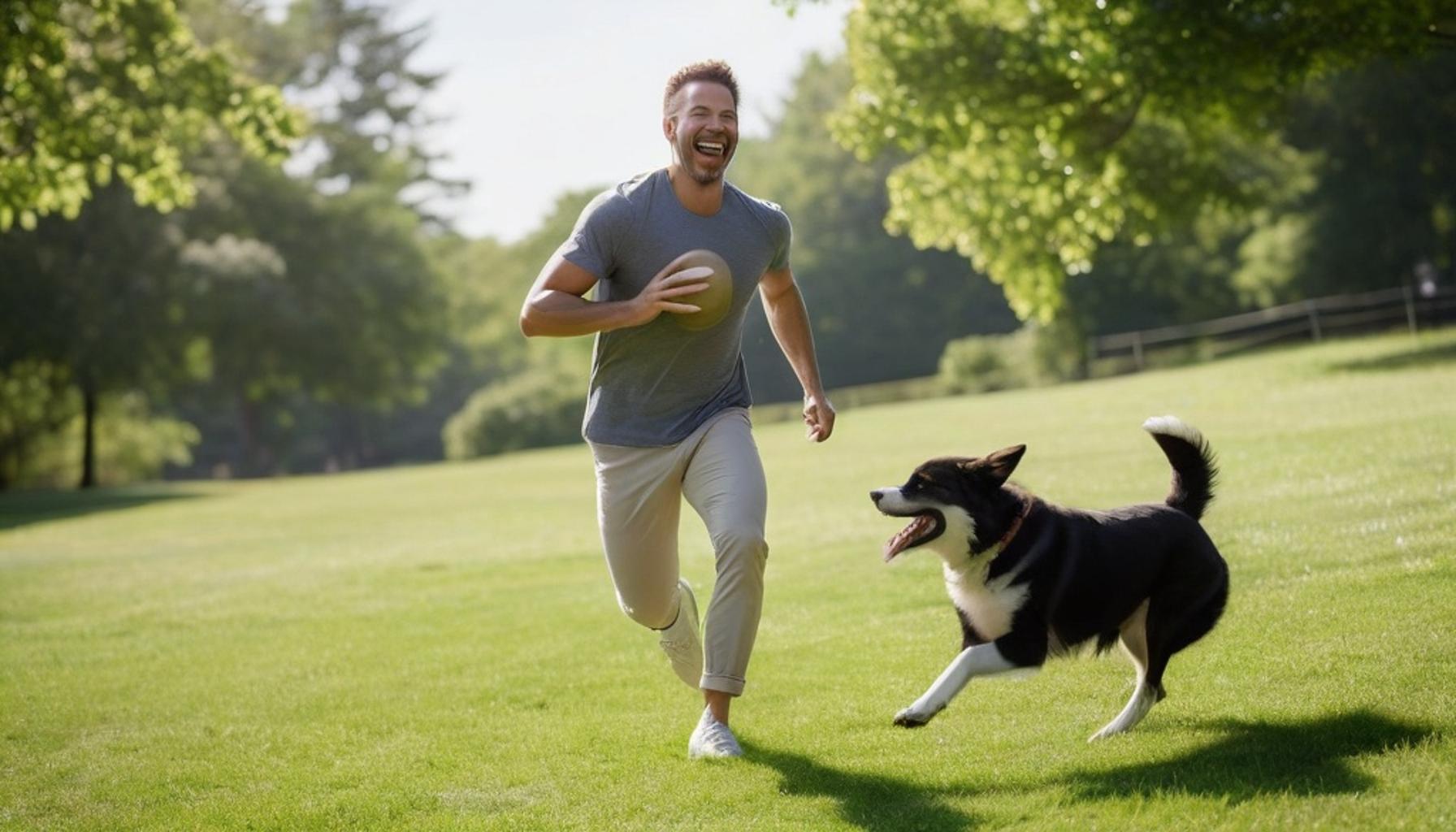
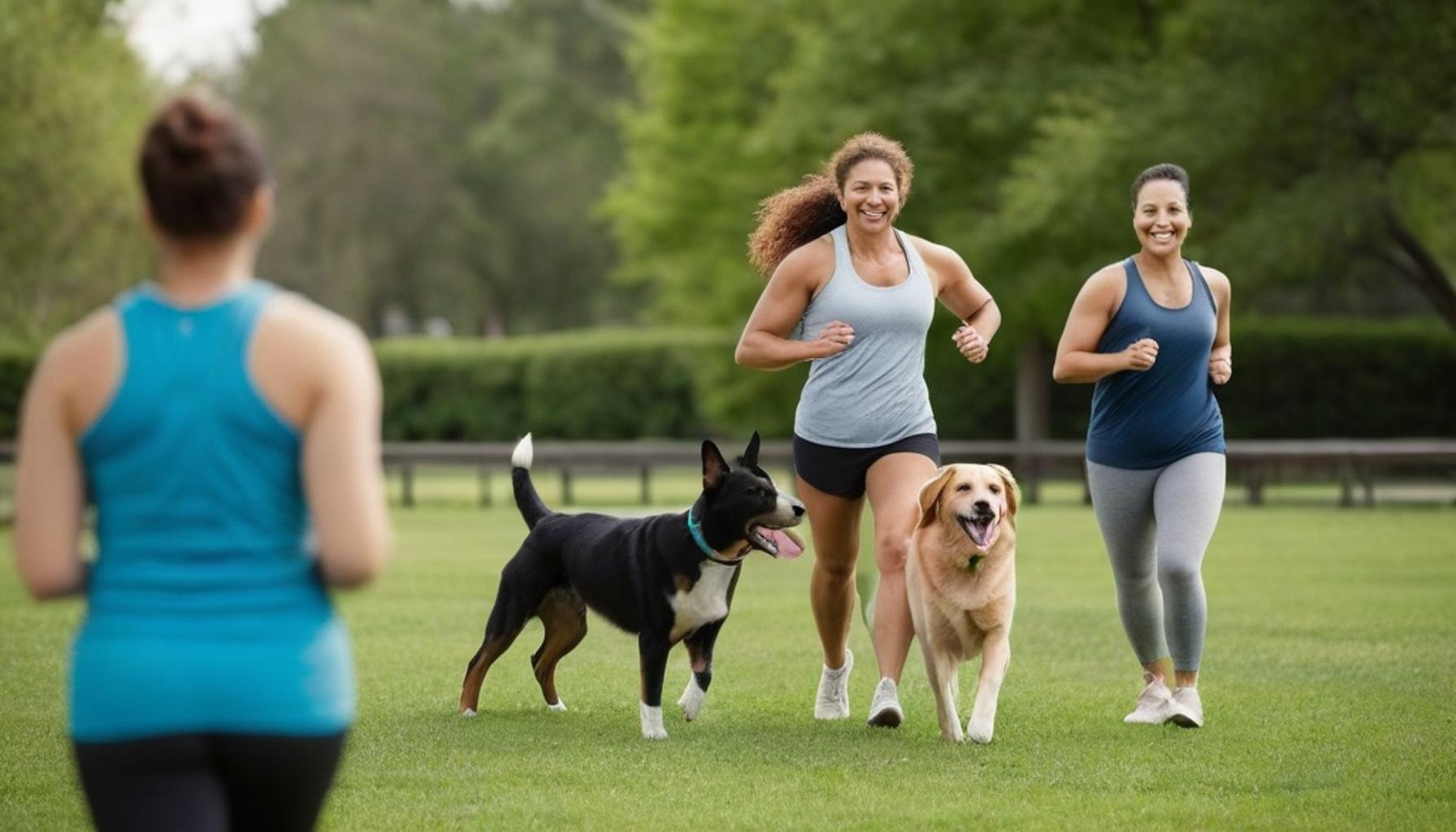
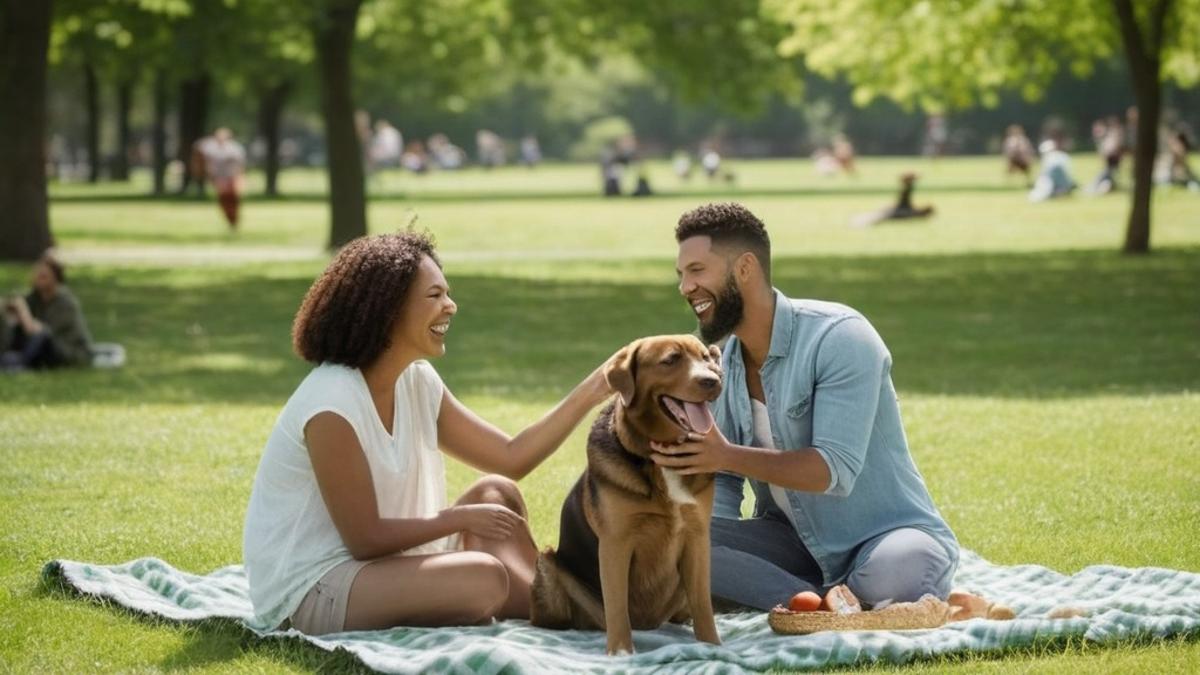
Picture a Saturday morning at a Lagos park, where dogs of every breed trot alongside their owners in a synchronized fitness session. Tails wag, paws pound against the grass, and laughter mixes with the occasional bark as strangers become friends over a shared love for their animals. This scene is becoming increasingly common as more pet parents discover Group Exercises for Pets. It’s a trend reshaping how Nigerians approach pet wellness, one leash and one lap at a time.
Gone are the days when a solitary walk around the compound was enough to tick the exercise box. Today’s pet owners are seeking structured, social ways to keep their animals active, mentally stimulated, and emotionally balanced. The result? A growing interest in outdoor activities for dogs that combine fitness with friendship, turning routine walks into full-blown community events.
What Makes Group Training Different
Unlike solo exercise routines, group sessions introduce pets to new environments, sounds, and companions they wouldn’t otherwise encounter. This exposure is critical for building socialization skills for animals, particularly for dogs prone to anxiety or aggression when faced with unfamiliar situations. Trainers often note that a nervous dog transformed after just a few weeks of consistent group interaction, learning to read cues from other animals and humans alike.
Consider the practical advantages pet owners are reporting after joining these sessions:
- Reduced destructive behavior at home, such as chewing furniture or digging up gardens
- Improved obedience during commands, even in distracting public settings
- Lower stress levels in multi-pet households, where jealousy or territorial disputes once caused tension
- Stronger bonds between pets and owners, built through shared physical activity and trust exercises
These outcomes aren’t just anecdotal. Many trainers across Nigerian cities are documenting visible improvements within weeks, encouraging skeptical owners to give it a try before dismissing it as another passing fad.
A Growing Movement Across Nigeria
From Abuja to Port Harcourt, pet fitness classes are popping up in response to rising demand from a generation of owners who view their pets less as mere guard dogs and more as family members deserving holistic care. Veterinarians increasingly recommend these sessions, citing the benefits of socializing pets as essential to long-term behavioral health, especially in urban environments where space is limited and isolation is common.
Some clinics have even begun partnering with local parks to host monthly meetups, blending veterinary checkups with playtime and structured drills. This intersection of healthcare and recreation signals a shift in how Nigerians perceive animal welfare altogether.
This article explores how group training for pets works, why it matters, and what Nigerian pet owners should know before joining their first session, whether it’s understanding the right breed mix, choosing a reputable trainer, or simply knowing what to pack for a morning at the park.
CHECK OUT: Daily Exercises: How to Keep Your Pet Active and Healthy
The Science Behind Social Play and Canine Wellbeing
Beyond the obvious charm of watching dogs frolic together, there’s a deeper physiological story unfolding during Group Exercises for Pets. Veterinary behaviorists point to measurable changes in cortisol levels, the stress hormone, when animals engage in structured play with peers. A dog that spends most of its day confined to a compound in Ikeja or Enugu often exhibits elevated stress markers compared to one that regularly interacts with other animals in open, supervised settings.
This isn’t just theory. Studies on canine behavior consistently show that pets exposed to varied social environments during puppyhood and adolescence develop better coping mechanisms as adults. They’re less likely to bark excessively at visitors, show aggression toward unfamiliar animals, or panic during loud events like Owambe celebrations with fireworks or blaring speakers.
Researchers studying domestic animal behavior have long noted that isolation, even well-intentioned isolation meant to keep a pet “safe,” can backfire over time. A dog raised without exposure to other animals often struggles to interpret basic social cues later in life. This is particularly relevant for Nigerian pet owners who may keep dogs primarily for security purposes, inadvertently limiting their exposure to structured social settings. The consequence is often a pet that reacts unpredictably when finally introduced to unfamiliar dogs or people, creating tension rather than the calm, controlled temperament most owners actually want.
How Physical Activity Amplifies Social Learning
What sets outdoor activities for dogs apart from indoor socialization attempts is the combination of movement and mental engagement happening simultaneously. When a dog runs alongside unfamiliar companions, it must process multiple stimuli at once, reading body language, adjusting pace, and negotiating space, all while burning off excess energy.
Trainers in Lagos and Ibadan have observed that dogs who attend weekly pet fitness classes show noticeably faster improvement in impulse control than those trained exclusively in isolated settings. The logic is straightforward: distractions during training mimic real-world scenarios, forcing pets to practice discipline under pressure rather than in a controlled vacuum.
Consider the difference between teaching a dog to sit in a quiet living room versus asking it to hold that same command while other dogs run past, children shout nearby, and unfamiliar scents fill the air. The second scenario, though harder, produces a dog that can actually function reliably in the chaotic, unpredictable environments common across Nigerian cities. This is why many trainers now advocate for hybrid programs that combine basic obedience work with regular group exposure, rather than treating the two as separate stages of training.
Several key developmental gains emerge from this blended approach:
- Enhanced ability to distinguish between playful and threatening body language in other animals
- Better tolerance for physical contact, useful during grooming or veterinary examinations
- Increased confidence in new environments, reducing flight or freeze responses
- Sharper recall skills, since pets learn to respond to commands despite competing distractions
These aren’t superficial perks. They translate directly into safer, more manageable pets at home and in public spaces, an increasingly important consideration as more Nigerian estates and apartment complexes adopt pet-friendly policies with strict behavioral expectations.
What’s particularly striking is how quickly these changes manifest. Many trainers report visible shifts in a pet’s demeanor within four to six sessions, a timeline that challenges the assumption that behavioral change requires months of dedicated, one-on-one intervention.
This rapid progress raises an interesting question worth exploring further: if structured group activity produces such measurable results in such a short window, why do so many pet owners still default to solitary training methods? Part of the answer may lie in accessibility. Not every neighborhood has organized pet fitness programs, and not every owner has the time or resources to seek them out. Yet as awareness grows and more facilities emerge across major Nigerian cities, the gap between what science recommends and what pet owners actually practice appears to be narrowing, slowly but steadily.
Key Aspects of Group Exercises for Pets and Their Benefits
When it comes to Group Exercises for Pets, understanding the core components can help owners make informed decisions about their pet’s routine. Below is a breakdown of essential aspects related to the benefits of socializing pets through structured physical activities, from pet fitness classes to outdoor activities for dogs.
| Category | Key Benefit |
|---|---|
| Group Training for Pets | Improves obedience through peer motivation and structured commands |
| Socialization Skills for Animals | Reduces anxiety and aggression by exposing pets to varied stimuli |
| Outdoor Activities for Dogs | Boosts cardiovascular health and stamina in natural environments |
| Pet Fitness Classes | Provides guided routines that prevent obesity and joint issues |
| Owner-Pet Bonding | Strengthens trust through shared physical challenges |
Each of these categories plays a distinct role in shaping a well-rounded, socially adept pet. Exploring how these elements interconnect reveals surprising insights into long-term behavioral improvements.
YOU MAY ALSO LIKE: The Importance of an Exercise Routine for the Physical and Mental Health of Pets
Building Community Through Shared Pet Experiences
There’s a social dimension to Group Exercises for Pets that often gets overlooked amid discussions of hormones and behavior charts. When owners bring their animals together for structured activity, something else happens simultaneously: human networks form. Pet parents in Abuja’s Gwarinpa estate or Lagos’ Lekki Phase 1 often report that regular walking groups introduced them to neighbors they’d never have met otherwise.
This matters more than it might initially appear. Nigerian pet ownership has traditionally operated in silos, with owners rarely exchanging notes on feeding schedules, vaccination timelines, or behavioral quirks. Group settings change that dynamic entirely. Suddenly, there’s a support system, someone who noticed your dog limping last week, someone who recommends a vet in Surulere because their own Alsatian had a similar issue.
Beyond the practical exchange of information, there’s an emotional layer that many participants describe only after months of consistent attendance. Owners who once viewed pet care as a solitary responsibility begin to see it as a shared project, one where advice flows freely and small victories, a dog finally mastering a sit command, a cat tolerating a leash, get celebrated collectively rather than in isolation.
Practical Formats Gaining Traction Across Nigerian Cities
Several models of group training for pets have started appearing in urban centers, each tailored to different lifestyles and budgets. Weekend park meetups remain the most accessible, often organized informally through WhatsApp groups or social media pages dedicated to pet owners in specific neighborhoods.
More formalized options are also emerging. Some fitness centers in Lagos have begun offering hybrid sessions where owners exercise alongside their pets, combining human cardio routines with canine agility drills. This dual-purpose approach appeals to busy professionals who struggle to find separate time for personal fitness and pet care.
Common formats currently observed include:
- Structured obedience walks through estate compounds, often led by a certified trainer
- Agility circuits set up in open fields, incorporating hurdles, tunnels, and balance beams
- Swimming sessions at pet-friendly facilities, particularly beneficial for older dogs with joint concerns
- Weekend “meet and greet” sessions designed purely for supervised social interaction rather than formal training
Each format contributes differently to socialization skills for animals, but the common thread is consistency. Trainers frequently note that sporadic participation yields minimal results, while weekly attendance over two to three months produces noticeably calmer, more adaptable pets.
There’s also a financial angle worth mentioning. While private one-on-one training sessions in cities like Port Harcourt can cost significantly more per hour, group sessions typically split costs among multiple participants, making the benefits of socializing pets accessible to a wider range of income brackets.
Interestingly, some veterinary clinics have started partnering with local trainers to host monthly group sessions, using the opportunity to conduct informal health checks alongside the exercise component. This dual-purpose model, part fitness, part preventive care, appears to be gaining quiet momentum in cities where standalone pet wellness infrastructure remains limited.
For owners hesitant about diving into unfamiliar group settings, many facilitators now offer trial sessions before requiring commitment. This lowers the barrier to entry considerably, allowing skeptical pet parents to observe firsthand how their animal responds before investing time or money into a longer program.
What This Means for the Future of Pet Culture in Nigeria
As more Nigerians embrace pets not just as guard animals or status symbols but as genuine companions, the demand for structured, community-oriented exercise options is likely to grow. Estate management committees in cities like Ibadan and Kano have started fielding requests from residents asking whether shared green spaces could be scheduled for pet activity days, a request that would have seemed unusual just a few years ago.
Some observers argue that this shift mirrors broader changes in Nigerian urban lifestyles, where communal activities, once centered around religious gatherings or extended family events, are increasingly finding new expression through shared interests like fitness, wellness, and now, pet care. Whether this trend solidifies into permanent infrastructure, dedicated dog parks, licensed group trainers, insurance-backed wellness programs, remains to be seen, but the early signs suggest a growing appetite for it.
For now, the movement remains largely grassroots, driven by individual trainers, small business owners, and enthusiastic pet parents willing to experiment with new formats. Yet the ripple effects, stronger neighborhood ties, better-informed owners, and healthier, more socially adjusted animals, suggest this is a trend worth watching closely in the months ahead.
CHECK OUT: The Importance of an Exercise Routine for the Physical Health of Pets
The Bigger Picture: Why This Trend Deserves Attention
Pulling these threads together, Group Exercises for Pets emerge as something far more consequential than a passing lifestyle fad. What begins as a simple attempt to tire out a restless dog or curb a cat’s anxious streak often evolves into a broader shift in how Nigerian pet owners relate to their animals, their neighbors, and their cities.
The evidence gathered across Lagos, Abuja, Ibadan, and Port Harcourt points to a pattern that’s hard to ignore. Consistent participation in outdoor activities for dogs and other pets doesn’t just improve physical fitness, it reshapes temperament, builds tolerance for unfamiliar situations, and strengthens the bond between owner and animal in ways solitary walks rarely achieve.
Equally significant is the human element. Neighborhoods that once felt disconnected are finding new common ground through shared pet routines, proving that group training for pets carries value extending well beyond the animals themselves.
Cost accessibility, informal veterinary partnerships, and trial-based entry points have all lowered barriers that once kept many households on the sidelines. As a result, the benefits of socializing pets are no longer confined to affluent estates but are gradually reaching a broader cross-section of pet owners.
Looking ahead, the expansion of pet fitness classes and dedicated community spaces will likely depend on continued grassroots momentum rather than top-down infrastructure. Whether this translates into permanent dog parks or formalized trainer certifications remains uncertain.
What seems clear, however, is that Nigerian pet culture is entering a new phase, one where socialization skills for animals are valued alongside obedience, and where community, rather than isolation, defines responsible pet ownership. That shift alone makes this a space worth watching closely.
Frequently Asked Questions
What are the best places in Nigeria to organize group exercises for pets?
Public parks, open estate compounds, and pet-friendly recreational centers in cities like Lagos, Abuja, and Port Harcourt are great options for group exercises for pets. Many gated estates now allow residents to book communal green spaces for supervised pet playgroups. Always confirm with local authorities or estate management before organizing a session to avoid conflicts with other residents.
How do group exercises for pets help reduce aggressive behavior in dogs?
Group exercises for pets expose dogs to different animals and people in a controlled setting, which helps them learn appropriate social cues and reduces fear-based aggression. Regular positive interactions during play or walks teach dogs to read body language and respond calmly instead of reacting defensively. Over time, this consistent exposure builds confidence and lowers stress-induced aggression, especially in breeds commonly kept for guarding in Nigerian homes.
Are group exercises for pets safe for puppies that haven’t completed all their vaccinations?
It’s best to wait until your puppy has completed its core vaccinations, including rabies and parvovirus shots, before joining group exercises for pets, since Nigerian environments can carry high exposure to diseases like parvo. Consult your veterinarian to confirm your puppy’s immunity status before introducing them to group settings. Once cleared, start with small, controlled groups rather than large open sessions to minimize health risks.
What types of group exercises for pets work best for hot Nigerian climates?
Early morning or evening sessions involving fetch, group walks, or swimming (where water access is available) work well for pets in Nigeria’s hot climate. Avoid midday activities when temperatures peak, as pets can quickly overheat or suffer heatstroke. Always provide shaded rest areas and fresh water during any outdoor group exercise session.
Can cats also benefit from group exercises for pets, or is this mainly for dogs?
While dogs are more commonly involved in group exercises for pets, cats can benefit too, especially through supervised interactive play sessions with familiar feline companions in a secure indoor or enclosed outdoor space. Cat socialization should be introduced gradually since cats are naturally more territorial than dogs. Using toys, climbing structures, and short supervised meetups can help cats build tolerance and reduce stress around other animals.

Linda Carter
Linda Carter is a writer and pet care expert specializing in pet health, grooming, and wellness. With extensive experience helping pet owners create safe, loving, and enriching environments for their animals, Linda shares her knowledge on our platform. Her goal is to empower readers with practical advice and strategies to ensure their pets thrive and lead joyful, healthy lives.