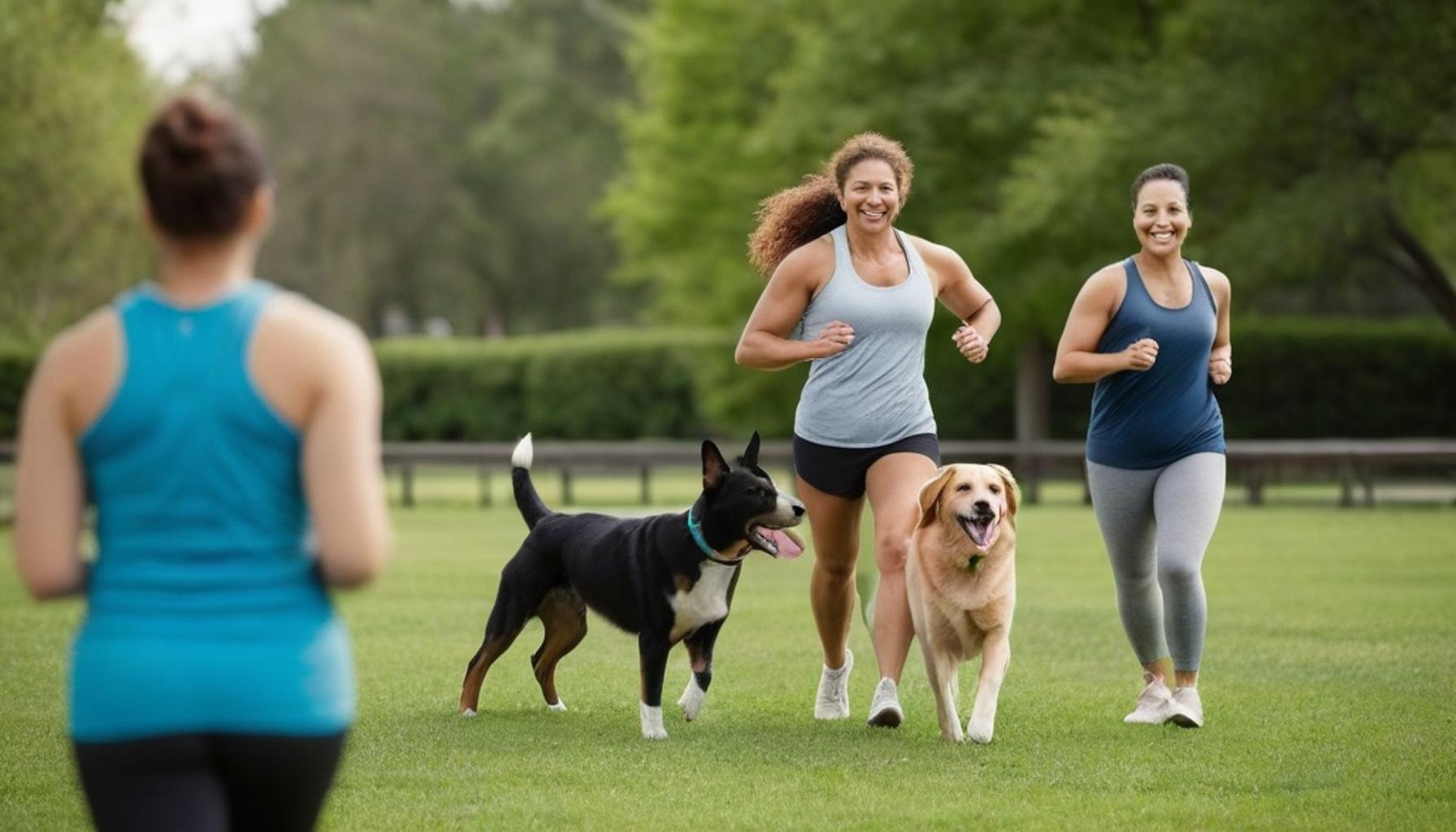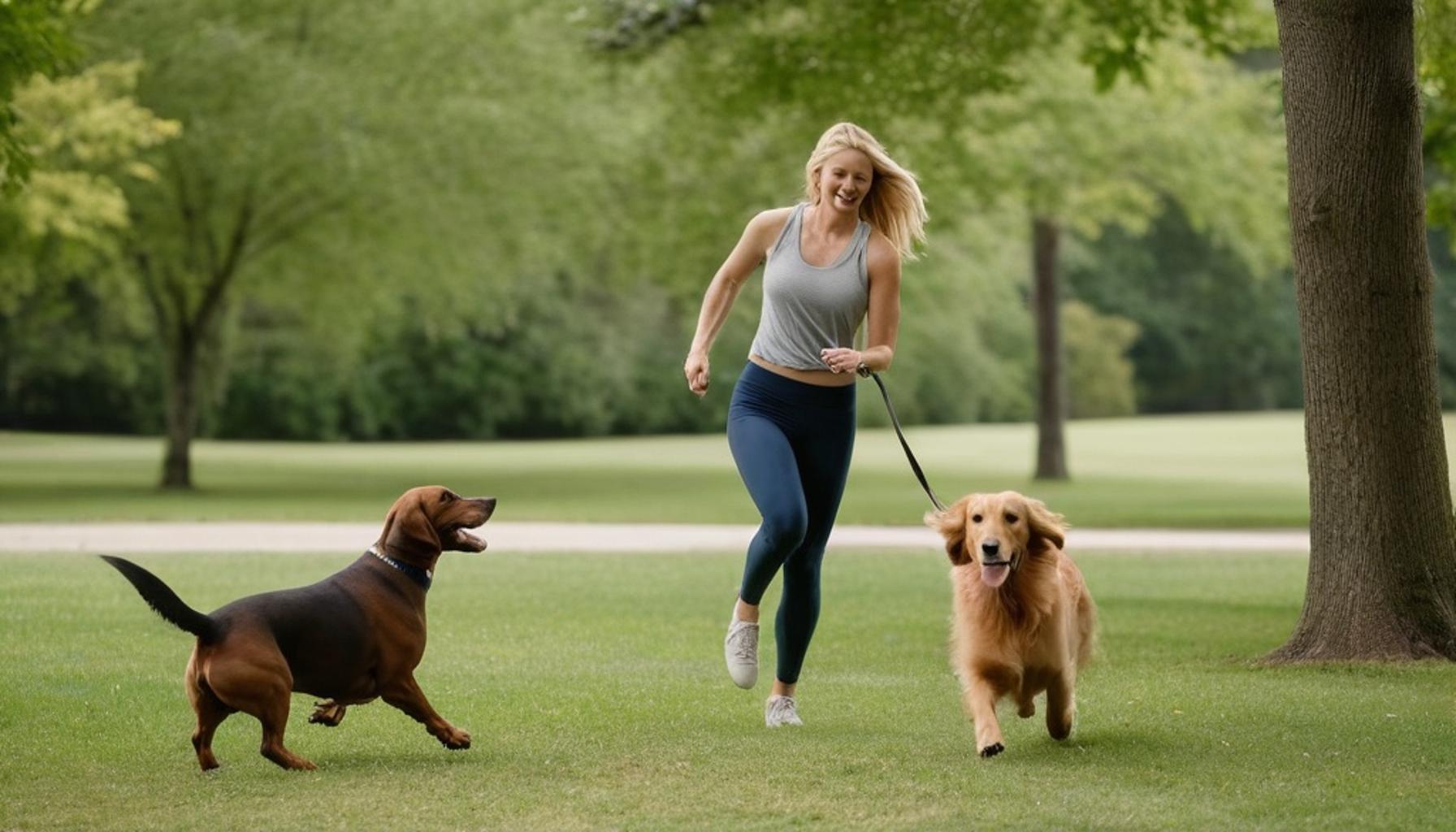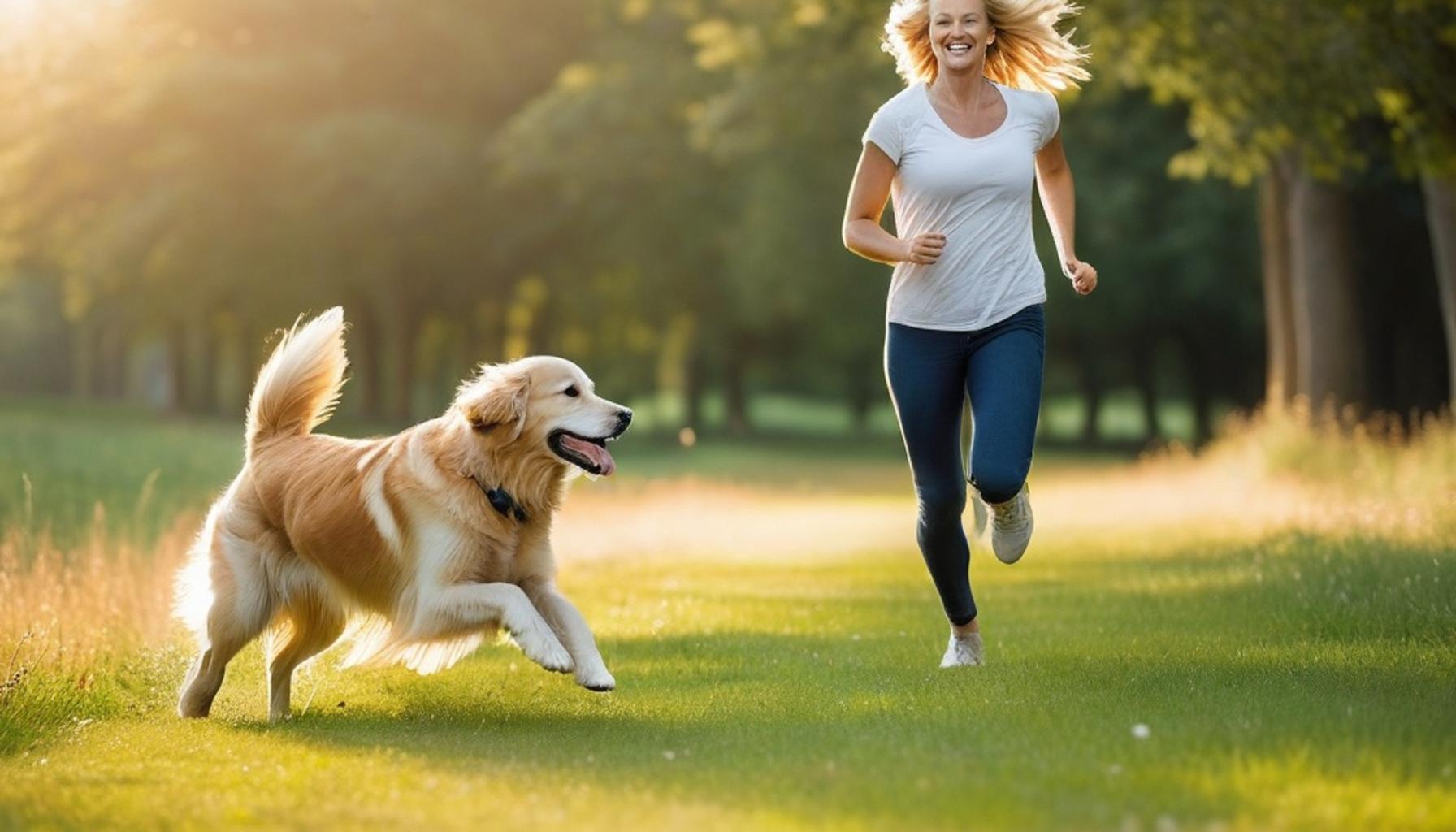
The Importance of an Exercise Routine for the Physical Health of Pets
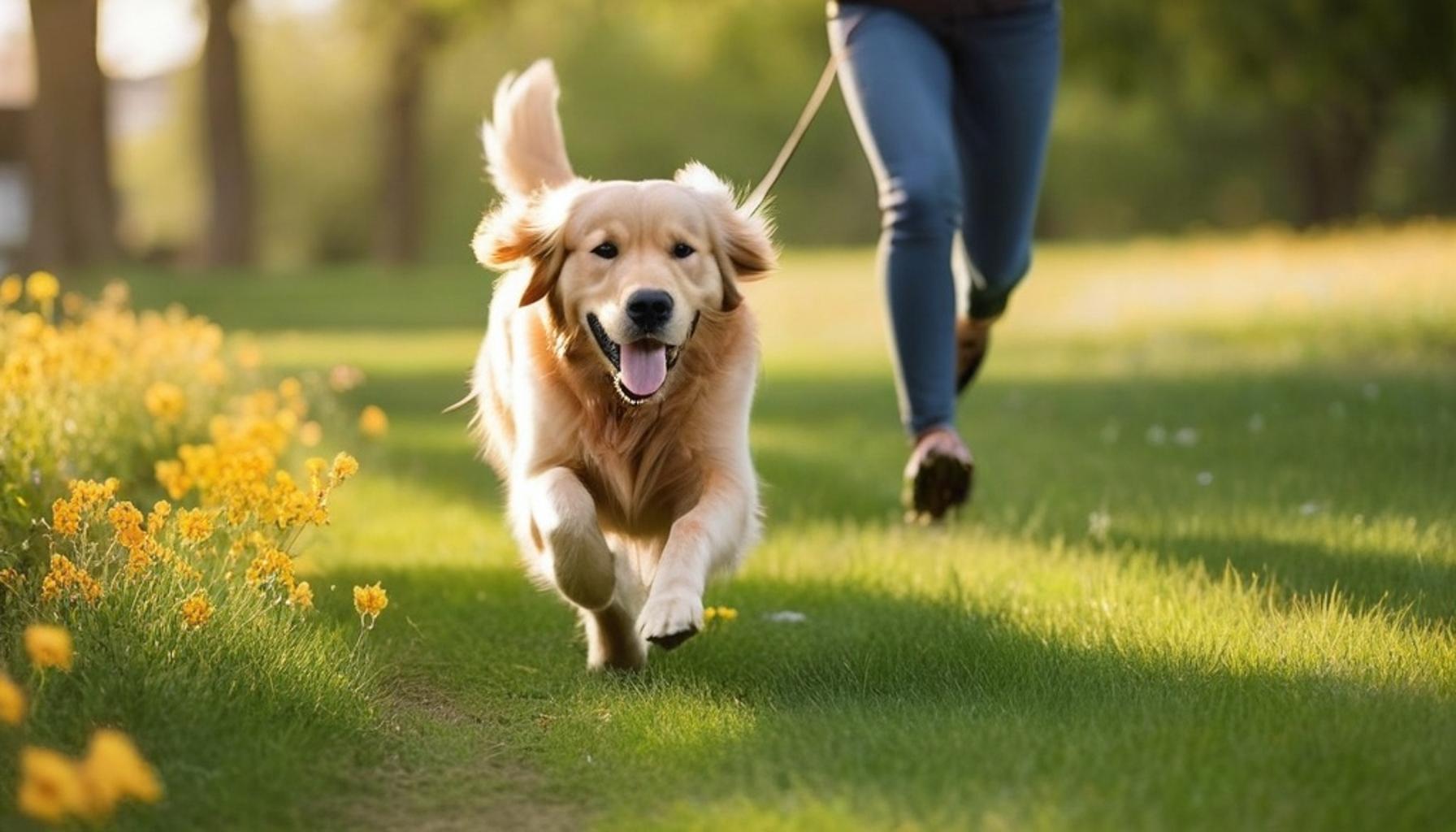
Why Every Nigerian Pet Deserves a Daily Dose of Movement
From the bustling streets of Lagos to the quieter compounds of Enugu, more Nigerian households are welcoming dogs and cats into their families. But owning a pet goes beyond feeding and shelter. A consistent exercise routine for pets is quickly becoming a topic that veterinarians and pet owners cannot ignore.
Many pet owners assume that a wagging tail or a purring cat means everything is fine. However, the physical health of pets depends heavily on regular activity, not just food and affection. In cities like Abuja and Port Harcourt, where compound spaces are shrinking and apartment living is on the rise, pets often spend most of their day indoors with little room to run. This shift in lifestyle has quietly created a generation of underactive animals whose owners remain unaware of the risks building up beneath the surface.
The Hidden Cost of an Inactive Lifestyle
Just like humans, pets can develop serious health issues when they lack movement. Veterinary studies suggest that inactive pets face higher risks of obesity, joint problems, and even shortened lifespans. A dog left indoors all day in Kano’s heat, for instance, may seem calm, but that stillness can mask a growing list of health complications that only surface months or years later.
Some common consequences of skipping physical activity include:
- Weight gain and obesity-related diseases
- Muscle weakness and joint stiffness
- Increased anxiety and destructive behavior
- Higher risk of diabetes and heart complications
Local veterinary clinics across major Nigerian cities have reported a noticeable rise in overweight cats and dogs brought in for check-ups, many of whom show early signs of conditions once considered rare in tropical climates.
What Makes Exercise So Essential?
The benefits of pet exercise go far beyond keeping your furry friend physically fit. Movement stimulates the mind, strengthens the heart, and supports digestion. A short walk around the neighborhood or a simple game with a ball can do wonders that no amount of premium pet food alone can achieve.
An active lifestyle for pets also strengthens the bond between owner and animal, especially through shared activities like walking or playing fetch. This connection often mirrors the deep companionship many Nigerians already share with their pets, whether it is a loyal dog guarding the gate or a curious cat wandering the veranda.
This article explores practical pet fitness tips and simple strategies for exercising dogs and cats, even within the busy rhythm of Nigerian daily life.
RECOMMENDED: Recreational Activities for Pets: Creating a Fun Exercise Routine
# Building a Sustainable Exercise Routine for Pets in a Nigerian Setting
Understanding why movement matters is only half the story. The real challenge for many Nigerian households lies in creating an exercise routine for pets that fits into already packed daily schedules. Between generator noise, traffic, and unpredictable weather, finding time to keep a dog or cat active can feel like an afterthought rather than a priority.
Yet veterinary experts insist that consistency matters more than intensity. A brief, structured routine practiced daily produces far better results than sporadic bursts of activity once a week. This is particularly true for pets living in urban centers like Ibadan or Lagos, where space constraints often discourage owners from even attempting regular exercise.
Beyond the logistics of time and space, there is also a cultural dimension worth examining. In many Nigerian communities, pets have traditionally been kept for security or companionship rather than as fitness partners. This mindset is gradually shifting, especially among younger urban dwellers who view their dogs and cats as family members deserving of proper care. As this attitude spreads, more households are beginning to ask not just whether their pets are fed and safe, but whether they are truly thriving physically and mentally.
How Much Activity Does Your Pet Actually Need?
The physical health of pets depends on activity levels that vary by breed, age, and size. A young Alsatian, for example, requires significantly more movement than an aging Lhasa Apso. Veterinary guidelines commonly recommend the following baseline targets:
- Dogs: between 30 minutes and 2 hours of activity daily, depending on breed and energy level
- Cats: at least 15 to 20 minutes of interactive play, twice a day
- Puppies and kittens: shorter, frequent bursts of play rather than prolonged exertion
- Senior pets: gentle, low-impact movement to protect joints while maintaining mobility
These figures are not arbitrary. They are drawn from broader veterinary research on canine and feline physiology, adapted to fit realistic expectations for pet owners balancing work, family, and household responsibilities. Nigerian veterinarians often stress that these numbers should be treated as flexible guides rather than strict rules, since factors like extreme heat, humidity, and even the type of terrain around a home can influence how much exertion a pet can safely handle in a single session.
It is also worth noting that breed-specific needs can catch many owners off guard. A Nigerian local breed dog, often more heat-tolerant and naturally active, may thrive with less structured intervention compared to imported breeds like Huskies or German Shepherds, which were bred for cooler climates and higher activity demands. Recognizing these differences can prevent both under-exercising and over-exertion, both of which carry their own health risks.
Practical Ways to Fit Exercise Into a Busy Nigerian Routine
Contrary to popular belief, an active lifestyle for pets does not require expensive equipment or sprawling estates. Many Nigerian pet owners have found creative ways to incorporate movement into daily life without disrupting their schedules.
Some practical pet fitness tips gaining popularity include:
- Early morning walks before the heat intensifies, especially in cities like Kaduna or Sokoto
- Using compound spaces creatively with fetch games or obstacle-style play
- Engaging cats with feather wands or laser pointers during short breaks at home
- Turning household chores, like sweeping the yard, into supervised outdoor time for pets
These small adjustments demonstrate that exercising dogs and cats does not have to compete with a demanding lifestyle. Instead, it can be woven into existing routines with minimal disruption, offering long-term benefits that far outweigh the effort required.
Some households have even begun experimenting with weekend group walks in estates like Lekki or Magodo, where neighbors bring their dogs together for shared exercise sessions. This not only ensures pets get adequate movement but also builds a sense of community among owners, many of whom exchange tips on nutrition, grooming, and behavior in the process. Such informal gatherings hint at a broader shift in how Nigerians are beginning to prioritize animal wellbeing, treating exercise not as an optional extra but as a fundamental part of responsible pet ownership.
Ultimately, the path toward a sustainable exercise routine lies in small, deliberate choices repeated consistently. Whether through a quick game of fetch before work or a calm evening walk after the day’s chaos settles, Nigerian pet owners are proving that fitness for animals can coexist with even the busiest of lifestyles.
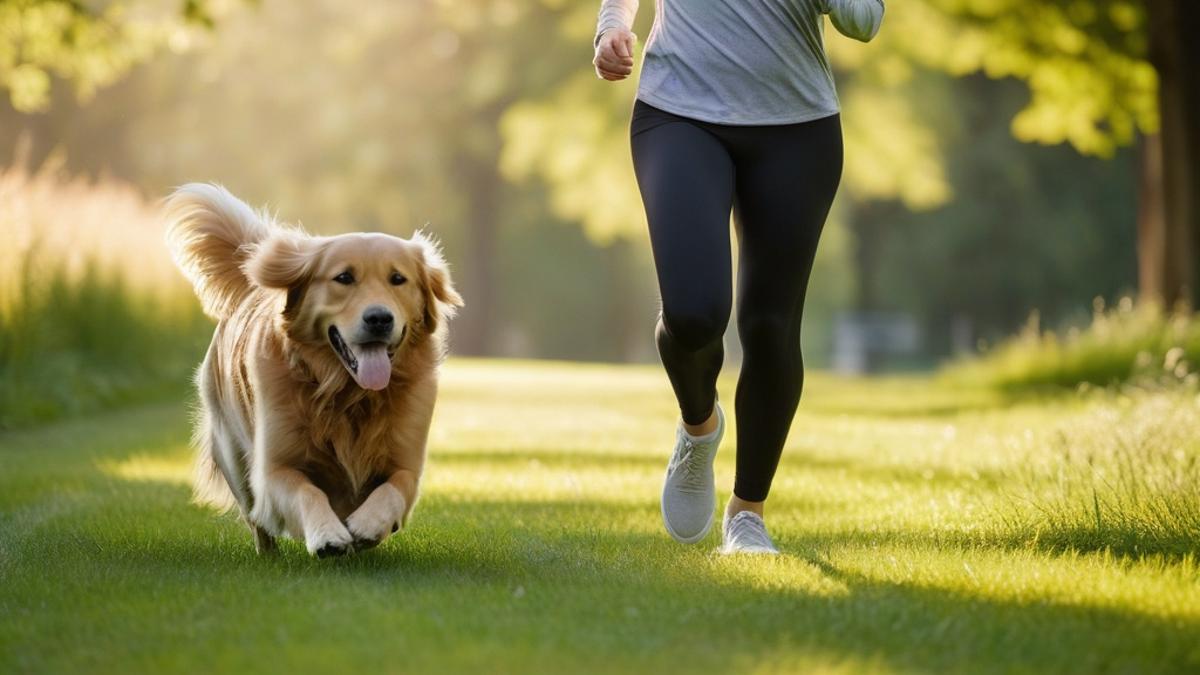
Key Aspects of an Exercise Routine for Pets and Their Health Benefits
Understanding the physical health of pets requires looking beyond diet alone. A structured exercise routine for pets directly influences muscle tone, cardiovascular endurance, and joint mobility. Below is a breakdown of essential categories every pet owner should consider when building an active lifestyle for pets.
| Category | Health Impact |
|---|---|
| Cardiovascular Fitness | Daily walks or play sessions strengthen the heart and improve oxygen circulation, reducing risks of obesity-related disease. |
| Joint and Muscle Health | Regular movement prevents stiffness and supports long-term mobility, especially in aging dogs and cats. |
| Weight Management | Consistent activity burns calories, one of the most effective pet fitness tips against obesity. |
| Mental Stimulation | Exercise reduces anxiety and destructive behavior, reinforcing the benefits of pet exercise beyond the physical. |
SEE ALSO: Benefits of Outdoor Activities for the Emotional Well-Being of Pets
# Recognizing the Warning Signs of an Inactive PetMany Nigerian pet owners only begin searching for solutions after noticing something is wrong. A dog that once bounded toward the gate at the sound of a car now barely lifts its head. A cat that used to chase shadows across the sitting room now sleeps for most of the day. These shifts, though subtle, often point to a deeper problem rooted in the absence of a consistent exercise routine for pets.Veterinary clinics across Lagos, Abuja, and Port Harcourt report a steady rise in pets presenting with weight-related complications, many of which trace back to insufficient movement rather than diet alone. Recognizing the early indicators can help owners intervene before conditions worsen.
Common Physical and Behavioral Red Flags
Pet owners should watch for the following signs, which often signal that an animal’s activity levels have fallen below what its body requires:
- Noticeable weight gain or difficulty feeling the ribs beneath the coat
- Reluctance to climb stairs, jump onto furniture, or engage in play
- Excessive panting after minimal exertion
- Restlessness, chewing on furniture, or unusual aggression, particularly in dogs
- Lethargy that persists even after adequate rest and feeding
These symptoms are not merely cosmetic concerns. Left unaddressed, they often progress into more serious conditions such as diabetes, joint degeneration, and cardiovascular strain. The benefits of pet exercise extend far beyond appearance, touching almost every organ system that keeps an animal functioning properly.
The Financial Argument for Keeping Pets Active
Beyond health outcomes, there is a practical financial incentive that many Nigerian households overlook. Treating obesity-related complications, such as arthritis or diabetes, can cost significantly more than the time and effort required to maintain a basic activity schedule.
Veterinary consultations for chronic conditions in Nigeria can range from a few thousand naira for basic check-ups to considerably higher figures when specialized diagnostics, medication, or long-term management are involved. Compare this to the cost of a daily walk or twenty minutes of interactive play, both of which require no financial investment beyond time.
This makes an active lifestyle for pets not just a health decision but an economic one. Preventive care, in the form of consistent movement, remains far cheaper than reactive treatment.
Tailoring Exercise to Nigeria’s Climate and Environment
Nigeria’s tropical climate presents unique challenges that owners in temperate countries rarely consider. Humidity levels in cities like Calabar or Warri can make midday exercise risky, particularly for short-nosed breeds such as Pugs or Bulldogs, which struggle to regulate body temperature efficiently.
Adjusting exercise timing to early mornings or early evenings helps reduce the risk of heat exhaustion while still meeting daily movement requirements. Owners in drier northern regions, such as Kano or Katsina, may need to prioritize hydration breaks during outdoor sessions, since dust and heat can accelerate fatigue.
These localized considerations reinforce a broader truth: there is no universal formula for exercising dogs and cats. Instead, successful routines are those that account for breed, climate, and household circumstances, ensuring that the physical health of pets remains protected regardless of geography.
LEARN MORE: Daily Exercises: How to Keep Your Pet Active and Healthy
Building a Sustainable Path Forward for Pet Wellness
The evidence gathered across Nigerian homes, clinics, and climates points to one undeniable conclusion: a consistent exercise routine for pets is not a luxury reserved for show animals or competitive breeds. It is a fundamental requirement for maintaining the physical health of pets in households from Lagos apartments to compounds in Kaduna.
What began as a discussion of warning signs, from sluggish dogs to disinterested cats, ultimately reveals a pattern that responsible owners can no longer ignore. Weight gain, joint stiffness, and behavioral changes rarely appear overnight. They accumulate gradually, often during months of limited movement that seemed harmless at the time.
Rethinking Daily Habits
The financial and physical arguments presented throughout this discussion converge on a simple principle. Prevention costs less than treatment, and movement costs less than medication.
Nigerian pet owners do not need elaborate equipment or expensive memberships to achieve this. A brisk walk before the afternoon heat sets in, a few rounds of fetch in a modest backyard, or interactive play with household items can deliver measurable benefits of pet exercise without straining a family budget.
Owners should also remember that exercising dogs and cats is not identical across breeds or regions. What works for a Boerboel in Jos may not suit a Persian cat in Port Harcourt. Adjusting routines to fit each animal’s needs remains essential.
A Final Thought
Cultivating an active lifestyle for pets requires observation, patience, and a willingness to adapt. These pet fitness tips are not rigid rules but starting points for owners to build habits suited to their unique circumstances.
Ultimately, a pet’s vitality reflects the effort invested in its daily care. Choosing consistent movement today may well determine the quality, and length, of a companion’s life tomorrow.
Frequently Asked Questions
How often should I schedule an exercise routine for pets in Nigeria’s hot climate?
Most dogs and cats benefit from 20 to 40 minutes of activity twice a day, ideally during the cooler hours of early morning or late evening to avoid the intense midday heat. Adjust the duration based on your pet’s breed, age, and health condition. Always provide water before and after exercise to prevent dehydration.
What are safe outdoor exercise options for dogs in Lagos or Abuja given traffic and limited green spaces?
You can use secure compound spaces, rooftop areas, or nearby estate gardens for leash walks and fetch games. Some areas now have dog parks or open fields, such as those found in gated estates, which offer safer alternatives to busy roads. If outdoor space is limited, indoor activities like tug-of-war or stair climbing can supplement their exercise routine for pets.
Can indoor exercises replace outdoor walks for pets living in Nigerian apartments?
Indoor exercises like fetching toys, using cat towers, or interactive puzzle feeders can help maintain activity levels when outdoor space is unavailable. However, dogs still need some outdoor time for mental stimulation and to relieve themselves properly. Combining both indoor play and short outdoor walks creates a balanced exercise routine for pets in apartment settings.
How does a lack of exercise contribute to obesity in Nigerian pets, and what health risks does it cause?
Without regular physical activity, pets can quickly gain excess weight due to imbalanced local diets that are often high in carbohydrates. This obesity increases the risk of joint problems, diabetes, and heart disease, similar to health issues seen in humans. Establishing a consistent exercise routine for pets helps burn calories and keeps their weight within a healthy range.
Are there specific exercise routines recommended for local Nigerian dog breeds like the Nigerian mongrel or Boerboel?
Nigerian mongrels are generally active and adapt well to daily walks, jogging, or play sessions in open compounds. Boerboels, being larger and more muscular, need structured exercise routines that include moderate running and strength-based play like tug-of-war to maintain muscle tone. Always monitor for signs of fatigue, especially during Nigeria’s hotter months, to avoid overexertion.

Linda Carter
Linda Carter is a writer and pet care expert specializing in pet health, grooming, and wellness. With extensive experience helping pet owners create safe, loving, and enriching environments for their animals, Linda shares her knowledge on our platform. Her goal is to empower readers with practical advice and strategies to ensure their pets thrive and lead joyful, healthy lives.