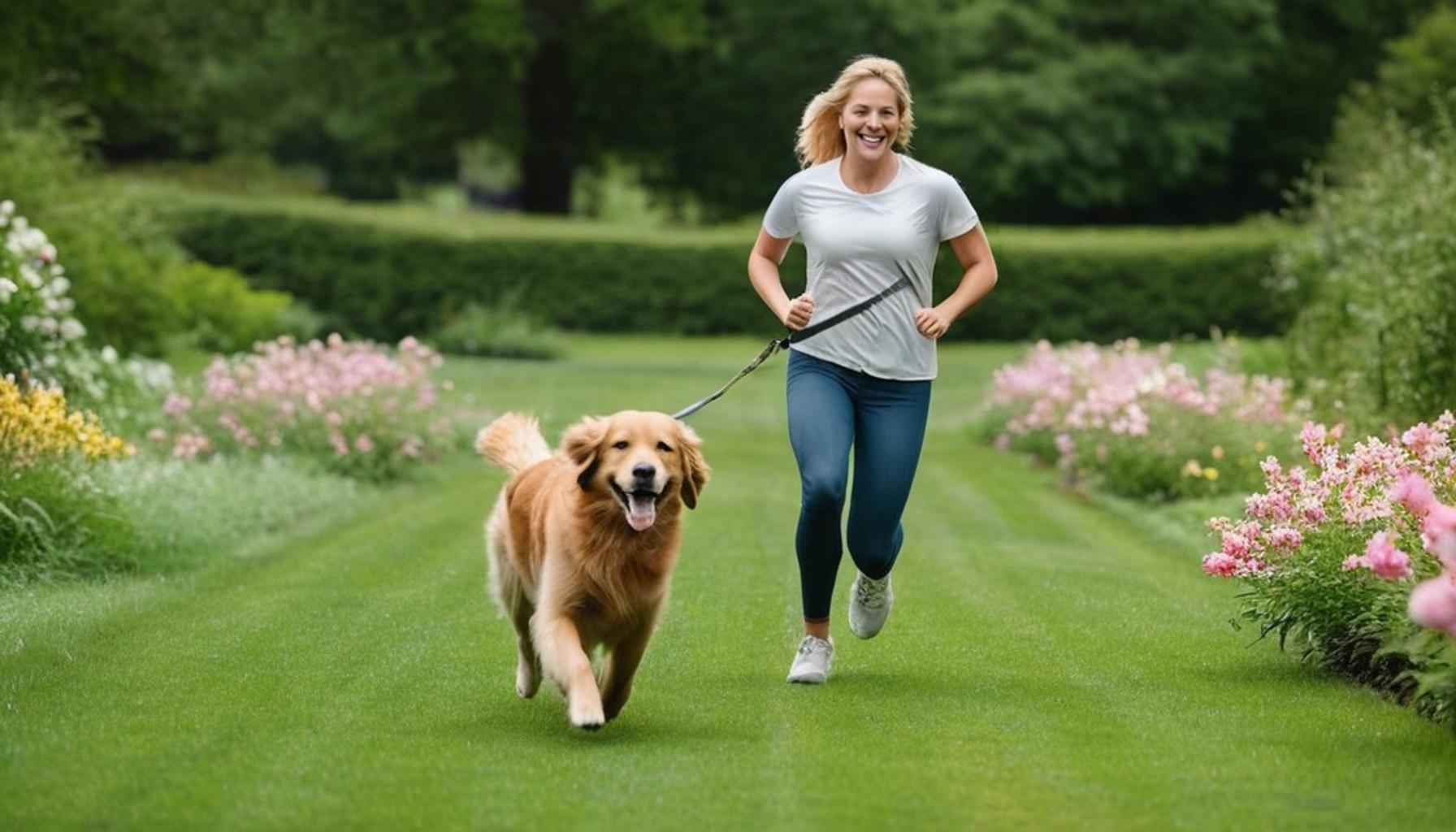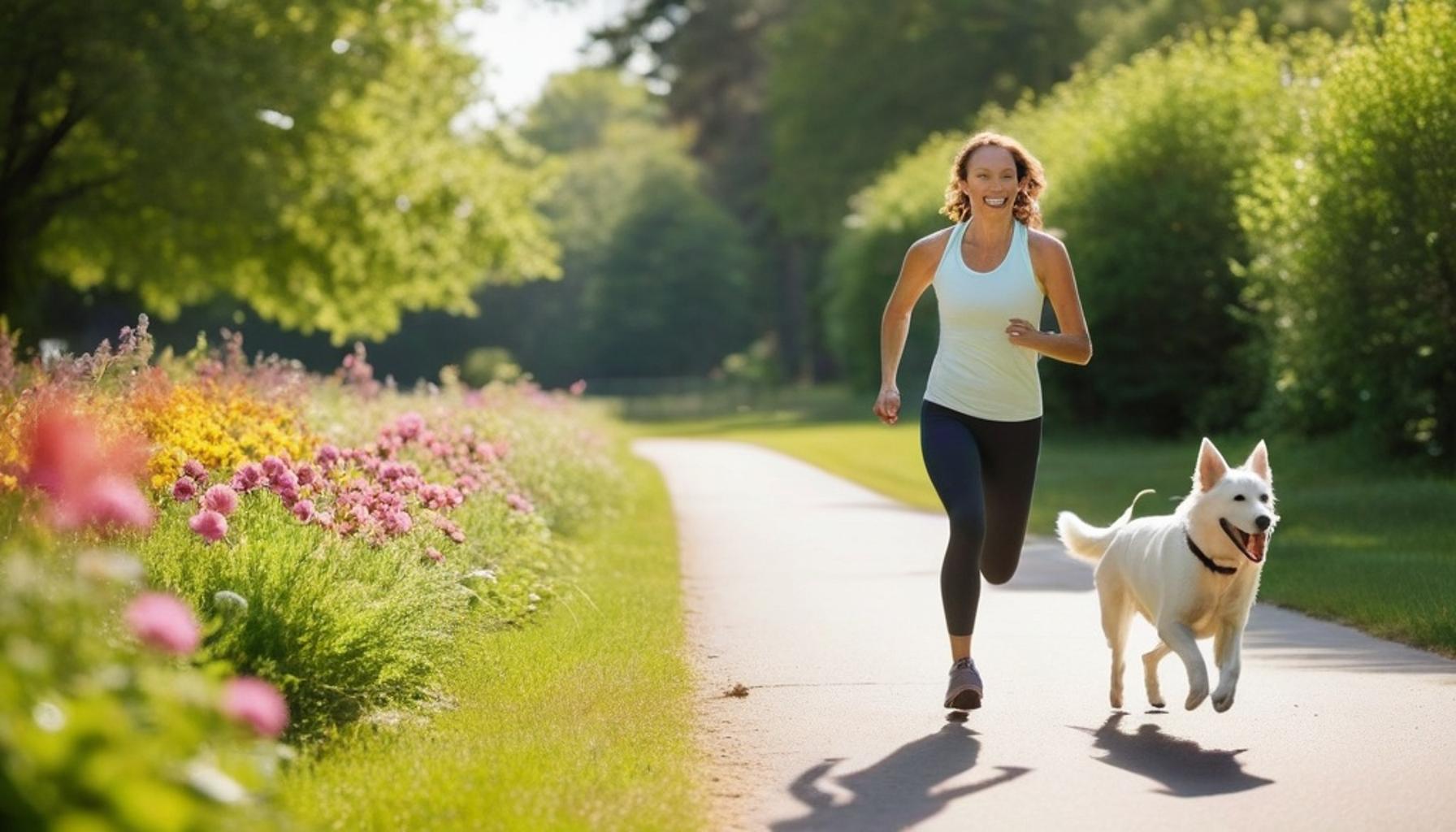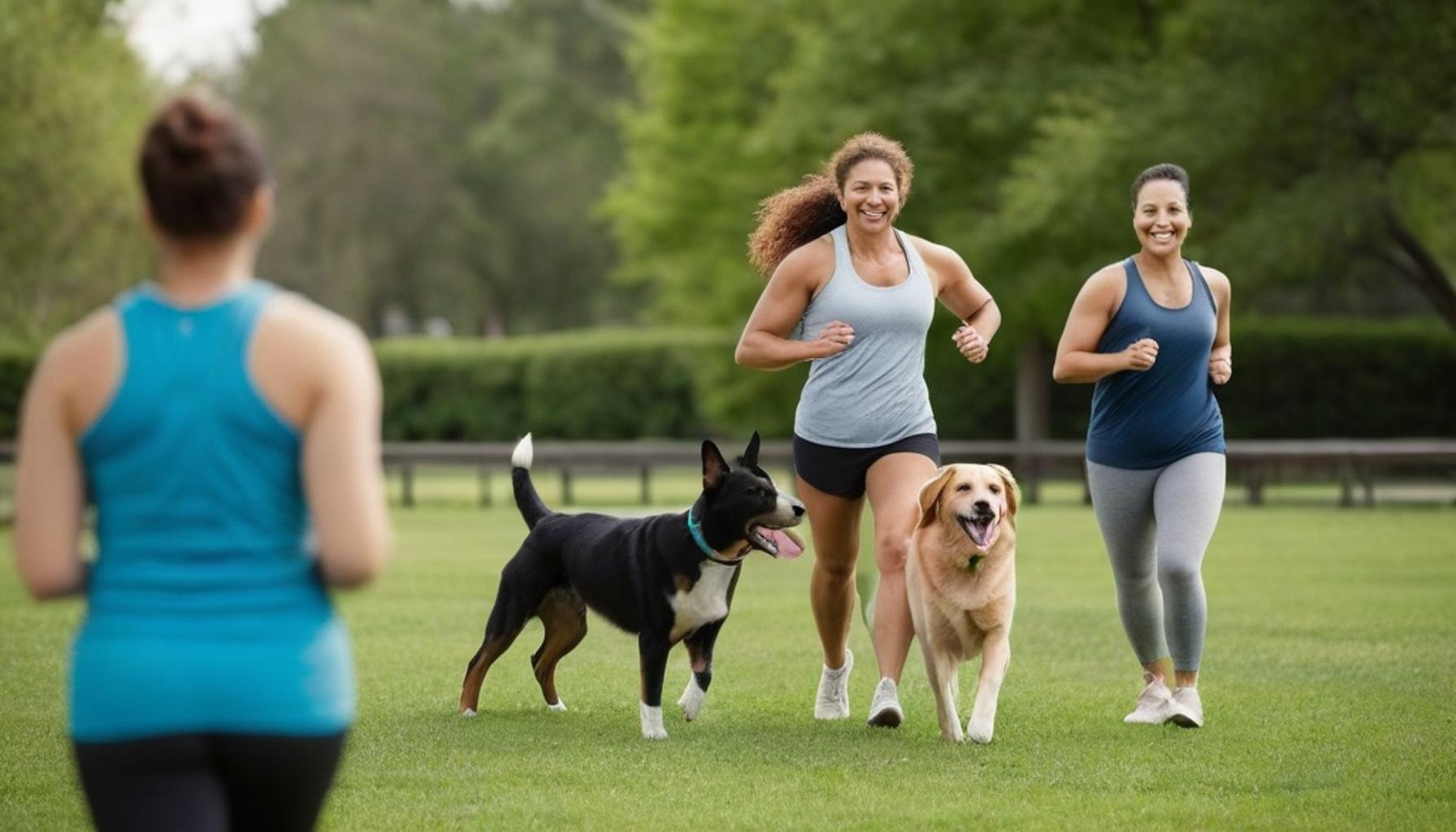
The Importance of Exercise Routine for the Physical Health of Pets
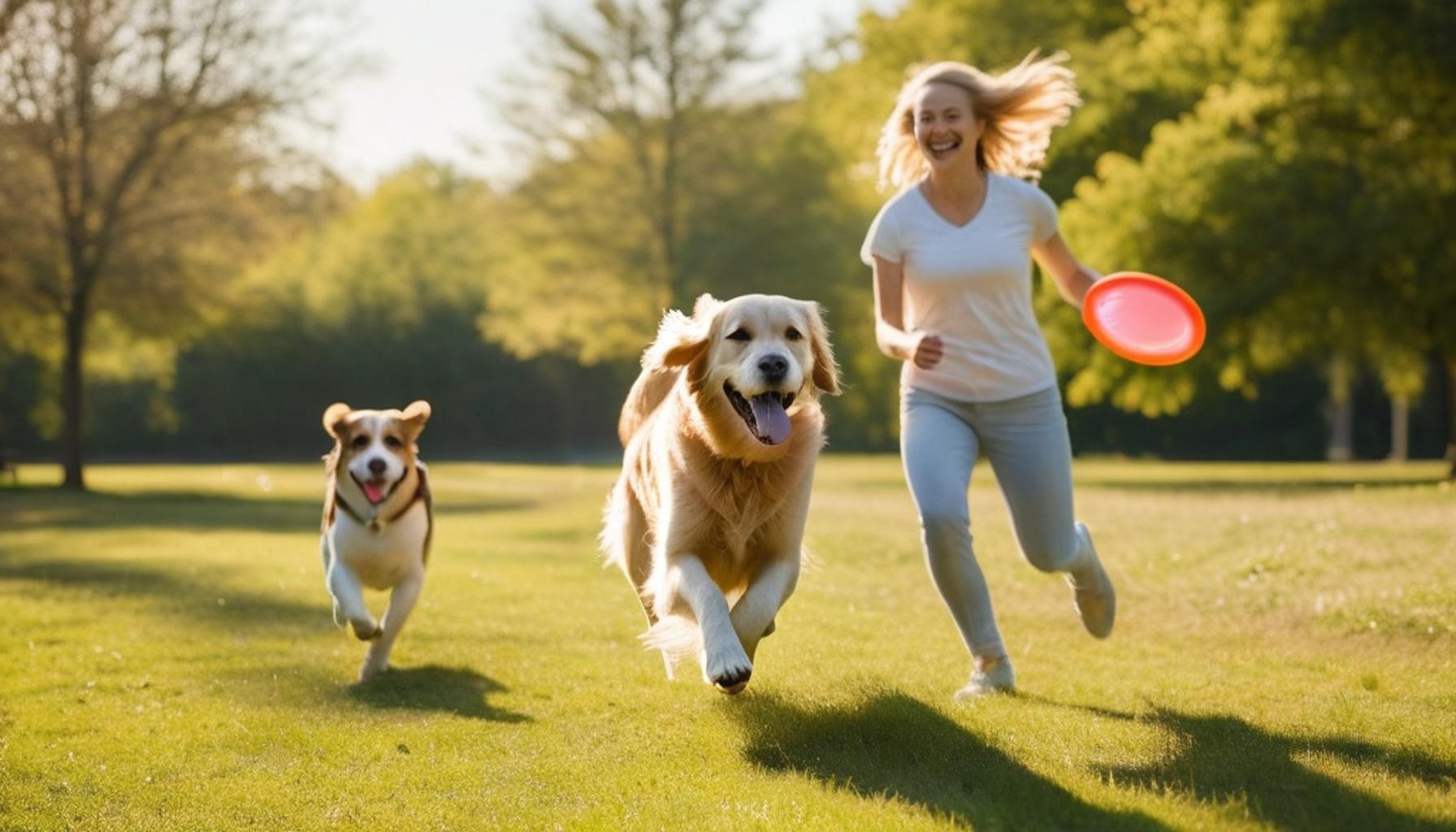
Why Every Pet Needs a Consistent Exercise Routine
Across Nigerian homes, from Lagos apartments to Abuja compounds, more families are welcoming dogs and cats as companions. Yet many pet owners overlook a critical piece of pet care: physical activity. An exercise routine for pets is not optional; it is essential for their survival and well-being. As pet ownership grows in cities like Port Harcourt, Ibadan, and Kano, the conversation around animal fitness deserves far more attention than it currently receives.
Veterinary studies show that over 50% of dogs and cats in urban households are overweight or obese. This alarming trend is often linked directly to inactivity and poor lifestyle habits. Many Nigerian pet owners feed their animals generously, believing this reflects good care, while neglecting the equally important role of movement. The result is a growing population of sedentary pets facing preventable health complications.
What This Article Will Cover
- The benefits of pet exercise for muscles, joints, and heart health
- Practical pet fitness tips suited for Nigerian climates and living spaces
- Simple guidance on how to exercise pets safely and effectively
- Creative pet exercise ideas for both dogs and cats
Understanding the importance of pet health goes beyond aesthetics. Regular movement helps prevent diabetes, arthritis, and cardiovascular disease in animals, conditions that mirror human health struggles. Just as Nigerians are increasingly encouraged to walk more and eat healthier, our pets require the same intentional lifestyle adjustments to thrive in an urban environment.
Some Nigerian pet owners assume a large compound is enough exercise for their dogs. However, structured activity—not just free roaming—is what truly strengthens a pet’s body and mind. A dog wandering aimlessly around a compound is not receiving the same cardiovascular and muscular benefits as one engaged in deliberate play, walking, or training sessions. This distinction matters significantly for long-term health outcomes.
Cats, often assumed to be low-maintenance, also require deliberate stimulation. Indoor cats particularly need engaging activities to prevent obesity and behavioral issues that arise from boredom. Nigerian households with limited outdoor space must find creative solutions to keep these animals active and mentally sharp.
This article explores why movement matters, how much pets truly need, and simple ways to keep them active daily. The insights ahead could transform how you care for your furry companion, potentially adding years of vibrant, healthy life to their existence while strengthening the bond you share with them.
SEE ALSO: How to Incorporate Exercise into Your Pet’s Daily Routine
# The Science Behind an Effective Exercise Routine for PetsUnderstanding why movement matters requires looking at what happens inside a pet’s body when it stays inactive for too long. Muscles weaken, joints stiffen, and metabolic processes slow down considerably. A consistent exercise routine for pets directly counters these effects, keeping bodily systems functioning as nature intended.Veterinarians across Nigeria increasingly report cases of pets suffering from preventable conditions linked to sedentary lifestyles. Hip dysplasia, respiratory difficulties, and early-onset arthritis are becoming disturbingly common in dogs as young as three years old. These conditions often trace back to one root cause: insufficient physical activity during critical developmental stages.## Key Physical Benefits Worth UnderstandingThe benefits of pet exercise extend far beyond weight management, though that remains significant. Regular activity strengthens multiple body systems simultaneously, creating compounding health advantages over time.Consider these documented physical improvements from consistent exercise:
- Cardiovascular strength — Regular movement improves heart efficiency and blood circulation, reducing strain on vital organs
- Joint flexibility — Active pets maintain better range of motion, delaying age-related stiffness common in Nigerian street dogs and indoor cats alike
- Digestive health — Movement stimulates healthy digestion, reducing constipation and bloating issues frequently seen in underactive pets
- Muscle tone — Consistent activity prevents muscle atrophy, particularly important for aging pets who need strength to support their skeletal frame
- Immune function — Studies suggest moderately active animals show stronger immune responses compared to sedentary counterparts
These benefits do not appear overnight. They accumulate through weeks and months of deliberate, structured activity, which is why understanding how to exercise pets properly becomes essential rather than optional.## The Nigerian Climate FactorTemperature and humidity levels across Nigerian regions influence how exercise routines should be structured. In Lagos, where humidity often exceeds 80%, exercising pets during peak afternoon heat can cause dangerous overheating rather than health benefits.Smart pet fitness tips for Nigerian conditions include scheduling walks during early morning hours between 6 and 8 AM, or evening periods after 5 PM when temperatures drop. This timing consideration matters more than many pet owners realize, especially for breeds unsuited to intense heat exposure.Dogs with thick coats, originally bred for colder climates, face particular risks when exercised improperly in tropical conditions. Recognizing these environmental factors forms a crucial part of responsible pet ownership across different Nigerian states.
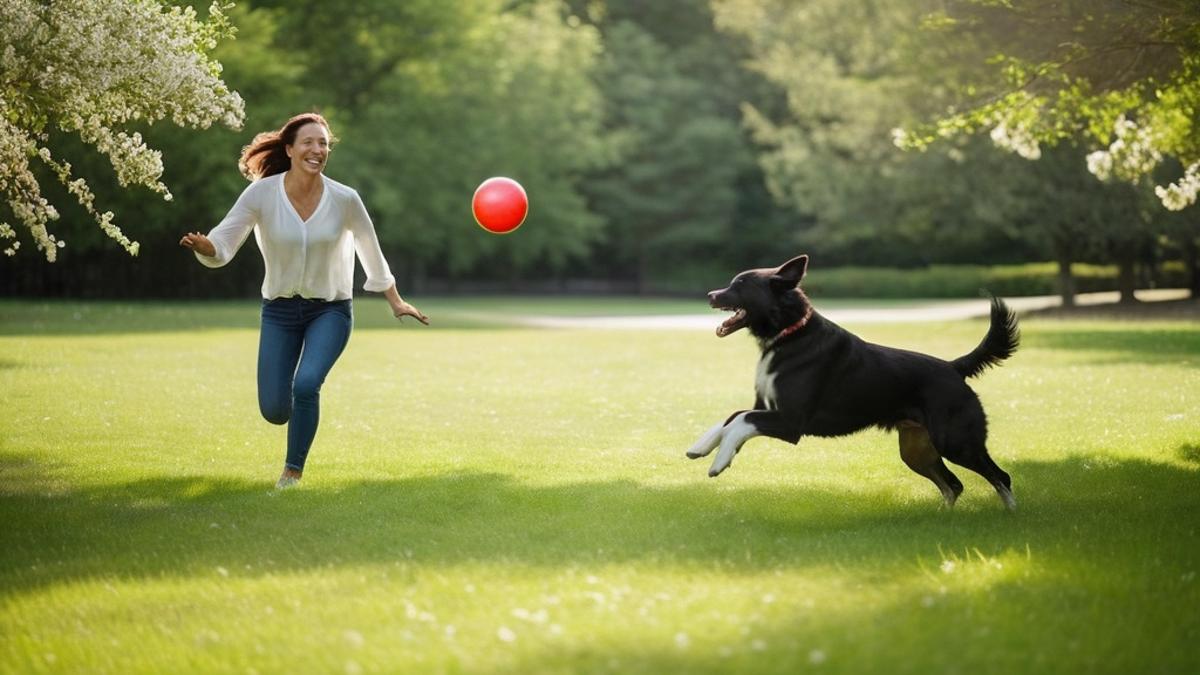
Key Aspects of an Exercise Routine for Pets
Building a consistent exercise routine for pets is not just about burning energy—it directly impacts muscle strength, joint health, and cardiovascular endurance. Below is a quick-reference table highlighting the core benefits of pet exercise and practical pet fitness tips that pet owners can apply immediately.
| Category | Key Benefits & Details |
|---|---|
| Weight Management | Daily movement helps prevent obesity, a condition affecting over 50% of dogs and cats in the U.S. |
| Joint & Muscle Health | Regular activity strengthens muscles supporting joints, reducing risk of arthritis in aging pets. |
| Cardiovascular Fitness | Consistent aerobic movement, like running or swimming, improves heart and lung capacity. |
| Behavioral Balance | Structured pet exercise ideas, such as fetch or agility drills, reduce anxiety and destructive habits. |
Understanding how to exercise pets effectively—balancing intensity, duration, and breed-specific needs—reveals just how central movement is to the importance of pet health long-term.
RECOMMENDED: The Importance of an Exercise Routine for Pets’ Mental Health
Practical Pet Exercise Ideas for Every Lifestyle
Not every household has access to sprawling compounds or dedicated dog parks, yet an effective exercise routine for pets does not demand luxury space. Creativity often matters more than square footage when designing activity plans for animals confined to apartments or small compounds common in cities like Port Harcourt and Abuja. Even a modest balcony or narrow corridor can become a functional training zone once the right techniques are applied.
Stair climbing, for instance, offers surprisingly effective cardiovascular conditioning for dogs living in multi-story buildings. Five minutes of controlled stair repetitions can rival fifteen minutes of flat-ground walking in terms of muscle engagement. This makes it particularly useful for pet owners in Lagos high-rises or Abuja estates where outdoor walking routes may be limited or unsafe due to traffic and heat.
Structured Activities That Deliver Results
Different pets respond to different stimulation methods, which is why varying pet fitness tips should be tailored to species, breed, and age rather than applied uniformly. What works for an energetic terrier will likely bore a laid-back senior cat, and vice versa.
- Fetch sessions — Fifteen-minute structured fetch games build explosive muscle strength while satisfying instinctual prey drive in dogs
- Interactive cat toys — Feather wands and laser pointers encourage indoor cats to engage in short, intense bursts mimicking natural hunting behavior
- Swimming — For dogs near coastal areas or private pools, swimming provides low-impact resistance training ideal for pets recovering from joint issues
- Obstacle courses — Simple homemade setups using chairs and boxes challenge coordination while keeping mental engagement high
- Leash-free yard time — Unstructured running allows pets to self-regulate intensity based on their own energy levels
Rotating these activities prevents boredom, a factor veterinarians increasingly link to exercise avoidance in pets forced into repetitive routines. Introducing novelty every few days, whether through a new toy or a different obstacle arrangement, keeps pets mentally sharp and physically motivated to participate.
Age-Specific Considerations
Puppies and kittens require different exercise calibration compared to senior pets. Overexertion during early developmental months can damage growth plates in young dogs, particularly larger breeds prone to skeletal issues such as German Shepherds or Rottweilers increasingly popular among Nigerian households for security purposes.
Veterinary guidance generally suggests limiting structured exercise to five minutes per month of age for puppies until skeletal maturity is reached. A four-month-old puppy, therefore, should receive roughly twenty minutes of structured activity daily, supplemented by free play. Exceeding this threshold repeatedly can contribute to long-term joint complications that surface later in adulthood.
Senior pets, meanwhile, benefit from shorter, more frequent sessions rather than single extended outings. This approach respects the importance of pet health maintenance without overwhelming aging joints and cardiovascular systems already under strain. Breaking activity into three or four brief intervals throughout the day often produces better compliance and fewer signs of fatigue.
Understanding how to exercise pets appropriately across life stages prevents injury while still delivering meaningful physical benefits. Owners who ignore age-related adjustments often encounter setbacks that could have been easily avoided through simple modification, reinforcing why consulting a veterinarian before establishing any fitness plan remains a worthwhile investment.
Building Lifelong Habits, Not Just Momentary Fixes
From stair climbs in Lagos apartments to swimming sessions along coastal compounds, this exploration of an effective exercise routine for pets reveals one consistent truth: physical activity cannot be treated as an occasional bonus. It functions as a core pillar of animal wellbeing, standing alongside nutrition and veterinary care rather than beneath them.
The benefits of pet exercise extend well beyond weight management. Improved joint mobility, stronger cardiovascular function, and reduced anxiety all stem from consistent movement tailored to each animal’s unique needs. Nigerian pet owners juggling limited outdoor space, unpredictable weather, and busy schedules can still achieve meaningful results by applying the practical pet fitness tips outlined throughout this discussion.
What separates a thriving pet from a sluggish one often comes down to intentionality. Owners who understand how to exercise pets according to breed, age, and living conditions consistently report fewer veterinary visits related to obesity, joint deterioration, and behavioral complications linked to pent-up energy.
A Call for Consistency Over Perfection
No single formula suits every household, and that flexibility should be seen as an advantage rather than an obstacle. Whether through fetch games, obstacle courses, or simple leash-free yard time, the goal remains constant: sustainable movement that respects each pet’s physical limits while challenging them appropriately.
The importance of pet health ultimately rests on daily choices rather than occasional grand gestures. A twenty-minute walk squeezed between work commitments often outweighs a single exhausting weekend outing in terms of long-term benefit.
As more Nigerian households welcome dogs and cats into their families, exploring diverse pet exercise ideas becomes less of a luxury and more of a responsibility. Pet owners willing to experiment, adjust, and remain consistent will likely notice healthier, happier animals capable of aging gracefully with fewer physical setbacks along the way.
Frequently Asked Questions
How often should I exercise my dog or cat in Nigeria’s hot climate?
Most dogs need at least 30 to 60 minutes of activity daily, but in Nigeria’s heat it’s best to exercise early morning or late evening to avoid heatstroke. Cats can get enough exercise through 15 to 20 minutes of interactive play a few times a day. Always provide water before and after any exercise routine for pets to keep them hydrated.
What are safe outdoor exercise options for pets in Nigerian cities like Lagos or Abuja?
Leashed walks in estate compounds, quiet streets early in the morning, or fenced-in yards are safer than busy roads due to traffic and stray animal risks. Some pet owners also use rooftop terraces or compound spaces for supervised play. Dog parks are still rare in Nigeria, so private compounds remain the most practical option for a consistent exercise routine for pets.
Can indoor exercise routines work for pets if I don’t have a compound or yard?
Yes, indoor exercise like fetch in a hallway, tug-of-war, or climbing structures for cats can effectively keep pets active without outdoor space. Puzzle toys and short training sessions also burn energy while stimulating the pet’s mind. This is especially useful for apartment dwellers in cities like Lagos where outdoor space is limited.
How does a lack of exercise affect my pet’s health long-term?
Without regular activity, pets can develop obesity, joint problems, heart disease, and behavioral issues like excessive barking or destructive chewing. In Nigeria, where pet obesity is often overlooked, this can shorten a pet’s lifespan significantly. A consistent exercise routine for pets helps prevent these conditions and supports overall wellbeing.
What exercise routine is suitable for local Nigerian dog breeds versus imported breeds?
Local breeds like the Nigerian indigenous dog are naturally active and can handle longer walks or runs in warm weather. Imported breeds such as Huskies or German Shepherds may need shorter, more controlled sessions to avoid overheating in Nigeria’s climate. Always tailor the exercise routine for pets based on breed, age, and heat tolerance.
Are there specific exercise precautions for puppies, kittens, or older pets in Nigeria?
Puppies and kittens need shorter, frequent play sessions since their joints and bones are still developing, while senior pets benefit from gentle, low-impact activities like slow walks. Avoid exercising very young or elderly pets during Nigeria’s peak afternoon heat to prevent exhaustion. Consulting a local veterinarian can help design an age-appropriate exercise routine for pets.

Linda Carter
Linda Carter is a writer and pet care expert specializing in pet health, grooming, and wellness. With extensive experience helping pet owners create safe, loving, and enriching environments for their animals, Linda shares her knowledge on our platform. Her goal is to empower readers with practical advice and strategies to ensure their pets thrive and lead joyful, healthy lives.