How to Create a Customized Exercise Plan for Different Dog Breeds
Why Every Dog Deserves a Workout Plan Built Just for Them
From the bustling streets of Lagos to the quieter compounds of Abuja, dog ownership across Nigeria is on the rise. Families in Port Harcourt, Kano, and Ibadan are increasingly welcoming dogs into their homes, whether for companionship, security, or simply the joy of having a loyal friend around. But here’s a fact many pet parents overlook: a customized exercise plan for dog breeds isn’t a luxury, it’s a necessity.
A Rottweiler and a Shih Tzu simply cannot thrive on the same routine. Their muscles, lungs, and even temperaments demand entirely different approaches to movement. Consider this: a Rottweiler bred for guarding and heavy work needs sustained physical exertion to stay mentally balanced, while a Shih Tzu, originally bred as a companion lapdog, can quickly become overwhelmed by the same intensity.
The Hidden Cost of Getting It Wrong
Veterinary research shows that over 50% of dogs are overweight or obese, often due to mismatched exercise routines. In Nigeria’s warm climate, this problem can escalate quickly if breed-specific needs are ignored. The tropical heat, combined with the wrong workout intensity, creates a dangerous cocktail for many household pets.
- High-energy breeds left under-stimulated may develop destructive habits, such as excessive digging, barking, or chewing on furniture
- Small breeds over-exercised in heat risk exhaustion and joint strain, especially during Nigeria’s hotter months between February and April
- Large breeds without structured movement face hip and joint issues later in life, a problem that becomes costly and difficult to reverse
What This Guide Will Cover
This article breaks down how to build an effective dog exercise schedule tailored to size, breed, and energy level. You’ll discover practical strategies, including:
- A detailed exercise plan for Labrador Retriever breeds and other active companions, factoring in Nigeria’s climate patterns
- A gentle yet effective fitness routine for small dogs like Shih Tzus and Pomeranians, designed to avoid heat-related stress
- The best exercises for large dogs prone to joint sensitivity, including breeds like Boerboels commonly kept for protection
- Simple dog breed specific workouts you can start today, even without expensive equipment or access to formal training facilities
Whether you own a spirited Boerboel patrolling your compound in Enugu or a laid-back Basset Hound lounging in your Lagos apartment, understanding these differences could transform your dog’s health, mood, and longevity. The right exercise approach isn’t just about burning energy, it’s about unlocking a happier, longer life for the animal that trusts you completely.
LEARN MORE: Recreational Activities for Pets: Creating a Fun Exercise Routine
# Understanding Your Dog’s Breed Category Before You BeginBefore designing any workout routine, you need to identify which category your dog falls into. Veterinarians and canine behaviorists generally group dogs into four broad classifications, and this categorization forms the foundation of any successful customized exercise plan for dog breeds.Skipping this step is like buying shoes without knowing your size. You might get lucky, but chances are you’ll end up with a frustrated pet and a frustrated owner. Across Nigeria, where dog ownership serves both companionship and security purposes, this mismatch happens more often than most people realize, leading to bored working dogs tearing up compounds or exhausted toy breeds collapsing from overexertion in the heat.
The Four Primary Energy Categories
Every dog breed fits somewhere within these energy classifications, and understanding where your companion lands changes everything about how you approach developing a dog exercise schedule:
- High-energy working breeds such as Boerboels, German Shepherds, and Belgian Malinois, commonly seen guarding properties across Lagos and Port Harcourt
- Moderate-energy sporting breeds including Labrador Retrievers and Cocker Spaniels, popular among Nigerian families for their friendly temperament
- Low-energy companion breeds like Shih Tzus, Pomeranians, and Pekingese, often kept indoors in apartments across Abuja and Ibadan
- Giant and heavy breeds such as Rottweilers and Mastiffs, which require controlled movement rather than intense cardio
Each category responds differently to heat, terrain, and duration. A Belgian Malinois might thrive on 90 minutes of vigorous activity daily, while a Pekingese could suffer heat stroke after just 20 minutes under Nigeria’s midday sun. This distinction matters enormously in a country where temperatures regularly climb past 32 degrees Celsius, turning what seems like a harmless afternoon walk into a genuine health hazard for the wrong breed.
Interestingly, many Nigerian households own multiple dogs from different categories, yet apply the same walking schedule to all of them. This one-size-fits-all approach explains why some dogs seem perpetually restless while others appear sluggish and disinterested during supposedly identical routines.
Why Age and Health History Matter Just as Much
Breed alone doesn’t tell the whole story. A five-year-old Labrador with early hip dysplasia needs a completely different approach than a healthy two-year-old of the same breed. This is where many Nigerian pet owners stumble, applying generic advice found online without factoring in their dog’s actual physical condition.
Before starting any dog breed specific workouts, consider scheduling a basic veterinary check. Local clinics in cities like Kano and Enugu increasingly offer affordable wellness screenings that reveal joint health, cardiovascular fitness, and weight status, all critical data points for building a safe routine. These screenings often cost far less than treating an injury caused by inappropriate exercise later.
Puppies under twelve months also require modified plans regardless of breed. Over-exercising a growing Rottweiler puppy, for instance, can damage developing joints permanently, sometimes resulting in irreversible orthopedic problems that surface years later. Responsible breed research combined with professional guidance creates the safest starting point for any exercise journey, and it transforms what could be guesswork into a genuinely informed decision that benefits both dog and owner for years to come.
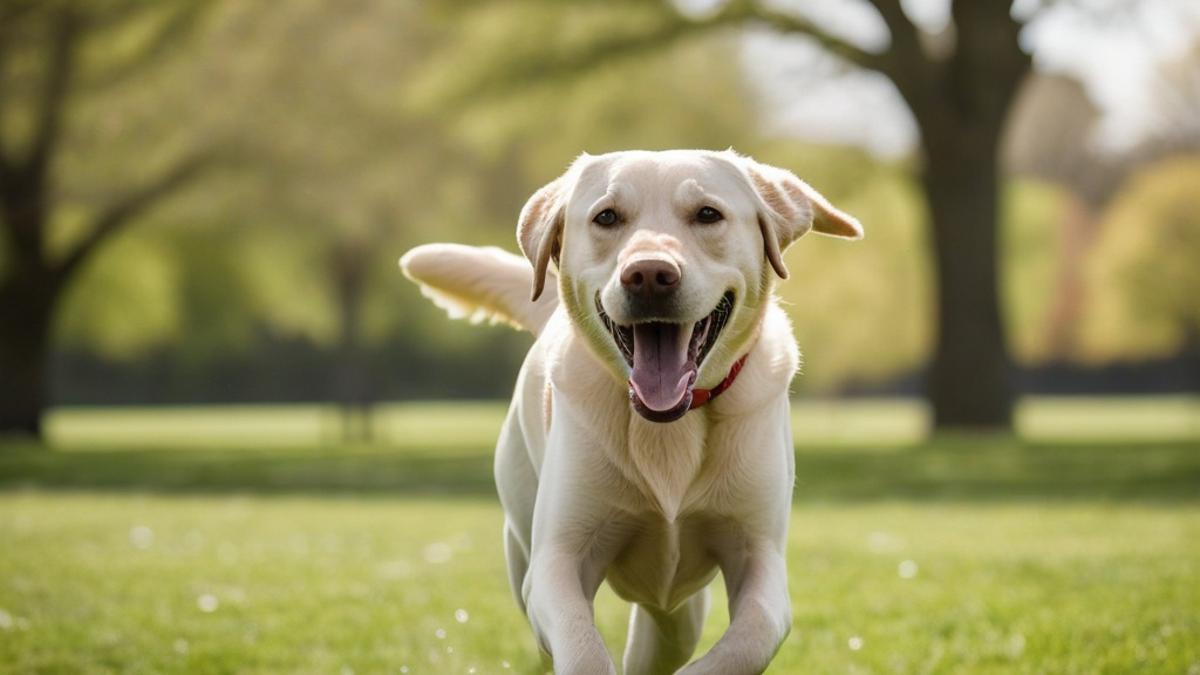
Breed-Specific Exercise Essentials at a Glance
Building a customized exercise plan for dog breeds starts with understanding how genetics shape energy levels, joint strength, and endurance. The table below breaks down core categories every dog owner should consider before designing a fitness routine for small dogs or an exercise plan for Labrador Retriever types.
| Category | Exercise Focus |
|---|---|
| High-Energy Breeds | Require 60-90 minutes of daily activity; ideal for dog breed specific workouts like agility and running. |
| Small Breeds | Short bursts of play support a balanced fitness routine for small dogs without joint strain. |
| Large & Giant Breeds | Low-impact movement defines the best exercises for large dogs, protecting hips and joints. |
| Senior Dogs | Gentle, consistent movement aids developing a dog exercise schedule that preserves mobility. |
CHECK OUT: Benefits of Outdoor Activities for the Emotional Well-Being of Pets
# Building the Actual Routine: Duration, Intensity, and TimingOnce you’ve identified your dog’s category, the real work begins. A genuine customized exercise plan for dog breeds requires specific numbers, not vague suggestions like “walk your dog regularly.” Nigerian pet owners need concrete figures that account for local climate, terrain, and daily realities.
Matching Duration to Breed Category
Generic advice rarely survives contact with actual dogs. Instead, consider these baseline recommendations, which can be adjusted based on individual fitness and veterinary input:
- High-energy working breeds need 60 to 90 minutes daily, split into two sessions to avoid overheating during peak sun hours
- An exercise plan for Labrador Retriever dogs typically requires 45 to 60 minutes combining walking and play, since this breed carries genetic predisposition to obesity
- Fitness routine for small dogs like Pomeranians should stay within 20 to 30 minutes, broken into shorter bursts rather than one continuous walk
- Best exercises for large dogs such as Rottweilers focus on controlled leash walking and swimming rather than repetitive jumping, which stresses developing joints
Timing matters just as much as duration. Early morning sessions before 8am or evening walks after 5pm avoid Nigeria’s harshest heat, particularly relevant in northern states like Kano and Sokoto, where afternoon temperatures often exceed 38 degrees Celsius during dry season.
Intensity Levels That Actually Make Sense
Not every session should push your dog to exhaustion. Sporting breeds benefit from interval-style activity, alternating brisk walking with short jogging bursts, mimicking the varied pace they’d naturally adopt while hunting or retrieving.Working breeds, meanwhile, often need mental stimulation alongside physical exertion. A Belgian Malinois guarding a compound in Abuja might already patrol several kilometers daily without formal exercise, yet still show signs of restlessness. This happens because guarding involves vigilance, not necessarily satisfying physical release, so incorporating structured play or agility drills addresses what pure patrolling misses.
Practical Steps for Developing a Dog Exercise Schedule
Start by tracking your dog’s current activity for one week using a simple notebook or phone app. Record duration, visible energy levels afterward, and any signs of fatigue or reluctance. This baseline data reveals whether you’re overexercising or underexercising before making adjustments.Gradually increase intensity by no more than 10 percent weekly, similar to human training principles. Sudden jumps in activity level frequently cause soft tissue injuries, particularly in breeds already prone to joint issues like German Shepherds and Rottweilers.
Weather monitoring deserves its own habit. Checking morning humidity and temperature forecasts, widely available through Nigerian meteorological apps, helps determine whether outdoor plans need shifting indoors or postponing entirely, protecting your dog from avoidable heat-related emergencies.
SEE ALSO: The Importance of an Exercise Routine for Pets’ Mental Health
Conclusion: Turning Knowledge Into Consistent Action
Creating a genuine customized exercise plan for dog breeds isn’t a one-time project you finish and forget. It’s an ongoing conversation between what your dog’s genetics demand and what your household can realistically sustain, week after week.
Throughout this guide, one theme keeps resurfacing: breed characteristics provide the starting point, not the final answer. An exercise plan for Labrador Retriever companions works only when paired with attention to that specific dog’s weight, joint health, and enthusiasm levels. Similarly, a fitness routine for small dogs succeeds when owners resist the temptation to under-exercise pets simply because of their size.
Nigerian dog owners face unique variables that international breed charts rarely mention, including harmattan dust, unpredictable power supply affecting indoor cooling, and compound sizes that shape how much free-roaming activity a dog gets before formal exercise even begins.
Consider these final takeaways when developing a dog exercise schedule:
- Reassess your dog’s plan every three to four months, since fitness levels, age, and even Lagos or Abuja traffic patterns affecting walk routes can shift routines
- Combine physical exertion with mental challenges, particularly for working breeds bred for problem-solving rather than repetitive motion
- Consult a veterinarian before dramatically increasing intensity, especially for breeds with known joint or cardiac predispositions
Dog breed specific workouts ultimately succeed or fail based on observation. Watch how your dog recovers, eats, and behaves after each session, and let that feedback guide adjustments rather than rigid schedules borrowed from unrelated climates or lifestyles.
The best exercises for large dogs and the gentlest routines for toy breeds share one common thread: they respect the individual animal in front of you, not just the breed standard printed in a book.

Linda Carter
Linda Carter is a writer and pet care expert specializing in pet health, grooming, and wellness. With extensive experience helping pet owners create safe, loving, and enriching environments for their animals, Linda shares her knowledge on our platform. Her goal is to empower readers with practical advice and strategies to ensure their pets thrive and lead joyful, healthy lives.