Recreational Activities for Pets: Creating a Fun Exercise Routine
Why Playtime Matters More Than You Think
From the bustling streets of Lagos to the quiet compounds of Enugu, pet ownership across Nigeria is growing steadily. But many owners still overlook one crucial aspect of care: consistent, engaging movement.
Recreational Activities for Pets are no longer just a luxury—they’re a necessity for physical and mental well-being.
The Hidden Cost of a Sedentary Pet
Veterinary studies suggest that over 50% of dogs and cats in urban households show signs of weight-related health issues. Boredom, anxiety, and destructive behavior often trace back to one root cause: lack of stimulation.
A well-structured routine can change everything. Consider these common warning signs of an under-exercised pet:
- Excessive chewing or scratching indoors
- Unusual weight gain over a few months
- Restlessness or repetitive pacing
- Loss of interest in food or surroundings
Many Nigerian pet owners, particularly those juggling demanding work schedules in cities like Abuja or Port Harcourt, assume that feeding and shelter are enough. However, veterinarians increasingly warn that neglecting physical activity can lead to long-term consequences, including joint problems, diabetes, and even shortened lifespans. A dog left alone in a compound all day without stimulation may resort to digging up flower beds or barking excessively, while an indoor cat might develop anxiety-driven habits like over-grooming.
Building a Routine That Actually Works
Creating effective pet exercise routines doesn’t require expensive equipment or a large backyard. Simple, intentional choices make the biggest difference.
Interestingly, many Nigerian households already have the tools needed to keep pets active—open compounds, staircases, empty plastic bottles, or even a ball of crumpled paper. The key lies in consistency rather than complexity. Setting aside just twenty to thirty minutes daily for structured play can significantly reduce behavioral issues while strengthening the bond between pet and owner.
This guide explores practical, easy-to-implement ideas, including:
- Outdoor play for pets, from fetch games to neighborhood walks
- Fun activities for dogs that build strength and agility
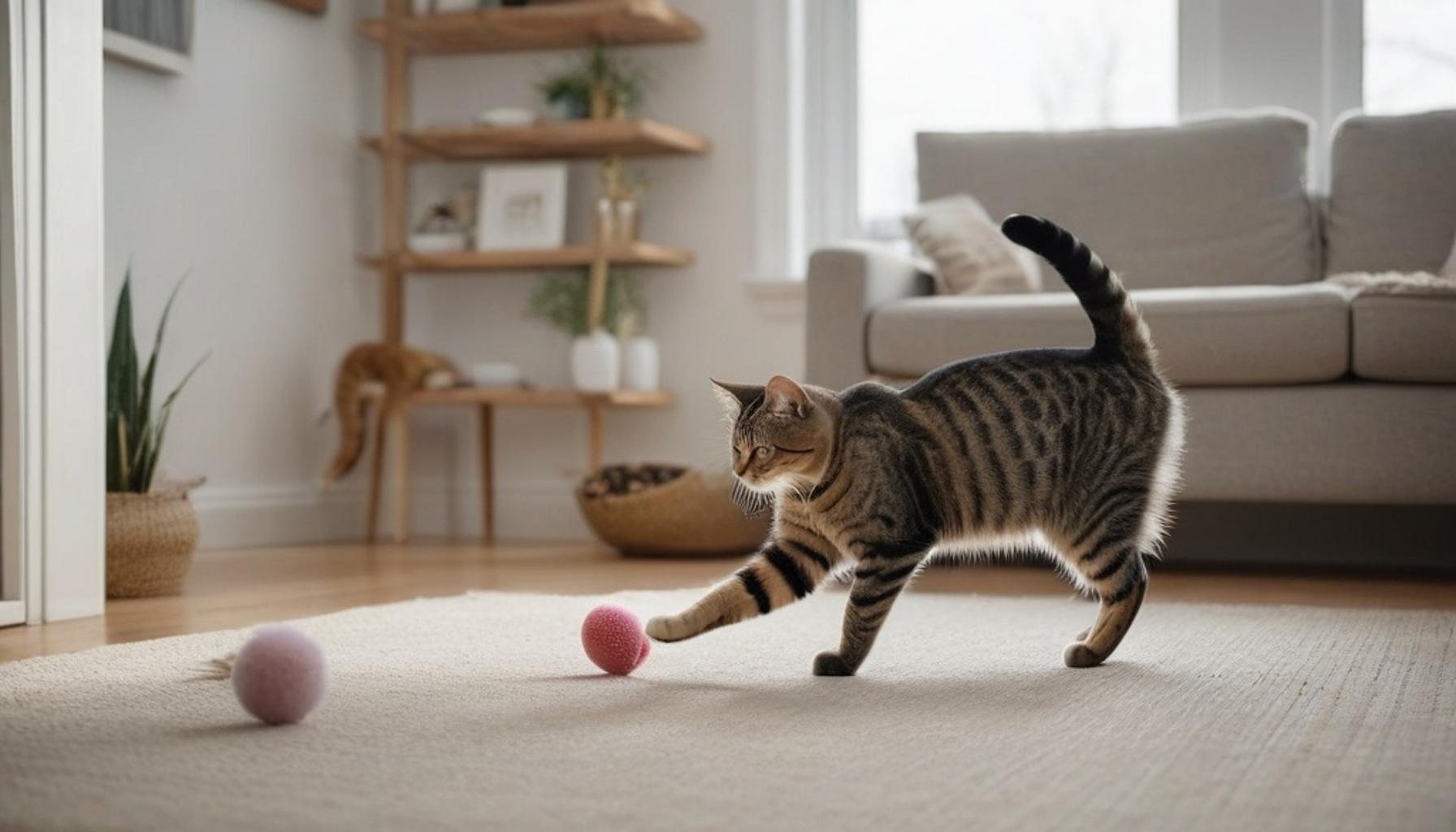
- Indoor games for cats suited for smaller living spaces
- Essential pet fitness tips for busy Nigerian households
For pet owners living in high-density urban areas, where outdoor space may be limited, indoor games become especially valuable. A simple laser pointer session or a cardboard maze can keep a cat entertained for hours, while puzzle feeders challenge dogs mentally as they eat. These low-cost solutions prove that pet wellness doesn’t have to strain a household budget.
Whether you own an energetic puppy or a laid-back cat, the right activities can transform daily routines into moments of genuine joy—for both pet and owner. As more Nigerian families welcome pets into their homes, understanding these fundamentals could be the difference between a thriving, happy animal and one silently struggling with preventable health concerns.
CHECK OUT: The Importance of an Exercise Routine for the Physical and Mental Health of Pets
Outdoor Play for Pets: Making the Most of Nigerian Compounds and Streets
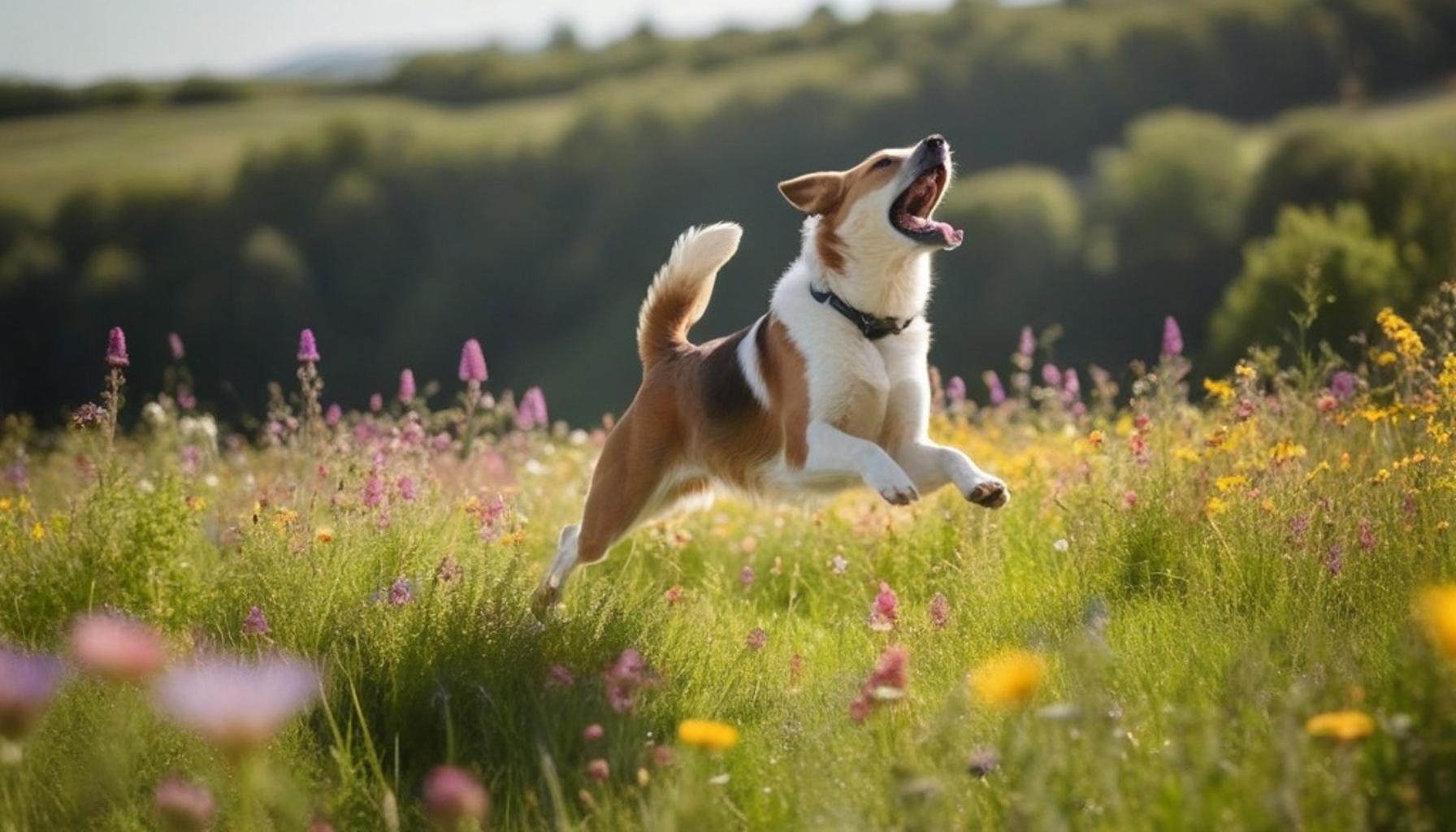
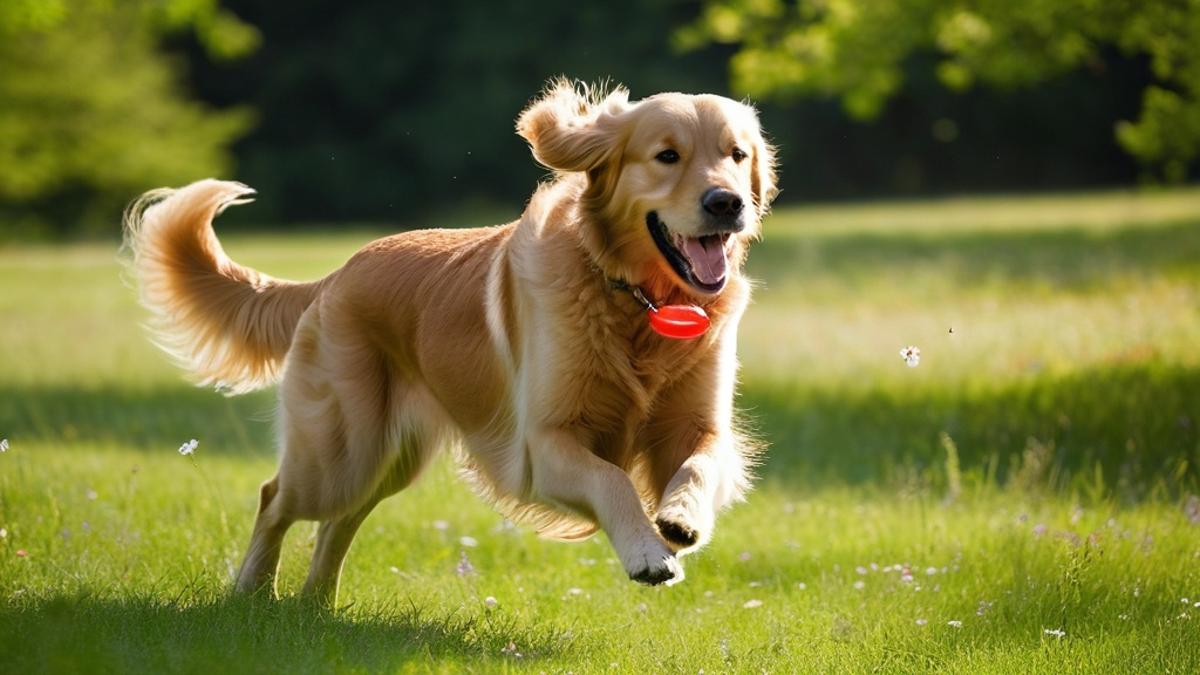
Stepping outside remains one of the simplest ways to boost a pet’s physical and mental health. For dogs especially, outdoor play for pets taps into natural instincts—running, sniffing, chasing—that indoor spaces simply cannot replicate.
Many Nigerian neighborhoods, from the estates of Lekki to the tree-lined streets of Jos, offer surprisingly good opportunities for movement. Even a modest compound can become a playground with a little creativity. Landlords and tenants alike are discovering that a bare patch of sand, once dismissed as unremarkable, can transform into a training ground with the right approach and a bit of imagination.
Fetch, Walks, and Beyond
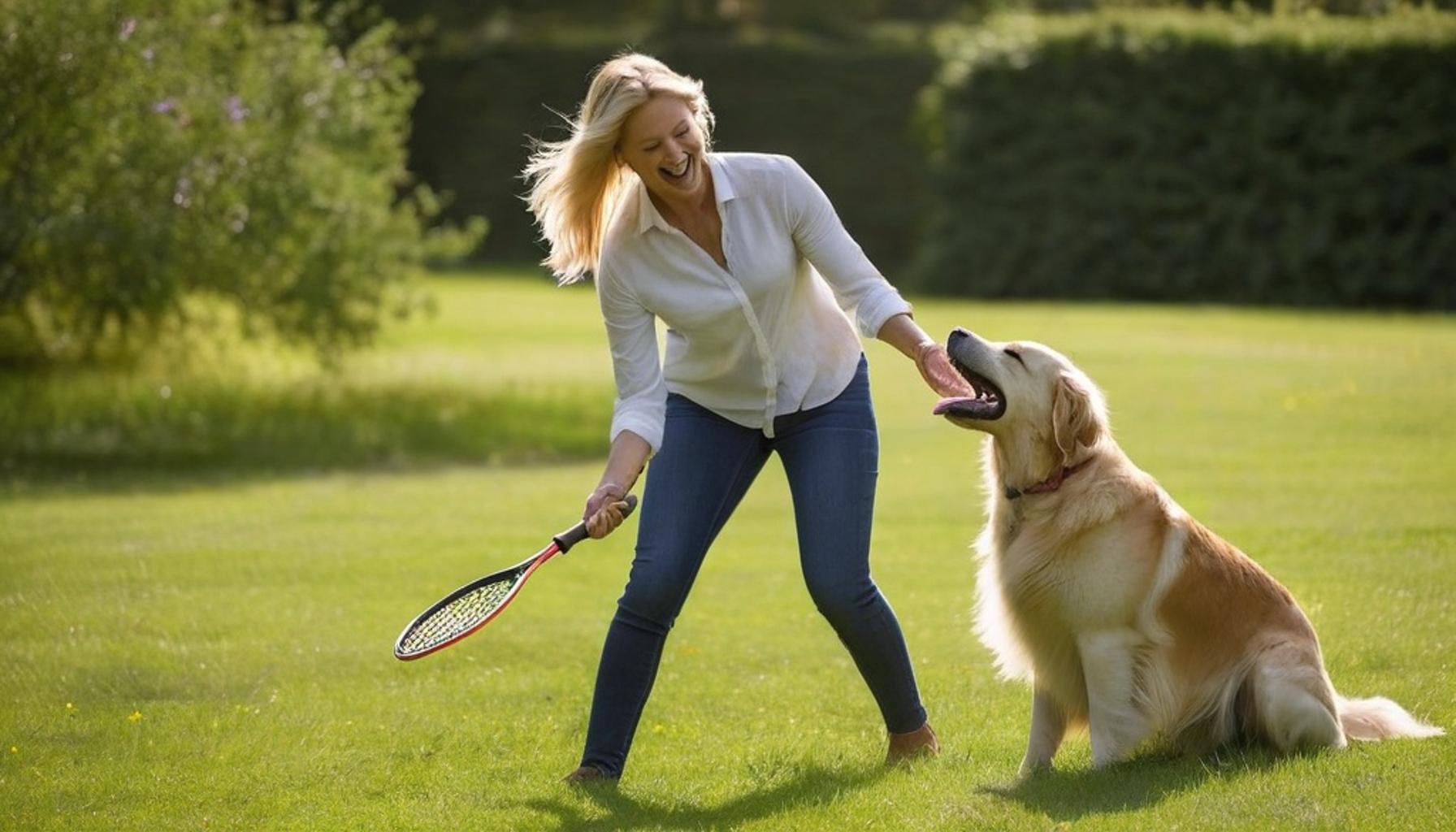
Fetch remains a classic for good reason. It requires minimal equipment—a tennis ball, a rubber toy, or even a knotted sock works fine—while delivering cardiovascular benefits and sharpening a dog’s responsiveness to commands. In compounds where space is tight, owners have learned to angle throws diagonally rather than in a straight line, maximizing the limited square footage available.
Daily walks, meanwhile, do more than burn calories. They expose pets to new scents, sounds, and social encounters, which veterinarians say helps reduce anxiety and territorial aggression. A brisk twenty-minute walk around the neighborhood can be just as effective as a longer, unstructured outing. Interestingly, some pet owners in cities like Ibadan and Enugu have started timing their walks around local market hours, using the added foot traffic and noise as informal desensitization training for skittish dogs.
Consider incorporating these outdoor options into a weekly schedule:
- Morning walks before the Nigerian heat intensifies
- Fetch sessions using durable, weather-resistant toys
- Obstacle courses built from household items like buckets or wooden planks
- Supervised playdates with neighborhood pets for socialization
Fun Activities for Dogs That Build Strength and Agility
Beyond basic walks, fun activities for dogs can include light agility training. Setting up a mini obstacle course with stacked tyres, low benches, or PVC pipes encourages jumping, balancing, and coordination. Such courses cost little to assemble, often repurposing materials already lying around a typical Nigerian compound.
Breeds common in Nigerian households—such as German Shepherds, Boerboels, and mixed local breeds—often thrive on tasks that challenge both body and mind. Tug-of-war, for instance, builds jaw and core strength while satisfying a dog’s instinct to grip and pull. Rope toys made from durable, locally sourced material can withstand the enthusiastic tugging of larger breeds without fraying too quickly.
Owners should always match intensity to the animal’s age and health status. A senior dog with joint stiffness benefits more from gentle walks than vigorous sprinting, while a young, energetic puppy may need multiple short bursts of activity throughout the day. Veterinarians across Lagos and Abuja increasingly recommend splitting exercise into shorter, more frequent sessions, particularly during the hotter months when prolonged exertion can lead to overheating.
These outdoor strategies form the foundation of solid pet exercise routines, but they represent only part of the picture. Indoor stimulation, particularly for cats and pets confined during Lagos traffic-heavy schedules, deserves equal attention. As more Nigerians juggle demanding work hours with pet ownership, blending outdoor adventure with indoor enrichment may well become the standard for keeping companion animals happy, healthy, and mentally sharp.
CHECK OUT: Daily Exercises: How to Keep Your Pet Active and Healthy
Indoor Games for Cats and Creative Enrichment When the Rains Keep Pets Inside
When Nigeria’s rainy season turns compounds into mud pits, or Lagos traffic delays an owner’s return until well after dark, pets still need outlets for their energy. This is where indoor games for cats and other confined-space activities prove their worth, offering mental stimulation that rivals anything the outdoors can provide.
Cats, in particular, respond well to activities that mimic hunting behavior. A simple feather wand or a laser pointer can trigger the same predatory focus a cat would display stalking a lizard on a compound wall. Sessions lasting just ten to fifteen minutes, repeated twice daily, often satisfy a cat’s instinctive drive without requiring much space at all.
Puzzle Feeders and DIY Enrichment Tools
Puzzle feeders have gained traction among Nigerian pet owners seeking affordable ways to challenge their animals mentally. Rather than pouring food into a bowl, owners hide kibble inside containers with small holes, forcing the pet to work for its meal. This slows down eating, which vets note can reduce bloating in dogs, while simultaneously exercising problem-solving skills.
Homemade versions cost next to nothing. An empty plastic bottle with holes cut into the sides, or a used egg carton with treats tucked into each compartment, can keep a bored pet occupied for surprisingly long stretches. These improvised tools have become popular in households from Kano to Port Harcourt, where imported pet enrichment products remain expensive or hard to find.
Other indoor options worth considering include:
- Cardboard box mazes for cats to explore and hide within
- Treat-dispensing balls that reward rolling and pawing
- Short indoor fetch sessions using soft, lightweight toys
- Clicker training exercises that reinforce commands through repetition
Building Consistency Into Pet Fitness Tips
Consistency matters more than intensity when developing lasting habits. Veterinary behaviorists often point out that irregular exercise, where a pet sprints one day and sits idle for three, can contribute to weight fluctuation and restlessness. Practical pet fitness tips generally emphasize scheduling activity at similar times daily, so animals develop a predictable rhythm.
Tracking progress need not involve expensive gadgets either. A simple notebook logging playtime duration, appetite, and mood changes can reveal patterns over weeks. Some Nigerian pet clinics have begun encouraging clients to keep these informal logs, particularly for pets recovering from illness or managing chronic conditions like arthritis.
Combining outdoor adventures with structured indoor play ultimately rounds out well-designed Recreational Activities for Pets. Owners who rotate between physical exertion and mental challenges tend to report calmer, more responsive animals, regardless of breed or living situation. As pet ownership continues expanding across Nigerian cities, this balanced approach may offer a practical blueprint for anyone juggling limited space, unpredictable weather, and a genuine desire to keep their companion animal thriving.
Bringing It All Together: A Lasting Commitment to Pet Wellbeing
Building thoughtful Recreational Activities for Pets is not a one-time project but an evolving habit that adapts to weather, work schedules, and the changing needs of an aging animal. What works for a energetic puppy in Abuja’s dry season may need adjusting once the rains arrive or once that same dog reaches its senior years.
Throughout this discussion, a clear pattern emerges: variety sustains interest, while consistency builds discipline. Alternating between vigorous outdoor play for pets and quieter, puzzle-driven sessions indoors keeps both body and mind engaged, preventing the boredom that often triggers destructive behavior in confined compounds.
Nigerian pet owners face unique constraints, from unpredictable traffic to limited outdoor space in dense urban neighborhoods. Yet these limitations have sparked genuine creativity, from repurposed egg cartons to structured play sessions squeezed into narrow evening windows.
A few guiding principles can help anyone refine their approach going forward:
- Prioritize short, frequent sessions over occasional lengthy ones
- Match activities to breed, age, and health status rather than following generic templates
- Keep informal records to spot behavioral or physical changes early
- Introduce novelty periodically to prevent enrichment tools from losing their appeal
Ultimately, sustainable pet exercise routines depend less on expensive equipment and more on attentiveness. Watching how a dog responds to a new trail or how a cat reacts to a puzzle feeder offers valuable clues about what genuinely holds their interest.
As more Nigerian households welcome dogs and cats into daily life, the conversation around structured play deserves continued attention. Exploring local veterinary guidance, connecting with other pet owners, and experimenting with both fun activities for dogs and feline enrichment can transform routine care into something far more rewarding, for pets and their owners alike.
Frequently Asked Questions
What are some affordable recreational activities for pets that suit Nigerian weather?
Early morning or evening walks, fetch games in a shaded compound, and swimming in a kiddie pool are great options that help pets avoid the harsh midday heat common in Nigeria. Homemade obstacle courses using tyres or cardboard boxes are also budget-friendly and keep pets mentally stimulated. These activities require little to no equipment, making them ideal for pet owners on a tight budget.
How often should I schedule recreational activities for my dog or cat each week?
Dogs generally benefit from at least 30 minutes of active play or exercise daily, while cats do well with two to three short 10 to 15 minute play sessions each day. Adjust the frequency based on your pet’s age, breed, and health status, since puppies and kittens may need shorter, more frequent bursts of activity. Consistency matters more than intensity, so aim for a routine you can realistically maintain.
Can I create a fun exercise routine for my pet without leaving my house or apartment?
Yes, indoor activities like tug-of-war, hide-and-seek with treats, laser pointer chases for cats, and using puzzle feeders can keep pets active even in small apartments. Stair climbing and short indoor agility drills with household items also work well when outdoor space is limited. These options are especially useful during Nigeria’s rainy season when outdoor play may not be practical.
What recreational activities are safe for puppies or kittens still getting vaccinated?
Until vaccinations are complete, it is safer to stick to indoor play like gentle tug games, soft toy fetch, and supervised interaction with household members rather than outdoor parks or unfamiliar animals. This reduces exposure to diseases like parvovirus that are still a concern in many parts of Nigeria. Once your vet confirms it is safe, you can gradually introduce short, controlled outdoor sessions.
Are there group or community options for pet recreational activities in Nigeria?
Some cities like Lagos and Abuja have pet parks, dog training clubs, and occasional pet meetup events where owners can socialize their pets while exercising them. Joining WhatsApp or Facebook groups for pet owners in your city can also help you find informal walking groups or playdates. These group activities improve your pet’s social skills and provide variety beyond solo exercise routines.
How do I know if my pet’s recreational activities are actually effective for their fitness?
Watch for signs like improved energy levels, healthier weight maintenance, better sleep patterns, and reduced destructive behavior at home, as these indicate the routine is working. A vet check-up every few months can also confirm whether your pet’s activity level matches their body condition and age. If your pet seems restless, overweight, or disinterested in play, it may be time to adjust the intensity or type of activities.

Linda Carter
Linda Carter is a writer and pet care expert specializing in pet health, grooming, and wellness. With extensive experience helping pet owners create safe, loving, and enriching environments for their animals, Linda shares her knowledge on our platform. Her goal is to empower readers with practical advice and strategies to ensure their pets thrive and lead joyful, healthy lives.