The importance of dental hygiene for pet health: daily practices and essential tips

Why Your Pet’s Smile Deserves Attention
Walk into any veterinary clinic in Lagos, Abuja, or Port Harcourt, and you’ll likely hear a common complaint: bad breath in dogs and cats. What many pet owners dismiss as normal is often an early warning sign of a much bigger problem lurking beneath the surface.
Dental hygiene for pet health is one of the most overlooked aspects of animal care in Nigerian households. While many owners diligently feed, groom, and vaccinate their pets, oral care often falls to the bottom of the priority list. Studies suggest that by age three, over 80% of dogs and 70% of cats already show signs of periodontal disease. That’s a staggering statistic when you consider how preventable this condition truly is.
This isn’t just about fresh breath. Poor oral care can lead to a cascade of health issues that affect your pet’s overall wellbeing:
- Painful tooth decay and infections that make eating a daily struggle
- Tooth loss affecting eating habits and nutritional intake
- Bacteria entering the bloodstream, damaging the heart and kidneys over time
- Expensive veterinary treatments that could have been prevented with early intervention
Consider this: a routine dental cleaning at a Nigerian veterinary clinic can cost significantly less than treating advanced periodontal disease, tooth extractions, or organ damage caused by bacterial infections. Prevention, in this case, is not just healthier but also far more affordable.
The good news? Daily pet dental practices can dramatically reduce these risks. Simple routines, when followed consistently, protect your furry companion from unnecessary suffering. Think of it like brushing your own teeth; skip it for a few days, and plaque builds up fast. The same principle applies to your dog or cat, except animals cannot voice their discomfort until the problem becomes severe.
So, what exactly does proper pet oral hygiene involve? Is it just brushing, or does diet play a role too? And how can busy pet owners, juggling work, traffic, and family life in cities like Ibadan or Kano, realistically fit dental care into their daily schedules without feeling overwhelmed?
This guide explores practical, easy-to-follow pet dental care tips tailored specifically for Nigerian pet owners navigating unique climate conditions, local pet food availability, and everyday routines. From brushing techniques to diet choices and affordable local alternatives, we’ll uncover the importance of dental hygiene for pets and show you exactly how to keep those teeth healthy, one day at a time.
SEE ALSO: Importance of Hygiene in the Oral Health of Pets
# Understanding the Hidden Dangers Beneath the SurfaceBehind that wagging tail or contented purr, something far more serious could be brewing. Dental hygiene for pet health isn’t just a cosmetic concern; it’s a direct window into your animal’s internal wellbeing. What appears as a simple case of bad breath could actually be the first warning sign of a much deeper problem festering beneath the gumline.Veterinarians across Nigeria are increasingly sounding the alarm about periodontal disease, a silent condition that progresses in stages. It often starts with barely noticeable plaque, then hardens into tartar, before eventually attacking the gums and bone structure supporting the teeth. What makes this condition particularly dangerous is its deceptive nature; pets continue eating, playing, and behaving normally even as damage accumulates inside their mouths.
The Four Stages Pet Owners Rarely Notice
Periodontal disease doesn’t appear overnight. It develops gradually, often unnoticed until the damage becomes severe:
- Stage 1: Mild gum inflammation (gingivitis) with slight redness along the gumline
- Stage 2: Increased plaque buildup causing noticeable bad breath and gum sensitivity
- Stage 3: Bone loss begins, teeth may loosen, and eating becomes uncomfortable
- Stage 4: Severe infection, potential tooth loss, and risk of bacteria spreading to major organs
By the time most Nigerian pet owners notice something wrong, their furry companion has likely already progressed to stage two or three. This delay happens because dogs and cats are naturally skilled at masking pain, a survival instinct inherited from their wild ancestors. In the wild, showing weakness could mean becoming easy prey, so even domesticated animals retain this hardwired tendency to suffer silently.
Why Nigerian Climate Conditions Make This Worse
Here’s something many pet owners don’t consider: our tropical climate plays a role too. Heat and humidity common in cities like Lagos and Port Harcourt create favorable conditions for bacterial growth, both in food left out too long and within your pet’s mouth itself. Warm, moist environments are essentially breeding grounds for the very bacteria responsible for accelerating periodontal disease.Combine this with limited access to specialized pet dental products in many local markets, and you have a recipe for widespread oral health neglect. Many households simply aren’t aware that pet-specific toothpaste exists, let alone where to purchase it. This makes understanding how to maintain pet dental health even more critical for households across the country, particularly as urban pet ownership continues rising in places like Abuja and Ibadan.
The Ripple Effect on Overall Health
Poor oral hygiene rarely stays contained to the mouth. Research consistently shows connections between periodontal disease and:
- Chronic kidney disease from prolonged bacterial exposure
- Heart valve infections linked to oral bacteria entering circulation
- Liver complications in older, untreated cases
- Reduced lifespan compared to pets with proper dental care
These aren’t distant, theoretical risks. Studies from veterinary institutions worldwide have repeatedly demonstrated that oral bacteria can enter the bloodstream through inflamed gum tissue, traveling directly to vital organs. Understanding the importance of dental hygiene for pets means recognizing that a healthy mouth directly supports a healthy heart, healthy kidneys, and ultimately, a longer life for your companion. The question isn’t whether dental care matters, it’s how quickly you can start implementing it before silent damage becomes irreversible.
Daily Practices and Essential Tips for Pet Dental Hygiene
Maintaining consistent dental hygiene for pet health requires more than an occasional glance at your pet’s teeth. Below is a quick-reference table highlighting key pet dental care tips and daily habits that support pet oral hygiene guidelines recommended by veterinary professionals.
| Category | Key Details |
|---|---|
| Daily Brushing | Reduces plaque buildup by up to 70% when done consistently |
| Dental Chews | Support daily pet dental practices between brushings |
| Professional Cleanings | Recommended annually to prevent periodontal disease |
| Warning Signs | Bad breath, swollen gums signal need for how to maintain pet dental health intervention |
Studies show 80% of dogs show signs of dental disease by age three, underscoring the importance of dental hygiene for pets starting early in life.
CHECK OUT: Bathing Practices and Coat Care for Pets’ Well-Being
Every pet owner in Lagos, Abuja, or Port Harcourt has faced the same moment of hesitation: staring at a dog or cat’s mouth, wondering whether daily brushing is truly worth the fuss. The answer, backed by veterinary research across climates similar to Nigeria’s, is an emphatic yes. Heat and humidity accelerate bacterial growth in the mouth, making consistent oral care even more critical for pets living in tropical conditions than those in temperate regions.
Brushing: The Foundation of Daily Pet Dental Practices
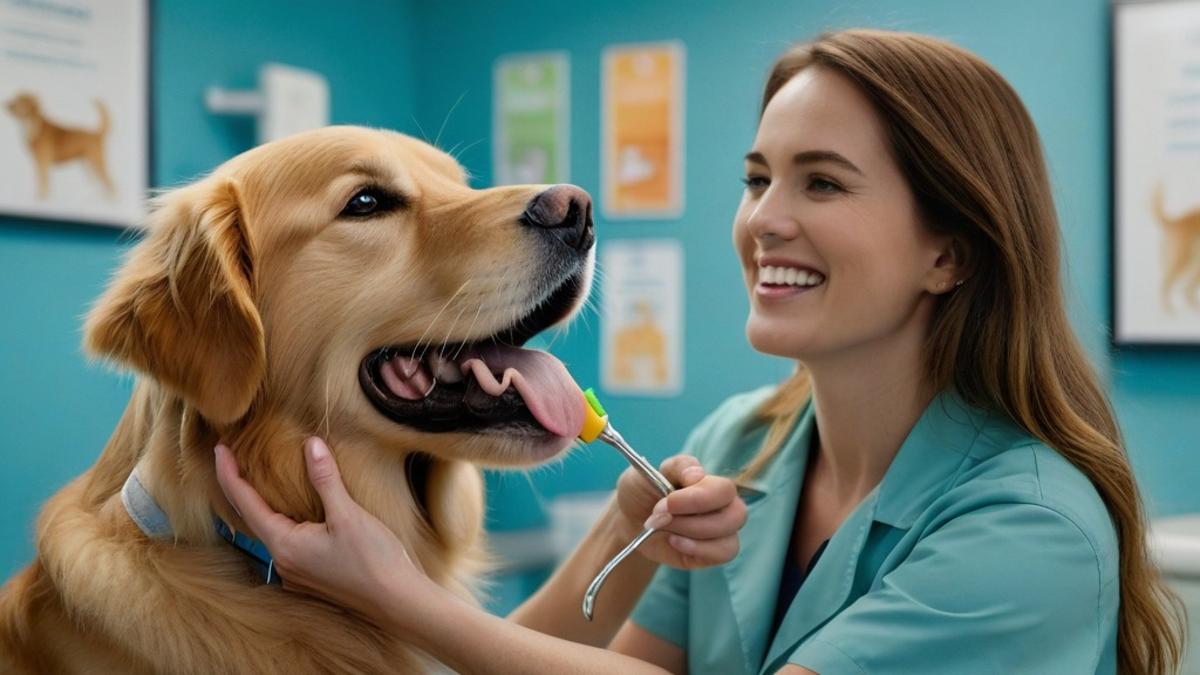
Brushing remains the single most effective weapon against plaque buildup. Veterinary dentists recommend daily brushing, though even three times weekly produces measurable results in reducing tartar accumulation. This frequency mirrors what dentists advise for humans, reinforcing the idea that oral hygiene principles cross species lines more than many owners realize.
Start slowly, especially with adult pets unfamiliar with the process. Patience during the first few weeks determines whether brushing becomes a lifelong habit or an abandoned attempt.
- Introduce pet-safe toothpaste flavors like poultry or beef, never human toothpaste, which contains xylitol toxic to animals
- Use a finger brush initially before transitioning to a proper pet toothbrush
- Focus on the outer surfaces where tartar accumulates fastest
- Keep sessions under two minutes to avoid stress or resistance
Consistency matters more than perfection here. A dog brushed imperfectly every day fares better than one brushed flawlessly once monthly. This principle should reassure busy Nigerian households juggling work, school runs, and generator schedules, imperfect effort still counts for something significant.
Beyond the Toothbrush: Supplementary Tools Worth Considering
Not every pet tolerates brushing immediately, and that’s where alternative tools bridge the gap. Dental chews formulated with enzymatic properties help mechanically scrape plaque during chewing. Look for products carrying the Veterinary Oral Health Council seal, an international benchmark increasingly recognized by importers supplying Nigerian pet stores, particularly those stocking shelves in Lekki and Wuse markets.
Water additives offer another layer of defense. These products disperse antibacterial agents throughout drinking water, subtly reducing oral bacteria without requiring direct handling of your pet’s mouth. For cats particularly resistant to brushing, this often becomes the most practical solution, especially in households where feline temperament makes physical intervention nearly impossible.
Raw carrots, apple slices, and specially designed chew toys also provide mechanical cleaning benefits, though these should complement, never replace, proper brushing. Locally available options like guava twigs, traditionally used in some Nigerian communities for human dental hygiene, should be approached cautiously with pets since not all plant materials are safe for animal consumption.
Professional Cleanings: Filling the Gaps Home Care Cannot Reach
Even the most disciplined home routine cannot remove tartar hardened beneath the gumline. This is where professional veterinary cleanings become non-negotiable, typically recommended annually for most pets, though senior animals or breeds prone to dental issues may need more frequent visits.
During these procedures, veterinarians perform thorough examinations under anesthesia, allowing full assessment of areas impossible to inspect in an awake, wriggling pet. X-rays often reveal problems entirely invisible to the naked eye, including root damage or bone loss occurring below the surface, issues that could otherwise progress silently for months.
Recognizing Warning Signs Between Checkups
Understanding pet oral hygiene guidelines also means knowing when something requires immediate attention rather than waiting for scheduled visits.
- Sudden reluctance to eat hard food or favorite treats
- Excessive drooling, sometimes tinged with blood
- Pawing repeatedly at the face or mouth area
- Visible swelling along the jawline
Any combination of these symptoms warrants a veterinary consultation promptly, rather than assuming the issue will resolve independently. Delayed treatment often transforms manageable problems into costly emergency procedures, a reality worth remembering before dismissing early warning signs as trivial.
Conclusion: Making Dental Hygiene a Non-Negotiable Part of Pet Ownership
The importance of dental hygiene for pets extends far beyond fresh breath or a pristine smile. Untreated oral bacteria can travel through the bloodstream, affecting the heart, kidneys, and liver, transforming what seems like a cosmetic issue into a systemic health threat. For Nigerian pet owners navigating tropical heat, humidity, and unpredictable veterinary access outside major cities, this connection makes prevention far more practical than late-stage treatment.
Throughout this discussion, one theme surfaces repeatedly: consistency outperforms intensity. Brushing several times weekly, supplementing with dental chews or water additives, and scheduling annual professional cleanings together form a layered defense system. No single practice works in isolation, but combined, they dramatically reduce the risk of periodontal disease, tooth loss, and painful infections.
Applying these pet dental care tips requires no specialized equipment or expensive subscriptions, just deliberate routine and attentiveness. A finger brush, pet-safe toothpaste, and two minutes daily can prevent thousands of naira in emergency veterinary bills down the line.
Owners searching for how to maintain pet dental health should also remember that vigilance between checkups matters just as much as scheduled care. Bad breath, bleeding gums, or sudden appetite changes are rarely trivial; they are early signals worth investigating rather than ignoring.
Ultimately, treating oral care as fundamental as feeding or exercise reshapes how pets age. Dogs and cats with healthy mouths tend to eat better, play longer, and avoid the chronic pain that often goes unspoken in animals. Investing a few minutes daily protects not just teeth, but overall quality of life for the years ahead.
Frequently Asked Questions
How often should I brush my dog or cat’s teeth in Nigeria’s hot climate?
Ideally, you should brush your pet’s teeth daily, but at least three to four times a week to maintain good dental hygiene for pet health. Nigeria’s warm climate can encourage faster bacterial growth in the mouth, so consistent brushing helps prevent plaque buildup and bad breath. Use a pet-specific toothbrush and toothpaste, as human toothpaste can be toxic to animals.
What are affordable alternatives to commercial pet dental products available in Nigerian markets?
If commercial pet toothpaste is hard to find or expensive, you can use a clean, soft cloth with a mixture of water and baking soda to gently wipe your pet’s teeth and gums. Chewing on raw carrots, dental chews, or bones from local butchers can also help scrape off plaque naturally. Always avoid cooked bones as they can splinter and cause injury.
What are the warning signs that my pet needs urgent dental care?
Watch out for persistent bad breath, yellow or brown tartar buildup, bleeding gums, difficulty eating, or excessive drooling, as these indicate poor dental hygiene for pet health. If your pet paws at its mouth frequently or seems reluctant to chew, it may be experiencing dental pain that requires a vet visit. Ignoring these signs can lead to more serious infections or tooth loss.
Can poor dental hygiene affect my pet’s overall health beyond just their mouth?
Yes, poor dental hygiene can lead to bacterial infections that spread through the bloodstream, potentially affecting your pet’s heart, liver, and kidneys. This is especially important in Nigeria, where access to advanced veterinary care may be limited in some areas, making prevention even more critical. Maintaining good dental hygiene for pet health can save you costly treatments and improve your pet’s quality of life.

Linda Carter
Linda Carter is a writer and pet care expert specializing in pet health, grooming, and wellness. With extensive experience helping pet owners create safe, loving, and enriching environments for their animals, Linda shares her knowledge on our platform. Her goal is to empower readers with practical advice and strategies to ensure their pets thrive and lead joyful, healthy lives.