The Importance of Health Monitoring in Pets: Tools and Techniques
Why Every Nigerian Pet Owner Should Pay Attention to Health Monitoring
From the bustling streets of Lagos to the quieter neighborhoods of Abuja, more Nigerians are welcoming dogs, cats, and other companion animals into their homes. Yet, many pet owners only visit a veterinarian when their furry friend is visibly unwell. Health Monitoring in Pets is quickly becoming a game-changer, shifting the focus from reactive treatment to proactive care. This shift matters even more in a country where veterinary clinics can be scarce outside major cities, and travel time to reach one can sometimes stretch into hours.
The Hidden Cost of Ignoring Early Warning Signs
Animals are masters at hiding pain and discomfort until conditions become severe. A cat with early kidney disease or a dog developing arthritis may show no obvious symptoms for months. By the time visible signs appear, such as limping, weight loss, or lethargy, the underlying condition may have already progressed significantly, making treatment more difficult and expensive.
- Untreated dental disease can lead to costly extractions
- Undetected obesity increases risk of diabetes and joint problems
- Delayed diagnosis of heartworm or tick-borne illness can be fatal
In Nigeria’s warmer climate, tick-borne illnesses are particularly common, especially among dogs that roam compounds or accompany their owners to markets and farms. Many pet owners underestimate how quickly these conditions can escalate without early intervention.
What Modern Pet Health Tools Can Reveal
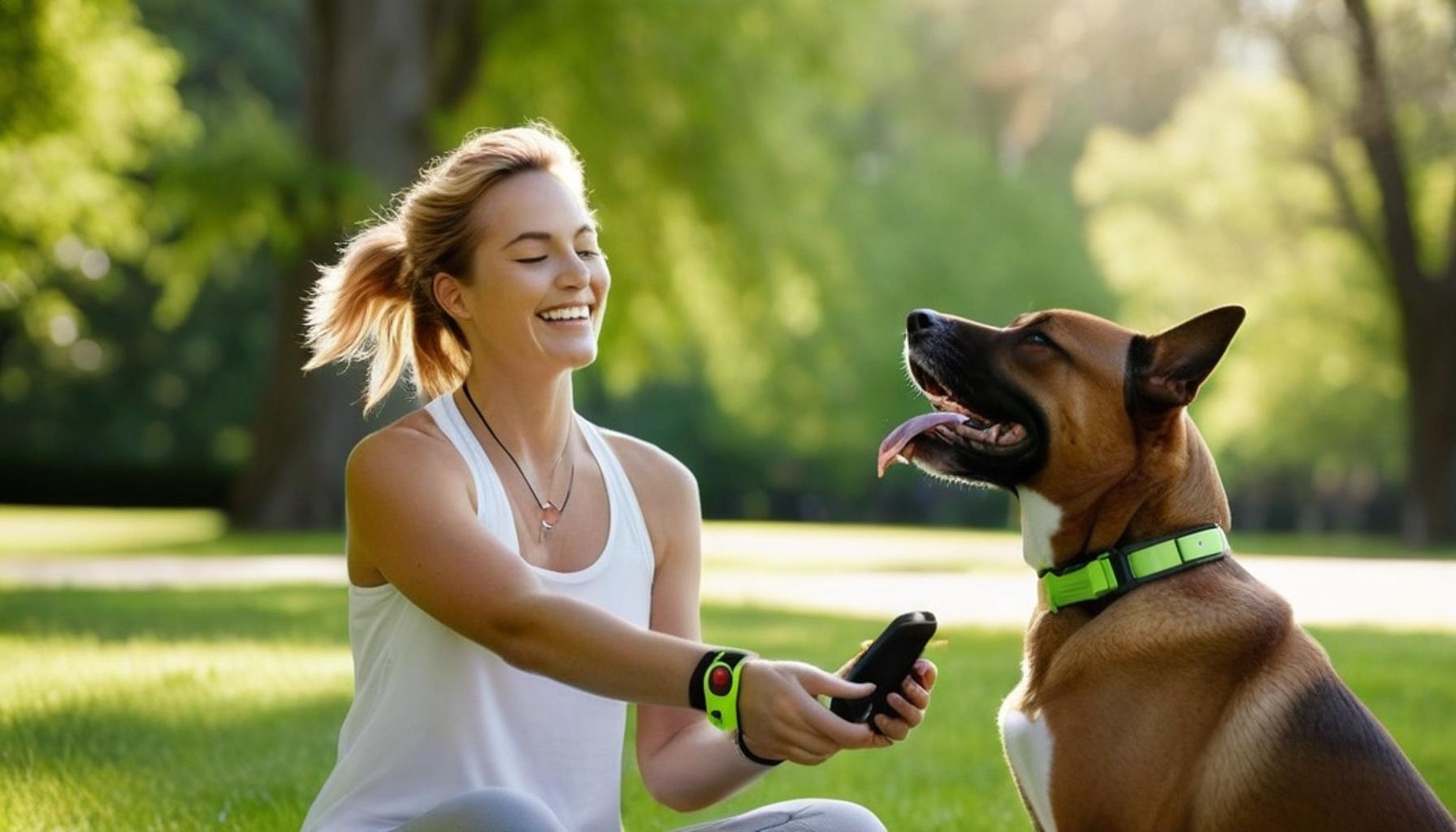
Today’s pet health tools go far beyond the traditional stethoscope and thermometer. Wearable trackers, smart feeding bowls, and mobile apps now allow owners to monitor vital signs in real time, right from their smartphones. This technology is gradually making its way into Nigerian households, particularly among younger pet owners who are already comfortable using apps for banking, shopping, and fitness.
Some of the best health monitoring devices for pets can track:
- Heart rate and respiratory patterns
- Activity levels and sleep quality
- Calorie intake and hydration
- Location through GPS, useful in busy urban areas
For pet owners in cities like Port Harcourt or Ibadan, GPS tracking alone can offer peace of mind, especially given the risk of pets wandering off in unfamiliar or crowded environments.
Bridging the Gap Between Instinct and Data
Understanding how to monitor pet health effectively means combining technology with keen observation. This article explores practical pet health monitoring techniques, highlighting why the importance of pet health monitoring cannot be overstated for responsible ownership. As more Nigerians invest in their pets’ wellbeing, the conversation around preventive care is only just beginning to grow.
LEARN MORE: The Importance of Health Monitoring in Pets: Tips for Owners
# Building a Foundation: Essential Tools for Everyday Pet Health Monitoring
Before diving into high-tech gadgets, it helps to understand the basics of Health Monitoring in Pets. Every responsible pet owner in Nigeria, whether managing a compound full of dogs in Kaduna or a single indoor cat in Lekki, needs a starting point. That starting point is knowing what “normal” looks like for your specific animal.
A healthy dog typically has a resting heart rate between 60 and 140 beats per minute, depending on size, while cats usually range from 140 to 220 beats per minute. Temperature norms also differ: dogs and cats generally sit between 37.5°C and 39.2°C. Knowing these baseline figures makes it easier to spot when something is wrong, long before a trip to the vet becomes urgent. Many owners only discover these numbers after an emergency, which is precisely the gap this kind of awareness is meant to close.
Beyond heart rate and temperature, respiratory rate is another figure worth tracking. Dogs typically breathe between 10 and 30 times per minute at rest, while cats fall within a similar range. A sudden spike, especially without physical exertion, can hint at pain, anxiety, or an underlying respiratory issue. These are the kinds of subtle clues that separate a proactive pet owner from one who only reacts once symptoms become severe.
Simple Pet Health Tools Every Owner Should Have
You do not need an expensive setup to start monitoring your pet’s wellbeing. Several affordable pet health tools can be found in local pharmacies or ordered online through Nigerian e-commerce platforms like Jumia and Konga.
- A digital pet thermometer for quick temperature checks
- A pet weighing scale to track gradual weight changes
- A basic first-aid kit with antiseptics and bandages
- A grooming brush that doubles as a skin and coat inspection tool
These items form the backbone of pet health monitoring techniques that any household can adopt, regardless of budget or location. For pet owners in areas with limited access to veterinary clinics, such as parts of rural Ogun or Benue State, these tools become even more valuable as a first line of defense. A thermometer costing a few thousand naira, for instance, can help an owner decide whether a lethargic dog needs immediate attention or simply rest and hydration.
Weighing scales, often overlooked, are particularly useful for spotting slow, creeping changes that daily glances might miss. A cat losing weight gradually over several weeks may not seem alarming at first, but tracked numbers reveal a pattern that visual inspection alone cannot. Similarly, a first-aid kit prepares owners for minor injuries common in active dogs, especially those allowed to roam compounds or play outdoors.
Observation Still Matters More Than Technology
Despite the rise of smart devices, nothing replaces daily observation. Learning how to monitor pet health starts with simple habits: checking appetite, watching bathroom routines, and noticing changes in behavior or mood.
Nigerian pet owners often rely on communal knowledge passed down through generations, such as recognizing when a dog refuses food for more than a day or when a cat becomes unusually withdrawn. While this instinct is valuable, pairing it with structured monitoring creates a more reliable safety net.
This is where the importance of pet health monitoring becomes clear. It is not about replacing intuition with gadgets, but about strengthening everyday awareness with consistent data. Together, instinct and tools create a fuller picture of an animal’s wellbeing, one that catches problems early rather than after they escalate, potentially saving both money and heartbreak down the line.
SEE ALSO: Wearable Technology: How Health Monitoring Devices Can Improve Your Pet’s Well-Being
# From Wearables to Apps: Advancing Health Monitoring in Pets with Modern Technology
As smartphone penetration grows across Nigeria, so does access to smarter pet health monitoring techniques. What was once limited to physical checkups and guesswork has evolved into a digital landscape where owners in Abuja, Port Harcourt, or Ibadan can track vital signs almost as easily as tracking a food delivery order.
Wearable Devices Making Their Way into Nigerian Homes
The global pet tech industry has introduced wearable collars and trackers that monitor activity levels, heart rate, and even sleep patterns. Brands like Fitbark and Whistle, though not originally designed with the Nigerian market in mind, have found their way into the hands of tech-savvy pet owners through international shipping and importation.
These devices fall under the category of best health monitoring devices for pets, offering real-time data that syncs directly to a smartphone app. For a dog owner in Lagos juggling a busy work schedule, a wearable can send alerts when a pet’s activity drops significantly, a possible early sign of joint pain, infection, or fatigue.
Some collars also include GPS tracking, which carries added value in Nigerian contexts where pets, especially dogs, sometimes wander off during estate patrols or roam freely in less secured compounds. Combining location tracking with health data creates a two-in-one safety tool that many pet owners find worth the investment.
Mobile Apps Simplifying How to Monitor Pet Health
Beyond wearables, mobile applications are reshaping how to monitor pet health on a day-to-day basis. Apps such as PetDesk and 11pets allow owners to log feeding times, medication schedules, vaccination records, and weight trends in one place.
For Nigerian pet owners who juggle multiple animals, sometimes a mix of dogs, cats, and even poultry within the same household, these apps eliminate the need for scattered notebooks or memory-based tracking. A missed deworming date or an overdue vaccine becomes far less likely when reminders are automated.
- Digital vaccination and medical history logs
- Automated reminders for feeding, medication, and vet visits
- Symptom checkers that offer preliminary guidance before a clinic visit
- Weight and activity graphs for long-term pattern tracking
Telemedicine: A Growing Bridge for Limited Veterinary Access
One of the more transformative shifts in the importance of pet health monitoring conversation is the rise of veterinary telemedicine. With Nigeria still facing an uneven distribution of licensed veterinarians, particularly outside major cities, virtual consultations are filling critical gaps.
Platforms offering video consultations allow owners in underserved areas to describe symptoms, share photos, or even stream live footage of their pet’s behavior to a veterinary professional. While not a replacement for physical examination, this approach often helps determine whether a situation requires urgent in-person care or can be managed at home temporarily.
Combined, these technologies signal a shift toward a more connected, data-driven approach to pet care across Nigeria, one where distance and access no longer have to mean delayed detection of illness.
RECOMMENDED: Warning Signs: What to Watch for in Your Pet’s Health Day to Day
Conclusion: Building a Healthier Future for Nigerian Pets
The journey through wearables, mobile apps, and telemedicine makes one thing clear: Health Monitoring in Pets is no longer a luxury reserved for foreign pet owners with unlimited resources. It has become an accessible, practical necessity for Nigerian households navigating the realities of pet ownership across cities like Lagos, Kano, and Enugu.
The importance of pet health monitoring lies not just in catching illness early but in reshaping how owners relate to their animals daily. A missed feeding time, an unnoticed limp, or a skipped vaccine can carry consequences that ripple far beyond a single pet, especially in communities where veterinary access remains inconsistent.
Modern pet health tools bridge these gaps in ways that were unimaginable a decade ago. Whether through a GPS collar alerting an owner in Abuja to unusual inactivity, or a telemedicine consultation guiding a first-time pet owner in Jos through an emergency, technology is quietly rewriting the rules of animal care.
Choosing the best health monitoring devices for pets ultimately depends on lifestyle, budget, and the specific needs of each animal. There is no universal solution, but there is a growing toolkit worth exploring.
- Start small with a mobile app for scheduling and record-keeping
- Introduce a wearable device for continuous activity tracking
- Keep a trusted telemedicine platform on standby for uncertain situations
- Maintain regular in-person vet visits alongside digital tools
As more Nigerian pet owners embrace pet health monitoring techniques, the broader culture of responsible pet ownership stands to benefit. The question is no longer whether these tools are useful, but how quickly households across the country will adopt them to give their animals longer, healthier lives.
Frequently Asked Questions
What are affordable tools for health monitoring in pets available to Nigerian pet owners?
Simple options like digital pet thermometers, weighing scales, and tick/flea combs are widely available in local pet shops and online stores like Jumia. For more advanced tracking, budget-friendly pet fitness trackers and apps can help monitor activity, appetite, and weight trends over time. Regular home checks combined with periodic visits to a local veterinarian offer a cost-effective monitoring routine.
How often should I schedule veterinary checkups as part of health monitoring in pets in Nigeria?
For healthy adult dogs and cats, a veterinary checkup every six months is generally recommended, while puppies, kittens, and senior pets may need more frequent visits. Given Nigeria’s climate, checkups should also screen for common regional issues like ticks, fleas, and heartworm exposure. If you notice changes in appetite, energy, or behavior, schedule a visit immediately rather than waiting for the routine checkup.
Can I monitor my pet’s health at home without professional equipment?
Yes, basic home monitoring includes checking your pet’s coat condition, eyes, ears, gums, and stool consistency regularly. Tracking eating and drinking habits, weight changes, and energy levels can reveal early signs of illness. However, home observations should complement, not replace, professional veterinary assessments, especially for diagnosing internal or chronic conditions.
What health issues are common in Nigerian pets that require regular monitoring?
Due to Nigeria’s tropical climate, pets are especially prone to tick-borne diseases, heartworm, fleas, and skin infections, making regular parasite checks essential. Nutritional deficiencies are also common where commercial pet food access is limited, so monitoring body condition and coat health is important. Heat stress and dehydration during hot seasons should also be watched closely, particularly in short-nosed breeds.

Linda Carter
Linda Carter is a writer and pet care expert specializing in pet health, grooming, and wellness. With extensive experience helping pet owners create safe, loving, and enriching environments for their animals, Linda shares her knowledge on our platform. Her goal is to empower readers with practical advice and strategies to ensure their pets thrive and lead joyful, healthy lives.