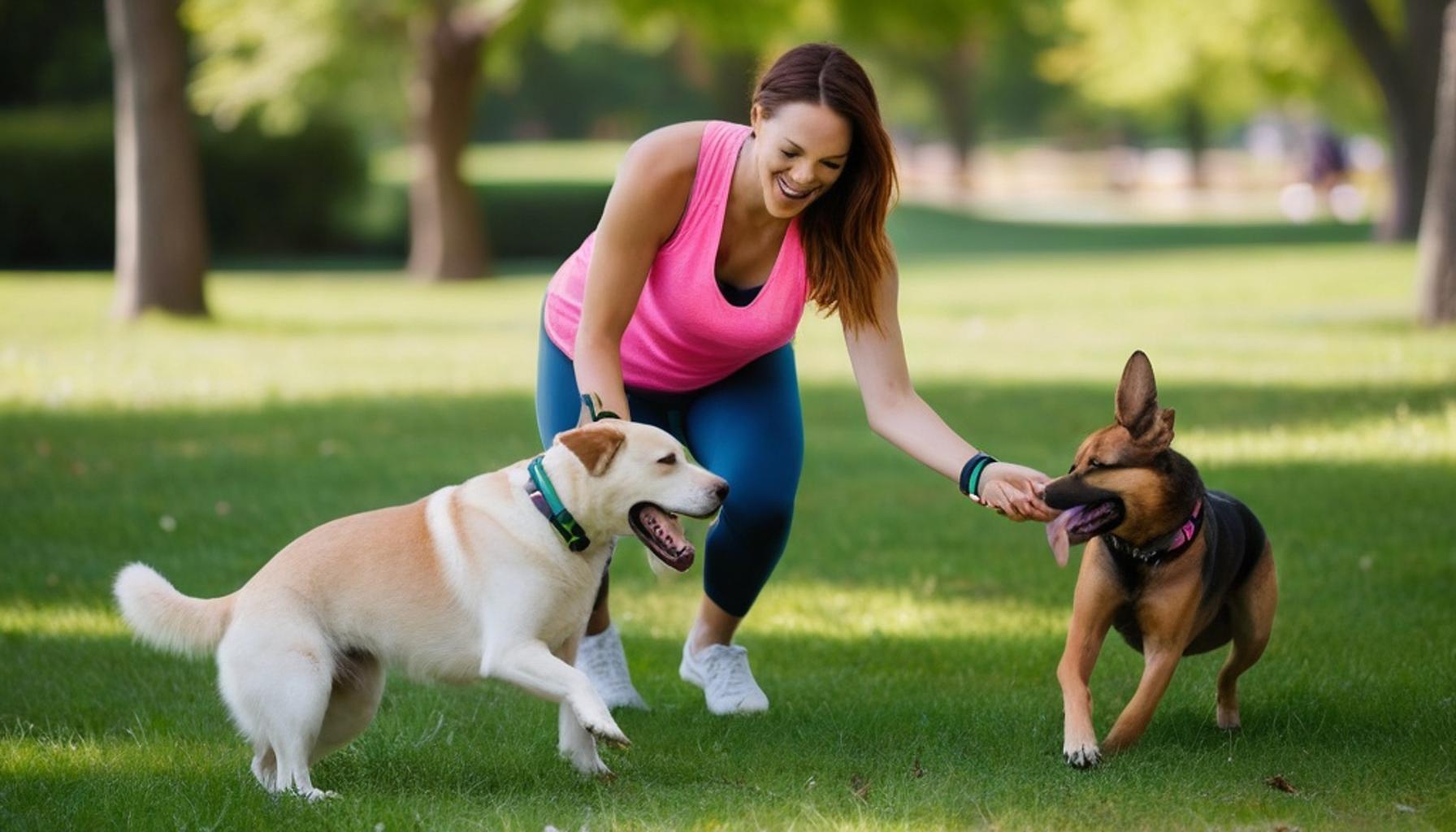
Warning Signs: How to Detect Health Problems in Your Pet Through Daily Observation

Your Pet Is Trying to Tell You Something
A sudden change in appetite. A slightly duller coat. A little less enthusiasm at the gate when you return from work in Lagos traffic.
These small shifts often go unnoticed, yet they can be the earliest clues that something is wrong.
Learning to detect health problems in pets doesn’t require veterinary training, just consistent attention.
Why Daily Observation Matters
Dogs and cats are experts at masking discomfort, a survival instinct inherited from their wild ancestors. In the wild, showing weakness could mean becoming a target for predators or losing status within a pack. This instinct hasn’t disappeared just because your dog now sleeps on a cushion in Ikeja or your cat lounges on a windowsill in Abuja.
By the time symptoms become obvious, an illness may have already progressed significantly. A cat that suddenly stops eating for two days, for instance, could already be dealing with a serious liver issue rather than a simple case of pickiness.
This is where daily pet observation becomes a powerful, low-cost tool for every pet owner across Nigeria. Unlike expensive diagnostic tests, this method costs nothing but a few minutes of attention each day, yet it can be remarkably effective at catching problems early.
- Changes in eating or drinking habits
- Unusual lethargy or restlessness
- Shifts in bathroom routines
- Altered breathing patterns
- Skin, coat, or eye changes
Consider the heat common across many Nigerian cities. A dog panting excessively after a short walk in Port Harcourt’s humidity might simply be adjusting, or it could be an early warning of heat stress, a condition that escalates quickly if ignored.
What This Article Will Cover
This guide explores the key pet health warning signs every owner should recognize before a small issue becomes an emergency. We’ll examine how subtle cues, like a shift in how your dog walks or how often your cat visits the litter box, can point toward underlying problems long before a trip to the vet becomes urgent.
You’ll learn practical steps for how to check pet health at home, using simple daily routines rather than expensive equipment. This includes checking gum color, monitoring water intake during Nigeria’s dry season, and observing energy levels after meals.
We’ll also break down some of the most common pet health issues affecting dogs and cats in Nigerian households, from heat-related stress to parasite infestations like ticks and fleas, which thrive in warmer climates and can quickly compromise an animal’s health if left unaddressed.
By the end, you’ll be better equipped at recognizing pet illness early, potentially saving your companion from unnecessary suffering and costly veterinary bills. Understanding these signals isn’t just about being a good pet owner, it’s about building a deeper connection with an animal that communicates entirely through behavior, body language, and subtle physical changes.
SEE ALSO: The Importance of Health Monitoring in Pets: Tips for Owners
Reading the Body: The First Signals Worth Watching
Before checking behavior or appetite, the body itself offers some of the clearest clues. A pet’s physical condition, from skin to posture, often reveals problems long before any dramatic symptom appears. This is not a matter of guesswork or luck; it is a skill that any pet owner can develop with a little consistency.
Learning to detect health problems in pets starts here, with a simple, hands-on inspection that takes less time than brewing a cup of tea. Yet many pet owners across Nigeria overlook this step entirely, waiting instead for obvious distress before seeking help. By then, what could have been a minor issue may have already progressed into something far more complicated and costly to treat.
The Coat and Skin Tell a Story
A healthy coat should look glossy, feel smooth, and lie flat against the body. When that changes, it’s rarely random. The skin, often called the body’s largest organ, reacts quickly to internal imbalances, making it one of the most reliable indicators of overall wellness.
Dull, brittle fur or unusual shedding, especially outside the typical seasonal patterns seen in Nigeria’s dry season, can point toward nutritional deficiencies, hormonal imbalances, or internal illness. Cats grooming excessively in one spot, sometimes creating bald patches, may be dealing with allergies, stress, or a flea infestation, particularly common in warmer regions like Ibadan or Calabar where parasites thrive year-round. Dogs are not exempt either; breeds with thick coats can hide skin problems for weeks before an owner notices anything wrong.
Running your hands over your pet weekly, not just petting but actually feeling the skin, can catch issues early. This tactile check should become as routine as feeding time itself, since fingers often detect what the eyes miss.
- Lumps, bumps, or swelling that weren’t there before
- Flaky or oily patches signaling skin infections
- Redness, scabs, or hair loss around the ears and belly
- Ticks or fleas hiding near the neck, armpits, or tail base
- Unusual odor coming from the skin or ears
This kind of daily pet observation doesn’t require special tools. It simply requires attention, patience, and a willingness to notice small changes before they escalate into larger concerns.
Eyes, Ears, and Gums: Small Windows Into Big Problems
Veterinarians often check gum color first because it reflects circulation and oxygen levels almost instantly. Healthy gums should be pink and moist. Pale, white, or bluish gums can indicate anemia, poor circulation, or even poisoning, situations that demand urgent attention rather than a wait-and-see approach. In some cases, discolored gums have been the earliest visible sign of internal bleeding or organ distress.
Eyes matter too. Cloudiness, excessive tearing, or redness are among the most overlooked pet health warning signs, often dismissed as dust irritation from Lagos’s harmattan winds when they might signal something more serious, like infection or early cataracts. A sudden squint or reluctance to open one eye fully should never be brushed aside as mere tiredness.
Ears deserve equal scrutiny. A strong odor, dark discharge, or frequent head-shaking often points to ear mites or bacterial infections, both surprisingly common in Nigeria’s humid coastal cities. Left untreated, these infections can spread deeper, causing balance issues or chronic discomfort.
Knowing how to check pet health through these small windows, gums, eyes, ears, transforms a two-minute glance into a genuine diagnostic habit, one that catches trouble long before it becomes an emergency requiring costly veterinary intervention.

Daily Observation: Key Indicators to Detect Health Problems in Pets
Recognizing pet health warning signs requires more than a glance — it demands a structured daily routine. Below is a quick-reference table highlighting critical categories every pet owner should monitor to detect health problems in pets before they escalate into emergencies.
| Category | What to Watch For |
|---|---|
| Behavioral Shifts | Sudden aggression, hiding, or lethargy can signal common pet health issues like pain or infection. |
| Appetite & Thirst | Unexplained refusal to eat or excessive water intake often indicates metabolic disorders. |
| Coat & Skin | Dull fur, bald patches, or rashes reveal allergies or nutritional deficiencies during daily pet observation. |
| Bathroom Habits | Straining, diarrhea, or blood in stool are urgent signs used when learning how to check pet health accurately. |
Tracking these four categories consistently helps owners in recognizing pet illness weeks before symptoms become severe, often reducing veterinary costs by catching issues early.
YOU MAY ALSO LIKE: Wearable Technology: How Health Monitoring Devices Can Improve Your Pet’s Well-Being
Behavior, Appetite, and the Rhythms That Reveal Illness
Once the body has been checked, the next layer of insight comes from patterns, how a pet eats, moves, rests, and interacts. These rhythms are often more telling than any single physical symptom, because illness frequently announces itself through subtle shifts long before it becomes visible on the skin or in the eyes.
Recognizing pet illness through behavior requires a baseline. An owner who knows their dog typically eats within five minutes or their cat naps in the same sunny spot every afternoon will notice deviations almost instinctively. Without that baseline, changes can slip by unnoticed for weeks, sometimes until a minor issue has already grown into something requiring urgent veterinary intervention.
Appetite and Water Intake as Early Indicators
Food and water consumption are among the most reliable measures of internal health. A dog that suddenly refuses meals it once devoured, or a cat that ignores its favorite dried fish treat, common in many Nigerian households, may be signaling nausea, dental pain, or gastrointestinal distress. Even a single skipped meal, if paired with other symptoms, can be worth documenting rather than dismissing.
Increased thirst deserves equal attention. Pets drinking noticeably more water than usual, especially paired with frequent urination, can be showing early signs of diabetes or kidney problems, conditions that are far more manageable when caught within the first few weeks rather than months later. In warmer regions of the country, owners sometimes mistake this for normal hydration behavior during hot spells, which can delay diagnosis considerably.
- Skipping meals for more than 24 hours without explanation
- Drinking significantly more or less water than normal
- Vomiting after eating, even occasionally
- Sudden weight loss or gain over a short period
- Difficulty chewing or dropping food while eating
These are among the most common pet health warning signs reported by veterinary clinics in cities like Abuja and Port Harcourt, yet many owners initially attribute them to picky eating or hot weather rather than underlying illness. Veterinarians often note that by the time a pet is brought in for evaluation, the symptoms have already been present for several days, sometimes longer.
Movement, Mood, and Energy Levels
Lethargy is not always laziness. A pet that once greeted visitors at the gate but now stays curled up in a corner may be dealing with pain, infection, or fatigue linked to anemia. Stiffness after rest, reluctance to climb stairs, or limping that appears only in the morning can point toward joint issues, arthritis, or even injury from an unnoticed fall. These physical clues often develop gradually, making them easy to rationalize as simple aging rather than a medical concern worth investigating.
Mood shifts matter just as much. Increased aggression, unusual clinginess, or withdrawal from family members are frequently overlooked common pet health issues rooted in discomfort rather than temperament. A cat that suddenly hides for days, avoiding its litter box, may be experiencing urinary blockage, a condition that can become fatal within 48 hours if ignored. This particular scenario illustrates why behavioral vigilance can sometimes matter more than any scheduled checkup.
Learning how to check pet health through daily behavior means treating these small oddities as data points rather than isolated incidents. Keeping a simple written log, even a few lines a day, helps owners and veterinarians identify patterns that a single visit might miss entirely, turning scattered observations into a clearer picture of what the animal’s body has been trying to communicate all along.
CHECK OUT: How Emotional Feeding Contributes to Monitoring Your Pet’s Health
Turning Observation Into a Habit That Protects Your Pet
Across every section of this discussion, one theme remains constant, the ability to detect health problems in pets rarely depends on expensive equipment or specialized training. It depends on attention. A watchful owner in Lagos, Enugu, or Kano can catch what a rushed glance would miss entirely.
Daily observation is not about anxiety or overreaction. It is about familiarity, knowing what normal looks like so that abnormal becomes obvious. This is the foundation of recognizing pet illness before it escalates into an emergency requiring costly treatment or, in worse cases, arriving too late for intervention to matter.
Why Small Habits Create Big Protection
Checking eyes, ears, and coat texture during a weekly grooming session takes minutes. Noting appetite changes in a simple notebook takes seconds. Yet these small habits form a safety net that many pets across Nigerian households currently lack, largely because veterinary visits are often reserved for visible emergencies rather than routine screening.
Consistent daily pet observation shifts the entire relationship between owner and animal. Instead of reacting to a crisis, families begin anticipating problems, scheduling checkups earlier, and asking sharper questions during clinic visits.
- Establishing a weekly physical check routine
- Recording appetite, water intake, and energy levels
- Comparing current behavior against a known baseline
- Seeking veterinary input at the first unusual pattern, not the tenth
Understanding common pet health issues and knowing how to check pet health at home does not replace professional veterinary care, it strengthens it. The two work together, informed owners provide better context, and veterinarians make faster, more accurate diagnoses as a result.
Ultimately, pets cannot describe their pain in words, but their bodies and behaviors speak constantly. Learning that language, one observation at a time, may be the simplest yet most powerful tool any pet owner can develop.
Frequently Asked Questions
What are the earliest signs that can help detect health problems in pets living in Nigeria’s hot climate?
Watch for excessive panting, reduced appetite, lethargy, and changes in water intake, as these can signal heat stress or underlying illness in Nigeria’s warm weather. Also check for dull or dry skin and coat, since dehydration and poor nutrition show up quickly in tropical conditions. Any sudden change in your pet’s normal behavior during the hottest months should prompt a closer look.
How can I tell if my dog or cat’s toilet habits indicate a health issue?
Diarrhea, constipation, blood in stool or urine, or straining to urinate are red flags that should never be ignored, especially given the prevalence of parasites and tick-borne diseases in Nigeria. A sudden increase in urination frequency could point to kidney problems or diabetes. If these changes last more than a day, visit a veterinarian promptly.
What daily grooming checks help detect health problems in pets before they get serious?
Run your hands over your pet’s body daily to feel for unusual lumps, ticks, or fleas, which are common in Nigeria’s climate, and check ears and eyes for discharge or odor. Inspect gums and teeth weekly, since pale gums can indicate anemia while bad breath may signal dental disease. These simple checks take only a few minutes but can catch issues early, before they become costly to treat.
When should I take my pet to a vet in Nigeria instead of monitoring symptoms at home?
If your pet shows persistent vomiting, refuses food for over 24 hours, has labored breathing, or seems unusually weak, seek veterinary care immediately rather than waiting. Given limited access to emergency vet clinics in some Nigerian cities, it’s wise to identify a trusted local vet in advance for quick consultation. Delaying treatment for symptoms like these can turn a manageable condition into a life-threatening emergency.

Linda Carter
Linda Carter is a writer and pet care expert specializing in pet health, grooming, and wellness. With extensive experience helping pet owners create safe, loving, and enriching environments for their animals, Linda shares her knowledge on our platform. Her goal is to empower readers with practical advice and strategies to ensure their pets thrive and lead joyful, healthy lives.