Benefits of Outdoor Activities for the Emotional Well-Being of Pets
Why Fresh Air and Playtime Matter for Your Furry Friend
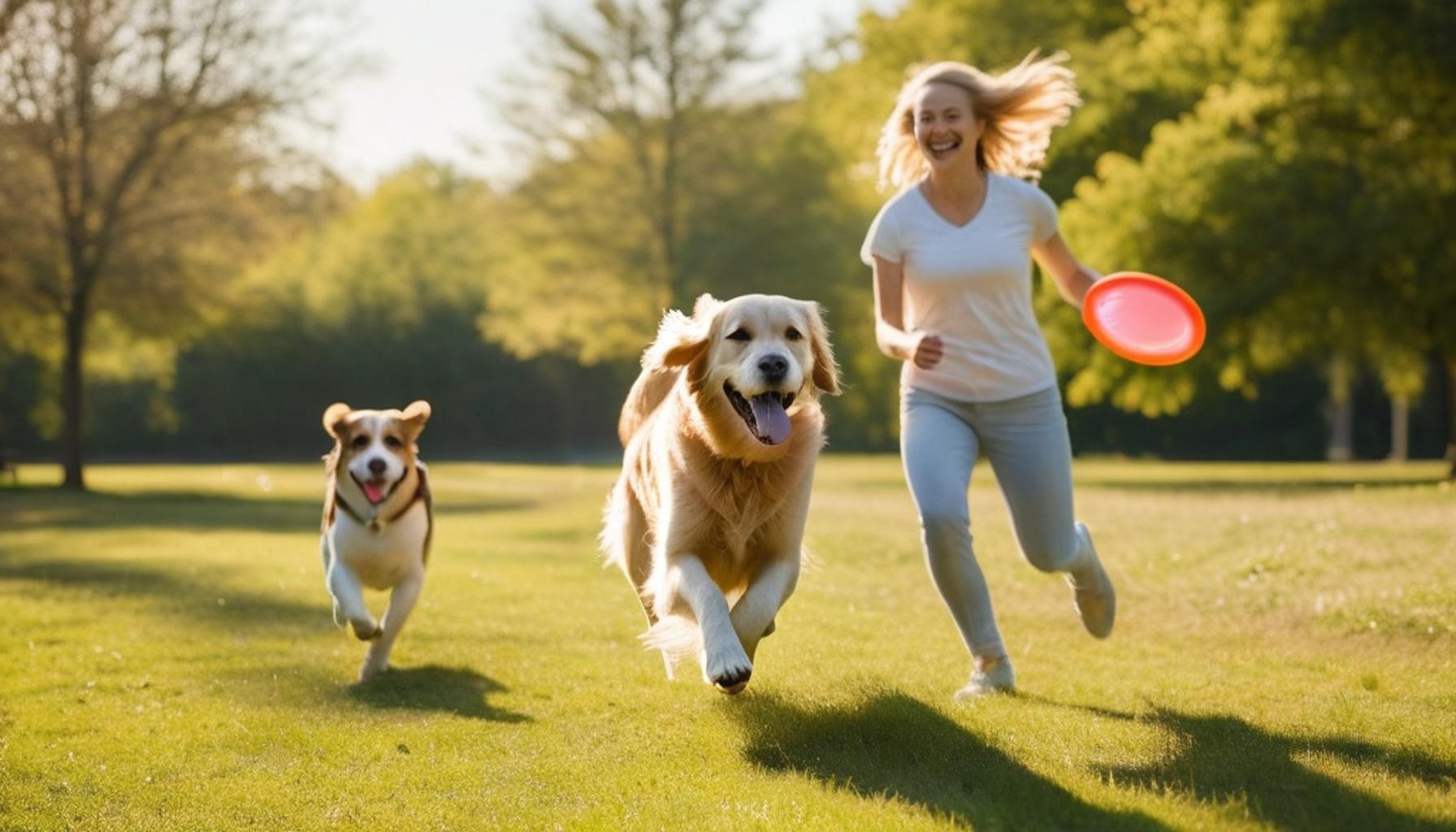
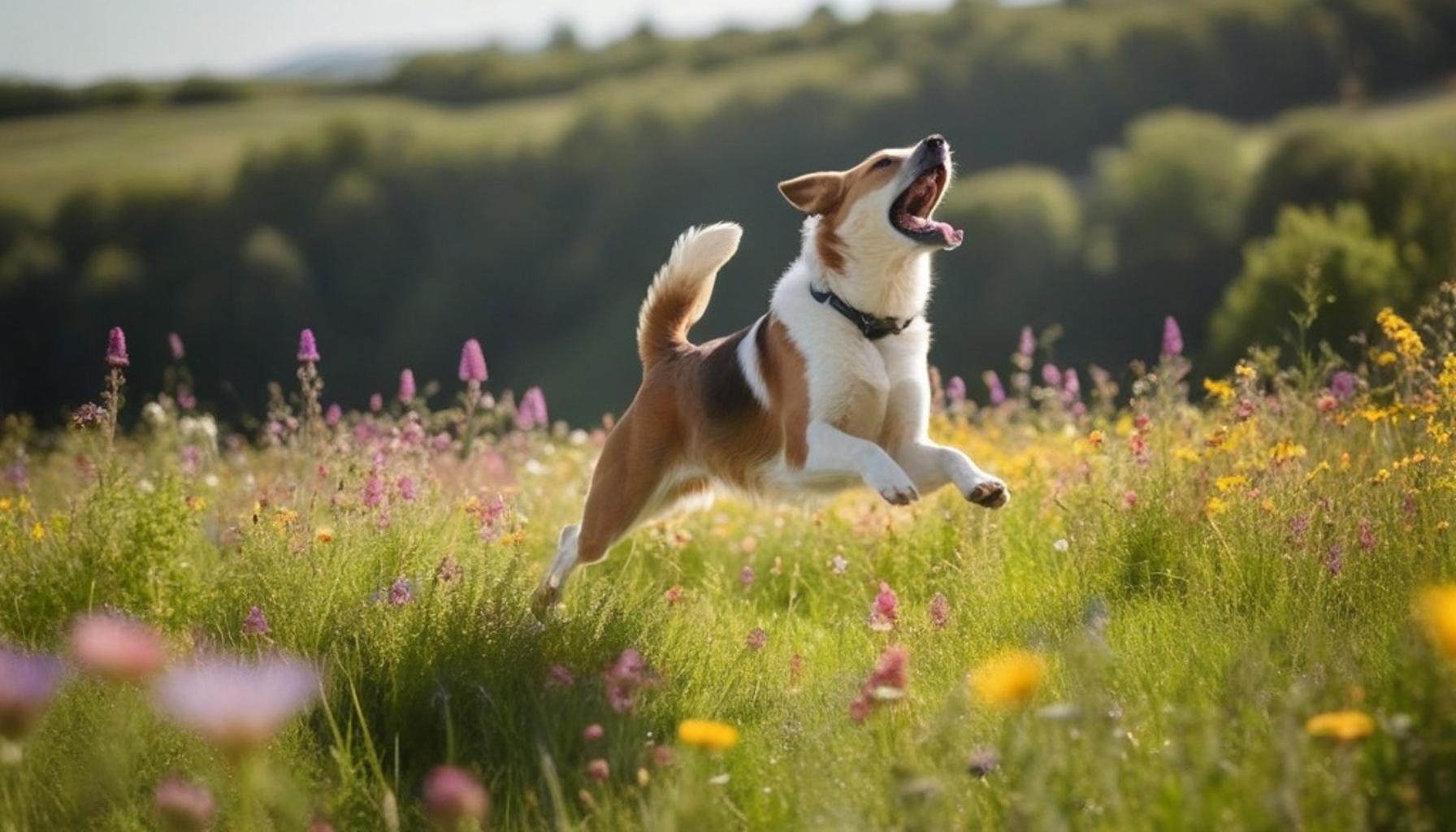
Picture a dog bounding through a compound in Lagos, tail wagging with pure joy, or a cat lounging under the shade of a mango tree in Abuja. These simple moments reveal something profound about the emotional well-being of pets. Across Nigerian homes, more pet owners are discovering that outdoor time is not just exercise—it is therapy.
The Hidden Link Between Nature and Animal Happiness
Veterinary behaviorists have long studied how outdoor activities help pets manage stress, anxiety, and boredom. Just like humans, animals thrive when exposed to sunlight, fresh air, and new sensory experiences. A dog sniffing around a neighborhood in Port Harcourt is not simply wasting time—it is engaging in what experts call environmental enrichment, a process that stimulates the brain and reduces cortisol levels linked to stress.
Studies suggest that pets confined indoors for extended periods show higher signs of restlessness and destructive behavior. Chewed furniture, excessive barking, or a cat scratching at curtains are often signs of pent-up energy craving release. This makes outdoor activities for pets a critical, often overlooked, component of responsible pet care, especially in urban centers like Lagos and Ibadan where apartment living can limit natural movement.
What This Article Will Explore
This piece uncovers the science and practical benefits behind letting your pets roam, play, and explore. Expect to learn:
- The benefits of outdoor play for dogs, from reduced anxiety to improved sociability with other animals and humans
- How the impact of outdoor fun on pets extends beyond dogs to cats, rabbits, and other companion animals commonly kept in Nigerian households
- Simple, actionable ways Nigerian pet owners can incorporate outdoor routines despite busy schedules and unpredictable weather patterns
- The surprising mental health benefits for pets that mirror human psychological wellness, including improved mood regulation and stronger bonds with owners
Consider the difference between a dog that spends its days pacing indoors versus one that enjoys regular strolls through Freedom Park or a quiet estate garden. The contrast in temperament often speaks volumes. By the end, you will understand why a walk around the estate or a game of fetch in the backyard is more than fun—it is essential care that supports both physical health and emotional stability for the animals sharing our homes.
CHECK OUT: The Importance of an Exercise Routine for Pets’ Mental Health
# Benefits of Outdoor Activities for the Emotional Well-Being of Pets
How Outdoor Playtime Rewires a Pet’s Emotional State
Beyond the obvious physical perks, outdoor time plays a direct role in shaping how animals process emotions. Research from animal behavior institutes indicates that pets exposed to regular outdoor stimulation produce more serotonin and dopamine—chemicals responsible for calmness and pleasure. This biological response explains why the emotional well-being of pets often improves dramatically once daily outdoor routines are introduced.
Scientists studying animal cognition have long noted that confinement, even when well-intentioned, restricts an animal’s ability to process environmental information naturally. A pet that spends most of its life within four walls or a single compound rarely encounters the sensory variety needed to keep its brain engaged. Over time, this sensory deprivation can manifest as compulsive behaviors, excessive sleeping, or sudden aggression—symptoms that many pet owners misinterpret as simple stubbornness rather than emotional distress.
In many Nigerian homes, dogs are kept primarily for security, often chained or confined to small yards. While this serves a protective purpose, it can unintentionally stunt an animal’s emotional development. A dog that never experiences varied outdoor stimuli—different scents, sounds, textures, and social interactions—may become withdrawn, overly aggressive, or excessively anxious around strangers. This is particularly concerning in densely populated areas like Ibadan or Port Harcourt, where limited compound space already restricts an animal’s movement.
Breaking Down the Benefits of Outdoor Play for Dogs
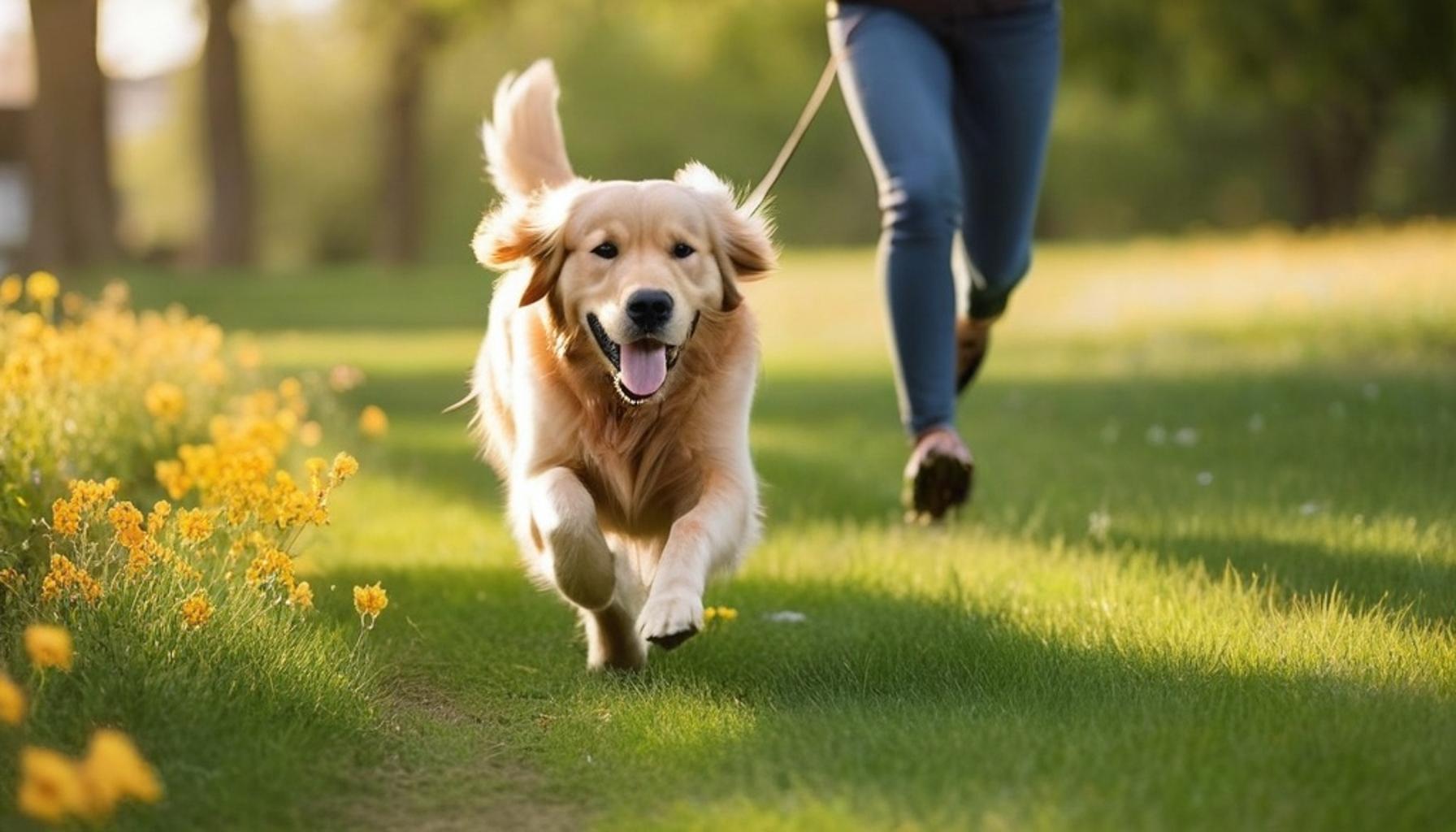
Dogs, in particular, respond strongly to structured outdoor engagement. Veterinarians across Lagos and Abuja report a noticeable difference between dogs that receive daily walks and those confined indoors or within compound walls. The benefits of outdoor play for dogs typically include:
- Reduced separation anxiety when owners leave for work
- Lower instances of aggressive barking toward visitors or neighbors
- Improved appetite and digestion linked to physical exertion
- Better sleep patterns, resulting in calmer household behavior
- Stronger recall and obedience due to increased mental engagement
A 20-minute walk around an estate in Lekki or a game of catch in a compound in Enugu might seem minor, but these activities accumulate into significant behavioral improvements over weeks and months. Trainers working with local breeds such as the Nigerian mongrel, sometimes called the “Aba dog,” have observed that consistent outdoor exposure early in life often produces friendlier, more trainable adult dogs compared to those raised strictly indoors.
Cats and Smaller Pets Are Not Left Out
While cats are often assumed to be independent and low-maintenance, the impact of outdoor fun on pets extends well into feline behavior too. Supervised outdoor exploration—whether on a leash or within a secured garden space—allows cats to exhibit natural hunting instincts, climb, and observe their surroundings, which significantly reduces indoor destructive tendencies like scratching furniture or excessive meowing.
Rabbits and guinea pigs, increasingly popular among Nigerian families in urban apartments, also benefit from short supervised periods outdoors. Fresh grass, natural light, and open space contribute to reduced lethargy and improved appetite, proving that how outdoor activities help pets is not limited to dogs alone. Even birds kept in cages show measurable improvements in vocalization and activity levels when allowed occasional supervised time in open-air enclosures, hinting at a broader truth: nearly every domesticated species carries an inherited need for environmental variety that indoor living alone cannot satisfy.

CHECK OUT: Daily Exercises: How to Keep Your Pet Active and Healthy
# Benefits of Outdoor Activities for the Emotional Well-Being of Pets
The Social and Sensory Dimensions Pet Owners Often Overlook
Emotional wellness in animals is not built on exercise alone. Socialization—the exposure to other animals, humans, and unfamiliar environments—plays an equally critical role. Outdoor activities for pets create natural opportunities for this kind of exposure, something that a fenced compound in Kaduna or an apartment balcony in Victoria Island simply cannot replicate.
Animal behaviorists explain that pets denied regular social contact often develop what is known as “single-environment anxiety,” a condition where the animal becomes hyper-reactive to anything outside its familiar routine. A dog that only knows its own compound may react with excessive fear or aggression the first time it encounters a motorcycle, a market crowd, or another dog on a walk. Gradual, repeated outdoor exposure prevents this by teaching the animal’s nervous system that novelty is not automatically dangerous.
Practical Steps Nigerian Pet Owners Can Take
Improving the emotional well-being of pets does not require elaborate resources or expensive equipment. Several practical, low-cost approaches have shown measurable results among pet owners across Nigerian cities:
- Establishing a fixed daily walk schedule, ideally during cooler hours like early morning or after 5 p.m.
- Rotating walking routes to introduce new sights, sounds, and smells
- Allowing supervised interaction with neighborhood pets to build social confidence
- Introducing simple outdoor games such as fetch or tug-of-war using affordable local materials
- Setting aside at least 15 to 30 minutes of uninterrupted outdoor time, even in small compounds
Pet clinics in cities like Ibadan have started recommending these routines to clients dealing with anxious or destructive pets, often reporting visible improvement within two to three weeks of consistent implementation.
What Happens When Outdoor Time Is Neglected
The consequences of ignoring outdoor stimulation are not always immediately obvious, but they accumulate steadily. Veterinary reports from clinics in Lagos and Abuja increasingly point to a rise in stress-related conditions among urban pets, including excessive licking, pacing, and appetite loss—conditions rarely seen in animals with consistent access to open spaces.
The mental health benefits for pets exposed to regular outdoor routines extend beyond behavior into physical health markers as well. Veterinarians have observed lower cortisol levels—the hormone associated with stress—in animals that spend time outdoors daily compared to those confined indoors for extended periods. Elevated cortisol over time has been linked to weakened immune response, making outdoor-deprived pets more susceptible to illness.
This connection between environment and physiology reinforces a simple but often underestimated truth: a pet’s living space directly shapes its internal chemistry. Owners who assume that feeding and shelter alone satisfy an animal’s needs may be missing a critical piece of the wellness puzzle, one that outdoor exposure alone can fill.
# Benefits of Outdoor Activities for the Emotional Well-Being of Pets
Rethinking How We Care for Our Pets
The evidence gathered from veterinary clinics in Lagos, Ibadan, and Abuja points to a conclusion that is difficult to ignore: the emotional well-being of pets depends heavily on what happens outside the four walls of a home. Feeding schedules and vaccination records matter, but they tell only part of the story.
Across this article, one theme has remained constant. Whether through structured exercise, social exposure, or simple sensory stimulation, outdoor activities for pets consistently reduce stress markers and behavioral problems that many owners mistake for stubbornness or bad temperament.
A Shift Worth Considering
Nigerian pet owners are increasingly operating within tighter living spaces, shorter routines, and busier schedules. Yet the data from local clinics suggests that even modest adjustments—a 20-minute walk, a rotated route, a supervised playdate with a neighbor’s dog—produce measurable shifts in animal behavior within weeks.
The benefits of outdoor play for dogs and other pets, then, are not a luxury reserved for owners with large compounds or rural properties. They are accessible, low-cost interventions available to almost anyone willing to prioritize them.
The impact of outdoor fun on pets also raises a broader question for future research: how much of the anxiety, aggression, and illness seen in urban Nigerian pets could be prevented simply by rethinking daily routines? Veterinarians seem to agree that the answer is significant.
Understanding how outdoor activities help pets ultimately reframes pet ownership itself—not as a matter of shelter and feeding alone, but as an ongoing responsibility to an animal’s psychological and physiological balance. For owners willing to observe closely, the signs of improvement often appear faster than expected, offering a compelling reason to step outside more often, together.
Frequently Asked Questions
How does regular outdoor exercise improve the emotional well-being of pets in Nigeria’s hot climate?
Outdoor exercise during cooler hours like early morning or evening helps pets release pent-up energy and reduces anxiety without risking heat stress. It also stimulates their senses through new sights, sounds, and smells common in Nigerian neighborhoods, which keeps their minds engaged and lowers stress hormones. This combination of physical activity and mental stimulation directly supports a calmer, happier temperament.
What are the best outdoor activities for reducing anxiety in dogs kept in Lagos apartments?
Short daily walks around the compound, trips to pet-friendly parks like Lekki Conservation Centre, and interactive games such as fetch in a secure yard work well for apartment dogs in Lagos. These activities break the monotony of indoor confinement and give dogs a healthy outlet for nervous energy. Consistent outdoor routines also help dogs feel more secure and less prone to destructive or anxious behavior indoors.
Can taking my cat outside on a leash actually improve its emotional well-being of pets like cats?
Yes, supervised leash walks or safe outdoor enclosures can significantly benefit a cat’s emotional well-being by satisfying its natural curiosity and hunting instincts. Exposure to fresh air, grass, and natural scents reduces boredom-related stress that’s common in strictly indoor cats. Just ensure the environment is safe from stray animals and traffic, which are common risks in many Nigerian residential areas.
How often should Nigerian pet owners take their dogs outdoors for optimal emotional health?
Most dogs benefit from at least one to two outdoor sessions daily, each lasting 20 to 30 minutes, depending on breed and energy level. Consistency matters more than duration, as a predictable outdoor routine builds a sense of security and reduces separation anxiety. Adjust timing to avoid Nigeria’s peak afternoon heat, favoring early mornings or after sunset instead.
What signs show that a lack of outdoor activity is affecting my pet’s emotional well-being?
Common signs include excessive barking or meowing, destructive chewing, pacing, withdrawal, or sudden aggression, which often indicate pent-up frustration from insufficient outdoor stimulation. Overweight pets or those showing lethargy despite adequate feeding may also be suffering from a lack of physical and mental engagement. Introducing regular outdoor time, even short walks or yard play, often improves these behavioral symptoms within a few weeks.

Linda Carter
Linda Carter is a writer and pet care expert specializing in pet health, grooming, and wellness. With extensive experience helping pet owners create safe, loving, and enriching environments for their animals, Linda shares her knowledge on our platform. Her goal is to empower readers with practical advice and strategies to ensure their pets thrive and lead joyful, healthy lives.