
Technology and Animal Health: Monitoring Devices for Pet Well-Being
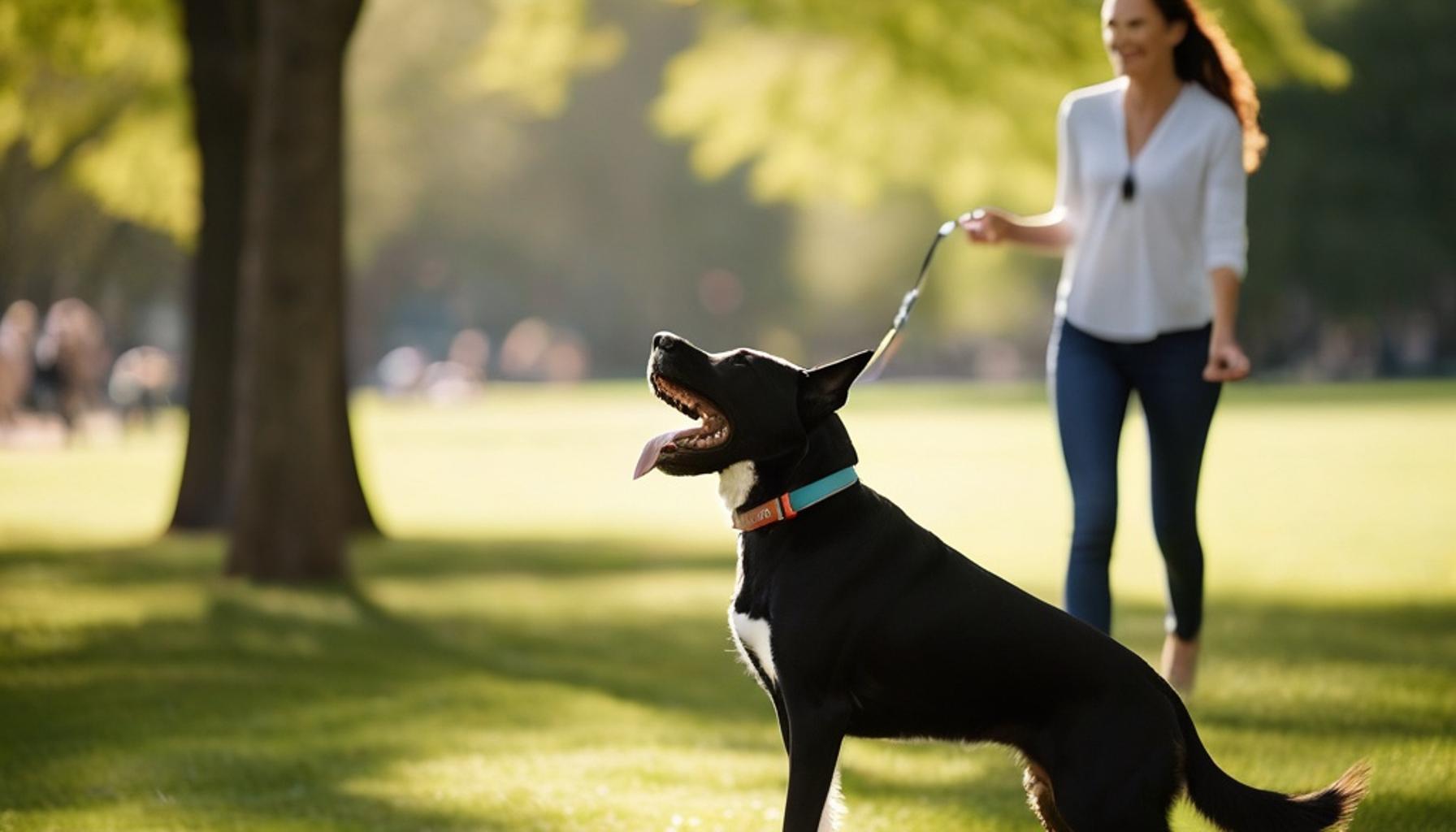
How Smart Devices Are Transforming Pet Care Across Nigeria
From Lagos apartments to Abuja compounds, Nigerian pet owners are increasingly turning to pet monitoring devices to keep their cats and dogs healthy. Gone are the days when a missed vet visit meant guessing about your pet’s condition. Today, technology offers real-time answers, and the shift is happening faster than many industry observers anticipated just a few years ago.
The rise of technology in animal health has introduced tools that track everything from heart rate to sleeping patterns. These innovations are no longer reserved for wealthy nations abroad; they are becoming accessible in local pet stores and online marketplaces across the country, with prices gradually dropping as demand grows and more distributors enter the market.
Why This Trend Matters Now
Veterinary clinics in cities like Ibadan and Port Harcourt report a growing number of pet owners asking about wearable technology for pets. This shift reflects a broader awareness that early detection can prevent costly emergencies, especially in a country where specialized veterinary care may not always be within easy reach, particularly outside major urban centers.
Many households in Nigeria keep dogs for security purposes, often allowing them to roam within open compounds. This reality makes monitoring technology particularly relevant, since owners cannot always keep a constant eye on their animals throughout the day and night.
Consider these emerging pet health monitoring tools reshaping how Nigerians care for their animals:
- Smart collars for pets that track location and activity levels, helping owners understand whether their dog is getting enough exercise or showing signs of lethargy
- Temperature sensors that alert owners to fever or heatstroke risks, a particularly useful feature given Nigeria’s hot climate, especially during the dry season in northern states
- Heart rate monitors designed for both cats and dogs, offering insights that were once only available through expensive laboratory visits
- GPS trackers useful for pets that roam in open compounds, reducing the anxiety of losing a beloved animal in busy neighborhoods
The benefits of pet monitoring devices extend beyond convenience—they can literally save lives. A device that detects abnormal breathing patterns, for instance, might alert an owner hours before symptoms become visible to the naked eye, giving families crucial time to seek professional help before a situation becomes critical.
Some pet owners in Lagos have already shared stories online about how a simple temperature alert prevented what could have become a serious case of heatstroke in their dogs. These anecdotes, though informal, point toward a larger pattern worth watching closely.
This article explores how these tools work, what options are available locally, and why more Nigerian households are investing in this quiet technological revolution that is gradually redefining what responsible pet ownership looks like across the nation.
LEARN MORE: How Emotional Feeding Contributes to Monitoring Your Pet’s Health
Understanding How Pet Monitoring Devices Actually Work
Behind every smart collar or sensor lies a combination of engineering designed to interpret animal behavior in ways human observation simply cannot match. Most pet monitoring devices rely on a mix of accelerometers, GPS chips, and biometric sensors that continuously collect data and transmit it to a smartphone application, often in real time.
For a dog owner in Enugu or a cat owner in Kaduna, this means checking an app during a lunch break can reveal whether their pet has been resting normally or pacing restlessly, a subtle sign that something might be wrong long before obvious symptoms appear. This kind of continuous feedback loop is precisely what separates modern pet care from the guesswork that defined it for decades.
The Core Components Driving This Technology
Understanding the mechanics helps pet owners make informed purchasing decisions. Most devices on the Nigerian market today combine several features into a single unit rather than requiring separate gadgets for each function.
- Motion sensors that distinguish between walking, running, scratching, and sleeping, giving a fuller picture of daily activity levels
- Biometric monitors capable of tracking heart rate and respiratory patterns, often flagged as unusual through color-coded alerts on companion apps
- Location chips using GPS or Bluetooth signals, particularly valuable for households where dogs guard large compounds overnight
- Battery-efficient processors designed to last several days on a single charge, an important consideration given inconsistent electricity supply in some parts of the country
What makes this branch of technology in animal health particularly interesting is how quickly it has evolved from bulky, expensive prototypes into sleek, affordable accessories. Just five years ago, many of these tools were priced far beyond the reach of an average Nigerian household. Today, entry-level versions are appearing in pet supply shops in Lagos and Abuja at prices that rival a mid-range fitness tracker for humans.
Local veterinarians have noted that some smart collars for pets now include features specifically calibrated for tropical climates, adjusting temperature thresholds to account for Nigeria’s heat rather than relying on settings designed for cooler regions abroad. This localization matters, since a threshold appropriate for a European winter would be practically useless during a Kano afternoon in April. Manufacturers who ignore these regional differences risk producing gadgets that generate false alarms or, worse, fail to catch genuine warning signs until it is too late.
Another notable development involves data storage. Many of these devices sync historical information to cloud servers, allowing pet owners to look back weeks or months to identify patterns a single vet visit might miss. A dog that seems fine during a Tuesday morning clinic appointment might show irregular sleep patterns every night for a week, information that only continuous monitoring could reveal. This retrospective view has quietly changed the way some clinics in Ibadan and Port Harcourt approach diagnosis, since owners now arrive with weeks of data rather than vague impressions.
There is also a growing conversation around connectivity itself. Given that not every Nigerian neighborhood enjoys stable internet access, several manufacturers have introduced offline data logging, where the device stores information locally and syncs automatically once a stable connection is detected. This small but significant adjustment reflects a broader trend of adapting global technology to fit local realities rather than expecting consumers to work around limitations.
This growing sophistication explains why wearable technology for pets is no longer viewed as a luxury gadget for hobbyists. It is gradually becoming a practical extension of everyday pet care, bridging the gap between infrequent clinical checkups and the daily reality of raising a healthy animal in Nigerian homes. As more households experiment with these tools, the question worth watching is not whether the technology works, but how quickly it will become as ordinary as a leash or a feeding bowl.

Key Aspects of Pet Monitoring Devices and Their Benefits
As technology in animal health advances, pet monitoring devices are transforming how owners track their companions’ well-being. From wearable technology for pets to smart sensors, these pet health monitoring tools offer real-time insights previously available only through veterinary visits. Below is a breakdown of the most relevant categories shaping this growing industry.
| Category | Key Features / Benefits |
|---|---|
| Smart Collars for Pets | Track location, heart rate, and temperature in real time |
| Activity Trackers | Monitor exercise levels, calories burned, and sleep patterns |
| GPS Locators | Provide instant alerts if pets wander beyond safe zones |
| Health Sensors | Detect early signs of illness through biometric data |
| Benefits of Pet Monitoring Devices | Early diagnosis, reduced vet costs, peace of mind for owners |
YOU MAY ALSO LIKE: The Importance of Health Monitoring in Pets: Prevention and Early Detection of Diseases
Real Benefits Emerging From Everyday Use Across Nigerian Households
Beyond the mechanics, the real story lies in what pet owners are actually experiencing once these gadgets become part of daily routine. The benefits of pet monitoring devices extend far beyond novelty, touching on early disease detection, cost savings, and even behavioral insights that many owners never expected to uncover.
A poultry farmer in Ogun State who also keeps guard dogs recently described how a smart collar flagged an unusual drop in his dog’s activity level three days before visible symptoms of tick fever appeared. That early warning, he noted, saved him a costly emergency clinic visit and possibly the animal’s life. Stories like this are becoming increasingly common as more Nigerians experiment with these tools.
What makes these accounts particularly compelling is how they mirror patterns seen across other emerging pet-tech markets, yet arrive with distinctly local context. In a country where veterinary infrastructure remains uneven between urban centers like Lagos and Port Harcourt versus rural communities, having a device that essentially acts as a first-line diagnostic tool carries weight that owners in more veterinary-saturated regions might not fully appreciate.
Financial and Practical Advantages Worth Considering
Veterinary costs in Nigeria can escalate quickly once a condition becomes advanced, particularly for imported medications or specialist consultations. This financial reality makes early detection one of the most compelling arguments for adopting pet health monitoring tools.
- Reduced emergency visits since subtle changes are caught before they become critical, often saving owners tens of thousands of naira in urgent care
- Better vaccination scheduling through app reminders that sync with a pet’s specific health calendar rather than relying on memory alone
- Improved breeding management for owners raising dogs commercially, since fertility cycles and physical readiness can be tracked with more precision
- Theft prevention through location tracking, an increasingly relevant concern given reports of pet theft in certain urban areas
Interestingly, some Lagos-based veterinary clinics have begun offering discounted consultation rates to clients who arrive with device-generated health reports, since the data reduces diagnostic time significantly. This small incentive is quietly encouraging wider adoption among skeptical pet owners.
There is also a psychological dimension worth mentioning. Owners who monitor their pets consistently report feeling less anxious when leaving animals alone for extended periods, particularly during work hours or travel. Knowing that a notification will arrive if something seems wrong provides a sense of reassurance that traditional pet ownership rarely offered.
This emotional relief should not be underestimated, especially considering Nigeria’s often unpredictable traffic and work schedules that can keep owners away from home for ten or twelve hours at a stretch. A dog owner in Enugu shared that she previously worried constantly about her elderly Alsatian during long work days, but now checks her phone during lunch breaks and feels genuinely at ease seeing normal activity readings.
Multi-pet households have found particular value in this technology as well. A family in Ibadan managing three dogs and two cats explained that individual tracking allows them to notice which specific animal is eating less or sleeping more, information nearly impossible to isolate accurately when observing several pets simultaneously without digital assistance.
Breeders and boarding facilities are also taking notice. Several pet hotels in Abuja have started integrating monitoring systems into their daily operations, giving clients live updates during boarding stays. This transparency has become a selling point, distinguishing modern facilities from those still relying solely on manual check-ins.
Some facility owners have gone further, incorporating monitoring data into their marketing materials, essentially inviting prospective clients to compare the technological sophistication of their operations against competitors still operating on outdated methods. This shift suggests that pet monitoring technology is gradually becoming a differentiator within Nigeria’s growing pet care industry, rather than simply a luxury add-on for wealthy urban dwellers.
As adoption spreads, conversations among Nigerian pet owners on social media groups increasingly reference specific brands, battery life comparisons, and app reliability, suggesting a maturing market where informed choices are replacing impulsive purchases driven purely by novelty. Forums dedicated to dog breeding in Nigeria now regularly feature threads comparing device accuracy across different breeds, with some users noting that larger breeds like Boerboels seem to generate more reliable activity data than smaller companion breeds.
YOU MAY ALSO LIKE: Warning Signs: How to Detect Health Problems in Your Pet Through Daily Observation
Where Nigeria’s Pet-Tech Journey Goes From Here
The evidence gathered from Lagos apartments, Ogun State farms, and Abuja boarding facilities points to a clear conclusion: pet monitoring devices are no longer experimental gadgets reserved for the tech-curious few. They have become practical tools addressing genuine gaps in Nigeria’s pet care landscape, particularly where veterinary access remains inconsistent.
What began as curiosity about wearable technology for pets has evolved into documented outcomes, earlier disease detection, reduced emergency spending, and measurable peace of mind for owners juggling demanding work schedules. These are not abstract promises but experiences reported by real households across Enugu, Ibadan, and beyond.
Still, this technology is not a replacement for professional veterinary care. Rather, it functions as a bridge, one that helps owners recognize when something requires attention and when a trip to the clinic can wait. Understanding this distinction matters as more Nigerians adopt pet health monitoring tools without proper context about their limitations.
Looking ahead, several developments seem likely. Local veterinary clinics may increasingly integrate device data into standard consultations, further normalizing smart collars for pets as everyday accessories rather than luxury imports. Pricing could also shift as more distributors enter the market, potentially making these tools accessible beyond middle and upper-income households.
For readers considering their first purchase, a few practical steps stand out:
- Research battery performance under Nigerian climate conditions before buying
- Consult breeders or forums for device recommendations specific to your pet’s breed
- Confirm that customer support and repairs are accessible locally, not solely abroad
Ultimately, the broader significance of technology in animal health lies in how it reshapes the relationship between owners and animals, from reactive concern to informed, continuous awareness. As Nigeria’s pet care culture matures, these devices may well become as ordinary as vaccination cards, quietly essential rather than remarkable.
Frequently Asked Questions
Are pet monitoring devices worth buying for dogs and cats in Nigeria’s climate?
Yes, pet monitoring devices are especially useful in Nigeria’s hot and humid climate because they track vital signs like heart rate, temperature, and activity levels, helping you spot heat stress or dehydration early. Many models also have GPS tracking, which is helpful given the risk of pets wandering off in busy urban areas like Lagos or Abuja. Investing in one can save you costly vet visits by catching health issues before they become emergencies.
Where can I buy affordable pet monitoring devices in Nigeria?
You can find pet monitoring devices on Nigerian e-commerce platforms like Jumia and Konga, as well as through pet stores in major cities such as Lagos, Abuja, and Port Harcourt. Some veterinary clinics also stock or recommend specific brands suited to local conditions. Always check for after-sales support and battery replacement options, since imported gadgets sometimes lack local servicing.
Do pet monitoring devices work well without stable internet or electricity?
Many pet monitoring devices, especially GPS trackers and activity monitors, rely on Bluetooth or cellular data rather than constant Wi-Fi, so they can function even with Nigeria’s occasional power or internet interruptions. However, features like live app notifications and cloud data syncing need at least intermittent internet access to update fully. Choosing a device with long battery life and offline data storage is ideal for areas with unreliable power supply.
Can pet monitoring devices help detect diseases common among Nigerian pets, like tick fever or parvovirus?
Pet monitoring devices cannot diagnose specific diseases like tick fever or parvovirus, but they can alert you to warning signs such as abnormal temperature, lethargy, or irregular heart rate that often accompany these illnesses. This early detection allows you to seek veterinary care sooner, which is critical for conditions common in Nigeria due to tick and mosquito exposure. Pairing a monitoring device with regular vet checkups gives the best protection for your pet’s health.

Linda Carter
Linda Carter is a writer and pet care expert specializing in pet health, grooming, and wellness. With extensive experience helping pet owners create safe, loving, and enriching environments for their animals, Linda shares her knowledge on our platform. Her goal is to empower readers with practical advice and strategies to ensure their pets thrive and lead joyful, healthy lives.