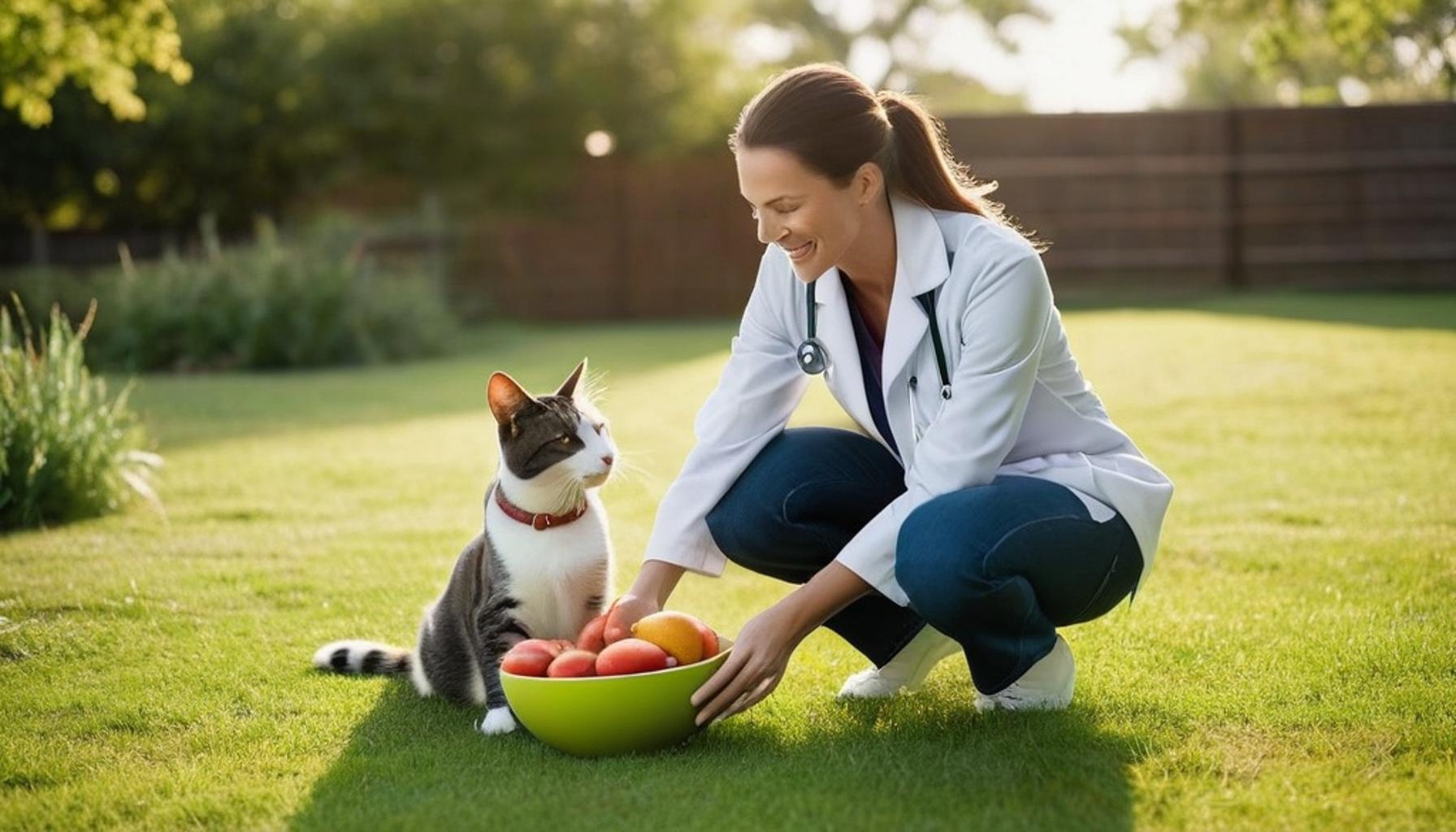
The Role of Nutrition in Preventing Common Diseases in Pets

Why Every Meal Bowl Matters More Than You Think
From the bustling markets of Lagos to quiet compounds in Kaduna, Nigerian pet owners are feeding their dogs and cats more than ever before. Yet many don’t realize that what fills that bowl daily could be the difference between a thriving pet and one battling preventable illness.
Nutrition in preventing pet diseases is emerging as one of the most overlooked aspects of pet care across the country. As more households in cities like Ibadan, Enugu, and Benin adopt pets as family members, the conversation around what actually goes into their diet is finally gaining ground.
The Hidden Cost of Poor Pet Diets
Veterinary clinics in Abuja and Port Harcourt report a steady rise in conditions once considered rare among local pets. Obesity, diabetes, kidney disease, and skin infections are increasingly linked to diet rather than genetics or environment. Many owners still rely on leftover rice, bread, or table scraps as a primary food source, unaware that these choices lack the essential nutrients pets need to build strong immunity.
Consider these startling realities:
- Up to 40% of dogs and cats globally are now classified as overweight or obese
- Poor nutrition contributes to weakened immune systems, making pets vulnerable to infections
- Nutrient deficiencies can trigger long-term organ damage that surfaces years later
- Inconsistent feeding patterns, common in many Nigerian households, can worsen digestive disorders
These figures should raise eyebrows, especially among pet owners who assume that as long as an animal looks fed, it must be healthy. Appearances, however, can be deceiving.
A Healthy Pet Diet as Preventive Medicine
The importance of balanced nutrition for pets extends far beyond keeping them full. It’s about building biological resilience against diseases that are costly and painful to treat later. A well-fed pet with the right balance of protein, vitamins, and minerals is far less likely to end up on a costly treatment plan for preventable ailments.
This article explores practical, actionable insights into:
- How pet food and health are directly connected
- Essential common pet diseases prevention strategies through diet
- Simple nutrition tips for pets that fit Nigerian households and budgets
Understanding this connection isn’t just for veterinarians—it’s essential knowledge for every pet owner who wants their furry companion to live a longer, healthier life. As pet ownership continues to grow across Nigeria, the choices made in the kitchen may prove just as important as those made in the clinic.
SEE ALSO: The Importance of Balanced Nutrition in Pet Health
Breaking Down the Diseases Diet Can Prevent
Talk to any veterinarian in Lagos or Kano long enough, and a pattern emerges: the same handful of illnesses keep appearing in exam rooms, and diet sits at the root of most of them. Understanding nutrition in preventing pet diseases starts with knowing exactly which conditions are on the table.
Obesity leads the list, but it rarely arrives alone. It drags along joint strain, heart complications, and a shortened lifespan. A dog fed excessive carbohydrates from garri, rice, or bread scraps day after day accumulates fat that stresses organs long before an owner notices weight gain.
The Diseases Hiding Behind an Empty Bowl
Beyond obesity, several other conditions trace back directly to what’s in the feeding dish:
- Diabetes mellitus — triggered by diets heavy in refined carbohydrates and low in quality protein
- Kidney disease — worsened by excess sodium and poor hydration linked to dry, unbalanced meals
- Skin and coat infections — often a visible sign of fatty acid and vitamin deficiencies
- Dental disease — accelerated by soft, starchy foods that lack the texture needed for natural teeth cleaning
- Digestive disorders — caused by irregular feeding schedules and sudden diet changes common in many homes
Each of these conditions is largely preventable. That is the core message behind every common pet diseases prevention strategy veterinarians now recommend: the earlier a proper diet begins, the fewer clinical visits follow later.
Why the Nigerian Context Makes This Urgent
Nigeria’s pet food market looks different from what’s typically discussed in international pet care guides. Commercial pet food remains relatively expensive in cities like Abuja and Port Harcourt, pushing many households toward homemade meals of questionable nutritional value.
This isn’t necessarily a bad approach, but it requires knowledge. A meal built entirely around carbohydrates, with little protein or micronutrients, sets the stage for the very diseases discussed above. The connection between pet food and health becomes obvious once you compare pets fed balanced homemade diets against those fed scraps alone.
Local veterinary reports suggest that pets on inconsistent, nutrient-poor diets visit clinics nearly twice as often for preventable conditions compared to those on structured feeding plans. That statistic alone should prompt every pet owner to look twice at what’s actually going into the bowl each morning.
The good news is that correcting course doesn’t require a complete overhaul overnight. Small, informed adjustments can significantly shift a pet’s long-term health trajectory, a topic explored further in the sections ahead.

Key Nutritional Factors in Pet Disease Prevention
Understanding the connection between diet and health is essential for every pet owner. Below is a breakdown of critical nutritional categories that play a direct role in nutrition in preventing pet diseases and supporting long-term wellness.
| Category | Health Impact |
|---|---|
| Protein Quality | Supports muscle mass and immune function, reducing risk of infections |
| Omega-3 Fatty Acids | Reduces inflammation linked to arthritis and skin conditions |
| Caloric Balance | Prevents obesity, a major factor in diabetes and joint disease |
| Vitamins & Minerals | Essential for common pet diseases prevention, including bone and organ health |
| Hydration & Fiber | Promotes digestive health and reduces urinary tract issues |
These factors highlight why a healthy pet diet is not a luxury but a necessity. Pet owners who prioritize the importance of balanced nutrition for pets often see fewer vet visits and lower long-term healthcare costs.
RECOMMENDED: The Importance of Balanced Nutrition in Pets’ Overall Health: Tips for Owners
Building a Healthy Pet Diet: The Nutrients That Matter Most
Once the disease risks are clear, the next question becomes practical: what does an actual protective diet look like? The importance of balanced nutrition for pets isn’t about exotic ingredients or imported brands. It’s about consistently supplying a handful of core nutrients that keep organs functioning and immune systems alert.
Protein deserves top billing. Dogs and cats across Ibadan, Enugu, and Kaduna thrive on animal-based protein sources like fish, chicken, and eggs, all widely available and affordable in local markets. Protein supports muscle repair, coat strength, and enzyme production, functions that carbohydrate-heavy diets simply cannot replicate.
Fats, Fiber, and the Micronutrients Owners Often Skip
Fat gets an unfair reputation, yet it remains essential when sourced correctly. Omega-3 and omega-6 fatty acids, found in fish oil and certain plant oils, reduce inflammation and support skin health, directly addressing one of the most common complaints Nigerian vets see: persistent coat problems in dry-season months.
Fiber, meanwhile, regulates digestion and helps prevent the gastrointestinal flare-ups linked to abrupt diet changes. A small portion of boiled vegetables mixed into a dog’s regular meal can make a measurable difference within weeks.
Micronutrients round out the picture:
- Calcium and phosphorus — critical for bone density, especially in growing puppies and kittens
- Vitamin A — supports vision and immune defense, often missing in carbohydrate-dominant diets
- Zinc — aids wound healing and skin repair, frequently deficient in scrap-fed animals
- Taurine — an amino acid vital for feline heart health, absent in plant-based feeding mistakes some owners make with cats
Practical Nutrition Tips for Pets on a Nigerian Budget
Balanced feeding doesn’t require premium imported kibble to work effectively. These nutrition tips for pets apply directly to households managing tight budgets:
- Rotate protein sources weekly — fish one day, offal or chicken another — to diversify amino acid intake
- Add a boiled egg two to three times weekly for cats and small dogs to boost protein and biotin
- Introduce local vegetables like ugu or pumpkin leaves in small, cooked portions for fiber and vitamins
- Avoid seasoning cubes and excess salt entirely, a common but damaging habit when preparing homemade meals
Data from regional animal clinics indicates that pets receiving even modest dietary upgrades, without switching to expensive commercial food, show measurable improvements in coat condition and energy levels within eight to twelve weeks. That timeframe matters because it proves that nutrition in preventing pet diseases isn’t a distant, long-term gamble. It produces visible results fast enough to keep owners motivated and consistent.
Feeding Smarter: The Long-Term Payoff of Everyday Choices
Across this discussion, one truth keeps resurfacing: nutrition in preventing pet diseases isn’t a luxury reserved for owners who can afford imported brands. It’s a daily practice built from fish, eggs, offal, and local vegetables already sitting in Nigerian kitchens.
The evidence is hard to ignore. Diabetes, obesity, kidney strain, and skin disorders in dogs and cats frequently trace back to what fills their bowls. A healthy pet diet doesn’t erase every risk, but it shifts the odds meaningfully in a pet’s favor.
What makes this especially encouraging for Nigerian households is accessibility. Protein rotation, boiled vegetables, and cutting seasoning cubes cost little yet deliver measurable results within weeks. This dismantles the myth that common pet diseases prevention demands expensive intervention.
What Owners Should Carry Forward
Three considerations matter most going forward:
- Consistency outperforms perfection — small, sustained dietary corrections beat occasional expensive splurges
- Local ingredients, used correctly, rival commercial formulas in delivering core nutrients
- Regular veterinary checkups still matter, since diet alone cannot catch every emerging health issue
The connection between pet food and health will likely draw more attention as Nigerian veterinary clinics collect further data on locally adapted feeding models. Owners who start applying these nutrition tips for pets today aren’t just reacting to illness. They are quietly rewriting how much disease their pets will ever face. That shift, from treatment to prevention, may prove to be the most valuable lesson this conversation offers.
Frequently Asked Questions
How does nutrition in preventing pet diseases actually work for dogs and cats in Nigeria?
Proper nutrition strengthens your pet’s immune system, helping their body fight off infections and parasites that are common in Nigeria’s warm climate. Balanced meals with the right vitamins, minerals, and proteins also reduce the risk of diseases like obesity, kidney problems, and skin infections. Feeding locally available quality foods consistently, rather than scraps or leftovers, gives your pet a stronger defense against illness.
Can homemade food from Nigerian household meals provide enough nutrition to prevent pet diseases?
Homemade meals like rice, boiled chicken, and vegetables can be part of a healthy diet, but they often lack the exact balance of nutrients pets need, such as taurine for cats or specific calcium ratios for growing puppies. Relying only on leftovers or seasoned human food can lead to deficiencies or diseases like pancreatitis from fatty foods. It’s best to combine safe homemade options with commercial pet food or consult a vet for a balanced recipe.
What are the most common pet diseases in Nigeria that better nutrition can help prevent?
Poor nutrition contributes to obesity, diabetes, skin and coat problems, and weakened immunity that makes pets more prone to tick-borne diseases and parasitic infections common in Nigeria. Malnourished pets also suffer more from digestive issues due to inconsistent feeding schedules or low-quality food. Feeding age-appropriate, nutrient-rich diets significantly lowers these risks.
Where can pet owners in Nigeria buy affordable, nutritionally balanced pet food?
Many veterinary clinics, pet stores in major cities like Lagos, Abuja, and Port Harcourt, and online platforms sell trusted pet food brands formulated for balanced nutrition. If budget is a concern, some local brands and vet-recommended homemade recipes offer affordable alternatives without compromising essential nutrients. Always check the ingredient list to ensure the food meets your pet’s life stage and health needs.
How can I tell if my pet’s diet is not supporting disease prevention effectively?
Signs like dull coat, excessive shedding, low energy, frequent infections, or unexplained weight changes often indicate that a pet’s diet isn’t providing adequate nutrition in preventing pet diseases. Persistent digestive issues such as diarrhea or vomiting can also point to poor diet quality or food intolerance. If you notice these symptoms, consult a veterinarian in your area to reassess your pet’s feeding plan promptly.

Linda Carter
Linda Carter is a writer and pet care expert specializing in pet health, grooming, and wellness. With extensive experience helping pet owners create safe, loving, and enriching environments for their animals, Linda shares her knowledge on our platform. Her goal is to empower readers with practical advice and strategies to ensure their pets thrive and lead joyful, healthy lives.