
The Importance of Balanced Nutrition in Pet Health
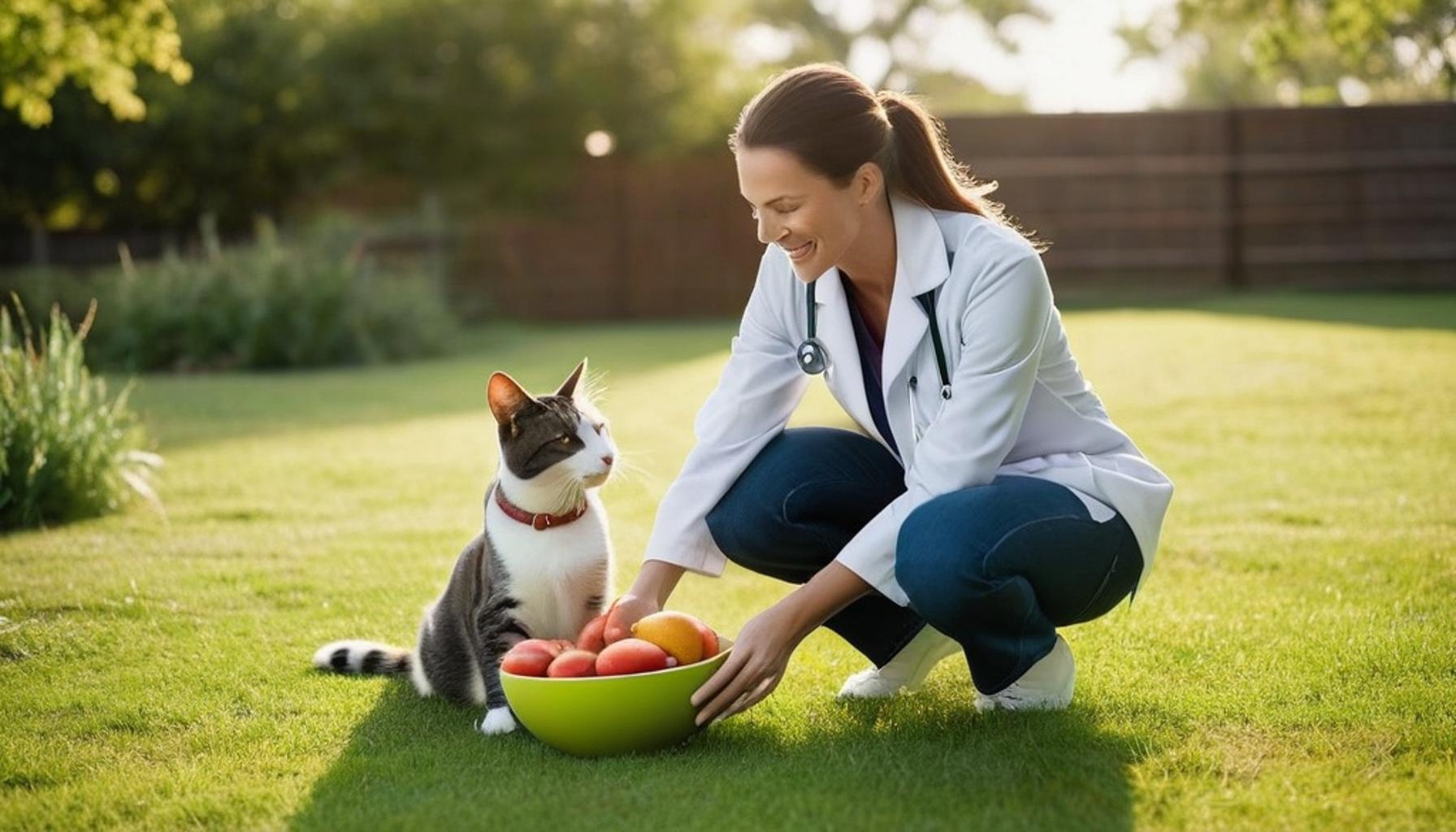
Why Every Meal Bowl Matters
Across Nigerian homes, from Lagos apartments to Abuja compounds, pets have become cherished family members. Yet many owners unknowingly compromise their companion’s wellbeing through improper feeding habits.
Balanced Nutrition in Pet Health is not just a veterinary buzzword; it is the foundation upon which your pet’s entire quality of life is built. What goes into that bowl every day directly shapes energy levels, immunity, and lifespan.
The Hidden Cost of Poor Feeding Choices
Studies suggest that dogs and cats fed nutritionally incomplete diets face higher risks of obesity, organ stress, and shortened lifespans. In Nigeria, where table scraps and inconsistent feeding schedules remain common, these risks are often overlooked.
Many households assume that leftover jollof rice, bones from suya, or bread soaked in soup is sufficient nourishment for a dog or cat. While these scraps may satisfy hunger momentarily, they rarely provide the complete range of proteins, vitamins, and minerals an animal requires to thrive. Over time, this pattern of casual feeding can quietly erode a pet’s health, often without the owner noticing until symptoms become severe.
Consider these consequences of neglecting a healthy pet diet:
- Weakened immune response, leading to frequent infections
- Dull coats, skin irritation, and slow wound healing
- Digestive issues from inconsistent or low-quality feed
- Reduced lifespan due to long-term nutrient deficiencies
- Behavioral changes such as lethargy, irritability, or reduced playfulness
Veterinarians across Nigerian cities have reported a noticeable rise in preventable illnesses linked directly to poor feeding practices. Conditions such as pancreatitis in dogs and urinary tract issues in cats are frequently traced back to diets lacking essential nutrients or containing excessive salt and fat, ingredients common in many home-cooked meals shared with pets.
What This Article Will Explore
This piece breaks down the importance of pet nutrition, offering practical, actionable guidance for Nigerian pet owners. You will discover essential nutrients your pet cannot live without, including proteins for muscle development, fats for energy, and micronutrients that support immune function and bone strength.
We will also share practical pet nutrition tips, including how to structure a balanced diet for pets using locally available ingredients such as fish, eggs, and affordable commercial feed brands sold within Nigerian markets. These options can be combined thoughtfully to meet dietary requirements without straining household budgets.
Whether you own a dog, cat, or even poultry, understanding pet health and nutrition is your first step toward a longer, happier life for your animal companion. As awareness grows among Nigerian pet owners, the conversation around proper feeding is shifting from casual assumption to informed, deliberate care, one that could redefine how families across the country nurture their animals for years to come.
YOU MAY ALSO LIKE: The Importance of Balanced Nutrition in Pets’ Overall Health: Tips for Owners
# Understanding the Building Blocks of a Healthy Pet DietBefore Nigerian pet owners can fix feeding mistakes, it helps to understand what actually belongs in a bowl. A truly healthy pet diet is not about quantity or filling a stomach; it is about delivering the right combination of nutrients that support every bodily function, from cell repair to brain activity.Nutritionists and veterinary experts generally agree on six essential nutrient categories that must appear consistently in any pet’s meals. Skipping even one can create ripple effects throughout an animal’s health over time, sometimes silently, until symptoms surface months later in the form of dull coats, lethargy, or brittle bones.
The Six Pillars of Pet Nutrition
Every meal, whether homemade or commercial, should aim to include the following:
- Proteins for muscle repair, tissue growth, and enzyme production, sourced from fish, eggs, chicken, or quality meat
- Fats that supply concentrated energy and support healthy skin and coat condition
- Carbohydrates for sustained energy, often found in rice, maize, or sweet potatoes
- Vitamins such as A, D, and E, which strengthen immunity and vision
- Minerals like calcium and phosphorus, critical for bone density and dental health
- Water, frequently overlooked yet essential for digestion, temperature regulation, and organ function
In many Nigerian households, protein sources are plentiful, thanks to affordable fish and poultry markets scattered across cities like Lagos, Kano, and Onitsha. Fresh catfish, titus fish, and chicken parts are within reach for most households, making protein deficiency relatively rare compared to other nutrient gaps. However, the mistake often lies in ignoring micronutrients. A dog fed only rice and meat, for instance, may appear satisfied yet still suffer from calcium deficiency, leading to weakened bones over months or years. This condition, sometimes called nutritional secondary hyperparathyroidism, can cause fractures, difficulty walking, or deformed limbs in growing puppies who depend heavily on balanced mineral intake during their developmental stages.
Vitamins present a similar challenge. Many pet owners assume that because an animal eats daily, its vitamin needs are automatically met. This is rarely true. Vitamin A deficiency, for example, can silently damage a cat’s vision, while inadequate vitamin D exposure, ironic in a country blessed with abundant sunshine, still occurs indoors when pets are rarely let outside.
Why Portion and Consistency Matter Just as Much as Content
Even a nutrient-rich meal loses its value if portions are inconsistent or excessive. Overfeeding remains a growing concern in urban Nigerian homes, particularly among small dog breeds and indoor cats with limited exercise space. Apartment living, increasingly common in cities such as Abuja and Lagos, restricts natural movement, meaning calories consumed rarely get burned off through play or roaming.
Veterinary clinics in cities like Port Harcourt and Ibadan have noted rising cases of pet obesity linked directly to irregular feeding schedules and oversized portions of starchy foods such as garri, rice, or bread scraps given as treats. Some pets are fed twice a day with no measured quantity, while others receive food whenever family members finish their own meals, creating unpredictable eating patterns that confuse digestion and encourage weight gain.
This reinforces why the importance of pet nutrition extends beyond simply choosing quality ingredients; it also involves disciplined feeding routines tailored to an animal’s breed, age, and activity level. A three-year-old Alsatian guarding a compound in Enugu has vastly different caloric needs compared to a Chihuahua living indoors in Victoria Island. Recognizing these differences, rather than applying a one-size-fits-all approach, forms the foundation of responsible pet ownership.
Understanding these fundamentals sets the stage for practical strategies, which the next section explores in greater depth.

Key Aspects of Balanced Nutrition in Pet Health
Understanding Balanced Nutrition in Pet Health goes beyond simply filling a bowl with food. Every nutrient plays a distinct role, and missing even one can trigger long-term health consequences. Below is a quick reference table summarizing the essential pillars of a healthy pet diet and why they matter.
| Category | Benefit for Pet Health |
|---|---|
| Protein Quality | Supports muscle repair and immune strength |
| Essential Fatty Acids | Promotes skin, coat, and brain function |
| Vitamins & Minerals | Strengthens bones and metabolic balance |
| Portion Control | Prevents obesity-related diseases |
| Hydration Levels | Aids digestion and organ function |
These categories illustrate why the importance of pet nutrition cannot be overstated. A single deficiency, such as low taurine levels in cats, can lead to serious heart conditions, while excess caloric intake in dogs is directly linked to joint stress and diabetes.
Veterinary nutritionists often recommend tailoring a balanced diet for pets according to breed, age, and activity level. For example, a working dog may require up to 30% more protein than a sedentary companion animal, highlighting how generic feeding charts can fall short.
Applying practical pet nutrition tips, such as rotating protein sources or measuring portions with a kitchen scale rather than a cup, can make a measurable difference in long-term wellness. These small adjustments reflect how deeply pet health and nutrition are intertwined in everyday care routines.
LEARN MORE: Personalized Nutrition Strategies for Pets with Special Needs
# Practical Strategies for Achieving a Balanced Diet for PetsKnowing the theory behind pet nutrition means little without practical application. Translating nutritional science into daily feeding habits is where most Nigerian pet owners either succeed brilliantly or unknowingly fall short. Fortunately, achieving a balanced diet for pets does not require imported products or expensive specialty stores; it requires knowledge, observation, and a willingness to adjust.
Reading Labels and Understanding Commercial Feed
Commercial pet food has become increasingly available in Nigerian supermarkets and pet shops, from Shoprite outlets in Lagos to specialty stores in Abuja. Yet availability does not automatically mean quality. Many owners purchase whichever bag looks affordable without checking ingredient lists or nutritional breakdowns printed on packaging.
A genuinely nutritious commercial feed should list a named protein source, such as chicken or fish, as its first ingredient, rather than vague terms like “meat by-products” or excessive fillers. Comparing labels across brands, even briefly in-store, often reveals striking differences in protein percentages, fat content, and added preservatives.
Beyond the first ingredient, savvy shoppers should scrutinize the guaranteed analysis panel, which breaks down minimum crude protein, minimum crude fat, and maximum fibre and moisture content. A dog food advertising itself as premium yet containing more than four percent ash or excessive corn filler deserves closer scrutiny. Price alone should never dictate purchase decisions, since some moderately priced brands sourced from South African or local manufacturers occasionally outperform pricier imported alternatives in actual nutrient density.
Combining Local Foods Wisely
Homemade meals remain popular across Nigeria, largely due to cost and accessibility. This approach can work exceptionally well when structured correctly. Boiled eggs, boneless fish, liver, and vegetables like pumpkin leaves or carrots can form nutritious combinations when portioned appropriately.
However, certain common Nigerian foods pose hidden risks. Onions, garlic, excessive salt, and bones from cooked chicken can cause serious digestive complications or toxicity in dogs and cats. Awareness of these dangers is just as important as knowing which foods to include.
Interestingly, many households unknowingly rely heavily on carbohydrate-dense staples such as garri, rice, or leftover eba to bulk up pet meals, primarily because these items are already present in the kitchen. While not inherently harmful in moderation, an overreliance on starchy fillers without sufficient protein balance can lead to unhealthy weight gain and lethargy over time, particularly in smaller breeds that require concentrated nutrition rather than sheer volume.
Simple Pet Nutrition Tips for Everyday Households
Several practical habits can significantly improve pet health and nutrition without demanding drastic lifestyle changes:
- Introduce new foods gradually over five to seven days to avoid digestive upset
- Measure portions using a standard cup rather than estimating by eye
- Rotate protein sources between fish, chicken, and occasionally eggs for variety
- Schedule feeding times consistently, ideally twice daily for adult pets
- Consult a veterinarian before introducing supplements, especially calcium or vitamin D
These small adjustments, though seemingly minor, accumulate into significant long-term health benefits, reducing veterinary visits and extending an animal’s active years considerably. Owners who maintain feeding journals, noting portion sizes, reactions to new foods, and weight changes, often notice patterns that would otherwise go unrecognized, allowing quicker intervention before minor issues escalate into costly medical emergencies.
Age and Breed-Specific Adjustments
Puppies and kittens require noticeably higher protein and calorie density than senior pets, supporting rapid growth and bone development. Meanwhile, older animals often need reduced fat content to prevent obesity and joint strain, particularly relevant for larger breeds common in Nigerian compounds, such as Boerboels and Alsatians.
Recognizing these shifting nutritional demands throughout a pet’s lifespan reflects genuine understanding of the importance of pet nutrition, moving beyond generic feeding habits toward tailored, informed care that adapts as the animal ages. Middle-aged pets, too, often require quiet recalibration, since metabolism naturally slows well before obvious signs of aging appear, meaning proactive dietary adjustments frequently prove more effective than reactive ones made only after weight gain becomes visible.
CHECK OUT: The Role of Nutrition in Preventing Common Diseases in Pets
Final Thoughts: Feeding as an Act of Responsible Pet Ownership
The journey through Balanced Nutrition in Pet Health reveals a simple truth: what fills a food bowl shapes everything from energy levels to lifespan. Nigerian pet owners do not need imported luxury brands or complicated formulas to get this right. They need awareness, consistency, and a genuine willingness to observe how their animals respond to food. A dog scratching excessively or a cat losing its shine often speaks a language that attentive owners learn to read over time.
Across this discussion, one theme keeps resurfacing. The importance of pet nutrition lies not in perfection but in informed adjustment. A dog fed thoughtfully on local fish, eggs, and appropriately portioned staples like rice or yam can thrive just as well as one on premium commercial kibble, provided the fundamentals of protein, fat, and micronutrient balance remain intact. Markets in Ibadan, Enugu, and Abuja already offer affordable, nutrient-dense options that many households overlook simply because they associate quality feeding with expensive packaging.
Veterinary clinics in cities like Lagos, Port Harcourt, and Kano increasingly report nutrition-related conditions, from obesity to mineral deficiencies, that trace back to avoidable feeding habits. Some cases involve dogs fed exclusively on leftover garri or bread, lacking the protein density needed for muscle maintenance. This should serve as motivation rather than alarm. Small corrections, applied consistently, prevent most of these outcomes entirely.
Looking ahead, pet owners might consider tracking body condition scores monthly, much like human health checkups, rather than waiting for visible weight changes or lethargy to prompt action. Simple observations, such as feeling for visible ribs or noting energy during walks, offer early warning signs. This proactive mindset, paired with practical pet nutrition tips already discussed, transforms feeding from routine chore into genuine preventive healthcare.
Ultimately, a healthy pet diet reflects the same principles guiding human wellness: variety, moderation, and attentiveness to changing needs. Nigerian households embracing this mindset are not merely feeding animals; they are investing in longer, more vibrant companionship, one well-considered meal at a time.
Frequently Asked Questions
What local Nigerian foods can provide balanced nutrition for dogs and cats?
Foods like boiled chicken, fish such as titus or mackerel, and cooked liver can provide good protein sources for pets in Nigeria. Vegetables like carrots, pumpkin (ugu), and spinach can be added in small amounts for fiber and vitamins, while rice or yam serves as a carbohydrate base. Always avoid heavily spiced, salted, or peppered versions of these foods since Nigerian cooking often uses ingredients harmful to pets.
Why do many pets in Nigeria suffer from poor coat condition despite eating regularly?
Many pet owners in Nigeria feed leftover human food or low-quality commercial feed that lacks essential fatty acids, vitamins, and minerals needed for a healthy coat. Balanced nutrition in pet health requires the right ratio of protein, fats, and micronutrients, not just filling the stomach. Adding fish oil, eggs, or quality pet food formulated with proper nutrient balance can significantly improve coat and skin health.
How can I tell if my pet is malnourished even though it looks fed?
Signs of malnutrition despite regular feeding include dull coat, lethargy, frequent illness, weight loss or unusual weight gain, and slow wound healing. This often happens when pets are fed only carbohydrate-heavy foods like garri or rice without adequate protein and micronutrients. A visit to a veterinarian in your area can help assess your pet’s nutritional status and recommend a balanced diet plan.
Are imported pet foods necessary for balanced nutrition, or can local alternatives work in Nigeria?
Imported pet foods are not strictly necessary, though they are often formulated with precise nutrient balances that can be convenient. Many Nigerian pet owners successfully maintain balanced nutrition in pet health using a mix of affordable local proteins, grains, and vegetables prepared without harmful seasonings. The key is ensuring the right proportion of protein, carbohydrates, fats, vitamins, and minerals, which can be achieved with proper guidance from a veterinarian regardless of whether the food is local or imported.

Linda Carter
Linda Carter is a writer and pet care expert specializing in pet health, grooming, and wellness. With extensive experience helping pet owners create safe, loving, and enriching environments for their animals, Linda shares her knowledge on our platform. Her goal is to empower readers with practical advice and strategies to ensure their pets thrive and lead joyful, healthy lives.