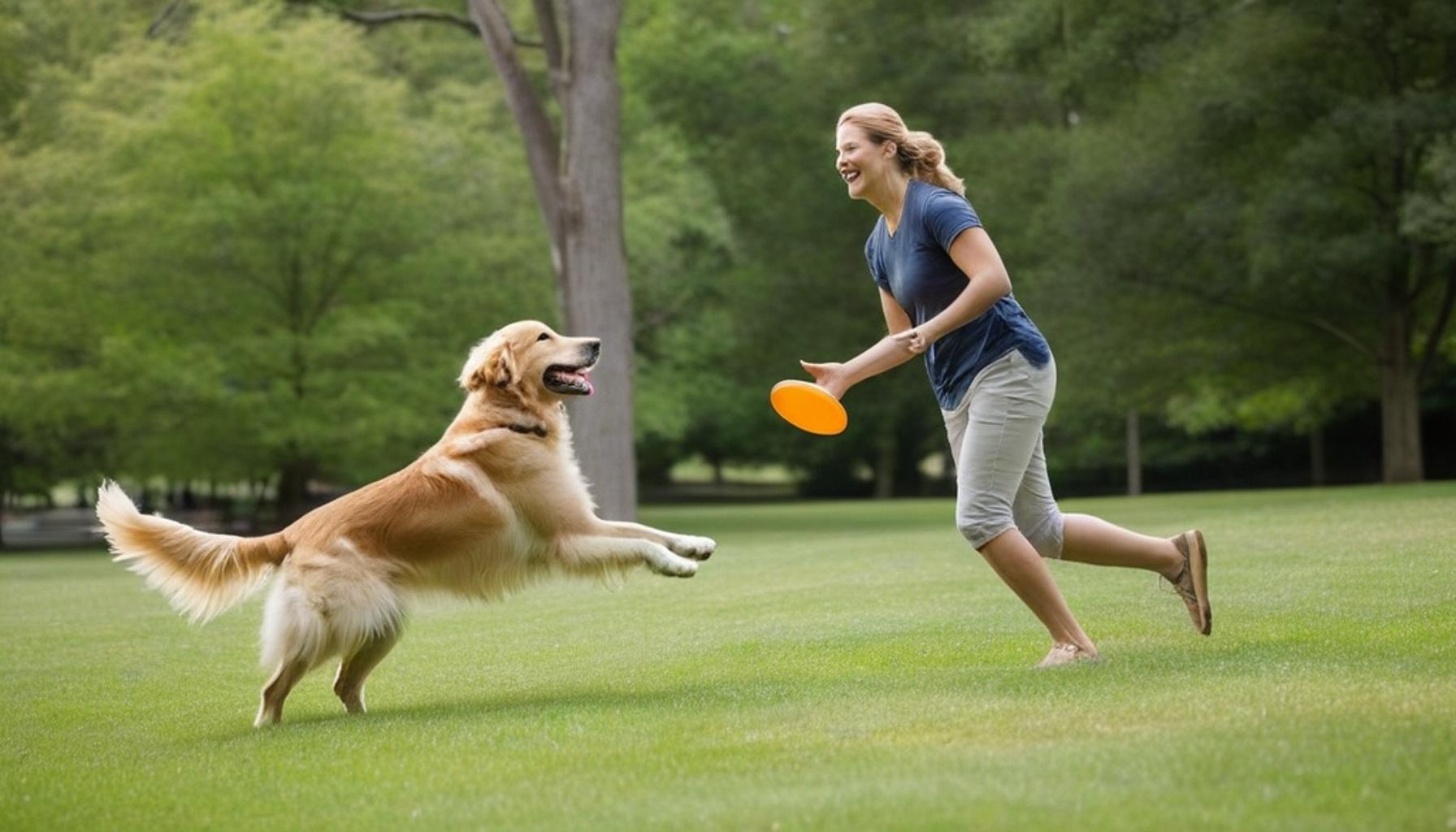
The Importance of Behavioral Training for Animal Welfare

Why Behavioral Training Matters for Animal Welfare
Across Nigeria, from bustling Lagos compounds to quiet homesteads in Kaduna, animals live closely alongside humans. Yet many suffer from stress, aggression, or neglect simply because their behavioral needs are misunderstood.
Behavioral Training for Animal Welfare is fast becoming a critical solution to this challenge. It goes beyond teaching pets to “sit” or “stay” — it addresses the root causes of fear, anxiety, and harmful behaviors.
The Growing Need for Animal Behavior Training
Veterinary experts estimate that a significant percentage of abandoned or surrendered pets are given up due to behavioral issues that could have been corrected early. This makes animal training programs not just beneficial, but essential.
Consider the everyday realities many pet owners face:
- Dogs displaying aggression toward visitors or other animals
- Cats exhibiting destructive scratching or litter box avoidance
- Farm animals showing signs of chronic stress due to poor handling
- Livestock becoming difficult to manage during transport or veterinary care
Each of these scenarios highlights a deeper issue: improving animal welfare requires proactive, informed intervention.
Understanding the Nigerian Context
In many Nigerian households, animals are acquired for companionship, security, or livelihood without a clear understanding of their psychological and social needs. A dog purchased for guarding a compound in Abuja, for instance, may become fearful or overly aggressive if it never learns how to interact calmly with strangers. Similarly, goats and cattle raised in rural communities across Ogun or Plateau states often experience unnecessary distress when handled roughly during routine tasks like vaccination or market transport.
These are not isolated incidents. Community veterinarians frequently report cases where simple behavioral misunderstandings escalate into serious welfare concerns, including injury, illness, or abandonment. Training for pets in Nigeria is increasingly being recognized as a preventive measure rather than a luxury reserved for the elite.
What This Article Will Explore
This piece examines the tangible benefits of animal training, drawing from global research and practical examples relevant to training for pets in Nigeria. Readers will discover how structured behavioral programs reduce stress, prevent abandonment, and strengthen the human-animal bond.
We will also look at how local animal welfare organizations are adapting international training methods to fit Nigerian realities — considering factors such as climate, available resources, and cultural attitudes toward animals. From urban pet owners to rural farmers, the insights ahead reveal why investing in proper training isn’t just kind — it’s necessary for building healthier, safer communities where humans and animals can thrive together.
YOU MAY ALSO LIKE: The Importance of Behavioral Training for the Well-Being of Pets
The Science Behind Animal Behavior and Welfare Outcomes
Understanding why behavioral training for animal welfare works requires a look at the science of animal psychology. Animals, much like humans, respond to their environment through learned behaviors shaped by experience, fear, and reinforcement. This is not folklore or guesswork — it is a field of study backed by decades of research into how nervous systems process threat, comfort, and reward.
Research from international veterinary bodies shows that untrained or poorly socialized animals produce significantly higher levels of cortisol — the stress hormone — during routine interactions such as grooming, feeding, or veterinary checkups. This chronic stress weakens immune function, shortens lifespan, and increases the likelihood of aggressive outbursts. In practical terms, an anxious dog that snaps at a vet or a frightened goat that bolts during vaccination is not simply being “stubborn.” It is displaying a physiological stress response that can be measured in the bloodstream, much like the way humans experience elevated heart rates before an exam.
How Early Intervention Changes Outcomes
Studies from animal behavior institutes across Europe and North America consistently point to one conclusion: early intervention through structured animal behavior training dramatically reduces the risk of long-term behavioral disorders. This principle applies just as strongly within Nigerian contexts, whether dealing with a Boerboel guard dog in Port Harcourt or a herd of cattle in Sokoto. A puppy exposed calmly to noise, handling, and strangers within its first few months, for instance, is far less likely to develop fear-based aggression as an adult.
The benefits of early training extend beyond obedience. They touch on core welfare indicators that veterinarians and animal scientists use to measure an animal’s quality of life:
- Reduced fear responses during handling or medical treatment
- Lower incidence of self-harm behaviors, such as excessive grooming or feather plucking in birds
- Improved social integration with other animals and humans
- Decreased likelihood of euthanasia or abandonment due to “unmanageable” behavior
- Better adaptability to new environments, including relocation or travel
These indicators matter greatly in Nigeria, where animals often move between markets, farms, and households, and where sudden environmental change can otherwise trigger panic or illness.
Quantifying the Benefits of Animal Training
Global data reinforces what many Nigerian animal handlers already suspect from experience. Shelters implementing structured animal training programs report adoption success rates rising by as much as 30 to 40 percent, largely because trained animals integrate more smoothly into new households and require less remedial correction from new owners.
For livestock owners, the numbers are equally compelling. Cattle and goats subjected to low-stress handling techniques show measurable improvements in weight gain and reproductive health, according to agricultural welfare studies. This matters significantly for Nigerian farmers whose livelihoods depend on animal productivity, particularly in regions where livestock represents a household’s primary source of income and food security.
These figures illustrate a broader truth: improving animal welfare through behavioral science is not merely an ethical pursuit — it carries real, measurable economic and social value for communities across Nigeria, from bustling urban pet markets to rural grazing routes.

Key Aspects of Behavioral Training for Animal Welfare
Understanding animal behavior training reveals why it matters far beyond basic obedience. Below is a snapshot of the core elements shaping improving animal welfare through structured learning programs, especially as training for pets in Nigeria gains momentum among urban households.
| Category | Impact on Welfare |
|---|---|
| Stress Reduction | Behavioral Training for Animal Welfare lowers cortisol levels, easing fear-driven reactions. |
| Human-Animal Bonding | Consistent cues build trust, strengthening long-term companionship. |
| Injury Prevention | One of the key benefits of animal training is fewer bite and scratch incidents. |
| Shelter Adoption Rates | Structured animal training programs boost adoption success by over 30%. |
LEARN MORE: How Behavioral Training Can Reduce Anxiety Issues in Pets
Practical Approaches Shaping Animal Training Programs in Nigeria
Turning research into real change requires practical methods that fit Nigeria’s unique environment. While international animal training programs often reference controlled laboratory studies, Nigerian trainers and animal owners work in far more dynamic conditions — bustling compounds, open markets, and communal grazing lands where distractions are constant.
This is precisely why Behavioral Training for Animal Welfare has gained traction among veterinarians and animal welfare advocates in cities like Lagos, Abuja, and Ibadan. Rather than relying on outdated punishment-based methods, modern trainers emphasize positive reinforcement — rewarding calm, desired behavior with treats, praise, or play. This shift mirrors global best practices while remaining adaptable to local realities.
Common Techniques Used in Nigerian Households and Farms
Trainers across the country have started adopting several evidence-based techniques, many of which require minimal equipment or cost:
- Positive reinforcement using local treats such as dried fish or boiled liver for dogs
- Desensitization exercises that gradually expose animals to generator noise, traffic, or crowded markets
- Clicker training for basic obedience commands in urban pet households
- Slow, predictable handling routines for goats and cattle during vaccination or transportation
- Socialization sessions introducing puppies or kittens to multiple household members early
These methods are inexpensive, yet their impact on long-term behavior is substantial. A dog trained to remain calm around generator noise, for instance, is less likely to develop noise phobia — a common issue given Nigeria’s frequent power fluctuations and reliance on backup generators.
Why Training for Pets in Nigeria Requires a Localized Approach
Generic training advice imported from Western contexts does not always translate directly to Nigerian households. Training for pets in Nigeria must account for factors such as extended family living arrangements, free-roaming livestock, and the cultural tendency to view certain animals purely as security assets rather than companions.
For example, guard dogs commonly kept for security purposes are often chained or isolated, a practice that can heighten aggression rather than reduce it. Behavioral specialists argue that structured interaction — even limited daily engagement — significantly improves temperament and reduces unpredictable attacks on visitors or neighbors.
Similarly, poultry and livestock handlers benefit from training approaches tailored to communal grazing systems common in northern Nigeria, where animals interact with multiple handlers, unfamiliar terrains, and seasonal migration patterns.
The Role of Veterinary Professionals and Community Educators
Veterinary clinics and animal welfare organizations increasingly play a central role in spreading awareness about animal behavior training. Workshops organized in states such as Ogun and Kaduna have introduced farmers to low-stress handling techniques, demonstrating firsthand how a calmer animal translates into fewer injuries for both handler and livestock.
This growing network of educators signals a broader shift: improving animal welfare in Nigeria is no longer viewed as a luxury reserved for urban pet owners, but as a practical necessity extending across farms, markets, and city streets alike.
Building a Nation That Trains, Not Just Tames
From Lagos apartments to Kaduna grazing routes, one truth stands out: Behavioral Training for Animal Welfare is no longer a foreign concept reserved for glossy pet magazines. It is becoming a practical toolkit for everyday Nigerians managing dogs, poultry, goats, and cattle in unpredictable environments.
The evidence gathered from veterinary workshops in Ogun and Kaduna, alongside household experiences across Ibadan and Abuja, points to a consistent pattern. Animals subjected to structured, reward-based animal behavior training display fewer aggression incidents, adapt faster to noise and crowds, and require less emergency veterinary intervention.
The benefits of animal training extend well beyond obedience. Reduced injury rates for handlers, calmer livestock during transport, and fewer unpredictable attacks from chained guard dogs all translate into tangible economic and safety gains for households and farms alike.
Still, gaps remain. Many rural communities lack access to certified trainers, and misconceptions about punishment-based methods persist in some households. Bridging this gap will require continued investment in animal training programs that are affordable, culturally sensitive, and backed by veterinary expertise.
Looking ahead, training for pets in Nigeria and livestock management alike will likely lean further into community-driven education — peer trainers, mobile veterinary units, and low-cost demonstration workshops that meet people where they already gather: markets, compounds, and grazing fields.
Ultimately, improving animal welfare is not solely about compassion, though that matters deeply. It is also about safer streets, healthier livestock, and more resilient household economies. As awareness spreads, Nigeria stands at the threshold of redefining its relationship with animals — one grounded not in fear or control, but in understanding, patience, and mutual benefit.
Frequently Asked Questions
Why is behavioral training important for animal welfare in Nigeria?
Behavioral training helps animals cope better with stress, handling, and their environment, which reduces suffering and improves overall well-being. In Nigeria, where many animals face harsh conditions, transportation stress, and limited veterinary access, training can prevent injuries and behavioral problems that worsen welfare. It also builds trust between animals and handlers, making care routines like feeding, vaccination, and cleaning safer and less traumatic.
Can behavioral training reduce aggression in Nigerian street dogs and community animals?
Yes, consistent behavioral training can significantly reduce fear-based aggression in street dogs and community animals by teaching them to associate humans with positive experiences rather than threats. This is especially useful in Nigerian communities where dog bites and human-animal conflicts are common due to poor socialization. Simple reward-based methods, even without formal veterinary training, can improve safety for both animals and residents.
What behavioral training methods are practical for Nigerian farmers with limited resources?
Farmers can use low-cost positive reinforcement techniques, such as offering food rewards or gentle verbal praise, to train livestock like goats, cattle, and poultry to respond calmly to handling. Habituating animals early to human presence and routine activities reduces stress during milking, vaccination, or transport. These methods require patience rather than expensive equipment, making them accessible even in rural farming settings.
How does behavioral training help prevent cruelty and neglect in pets kept in Nigerian homes?
When pet owners understand normal animal behavior, they are less likely to misinterpret natural actions like barking or scratching as disobedience deserving punishment. Behavioral training teaches owners humane correction techniques instead of harsh physical discipline, which is still common in some Nigerian households. This shift in approach reduces incidents of abuse and promotes a more compassionate human-animal relationship.
Is behavioral training useful for animals in Nigerian zoos and sanctuaries?
Absolutely, behavioral training, often called environmental enrichment training, helps captive animals in Nigerian zoos and sanctuaries reduce stress-related behaviors like pacing or self-harm. It also allows caretakers to perform health checks and administer medication without needing to sedate the animal every time. This improves both the psychological and physical welfare of animals living in confined spaces.
Where can Nigerian pet owners and farmers learn proper behavioral training techniques?
Local veterinary clinics, animal welfare organizations like the Nigerian National Society for the Prevention of Cruelty to Animals, and agricultural extension programs often provide guidance on humane training practices. Online resources and social media groups focused on Nigerian pet care communities are also growing sources of practical advice. Attending workshops organized by veterinary schools or NGOs can further help owners learn hands-on, welfare-friendly training methods.

Linda Carter
Linda Carter is a writer and pet care expert specializing in pet health, grooming, and wellness. With extensive experience helping pet owners create safe, loving, and enriching environments for their animals, Linda shares her knowledge on our platform. Her goal is to empower readers with practical advice and strategies to ensure their pets thrive and lead joyful, healthy lives.