Effective Training Techniques to Reduce Anxiety in Pets
Why Anxious Pets Need More Than Just a Pat on the Head
From Lagos apartments to Abuja compounds, more pet owners across Nigeria are noticing something unsettling: their dogs and cats seem constantly on edge. Loud generators, unfamiliar visitors, or sudden thunderstorms can send a calm companion into a spiral of trembling, barking, or hiding under furniture.
This growing concern has pushed pet anxiety training into the spotlight as a practical, science-backed solution. Veterinary behaviorists estimate that nearly 20 to 40 percent of dogs show signs of anxiety-related behavior at some point in their lives.
Signs Your Pet Might Be Struggling
Anxiety in dogs and cats doesn’t always look dramatic. Sometimes it hides in small, repetitive habits that owners dismiss as quirks.
- Excessive licking or grooming
- Destructive chewing when left alone
- Sudden aggression or withdrawal
- Loss of appetite during stressful periods
Left unaddressed, these patterns can escalate into chronic stress, affecting both the animal’s wellbeing and the household’s peace.
Why Nigerian Households Face Unique Triggers
Unlike quieter suburban settings abroad, many Nigerian homes come with a distinct soundscape. The rattle of a generator kicking in during power outages, the honking chaos of traffic filtering through open windows, or the sudden bang of fireworks during festive seasons like Christmas and New Year can all become recurring stressors for a sensitive pet. Compound living, where multiple families and unfamiliar faces pass through daily, can also heighten a dog’s need to feel territorial or defensive.
Cats, though often perceived as more independent, are not exempt. A cat left alone for long hours in a Lagos apartment while its owner navigates gridlock traffic may develop subtle anxiety symptoms that go unnoticed for months.
What This Article Will Explore
The good news? Reduce Anxiety in Pets is not a far-fetched goal—it’s achievable through consistent, structured approaches. This piece breaks down proven calming techniques for pets, practical training routines, and simple behavior modification tricks tailored for busy Nigerian households.
Expect to discover the best pet training methods used by professionals, along with actionable steps to reduce pet stress without expensive equipment or endless trial and error.
Beyond quick fixes, this article aims to shift how pet owners perceive anxiety itself. Rather than viewing a trembling dog or a hiding cat as simply “difficult,” readers will be encouraged to recognize these behaviors as communication signals worth decoding. With patience, structure, and a willingness to adapt daily routines, even the most anxious companion animal can learn to feel secure in a bustling Nigerian home.
By the end, pet owners should walk away equipped not just with theory, but with practical tools they can begin applying that same evening, whether it means adjusting how a dog is greeted after work or introducing a calmer bedtime routine for a jumpy cat.
YOU MAY ALSO LIKE: Effective Behavioral Training Techniques for Dogs and Cats
# Building a Foundation: The Science Behind Calm Behavior
Before diving into specific techniques, it helps to understand what actually happens inside an anxious pet’s brain. When a dog hears a generator roar to life or a cat spots an unfamiliar visitor, the amygdala triggers a stress response, flooding the body with cortisol. This is the same fight-or-flight mechanism found in humans, and it doesn’t switch off just because an owner says “calm down.”
Pet anxiety training works by gradually rewiring this stress response through repetition, positive reinforcement, and controlled exposure. It’s less about forcing obedience and more about teaching the nervous system that a trigger isn’t actually dangerous. Understanding this distinction changes how owners approach the entire process, shifting focus away from punishment and toward patient, science-backed conditioning.
Desensitization: Teaching Pets That Triggers Aren’t Threats
One of the best pet training methods recommended by veterinary behaviorists is desensitization. This involves exposing a pet to a milder version of whatever frightens them, then slowly increasing intensity as they show signs of tolerance.
For a dog terrified of generator noise, this might look like:
- Playing a recording of generator sounds at very low volume during mealtime
- Gradually increasing volume over several days or weeks
- Pairing the sound with treats or favorite toys
- Only progressing once the pet remains relaxed at each stage
This method requires patience. Rushing the process often backfires, reinforcing the very fear owners are trying to eliminate. Trainers typically recommend sessions lasting no more than 10 to 15 minutes, repeated consistently rather than sporadically. In Nigerian homes, where generator use is often unavoidable due to unpredictable power supply, this technique becomes especially relevant. Dogs and cats across Lagos, Abuja, and Port Harcourt frequently develop noise sensitivities simply because generators switch on and off without warning, making structured desensitization sessions a practical, everyday necessity rather than an occasional exercise.
Why Timing Matters
Behaviorists emphasize that desensitization only works when the pet’s stress level stays low throughout the exposure. If a dog starts pacing, panting excessively, or hiding, the intensity has increased too quickly. Recognizing these subtle warning signs early prevents setbacks that could take weeks to reverse.
Counter-Conditioning: Changing the Emotional Response
While desensitization reduces sensitivity to a trigger, counter-conditioning goes a step further by replacing fear with a positive association altogether. This is a cornerstone of effective pet behavior modification.
Consider a cat that panics whenever compound gates creak open, associating the sound with unfamiliar visitors. Counter-conditioning would involve offering a high-value treat—perhaps a small piece of fish—every single time that creak occurs, regardless of the cat’s initial reaction.
Over time, the brain begins forming a new connection: gate noise no longer predicts danger, it predicts something enjoyable. Consistency here matters more than intensity. A treat given occasionally won’t rewire the association nearly as effectively as one given every time, especially during the early stages of training. Some behaviorists suggest keeping a small container of treats near entry points specifically for this purpose, ensuring the reward is never delayed long enough to weaken the association.
Structured Routines as a Calming Technique
Unpredictability fuels anxiety. One of the simplest yet most overlooked calming techniques for pets is establishing a firm daily routine. Feeding times, walks, play sessions, and even bedtime should follow a predictable pattern.
Nigerian households juggling irregular work hours or generator schedules might find this challenging, but even small consistencies help. A dog that knows breakfast arrives shortly after the compound gate opens each morning develops a sense of security that spills into other areas of behavior, gradually helping to reduce pet stress across the board.
Even imperfect routines outperform none at all. Owners who cannot guarantee identical timing every day can still anchor predictability around recurring events, such as morning prayers, school runs, or the arrival of household staff, giving pets reliable cues that signal safety rather than uncertainty.
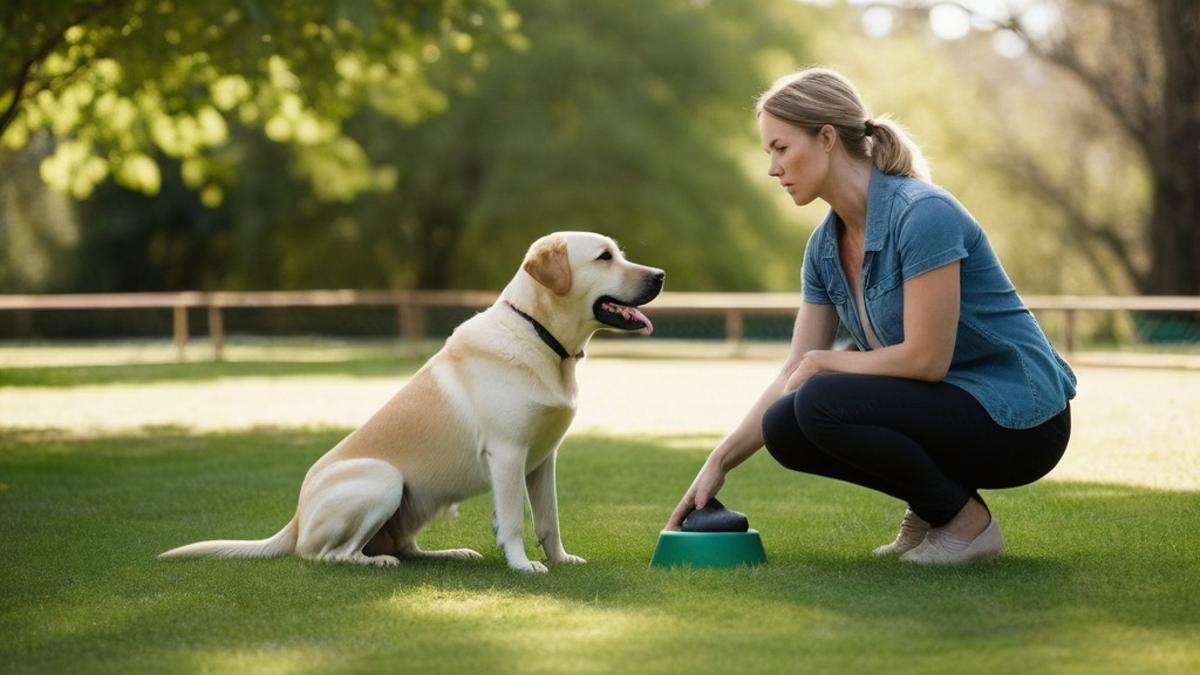
Proven Training Techniques That Reduce Anxiety in Pets
When it comes to pet anxiety training, not all methods deliver equal results. Below is a breakdown of the most effective calming techniques for pets, highlighting how each approach specifically targets anxiety in dogs and cats through structured pet behavior modification.
| Technique | Key Benefit |
|---|---|
| Desensitization | Gradually reduces fear triggers, easing anxiety in dogs and cats |
| Counter-Conditioning | Replaces stress responses with positive associations |
| Crate Training | Creates a safe space, helping reduce pet stress |
| Reward-Based Cues | One of the best pet training methods for building confidence |
Each of these strategies, when applied consistently, plays a vital role in reducing anxiety in pets and preventing destructive coping behaviors like excessive barking or chewing.
CHECK OUT: The Importance of Behavioral Training for the Mental Health of Pets
# Enrichment, Safe Spaces, and the Role of Physical Exercise
Beyond conditioning exercises, physical and environmental factors play an equally significant role in pet anxiety training. A tired dog is often a calmer dog, and a mentally stimulated cat rarely has the energy reserves to spiral into panic. Veterinary behaviorists frequently point out that owners underestimate how much untapped energy contributes to reactivity, treating exercise as optional rather than foundational to emotional regulation.
Studies from animal behavior clinics suggest that dogs receiving at least 30 to 45 minutes of structured physical activity daily show measurably lower cortisol levels compared to those confined indoors for extended periods. In cities like Lagos, where compound spaces can be limited, this might mean short leash walks around the estate, fetch sessions in a courtyard, or even stair climbing within an apartment block. Even in Abuja’s more spacious residential areas, consistency matters more than duration, a brisk fifteen-minute walk twice daily often outperforms one exhausting weekend hike that leaves the pet sore and reluctant to move for days afterward.
Cats present a different challenge entirely, since leash walks rarely suit their temperament. Vertical space, climbing trees, window perches, or even repurposed shelving, gives indoor cats an outlet for the exploratory drive that anxiety often suppresses. Interactive play using feather wands or laser pointers for ten minutes before bedtime can also reduce nighttime restlessness, a common complaint among Nigerian cat owners dealing with hyperactive pets during Lagos power outages when household routines shift unpredictably.
Creating a Designated Safe Zone
Every anxious pet benefits from having one predictable retreat, a space entirely their own where no one disturbs them. This isn’t about isolation; it’s about giving the nervous system a reliable off-switch, a place where the constant vigilance anxious animals maintain can finally relax.
An effective safe zone typically includes:
- A crate or covered basket positioned away from windows and doorways
- Familiar bedding carrying the pet’s own scent
- Minimal foot traffic, ideally away from generator noise or kitchen activity
- Access to water, without forcing interaction when the pet retreats there
Trainers stress that this space should never be used for punishment. Sending a dog to its crate after misbehavior undermines the entire purpose, transforming a sanctuary into another source of stress. Instead, the safe zone should always signal one thing: nothing bad happens here. Children in the household should be taught, firmly and repeatedly, that the safe zone is off-limits for play or teasing, regardless of how tempting a sleeping puppy might look.
Mental Enrichment as an Overlooked Tool
Puzzle feeders, snuffle mats, and treat-dispensing toys aren’t just entertainment, they’re legitimate tools for pet behavior modification. Engaging a pet’s problem-solving instincts redirects nervous energy that would otherwise manifest as pacing, excessive barking, or destructive chewing, essentially giving the brain a job to focus on besides worry.
A simple homemade version, hiding kibble inside a rolled towel or a plastic bottle with holes cut into it, works nearly as well as commercial products. Nigerian pet owners without access to imported enrichment toys can still achieve similar results using household materials, making this one of the more accessible calming techniques for pets regardless of budget. Empty egg cartons, cardboard boxes with treats tucked into folds, or even a muffin tin with tennis balls covering hidden snacks can occupy an anxious dog for twenty minutes or more.
When Professional Guidance Becomes Necessary
Not every case of anxiety in dogs and cats responds to home-based techniques alone. Severe separation anxiety, trauma-related aggression, or compulsive behaviors like excessive licking often require input from a certified veterinary behaviorist, someone trained to distinguish between ordinary nervousness and clinical disorders requiring targeted intervention.
Warning signs that suggest professional intervention include self-inflicted injuries, prolonged loss of appetite lasting more than two days, or aggression that escalates despite consistent training. In these situations, medication may be prescribed alongside behavioral techniques, not as a replacement for training but as a bridge that makes learning possible in the first place, since a pet too overwhelmed to think clearly cannot absorb new patterns of behavior.
Owners searching for the best pet training methods should view professional consultation not as failure, but as one more tool available for pets whose anxiety runs deeper than everyday triggers. Veterinary clinics in major Nigerian cities increasingly offer behavioral consultations, reflecting growing awareness that mental health in companion animals deserves the same attention traditionally reserved for physical ailments.
Bringing It All Together: A Calmer Life for Nigerian Pets
Efforts to reduce anxiety in pets rarely hinge on a single trick or product. Rather, they emerge from layering several strategies, consistent conditioning, adequate exercise, mental enrichment, and a genuinely safe retreat, into a daily rhythm the animal can predict and trust. What works for a hyperactive terrier in Lagos may look slightly different for a nervous cat in Port Harcourt, but the underlying principle remains constant: nervous systems calm down when the environment stops feeling unpredictable.
This is precisely why pet anxiety training should be approached as an ongoing practice rather than a one-time fix. Generator noise, sudden visitors, or shifting household routines are realities many Nigerian pet owners cannot eliminate entirely. What owners can control is how deliberately they prepare their pets to cope, through desensitization exercises, structured play, and spaces that offer genuine refuge.
Owners should also resist comparing their pet’s timeline to another animal’s progress. Some dogs respond to calming techniques for pets within weeks; others, particularly rescues with unknown histories, may take months of patient repetition before showing measurable change.
Ultimately, addressing anxiety in dogs and cats demands observation as much as technique. Owners who pay attention to subtle stress signals, tucked tails, excessive grooming, reluctance to eat, catch problems early, before they harden into entrenched habits requiring intensive pet behavior modification.
Combining these best pet training methods with professional support when necessary offers the most realistic path toward lasting change. The goal isn’t a pet that never feels fear, but one equipped with the tools and trust to recover from it quickly, an achievable outcome for any household willing to invest the time.
Frequently Asked Questions
What are the most effective training techniques to reduce anxiety in pets kept in Nigerian homes?
Positive reinforcement training, such as rewarding calm behavior with treats or praise, works very well for dogs and cats in Nigeria. Gradual desensitization to triggers like loud generators, harmattan winds, or unfamiliar visitors also helps pets build confidence over time. Consistency and short daily sessions of 10 to 15 minutes give the best results without overwhelming the animal.
How can I calm my dog during noisy events like New Year fireworks or Sallah celebrations?
Create a safe, enclosed space indoors with familiar bedding and background noise like a fan or radio to mask the loud bangs. Practice counter-conditioning beforehand by playing recorded firework sounds at low volume while rewarding your dog with treats. Avoid punishing fearful reactions, as this can increase anxiety rather than reduce it.
Can training alone fix severe anxiety in pets, or do I need a veterinarian in Lagos or Abuja?
Training techniques significantly reduce mild to moderate anxiety, but severe cases with symptoms like destructive chewing, excessive barking, or self-harm often need veterinary input. A vet in cities like Lagos, Abuja, or Port Harcourt can rule out underlying health issues and may recommend calming supplements or medication alongside training. Combining professional guidance with behavior training gives the fastest, safest improvement.
What household items in Nigeria can I use to support anxiety-reducing training for my pet?
Old t-shirts with your scent, cardboard boxes for hiding spots, and locally available chew toys can all support calming training exercises. Playing soft music or nature sounds through a phone speaker during thunderstorms or generator noise also helps soothe anxious pets. These affordable, accessible tools work well alongside structured training routines.
How long does it take to see results when training a pet to reduce anxiety?
Most pet owners in Nigeria notice small improvements within two to four weeks of consistent daily training. Full behavioral change for deeper anxiety issues, such as separation anxiety from frequent travel or house help changes, can take two to three months. Patience and regular practice are key, since rushing the process often causes setbacks.
Are certain dog or cat breeds common in Nigeria more prone to anxiety, and does training help all of them?
Breeds like the Nigerian local dog, German Shepherds, and Rottweilers commonly kept for security can develop anxiety from being tied up or under-socialized, while cats left alone for long hours may show stress-related behaviors too. Training techniques such as socialization, obedience exercises, and enrichment activities help virtually all breeds regardless of their anxiety triggers. Tailoring the approach to the specific pet’s temperament and living situation always improves results.

Linda Carter
Linda Carter is a writer and pet care expert specializing in pet health, grooming, and wellness. With extensive experience helping pet owners create safe, loving, and enriching environments for their animals, Linda shares her knowledge on our platform. Her goal is to empower readers with practical advice and strategies to ensure their pets thrive and lead joyful, healthy lives.