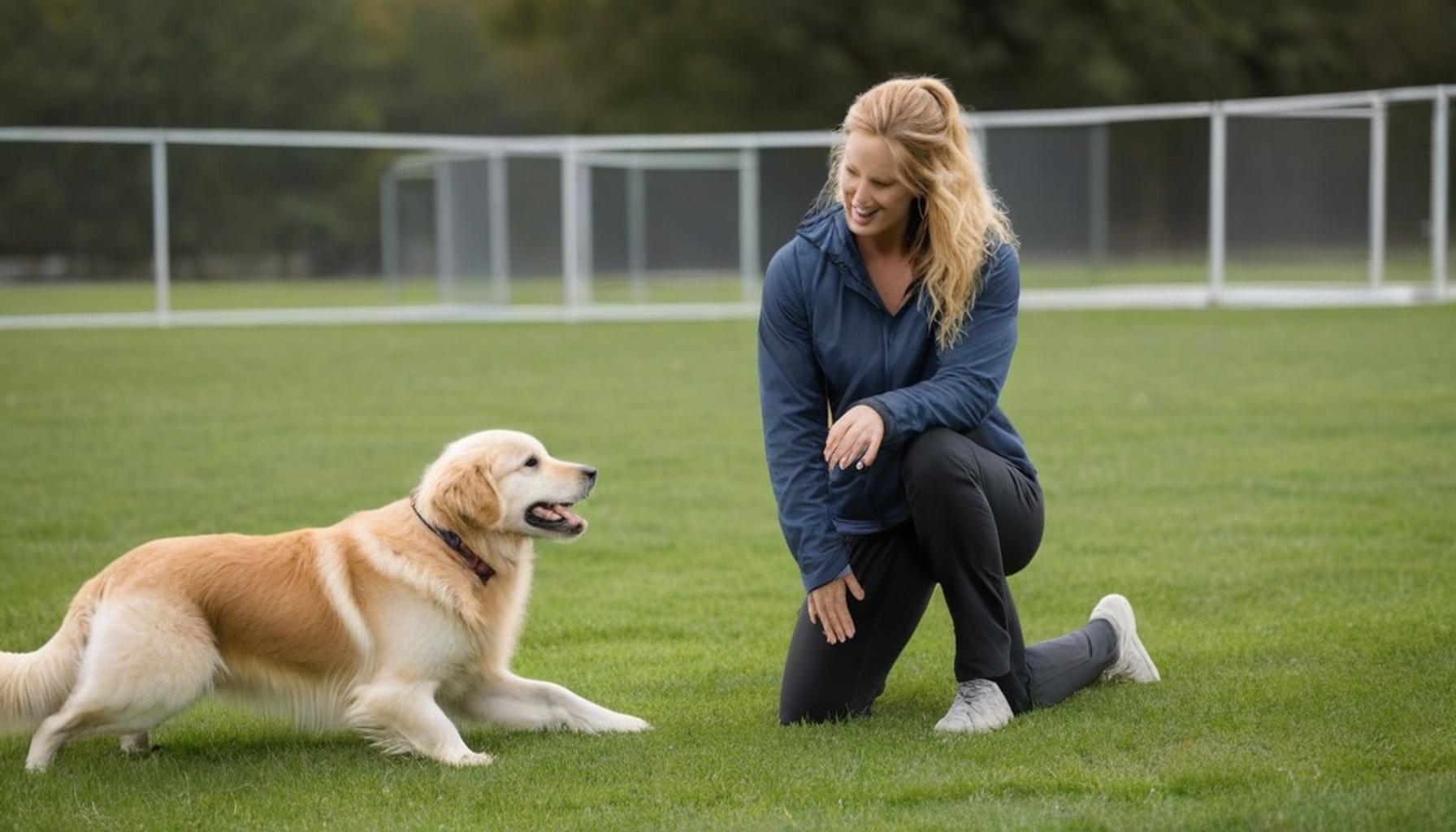
Positive Reinforcement Strategies in Pet Behavior Training
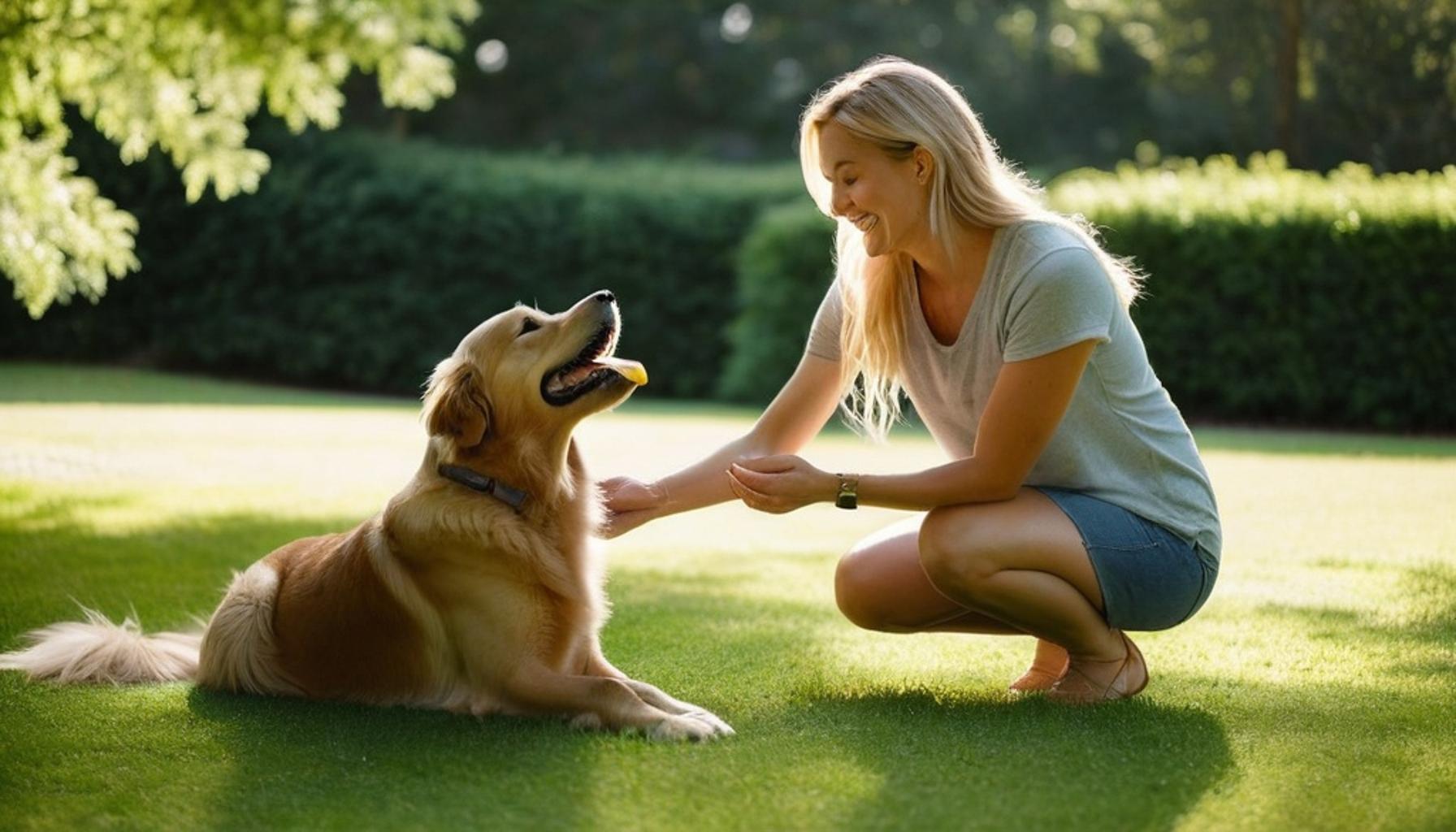
Why Reward-Based Methods Are Changing Pet Training in Nigeria
From bustling compounds in Lagos to quiet homes in Enugu, more Nigerian pet owners are rethinking how they train their dogs and cats. Old-school punishment methods are gradually giving way to gentler, science-backed approaches. At the center of this shift is Positive Reinforcement in Pet Training.
This approach rewards good behavior instead of punishing bad behavior. It sounds simple, but the results can be remarkable, and many households are noticing the difference within just a few weeks of consistent practice.
What Makes This Method So Effective?
Veterinary behaviorists across Africa and beyond have documented the benefits of positive reinforcement in shaping calmer, more obedient pets. Unlike fear-based tactics, reward-based training builds trust between pet and owner, rather than fear or avoidance. A dog that once cowered at raised voices can, over time, learn to associate calm behavior with treats, affection, or a favorite toy.
- Treats, praise, or playtime used as immediate rewards
- Reduced anxiety and aggression in dogs and cats
- Stronger bond between pets and their owners
- Long-lasting behavioral changes rather than temporary compliance
These dog training techniques are not just theory—they are practical tools already transforming households nationwide. In cities like Abuja and Port Harcourt, dog trainers now report growing demand for reward-based sessions, especially among younger pet owners who research training methods online before adopting a puppy. Many local trainers have even adapted these techniques to suit Nigerian breeds and mixed-breed dogs commonly found roaming compounds and estates.
Beyond Dogs: What About Cats?
While dogs often dominate training conversations, cat behavior training is gaining attention too. Cats respond surprisingly well to clicker training and reward-based cues, defying the long-held myth that felines are untrainable. With patience, a cat can learn to come when called, use a scratching post instead of furniture, or even tolerate nail trimming without a struggle.
This article explores proven reward-based training methods, practical steps for pet obedience training, and effective training strategies tailored for Nigerian pet owners. Whether you own a boisterous puppy in a busy Lagos estate or an independent-minded cat lounging in a quiet Enugu home, there is a method worth discovering—and possibly, a happier, more cooperative pet waiting on the other side.
CHECK OUT: How Behavioral Training Can Reduce Anxiety Issues in Pets
# The Science Behind the Wagging Tail: How Reward Systems Rewire Behavior
Understanding why Positive Reinforcement in Pet Training works requires a quick look at animal psychology. Dogs and cats, much like humans, are motivated by consequences. When a behavior leads to something pleasant, the brain registers it as worth repeating. This simple principle, first popularized by psychologist B.F. Skinner decades ago, has now become the backbone of modern pet obedience training across Nigerian homes.
Consider a puppy in Ibadan learning to sit before mealtime. Each time it sits and receives food immediately afterward, the connection between action and reward strengthens. Within days, the behavior becomes automatic. No shouting, no leash-yanking, just consistent timing and patience. This same principle applies whether the animal in question is a German Shepherd guarding a compound in Abuja or a stray-turned-companion cat rescued from a Lagos market. The brain does not discriminate by breed; it simply responds to patterns.
Timing and Consistency: The Real Secrets
Many pet owners assume any reward works, but trainers insist that timing matters more than the treat itself. A reward given even three seconds late can confuse an animal about which action earned it. Imagine praising a dog after it has already stood up from sitting; the animal may associate the reward with standing rather than sitting, effectively teaching the wrong lesson entirely.
Effective dog training techniques typically follow these principles:
- Reward immediately after the desired behavior occurs
- Use short, clear verbal cues like “sit” or “stay”
- Keep training sessions brief, ideally five to ten minutes
- Gradually reduce treat frequency while maintaining praise
- Stay consistent across all family members handling the pet
This last point is particularly relevant in Nigerian households, where multiple family members, house helps, or gatemen often interact with the same dog. If one person scolds the dog for jumping while another laughs and pets it, the mixed signals slow progress considerably. Trainers often recommend a shared household chart, listing approved commands and rewards, so that everyone from the eldest child to the security man follows the same script.
What Nigerian Trainers Are Reporting
Local animal behavior consultants in Lagos have observed something interesting: dogs trained using reward-based training methods show fewer signs of aggression toward strangers, a common concern given the number of estate dogs used for security purposes. Rather than becoming purely reactive guard animals, these dogs learn to distinguish between genuine threats and everyday visitors like delivery riders or neighbors.
Some trainers estimate that consistent positive reinforcement, when applied daily for four to six weeks, produces measurable improvements in over 70 percent of dogs presenting mild behavioral issues. While formal Nigerian studies remain limited, these field observations align closely with international veterinary research on the benefits of positive reinforcement in domestic animals. Interestingly, similar patterns have emerged in cats, though feline training often requires slightly longer timelines due to their independent temperament.
The takeaway is straightforward. Pets are not simply obeying commands out of fear; they are actively choosing cooperation because it consistently feels rewarding. As more Nigerian pet owners move away from punishment-based discipline, the shift toward science-backed methods may well redefine how households across the country relate to their animals.

Key Aspects of Positive Reinforcement in Pet Training
Understanding the core components of Positive Reinforcement in Pet Training helps pet owners choose the most effective methods for their companions. Below is a breakdown of essential strategies and their measurable benefits, based on established dog training techniques and cat behavior training principles used by certified trainers worldwide.
| Strategy | Benefit |
|---|---|
| Clicker Training | Precise timing boosts learning speed by up to 30% |
| Treat-Based Rewards | Strengthens pet obedience training through motivation |
| Verbal Praise | Builds trust without dependency on food rewards |
| Consistency | Key to long-term reward-based training methods success |
These effective training strategies demonstrate why the benefits of positive reinforcement extend beyond simple obedience, fostering emotional resilience and a stronger human-animal bond over time.
CHECK OUT: The Importance of Behavioral Training for the Mental Health of Pets
# Beyond Treats: Tools, Timing, and the Tricky Cases That Test Patience
While food rewards dominate most conversations around Positive Reinforcement in Pet Training, seasoned trainers argue that treats are only one piece of a much larger toolkit. Clicker training, verbal praise, toy rewards, and even access to a favorite spot on the veranda can all serve as motivators. The key lies in identifying what genuinely excites a specific animal, since a bored Labrador in Port Harcourt may respond better to a squeaky ball than to another piece of chicken.
Clickers, in particular, have gained quiet popularity among Nigerian pet trainers over the past few years. The device produces a distinct sound that marks the exact moment a desired behavior occurs, removing guesswork from timing. Paired with a treat immediately afterward, this method sharpens communication between owner and animal far more precisely than voice alone, since tone can vary depending on mood or frustration.
Cat Behavior Training: A Different Kind of Challenge
Feline training deserves special attention, largely because cats are frequently, and wrongly, assumed to be untrainable. In reality, cat behavior training follows the same reinforcement principles as dog training, just with adjusted expectations.
A cat learning to use a scratching post instead of the living room sofa responds well to rewards placed directly on or near the approved surface. Litter box consistency, another common household frustration, improves significantly when owners reward calm entry and exit rather than scolding accidents after the fact.
Trainers working with rescue cats in Lagos have noted that sessions lasting longer than three to five minutes often lose the animal’s interest entirely. Shorter, more frequent sessions throughout the day tend to produce better results than one long training block.
Handling Setbacks Without Losing Momentum
No training journey moves in a straight line. Regression happens, especially during stressful periods like house relocations, the arrival of a new baby, or sudden changes in feeding schedules common during festive seasons like Christmas or Sallah.
Effective training strategies for setbacks include:
- Returning briefly to basic commands the pet has already mastered
- Avoiding punishment for regression, since fear often worsens the behavior
- Identifying environmental triggers causing the setback
- Increasing reward frequency temporarily before tapering again
- Seeking guidance from a certified animal behaviorist for persistent issues
Some Nigerian veterinary clinics have started offering basic behavior consultations alongside routine checkups, reflecting growing demand for structured, humane approaches. This shift suggests that reward-based training methods are no longer viewed as a foreign concept but as a practical, results-driven standard.
Owners who track progress, perhaps noting small wins in a notebook or phone app, often report clearer visibility into what specifically triggers improvement. This data-driven approach, borrowed loosely from broader behavioral science, continues gaining ground among Nigeria’s increasingly informed pet-owning population.
Final Thoughts: Building Trust One Reward at a Time
Across Nigerian households, from Abuja apartments to Ibadan compounds, the shift toward Positive Reinforcement in Pet Training reflects something larger than a passing trend. It signals a growing recognition that animals thrive under guidance built on trust rather than fear.
The evidence gathered throughout this discussion points to a consistent truth: patience and consistency outperform punishment every time. Whether working with a stubborn puppy in Enugu or a skittish rescue cat in Lagos, the fundamentals remain identical. Timing matters, motivation varies by individual animal, and setbacks require adjustment rather than harsh correction.
Several key takeaways emerge for pet owners considering these methods:
- Reward systems should match each pet’s unique preferences, not a generic template
- Tools like clickers can sharpen communication beyond what verbal cues achieve alone
- Cat behavior training deserves the same structured attention typically reserved for dogs
- Short, frequent sessions often outperform long, exhausting ones
- Professional guidance remains valuable when progress stalls
The broader benefits of positive reinforcement extend beyond obedience alone. Owners report stronger emotional bonds, calmer households, and pets who approach training sessions with visible enthusiasm rather than dread. This emotional dimension often gets overlooked in favor of measurable outcomes like sit, stay, or come.
As more Nigerian veterinary clinics and trainers adopt reward-based training methods, access to reliable guidance continues expanding. This growing infrastructure suggests that pet obedience training rooted in kindness is becoming less of a novelty and more of an expectation.
For anyone beginning this journey, the path forward involves observation, experimentation, and a willingness to adjust effective training strategies as circumstances change. Progress may be gradual, but the results, measured in trust and cooperation, tend to last far longer than shortcuts ever could.

Linda Carter
Linda Carter is a writer and pet care expert specializing in pet health, grooming, and wellness. With extensive experience helping pet owners create safe, loving, and enriching environments for their animals, Linda shares her knowledge on our platform. Her goal is to empower readers with practical advice and strategies to ensure their pets thrive and lead joyful, healthy lives.