Recreational Activities: How to Keep Your Pet Mentally Stimulated During Exercise
Why Every Walk Around Lekki or Wuse Should Work Your Pet’s Brain, Not Just Its Legs
Every evening across Lagos, Abuja, and Port Harcourt, dogs strain against leashes, tails wagging, eager for their daily walk. But here’s a surprising fact: a tired body doesn’t always mean a satisfied mind. Many pets return from exercise still restless, chewing furniture or barking at shadows well into the night.
The missing piece is mental engagement. Mentally stimulated pets are calmer, healthier, and far less likely to develop destructive habits such as digging up flower beds in Abuja compounds or scratching doors in Lagos apartments. Veterinarians across Nigeria increasingly report that owners mistake physical fatigue for true satisfaction, when in fact the brain requires its own workout.
This article explores practical dog exercise activities and cat mental stimulation tips that go beyond simple physical movement, offering strategies suited to the Nigerian home and climate.
What You’ll Discover
- How recreational activities for pets reduce anxiety and boredom-related behavior, especially during long dry-season afternoons when outdoor play is limited
- Simple pet training exercises you can start today with items found at home, from cardboard boxes to old rice bags
- Creative outdoor games for pets suited to Nigerian compounds and open spaces, including scent trails hidden in gardens
- Signs your pet needs more brain-engaging play, not just extra laps around the yard, such as excessive licking or sudden aggression
Veterinary behaviorists estimate that dogs need at least 20 to 30 minutes of mentally challenging play daily, separate from regular walks. This could mean hiding treats around the compound, teaching new commands, or introducing puzzle feeders that slow down eating while sharpening focus. Cats, though often perceived as independent, thrive equally on puzzle-based stimulation, particularly indoor cats that rarely venture beyond balconies or window sills in busy cities like Port Harcourt.
Without this kind of enrichment, pets often channel their unused energy into behaviors owners find frustrating, unaware that the real issue is an under-stimulated mind rather than an under-exercised body.
Ready to transform your pet’s routine? Let’s dig into the strategies that make exercise count twice as much, turning ordinary walks and playtime into powerful tools for a happier, healthier companion.
YOU MAY ALSO LIKE: The Importance of an Exercise Routine for Pets’ Mental Health
The Science Behind Mentally Stimulated Pets: Why Brainwork Beats Basic Exercise
Walk through any estate in Lekki on a Saturday morning and you’ll spot dogs jogging beside their owners, tongues out, seemingly content. Yet many of these same animals will be pacing restlessly by 8 PM, unable to settle. This paradox puzzles pet owners across Nigeria, but veterinary science has a clear explanation.
Physical exercise and mental stimulation activate different parts of the brain. Running burns energy, but it doesn’t necessarily engage problem-solving skills or satisfy natural instincts like hunting, foraging, or investigating. A dog that walks three kilometers daily but never uses its nose to search for something remains understimulated, regardless of how tired its legs feel.
The Nigerian Context: Unique Challenges for Pet Enrichment
Pet owners in Nigeria face specific obstacles that make mental stimulation even more critical. Consider these realities:
- Extreme heat during dry season often limits outdoor activity to early mornings or evenings, shrinking the window for physical exercise
- Compound sizes vary dramatically, with many urban dogs in Lagos apartments having far less running space than their rural counterparts in Ogun or Oyo States
- Traffic and security concerns in cities like Abuja mean fewer long walks through open neighborhoods, unlike in quieter suburban areas
- Limited access to specialized pet toys compared to Western markets means owners must often improvise with household materials
These factors make recreational activities for pets not just beneficial but necessary. When physical space is limited, mental engagement becomes the primary tool for preventing boredom-driven behavior.
What Happens Inside an Understimulated Pet’s Mind
Animal behaviorists compare an under-stimulated pet’s brain to an idle engine, revving without direction. Dogs bred for work, such as German Shepherds or Local Nigerian breeds used historically for hunting, carry strong instincts that modern apartment living rarely satisfies.
Cats face a similar challenge, though their signals differ. An indoor cat in a Port Harcourt flat, disconnected from the hunting opportunities its ancestors relied on, may redirect that energy into knocking items off shelves or excessive grooming.
Mentally stimulated pets show measurably different behavior patterns. Studies from animal welfare organizations indicate that enrichment activities can reduce problem behaviors by up to 60 percent within a few weeks of consistent implementation. This isn’t simply about tiring an animal out; it’s about giving its brain meaningful work to do.
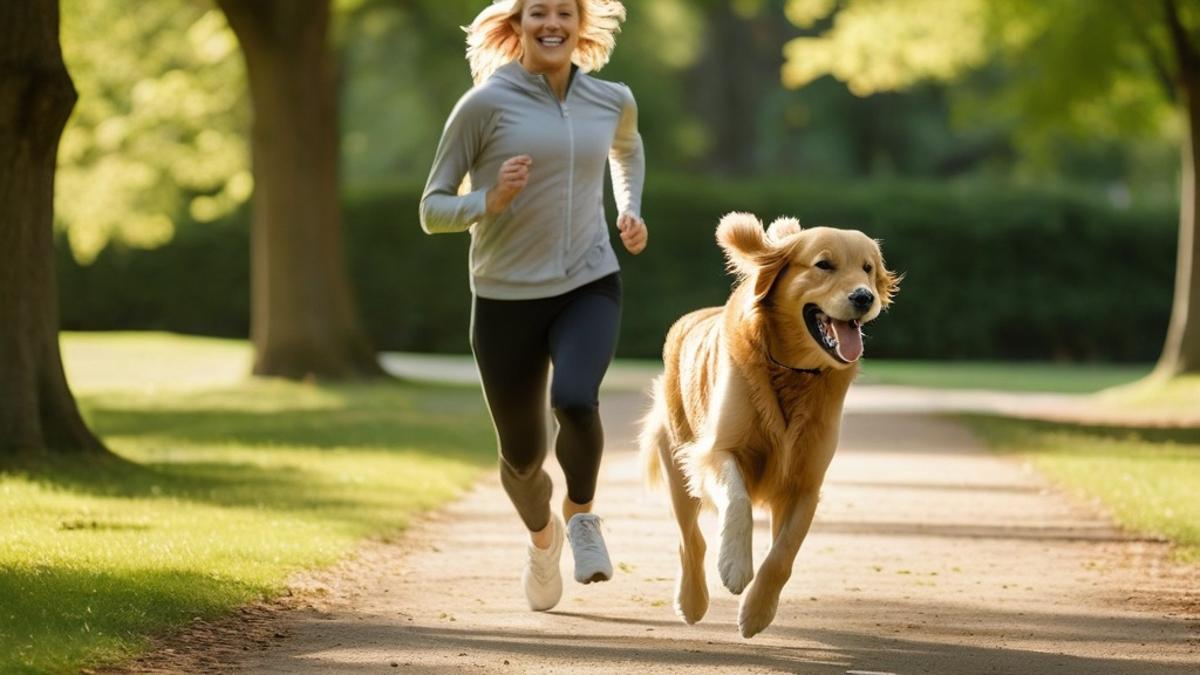
Recreational Activities: How to Keep Your Pet Mentally Stimulated During Exercise
Beyond physical movement, mentally stimulated pets show fewer behavioral issues and greater engagement during play. The table below breaks down popular dog exercise activities and cat mental stimulation tips that combine movement with brain challenges, offering a quick reference for choosing the right recreational activities for pets.
| Category | Key Benefits |
|---|---|
| Puzzle Feeders | Slows eating, sharpens problem-solving, reduces boredom-related chewing. |
| Scent Trail Games | Engages natural sniffing instincts, lowers anxiety, builds focus. |
| Agility Courses | Combines pet training exercises with coordination and confidence building. |
| Interactive Fetch Toys | Encourages impulse control and strengthens owner-pet bonding. |
| Outdoor Exploration | One of the best outdoor games for pets, offering novel sights, sounds, and smells. |
CHECK OUT: Fun Physical Activities for Different Breeds of Dogs and Cats
Practical Recreational Activities That Combine Movement With Brainwork
The good news for Nigerian pet owners is that mentally stimulated pets don’t require expensive imported equipment. Combining physical movement with problem-solving can be achieved using items already found around most homes.
Dog Exercise Activities That Engage the Brain
Dog exercise activities work best when they force an animal to think, not just move. Scatter feeding is one example gaining popularity among Lagos dog owners: instead of pouring kibble into a bowl, toss it across the compound grass and let the dog sniff out each piece. This simple shift transforms feeding time into a foraging exercise that mimics natural behavior.
Other effective options include:
- Hide-and-seek with treats hidden in cardboard boxes or old rice sacks, encouraging dogs to use scent tracking
- Obstacle courses built from tires, wooden planks, and buckets, common in many backyards across the country
- Tug-of-war with rules, where the dog must sit and wait for a release command before grabbing the rope, blending impulse control with play
- Water play during hot afternoons, using a basin or hose, particularly useful in states like Kano or Sokoto where temperatures soar
These pet training exercises reinforce obedience while keeping the animal physically active, addressing two needs simultaneously.
Cat Mental Stimulation Tips for Indoor Environments
Cats respond differently to enrichment than dogs, but the principle remains the same. Cat mental stimulation tips often center on replicating hunting sequences: stalk, chase, pounce, and “kill.” A feather tied to a string, dragged unpredictably across the floor, triggers this entire sequence far more effectively than a store-bought toy left stationary on the floor.
Puzzle feeders also work well for cats confined to apartments in cities like Enugu or Ibadan. Cutting holes into a plastic bottle and filling it with dry food forces the cat to roll and manipulate the object to release each piece, turning a two-minute meal into a fifteen-minute activity.
Outdoor Games for Pets Beyond the Usual Walk
Outdoor games for pets don’t need to be complicated. Fetch variations, where treats or toys are thrown at increasing distances and angles, sharpen focus and coordination. Group play sessions with neighborhood pets, common in gated estates around Abuja, introduce social problem-solving as animals negotiate space and turns during chase games.
Rotating these activities every few days prevents predictability, keeping engagement levels high and ensuring recreational activities for pets remain genuinely stimulating rather than routine.
Bringing It All Together: Building a Lifestyle Around Enrichment
Across every example explored in this article, one theme stands out: mentally stimulated pets are simply healthier, calmer, and easier to live with. From scatter feeding in a Lagos compound to puzzle feeders in an Enugu apartment, the tools required are inexpensive and often already sitting in a storeroom or kitchen cupboard.
What separates a bored pet from a thriving one is not the cost of equipment but the consistency of effort. Owners who rotate dog exercise activities weekly, introduce new cat mental stimulation tips monthly, or vary outdoor games for pets during weekend playtime tend to notice fewer destructive habits and calmer household behavior overall.
Nigeria’s climate, housing styles, and community structures actually offer unique advantages. Compound spaces, gated estates, and even balconies in cities like Port Harcourt or Abuja can be transformed into enrichment zones with minimal investment.
Veterinarians increasingly recommend blending physical movement with cognitive challenges rather than treating them as separate routines. This approach supports joint health, reduces anxiety, and keeps pets engaged well into their senior years.
Before adopting any new pet training exercises, consider your animal’s age, breed tendencies, and energy levels. What works for a young mixed-breed dog in Ibadan may not suit an older cat in a smaller flat.
Ultimately, recreational activities for pets should feel like an evolving experiment rather than a fixed checklist. Pay attention to what excites your pet, adjust when interest fades, and don’t hesitate to explore local materials and community resources.
The reward for this ongoing effort is a companion animal that is not only physically fit but mentally sharp, curious, and genuinely content in its everyday environment.
Frequently Asked Questions
What are simple ways to keep mentally stimulated pets active during Nigeria’s hot afternoons?
Schedule play sessions early morning or evening when temperatures are cooler, and use shaded compounds or verandas for scent games and puzzle feeders. Interactive toys like treat-dispensing balls keep your pet’s brain engaged without requiring long runs in the heat. Short bursts of hide-and-seek with treats also work well indoors during peak sun hours.
Can local Nigerian foods be used as rewards to mentally stimulate dogs during training walks?
Yes, small pieces of boiled chicken, dried fish, or plain roasted corn can serve as effective, affordable rewards during training walks. Using these familiar treats in scent-tracking or obedience games keeps mentally stimulated pets motivated and reinforces positive behavior. Just ensure portions are small to avoid overfeeding.
How do I create a DIY puzzle toy for my pet using materials found in Nigerian homes?
You can repurpose empty plastic bottles, cardboard boxes, or egg cartons by cutting holes and hiding treats inside for your pet to sniff out and retrieve. This engages their problem-solving skills and turns ordinary household waste into effective mentally stimulating pet toys. Always supervise your pet to prevent them from swallowing small plastic pieces.
Is it safe to walk my dog in busy Nigerian neighborhoods for mental stimulation?
Walking in busy areas exposes your dog to new sights, sounds, and smells, which is great for mental stimulation, but safety comes first. Keep your pet on a sturdy leash, avoid areas with loose animals or heavy traffic, and choose quieter side streets or estate compounds when possible. Gradual exposure helps build confidence without overwhelming your pet.
What recreational activities work best for mentally stimulated pets living in small Lagos apartments?
In compact spaces, activities like tug-of-war, hide-and-seek with toys, and short obstacle courses using furniture can keep your pet mentally engaged. Puzzle feeders and snuffle mats are also excellent since they don’t require much room but still challenge your pet’s mind. Rotating toys weekly prevents boredom despite the limited living space.

Linda Carter
Linda Carter is a writer and pet care expert specializing in pet health, grooming, and wellness. With extensive experience helping pet owners create safe, loving, and enriching environments for their animals, Linda shares her knowledge on our platform. Her goal is to empower readers with practical advice and strategies to ensure their pets thrive and lead joyful, healthy lives.