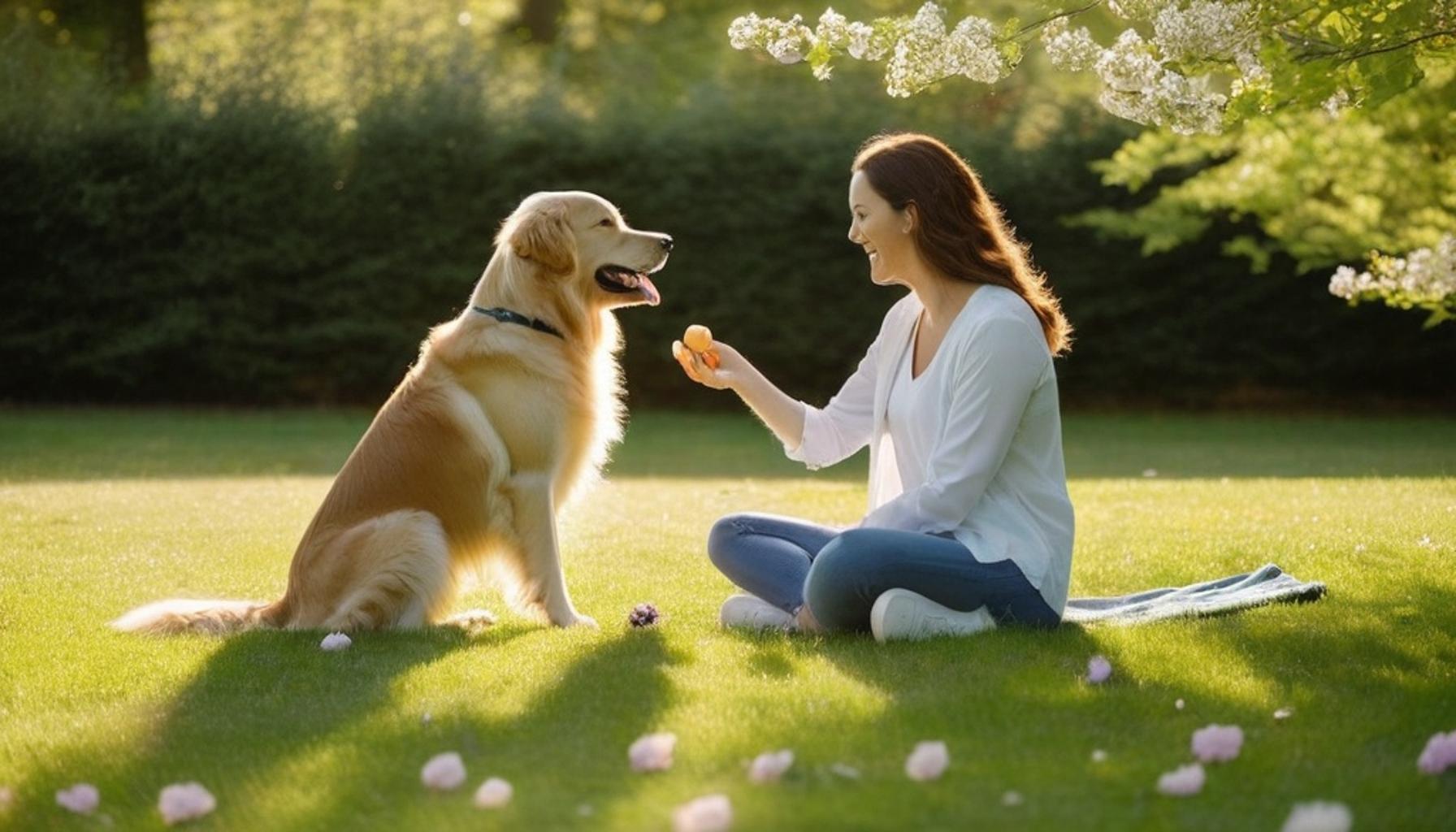
Positive Reinforcement Techniques to Improve Pet Behavior
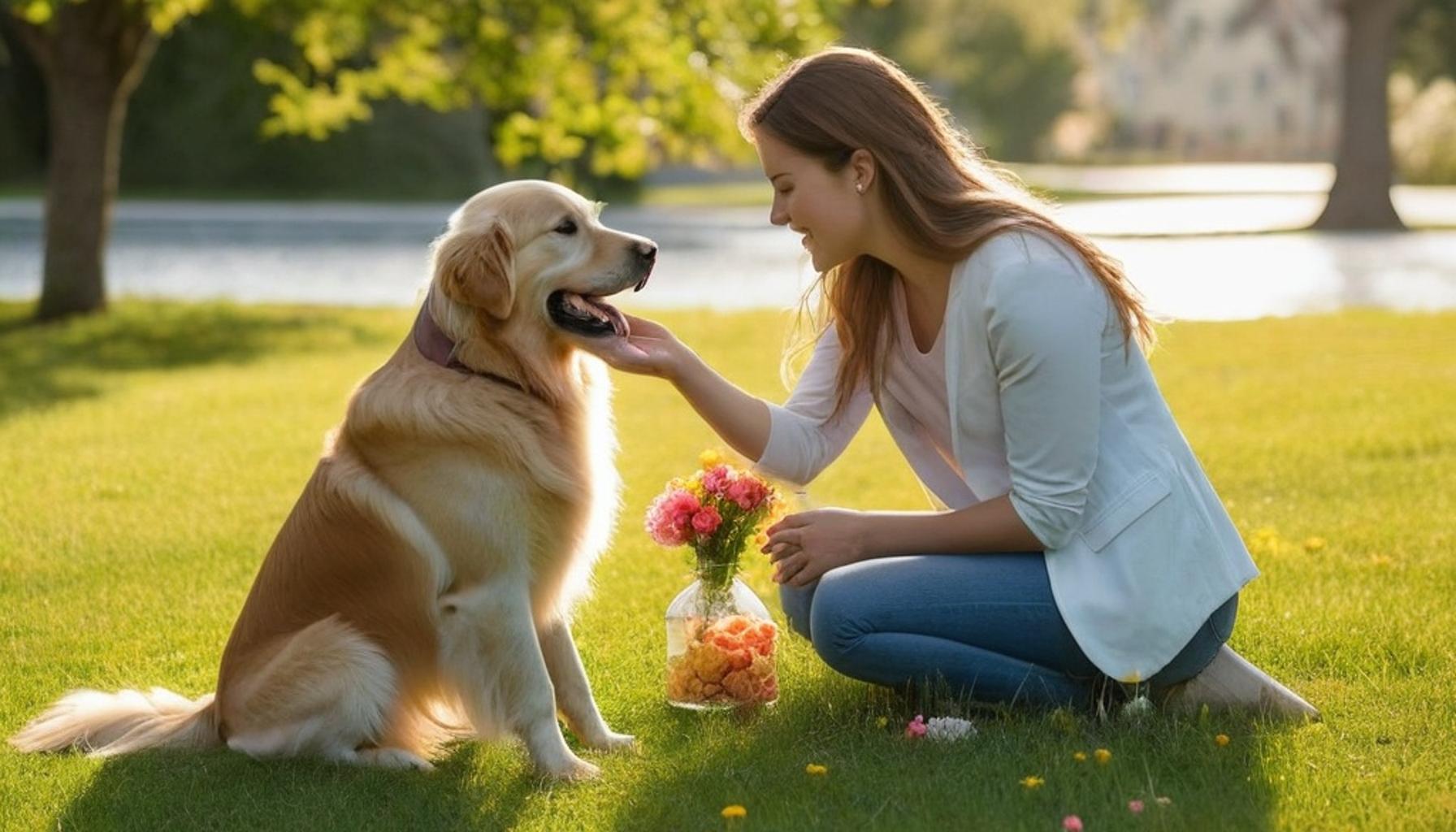
Why Reward-Based Training Is Changing the Way Nigerians Raise Pets
From bustling compounds in Lagos to quiet homes in Abuja, more pet owners are ditching punishment-based methods for something gentler and more effective. Positive Reinforcement Techniques are proving that dogs and cats learn faster when good behavior is rewarded rather than bad behavior punished.
Veterinary behaviorists across Nigeria are reporting a shift in how households manage pets. This growing interest comes as more families welcome dogs for security and cats as companions, making effective training essential. In cities like Port Harcourt and Ibadan, animal clinics say inquiries about gentler training methods have risen sharply in the past two years, a sign that attitudes toward pet care are evolving alongside Nigeria’s expanding middle class.
What Makes This Approach Different
Unlike traditional scolding or physical correction, reward-based training focuses on encouragement. It relies on simple tools that many pet owners already have at home:
- Treats and favorite snacks
- Verbal praise and affectionate tones
- Playtime with a favorite toy
- Gentle petting or belly rubs
These dog training techniques and cat training methods tap into an animal’s natural desire to repeat actions that bring pleasant outcomes. Studies show pets trained this way retain commands longer and display less anxiety than those trained through fear-based methods. For example, a dog taught to sit using treats and praise often responds to the command within days, whereas one trained through shouting may hesitate or cower instead of obeying.
Trainers also point out that consistency matters more than intensity. A pet that receives the same reward for the same behavior every time learns the connection faster than one exposed to unpredictable punishment, which can confuse rather than correct.
Why This Matters for Nigerian Pet Owners
Many households still associate discipline with punishment, but this mindset may be doing more harm than good. Aggressive corrections can trigger fear, biting, or withdrawal in pets, sometimes creating the very behavioral problems owners were trying to fix in the first place. A frightened dog guarding a compound, for instance, may become unpredictable around visitors or children rather than alert and obedient.
This shift is particularly relevant in Nigerian homes where dogs often double as guard animals and cats are kept for companionship or pest control. Understanding an animal’s psychology, rather than simply demanding obedience, is becoming a more practical approach to pet ownership.
This article explores practical pet behavior tips that Nigerian pet owners can start using today. Expect clear examples, step-by-step methods, and insights into how Positive Reinforcement Techniques can transform your pet’s behavior within weeks, offering a calmer, more trusting relationship between pets and the families who care for them.
RECOMMENDED: How Behavioral Training Can Reduce Anxiety Issues in Pets
# Understanding the Science Behind Positive Reinforcement Techniques
Before diving into specific methods, it helps to understand why Positive Reinforcement Techniques work so effectively on both dogs and cats. The principle traces back to basic animal psychology: when a behavior produces a rewarding outcome, the animal becomes more likely to repeat that behavior. This is not guesswork or trend-following; it is grounded in decades of behavioral science research applied successfully across households, farms, and even professional animal training programs worldwide.
In practical terms, this means a puppy that sits and immediately receives a treat learns that sitting equals reward. Repeat this pattern consistently, and within a short period, the pup will offer the behavior even without a command, simply because it has learned the association. This is the foundation of most modern dog training techniques used by professionals today.
What makes this approach particularly appealing for Nigerian households is its adaptability. Whether you live in a compact flat in Lagos or a compound house in Ibadan with multiple animals roaming freely, the same psychological principles apply. Your environment does not change the science, only how you implement it. A dog in a busy Yaba estate may need shorter training bursts due to constant distractions, while a cat in a quieter Abuja neighborhood might respond faster simply because there is less competition for its attention.
The Four Pillars of Effective Reward-Based Training
Nigerian pet owners looking to start this journey should understand that success depends on four key pillars working together:
- Timing – rewards must come within seconds of the desired behavior
- Consistency – the same behavior should always earn a reward, especially early in training
- Value – the reward must genuinely motivate the specific pet, whether that’s suya-flavored treats or a squeaky toy
- Patience – behavior change takes repetition, not a single session
Missing any one of these pillars can slow progress considerably. A dog owner in Enugu who rewards good behavior only sporadically, for instance, may find training takes three to four times longer than one who reinforces consistently.
Interestingly, the concept of value deserves closer attention because it varies wildly from one pet to another. Some dogs go wild for boiled liver, while others barely notice it but perk up instantly at the sound of a squeaky ball. Cats can be even more particular, sometimes ignoring commercial treats entirely in favor of a specific texture or smell. Pet owners are encouraged to experiment during the early days of training to discover what truly excites their animal, rather than assuming one reward fits all situations.
Why Timing Makes or Breaks Training Sessions
Perhaps the most overlooked element in reward-based training is timing. Animals live in the present moment, meaning a reward given even ten seconds late may accidentally reinforce the wrong behavior entirely.
Consider a cat that jumps onto a kitchen counter, then gets down when called, followed by a treat given too slowly. If the treat arrives after the cat has already wandered off to groom itself, the cat may associate the reward with grooming rather than obeying the call. This subtle mistake is common among beginners attempting cat training methods for the first time.
Professional trainers recommend rewarding within one to three seconds of the correct behavior. Some Nigerian pet owners have found success using clicker devices, small tools that produce a distinct sound the moment a pet performs a desired action, followed immediately by a treat. This method sharpens the connection between behavior and reward, making lessons stick faster and reducing the guesswork often associated with typical pet behavior tips found online.
Beyond clickers, verbal markers such as a sharp “yes” or “good” can serve a similar purpose, especially in situations where carrying a physical device proves impractical, such as during outdoor walks through busy Port Harcourt streets. The key lies not in the specific tool chosen but in the consistency and speed with which the signal precedes the reward, ensuring the animal never has to guess why it is being celebrated.
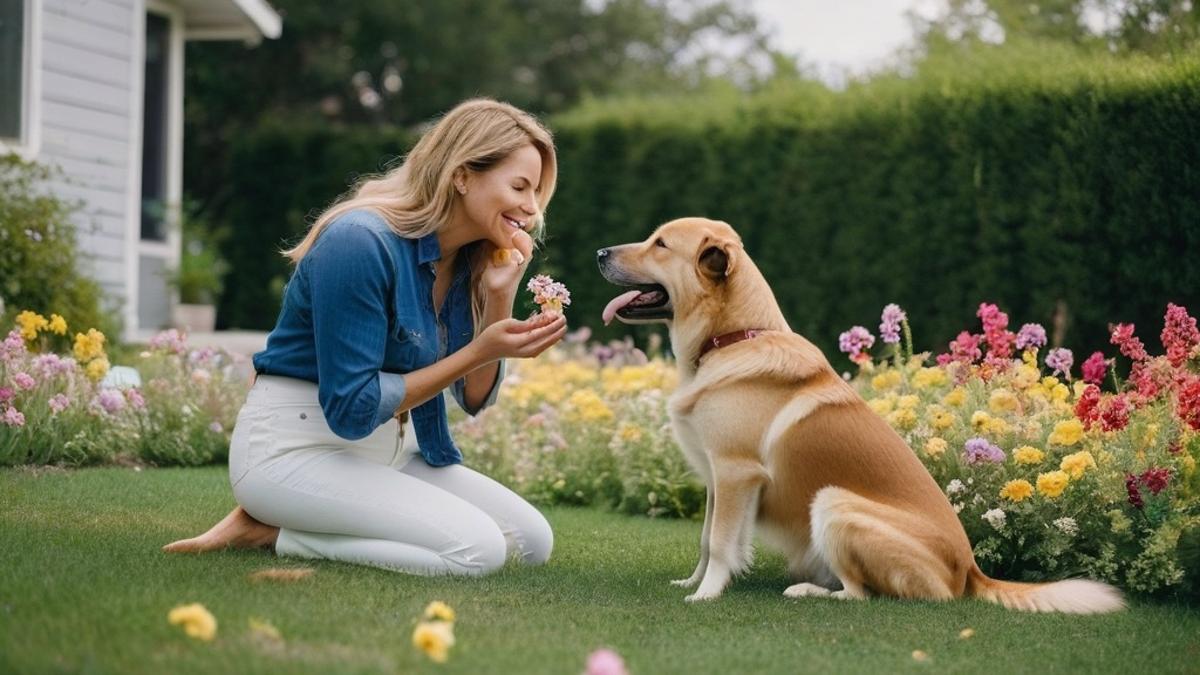
Key Positive Reinforcement Techniques at a Glance
Understanding how Positive Reinforcement Techniques work can transform the way pets learn. Whether you’re focused on dog training techniques or cat training methods, the science behind reward-based learning remains consistent: pets repeat behaviors that bring positive outcomes. Below is a quick reference table summarizing core methods and their practical benefits for pet owners looking to improve pet behavior effectively.
| Technique | Benefit & Application |
|---|---|
| Clicker Training | Marks exact desired behavior instantly; ideal for teaching commands like “sit” or “stay.” |
| Treat-Based Rewards | Boosts motivation quickly; a cornerstone of reward-based training for dogs and cats alike. |
| Verbal Praise | Strengthens the human-pet bond; reinforces calm behavior without extra calories. |
| Play as Reward | Encourages engagement in high-energy pets; supports long-term behavior consistency. |
Each of these pet behavior tips can be combined for maximum impact, especially when timing and consistency are prioritized during training sessions.
YOU MAY ALSO LIKE: Effective Behavioral Training Techniques for Dogs and Cats
# Practical Applications and Common Pitfalls in Everyday Training
Once the science makes sense, the next question most Nigerian pet owners ask is simple: how does this actually look in daily practice? Positive Reinforcement Techniques translate into concrete routines that fit around work schedules, school runs, and the general chaos of urban living, provided owners know which methods to prioritize first.
Shaping Basic Obedience Through Small Wins
Rather than attempting to teach an entire command in one sitting, effective dog training techniques break behavior into tiny, achievable steps. A dog learning to stay, for example, might first be rewarded for standing still for two seconds, then five, then ten, gradually building duration over several days.
This method, known among trainers as shaping, works particularly well in Nigerian compounds where multiple family members interact with the same pet. Everyone rewarding the same small milestone prevents confusion and speeds up learning considerably.
Owners in cities like Kano and Benin City have reported noticeable improvement within two weeks when training sessions stayed short, roughly five to ten minutes twice daily, rather than long, exhausting sessions attempted only on weekends.
Addressing Common Behavioral Challenges
Many households struggle with specific issues that reward-based methods can resolve without resorting to punishment. Some frequent examples include:
- Excessive barking at gate visitors, corrected by rewarding calm silence rather than shouting commands
- Jumping on guests, redirected by rewarding four paws remaining on the ground
- Litter box avoidance in cats, improved through cat training methods that reward proper use immediately rather than scolding mistakes
- Leash pulling during walks, reduced by pausing and rewarding whenever the dog walks calmly beside the owner
Notice a pattern here: each solution rewards the opposite of the unwanted behavior, rather than simply punishing the mistake itself. This distinction matters enormously, since punishment often suppresses behavior temporarily without teaching the animal what to do instead.
Avoiding Mistakes That Undermine Progress
Even well-intentioned pet owners sometimes sabotage their own efforts. One common error involves rewarding too generously at first, then tapering off too quickly, leaving the animal confused about whether the behavior still matters.
Another frequent misstep involves accidentally reinforcing unwanted behavior. A cat that meows persistently at 2am and receives attention, even negative attention, has technically been rewarded for that noise. Ignoring the behavior entirely, then rewarding quiet moments instead, often resolves this faster than owners expect.
Gradually shifting from constant rewards to occasional, unpredictable ones, a technique called variable reinforcement, helps cement behaviors long-term. Research on animal learning suggests unpredictable rewards actually strengthen habits more durably than rewarding every single instance indefinitely.
These pet behavior tips apply equally whether raising a rescued street dog in Aba or a pampered indoor cat in Victoria Island, proving that the underlying psychology remains remarkably consistent across breeds, environments, and even species.
Building Lasting Bonds Through Consistent Reward-Based Training
From Lagos apartments to compounds in Enugu, the evidence points toward one consistent conclusion: Positive Reinforcement Techniques succeed not because they are gentle for their own sake, but because they align with how animals actually learn. Dogs and cats repeat behaviors that bring them something valuable, and punishment rarely teaches an alternative response.
What Nigerian Pet Owners Should Remember
Three principles stand out above the rest. First, timing matters more than intensity, a reward delivered within seconds carries far more weight than one delayed by minutes. Second, consistency across every household member prevents mixed signals that confuse pets and slow progress. Third, patience beats speed, since lasting change often takes weeks rather than days.
Owners who apply these dog training techniques and cat training methods tend to notice something beyond obedience alone. Pets become calmer, more responsive, and noticeably more trusting around family members and visitors.
A Broader Perspective Worth Considering
Perhaps the most compelling argument for reward-based training lies outside the training sessions themselves. Households that adopt these methods often report reduced stress for both pet and owner, fewer destructive incidents, and stronger daily routines overall.
That ripple effect deserves more attention than it typically receives in conversations about pet care across Nigeria.
Anyone still relying on scolding or punishment might consider testing these pet behavior tips for just two weeks. Track barking incidents, leash pulling, or litter box accuracy before and after. The comparison often speaks louder than any article could.
Ultimately, improving pet behavior is less about controlling an animal and more about communicating clearly with it, one small, well-timed reward at a time.
Frequently Asked Questions
What treats work best for Positive Reinforcement Techniques when training dogs in Nigeria?
Small pieces of boiled chicken, liver, or local suya (without spicy seasoning) work very well as high-value rewards for Nigerian pets. Choose treats your pet rarely gets otherwise so they stay motivated during training sessions. Always cut treats small to avoid overfeeding and keep sessions short and frequent for best results.
How long does it take to see results using Positive Reinforcement Techniques on a stubborn pet?
Most pets show noticeable improvement within one to three weeks of consistent daily practice using Positive Reinforcement Techniques. Stubborn or older pets may take longer, sometimes up to a month, especially if they have existing bad habits to unlearn. Patience and consistency, rather than punishment, speed up the process significantly.
Can Positive Reinforcement Techniques help stop a dog from barking at strangers in a Nigerian compound?
Yes, you can reward calm behavior with treats or praise whenever your dog stays quiet as visitors or gatemen approach the compound. Over time, this teaches the dog to associate strangers with positive outcomes rather than threats, reducing excessive barking. Combining this with gradual exposure to different people helps reinforce the lesson faster.
Are Positive Reinforcement Techniques effective for cats, or do they only work for dogs?
Positive Reinforcement Techniques work very well for cats too, using rewards like fish flakes, cat treats, or gentle petting to encourage good behavior such as using the litter box. Cats respond better to reward-based training than punishment, since scolding often makes them fearful or withdrawn. Clicker training combined with treats is especially effective for shaping cat behavior in Nigerian homes.
What common mistakes do Nigerian pet owners make when applying Positive Reinforcement Techniques?
A common mistake is rewarding a pet too late, so the animal cannot connect the treat with the correct behavior; timing must be immediate. Many owners also mix punishment with rewards, which confuses pets and slows progress with Positive Reinforcement Techniques. Inconsistent household rules, where family members give different commands, is another frequent error that undermines training.

Linda Carter
Linda Carter is a writer and pet care expert specializing in pet health, grooming, and wellness. With extensive experience helping pet owners create safe, loving, and enriching environments for their animals, Linda shares her knowledge on our platform. Her goal is to empower readers with practical advice and strategies to ensure their pets thrive and lead joyful, healthy lives.