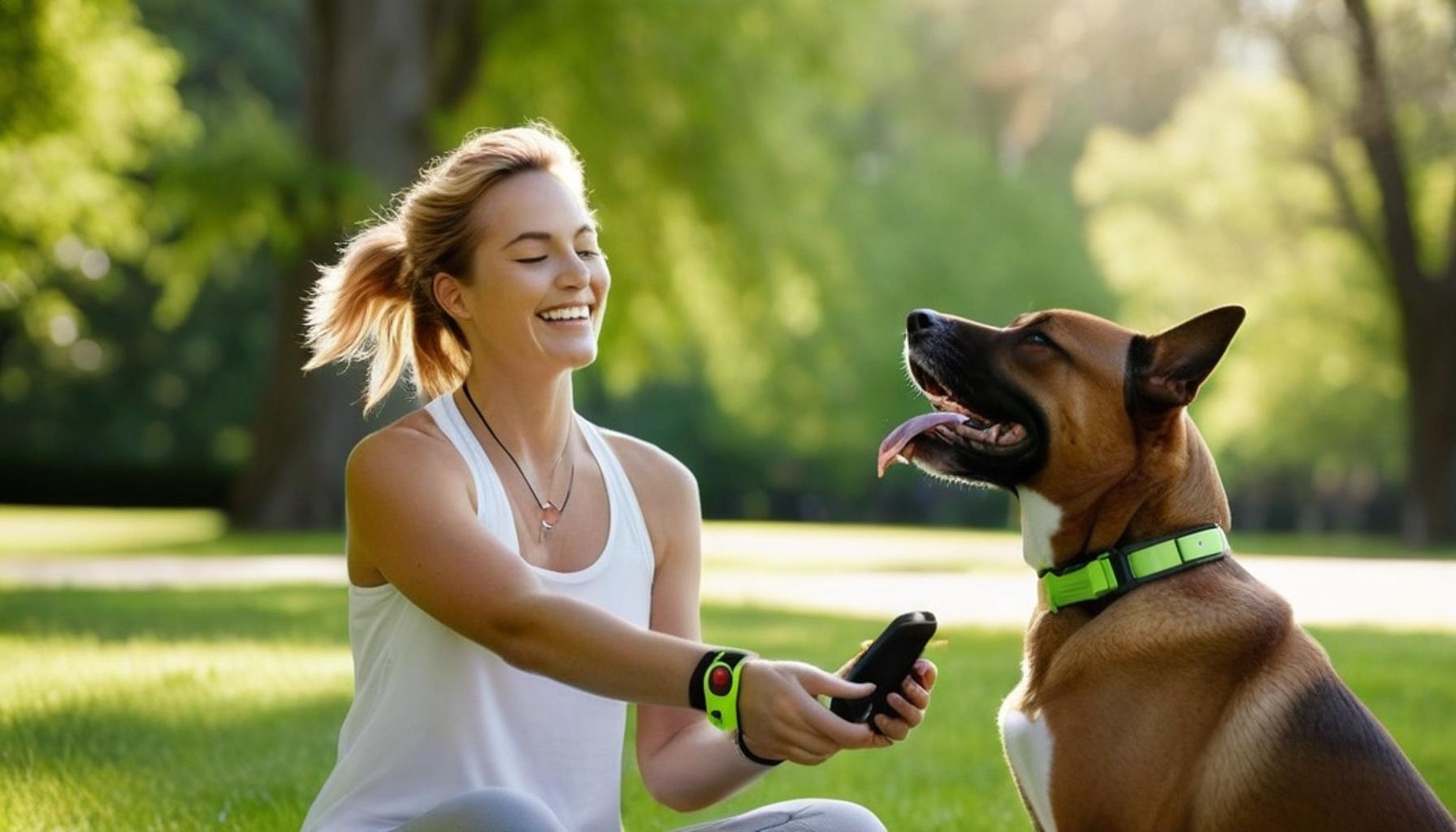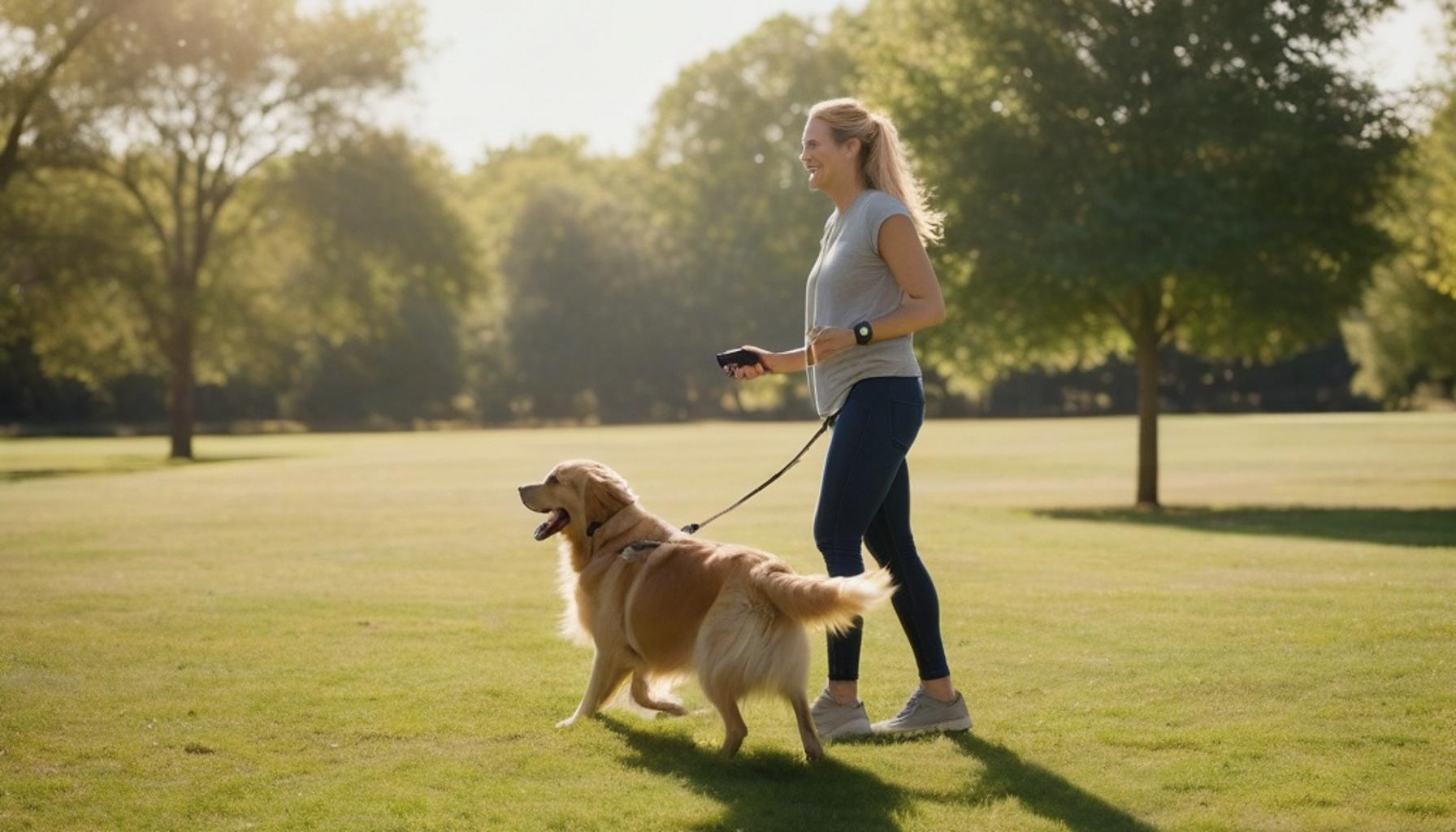
Health Monitoring Technology: How Gadgets Are Transforming Pet Care

A New Era for Animal Wellness
Nigerian pet owners are witnessing a quiet revolution in how animals are cared for. From Lagos to Abuja, and increasingly in cities like Port Harcourt and Kano, more households are turning to Health Monitoring Technology for Pets to keep their furry companions safe and healthy. This shift is not just about convenience, it reflects a deeper change in how Nigerians view their pets, moving from simple ownership to genuine companionship that demands attentive care.
Gone are the days when a sick pet’s condition was noticed only after symptoms became severe. Today, pet health gadgets can detect subtle changes long before they escalate into emergencies. A dog that suddenly becomes lethargic, a cat that stops eating as much, or unusual heart rate patterns can now be flagged instantly, giving owners a chance to act before a minor issue becomes a costly crisis.
Why This Matters Now
Veterinary care in many parts of Nigeria remains limited, expensive, or simply far from reach, especially outside major urban centers. In rural areas, some pet owners travel for hours just to access a qualified veterinarian. This is exactly where wearable pet technology steps in, bridging gaps that traditional check-ups often miss and providing continuous data rather than a single snapshot during an occasional visit.
- Smart collars that track heart rate and activity levels, alerting owners to irregularities
- GPS trackers for lost or wandering animals, particularly useful in busy cities where pets can easily go missing
- Automated feeders that monitor eating habits and portion control, helping manage weight and nutrition
- Apps that sync directly with veterinary professionals, allowing remote consultations without long journeys
These smart pet care devices are no longer luxury items reserved for wealthy pet owners abroad. Thanks to growing local distributors and online marketplaces, they are becoming increasingly accessible, affordable, and relevant to everyday Nigerian households, including those managing multiple animals or small farms.
What This Article Explores
This piece examines how pet monitoring systems are reshaping the relationship between pets and their owners across Nigeria. We will look at real examples, practical benefits, cost considerations, and the growing role of technology for pet wellness in modern animal care, including how some Nigerian veterinary clinics are beginning to integrate these tools into their services.
Whether you own a dog, cat, or even livestock such as goats or poultry, understanding these tools could transform how you approach your pet’s health altogether, potentially saving money, time, and most importantly, lives.
CHECK OUT: The Importance of Health Monitoring in Pets: Technologies and Practices for Daily Well-Being
Inside the Devices Changing Nigerian Pet Care
Walk into any pet supply store in Lekki or Wuse today, and you will notice something different on the shelves. Alongside the usual leashes and food bowls sit sleek collars, small trackers, and sensor-equipped feeding stations. This is the visible face of Health Monitoring Technology for Pets, and it is quietly becoming a standard expectation rather than a novelty.
The underlying technology is not as complicated as it might sound. Most devices rely on a combination of sensors, Bluetooth or GPS connectivity, and mobile applications that translate raw data into simple, readable alerts. A dog owner in Ikeja, for instance, can check a smartphone app during a workday and instantly see whether their pet has been resting normally or pacing anxiously at home.
The Core Categories of Pet Tech
To understand the scale of this shift, it helps to break down the main types of tools currently gaining traction among Nigerian pet owners. Each category addresses a distinct problem that traditional pet care often struggles to solve quickly enough.
- Wearable pet technology such as smart collars and harnesses, which continuously track vital signs like heart rate, temperature, and movement patterns
- Location-based devices that use GPS to prevent permanent loss, a growing concern in densely populated areas like Onitsha and Ibadan
- Ingestible or attachable sensors that monitor digestion and hydration levels in real time
- Cloud-connected pet monitoring systems that store historical health data, useful for spotting long-term patterns a single vet visit could never reveal
What makes these smart pet care devices particularly valuable is their ability to catch problems early. According to veterinary researchers, early detection of conditions such as heat stress, dehydration, or abnormal heart rhythms can reduce treatment costs significantly, sometimes by more than half, compared to emergency interventions after a condition worsens.
For Nigerian households juggling tight budgets, this preventive approach carries real financial weight. Instead of an unexpected emergency bill running into tens of thousands of naira, owners using pet health gadgets can often address issues at a much earlier, cheaper stage of treatment.
There is also a behavioral shift worth noting. Pet owners who adopt technology for pet wellness tend to become more engaged with their animals overall, checking data, adjusting diets, and scheduling vet visits based on evidence rather than guesswork. This data-driven habit marks a clear departure from the reactive pet care culture that dominated for decades.
Why Nigeria’s Climate Makes This Technology Especially Relevant
Nigeria’s tropical climate presents unique challenges that make health monitoring technology for pets more than a luxury gadget trend. In cities like Port Harcourt and Abuja, where temperatures and humidity levels fluctuate dramatically between seasons, dogs and cats face heightened risks of heatstroke and dehydration that can escalate within hours if left unnoticed. A smart collar capable of flagging abnormal temperature spikes before visible symptoms appear gives owners a critical head start that traditional observation simply cannot match.
This is particularly significant for breeds not naturally suited to hot, humid conditions. Many Nigerian households keep foreign breeds such as German Shepherds or Huskies, animals that evolved in cooler climates and often struggle silently with heat stress. Sensor technology bridges that gap by translating internal physiological changes into visible warnings on a phone screen, something a busy owner juggling Lagos traffic might otherwise miss entirely.
The Road Ahead for Pet Tech Adoption
Cost remains the most obvious barrier to widespread adoption across Nigeria. Many of these devices are imported and priced in dollars, making them inaccessible to the average pet owner outside major urban centers. Yet as local distributors begin stocking mid-range options and as awareness spreads through veterinary clinics and social media, prices are gradually becoming more competitive.
Veterinary professionals in cities like Enugu and Kano have started recommending basic monitoring tools to clients managing chronic conditions in older pets, signaling a slow but steady shift in professional attitudes toward these devices. Whether this momentum translates into mainstream adoption across the country remains an open question, but the shelves in Lekki and Wuse suggest the conversation around pet wellness in Nigeria is only just beginning to change.

Health Monitoring Technology for Pets: Key Innovations at a Glance
The rise of Health Monitoring Technology for Pets has reshaped how owners track their animals’ wellbeing. From heart rate sensors to GPS-enabled collars, pet health gadgets now deliver real-time data once only available at veterinary clinics. The table below breaks down the core categories driving this transformation, offering a quick snapshot before diving deeper into each innovation.
| Category | Key Benefit |
|---|---|
| Wearable Pet Technology | Tracks heart rate, temperature, and activity levels 24/7 |
| Smart Pet Care Devices | Automates feeding schedules and monitors hydration |
| Pet Monitoring Systems | Alerts owners to early signs of illness or distress |
| Technology for Pet Wellness | Connects data with vets for proactive, personalized care |
Each of these categories plays a distinct role in modern pet monitoring systems, and together they form an ecosystem that goes far beyond simple step counting.
CHECK OUT: Warning Signs: How to Detect Health Problems in Your Pet Through Daily Observation
What the Data Reveals About Nigerian Pet Owners’ Habits
Beyond the gadgets themselves, a quieter transformation is happening in how Nigerian pet owners think about animal healthcare altogether. Health Monitoring Technology for Pets is not just changing what happens after a problem appears; it is reshaping the entire timeline of pet care, pushing decisions earlier and earlier into the process. What used to be a reactive relationship, where owners only sought veterinary help once symptoms became obvious, is gradually giving way to a more proactive approach rooted in continuous observation.
Veterinary clinics in Victoria Island and Asokoro have begun reporting a subtle pattern: clients arriving with printed charts or app screenshots showing weeks of heart rate and activity data. This shift from vague description (“my dog seems tired”) to precise evidence (“his resting heart rate rose 15 percent over five days”) allows for faster, more accurate diagnoses. Veterinarians in these areas note that this kind of documentation often eliminates the guesswork that previously consumed the first fifteen to twenty minutes of a consultation.
Practical Ways These Devices Are Used Day-to-Day
For working professionals who spend long hours commuting through Lagos or Abuja traffic, the appeal of real-time monitoring is obvious. But the actual daily use cases go far beyond simple curiosity, extending into genuine problem-solving for households juggling demanding schedules with pet responsibilities.
- Tracking feeding schedules through smart pet care devices that dispense measured portions and log consumption automatically, which proves especially useful for households with domestic staff who need clear feeding records
- Setting geofencing alerts on GPS collars so owners in gated estates in Magodo or Banana Island receive instant notifications if a pet wanders beyond a set perimeter, a feature that has reportedly helped recover several lost dogs within hours rather than days
- Monitoring sleep quality in older cats and dogs, since disrupted rest patterns often signal joint pain or early arthritis that owners might otherwise dismiss as simple aging
- Using pet monitoring systems to compare seasonal health trends, particularly useful during the harmattan period when respiratory issues in pets tend to spike due to dust and dry air
These use cases show that wearable pet technology is not a one-size-fits-all solution. Different households adopt different features depending on their pet’s breed, age, and lifestyle, which explains why manufacturers are increasingly offering modular devices with customizable sensor packages. A young, active Boerboel in a spacious Abuja compound will have very different monitoring needs compared to an elderly Shih Tzu living in a Lagos apartment.
The Growing Role of Local Veterinary Partnerships
An interesting development involves partnerships between device manufacturers and Nigerian veterinary practices. Some clinics in Lagos now offer discounted consultation packages for clients who bring in data exported from their pet health gadgets, since this information often shortens diagnostic time considerably and reduces the number of follow-up visits required to confirm a diagnosis.
This collaboration model benefits everyone involved. Vets gain access to continuous data rather than a single snapshot taken during a brief appointment, while pet owners receive more targeted, cost-effective treatment recommendations. A study referenced by several veterinary associations suggests that continuous monitoring can reduce misdiagnosis rates by identifying symptom patterns that would otherwise go unnoticed between clinic visits. This is particularly significant in a country where transporting a pet across busy city traffic for a check-up is not always convenient or affordable.
As more Nigerian vets integrate technology for pet wellness into their standard practice, the gap between human healthcare sophistication and animal healthcare is beginning to narrow, one data point at a time. Whether this trend accelerates further may depend on affordability and awareness, but the early signs suggest Nigerian pet owners are ready to embrace it.
LEARN MORE: The Importance of Health Monitoring in Pets: Tips for Owners
The Road Ahead for Pet Care in Nigeria
The story unfolding across Lagos, Abuja, and beyond is not simply about gadgets strapped to collars. It is about a fundamental shift in how Nigerian households understand and respond to their animals’ wellbeing. Health Monitoring Technology for Pets has moved from a novelty for the wealthy few to a practical tool considered by ordinary pet owners trying to keep their animals safe in unpredictable urban environments.
What makes this shift noteworthy is not the technology alone but the behavior it encourages. Owners who once waited for visible symptoms are now checking apps daily, comparing trends, and arriving at clinics with evidence rather than guesses. That change in mindset may prove more valuable long-term than any single device on the market.
Balancing Innovation With Accessibility
Cost remains a real barrier. Many pet health gadgets are priced in dollars or pounds, making them out of reach for average-income households across Nigerian cities. As local distributors and startups enter the space, prices may fall, mirroring what happened with smartphones a decade ago.
There is also the question of internet reliability, since most smart pet care devices depend on stable connectivity to sync data accurately. Improvements in network infrastructure could determine how quickly adoption spreads beyond major cities into smaller towns.
Final Thoughts
Nigerian pet owners are clearly signaling readiness for change. Whether through GPS collars, feeding trackers, or wearable sensors, pet monitoring systems are steadily becoming part of everyday pet ownership rather than a luxury reserved for a select few.
As awareness grows and prices adjust to local realities, wearable pet technology and broader technology for pet wellness could redefine what responsible pet care looks like across the country, one connected device at a time.
Frequently Asked Questions
What types of health monitoring technology for pets are available to buy in Nigeria?
In Nigeria, pet owners can find smart collars, GPS trackers, and activity monitors through online stores like Jumia and Konga, as well as imported options from international pet tech brands. Some veterinary clinics in Lagos and Abuja also stock basic wearable monitors that track heart rate, temperature, and movement. It’s advisable to confirm battery life and app compatibility with Nigerian mobile networks before purchasing.
How much does a pet health monitoring device typically cost in the Nigerian market?
Prices vary widely, with basic activity trackers starting around 15,000 to 30,000 naira, while advanced GPS-enabled health monitors with vet-grade sensors can cost over 100,000 naira due to import duties and shipping costs. Currency fluctuations also affect pricing, so costs may change frequently. Buying from local distributors instead of direct international shipping can sometimes reduce overall expenses.
Can these gadgets help detect early signs of illness in dogs and cats without vet visits?
Yes, many devices track vital signs like heart rate, respiration, and activity levels, alerting owners to unusual patterns that may indicate illness before symptoms become obvious. However, these gadgets are meant to complement, not replace, professional veterinary diagnosis, especially given limited access to specialized vet care in some Nigerian states. Owners should still schedule regular checkups with a licensed veterinarian for accurate health assessments.
Do pet health monitoring apps work well with Nigeria’s internet and network conditions?
Most reputable pet health apps are designed to sync data via Bluetooth first, then upload to the cloud when internet is available, which helps them function even with Nigeria’s occasionally unstable network connectivity. Some devices also store data locally for a period, syncing later once a stronger signal or WiFi connection is found. It’s best to test the device’s offline storage capacity before relying on it in areas with poor network coverage.
Are there Nigerian veterinarians who can interpret data from pet health monitoring devices?
A growing number of veterinarians in major cities like Lagos, Abuja, and Port Harcourt are becoming familiar with pet health monitoring technology and can help interpret data trends from these gadgets during consultations. It’s helpful to bring your device’s app data or exported reports to appointments for a more informed discussion. As pet tech adoption grows in Nigeria, more clinics are expected to integrate this technology into routine care.

Linda Carter
Linda Carter is a writer and pet care expert specializing in pet health, grooming, and wellness. With extensive experience helping pet owners create safe, loving, and enriching environments for their animals, Linda shares her knowledge on our platform. Her goal is to empower readers with practical advice and strategies to ensure their pets thrive and lead joyful, healthy lives.