How to Incorporate Exercise into Your Pet’s Daily Routine
Why Your Furry Friend Needs More Than Just Meals and Naps
From the bustling streets of Lagos to the quiet suburbs of Abuja, pet ownership across Nigeria is on the rise. More households in cities like Port Harcourt, Ibadan, and Kano are welcoming dogs and cats into their homes, treating them as genuine members of the family. But feeding your dog or cat isn’t enough to keep them healthy and happy. Learning to incorporate exercise into your pet’s routine is now essential knowledge for every responsible owner, regardless of whether you live in a high-rise apartment or a sprawling compound.
The Hidden Cost of a Sedentary Pet
Veterinary studies suggest that nearly 40% of dogs and cats worldwide are overweight or obese, a statistic that mirrors patterns emerging in urban Nigerian households where pets often spend long hours indoors due to heat, security concerns, or simply busy owner schedules. Left unchecked, this can trigger serious issues like diabetes, joint pain, and heart disease, conditions that not only shorten a pet’s lifespan but also lead to costly veterinary bills that many families could avoid altogether.
The good news? A few simple pet exercise tips can reverse this trend entirely. Even modest changes, like a fifteen-minute walk around the neighborhood or a short play session in the backyard, can make a measurable difference over just a few weeks.
What You’ll Discover in This Guide
This article breaks down practical, easy-to-follow strategies for building daily exercise for pets into even the busiest schedules. Whether you own an energetic puppy that seems to have endless energy or a laid-back cat that prefers sunbathing on the veranda, there’s a routine that fits your lifestyle and your pet’s personality.
- Simple fun activities for pets that require little to no equipment, perfect for tight budgets
- Time-efficient dog and cat exercise routines for busy Nigerian households juggling work, traffic, and family life
- The proven benefits of pet exercise on mood, weight, and lifespan, backed by veterinary insights
- Creative ways to use local spaces, from compound yards to nearby parks, to keep movement exciting and varied
By the end, you’ll have a clear, actionable plan to keep your pet fit, engaged, and thriving—starting today. Consider this your invitation to look beyond the food bowl and discover what truly makes a pet flourish in Nigeria’s unique climate and living conditions.
LEARN MORE: Recreational Activities for Pets: Creating a Fun Exercise Routine
# Understanding Your Pet’s Real Exercise Needs
Before you can successfully incorporate exercise into your pet’s routine, it helps to understand what your specific animal actually requires. Not every dog needs an hour-long run, and not every cat is content lounging all day. Breed, age, and health status all play a role in determining the right amount of activity.
A young Boerboel mix bursting with energy in a Lagos compound has vastly different needs from a senior Shih Tzu napping through the afternoon heat in Enugu. Understanding these differences is the first step toward creating a sustainable routine rather than a one-size-fits-all plan that fizzles out after a week.
Across Nigerian households, pets often inherit whatever schedule their owners keep, fed when convenient, walked when time allows. Yet animals operate on biological clocks shaped by centuries of breeding for specific purposes. A Caravan Hound built for chasing game will not thrive on the same routine as a lapdog bred purely for companionship. Recognizing this distinction transforms exercise from a chore into something closer to fulfilling a pet’s genetic blueprint.
Matching Activity Levels to Breed and Age
Veterinarians generally recommend that dogs get between 30 minutes and two hours of physical activity daily, depending on their breed and energy level. Cats, though often perceived as low-maintenance, still benefit from at least 15 to 20 minutes of active play spread throughout the day.
Consider these general guidelines when planning daily exercise for pets:
- High-energy breeds like German Shepherds, Rottweilers, and local mixed breeds bred for guarding often need vigorous exercise, including running or extended play sessions
- Smaller or brachycephalic breeds such as Pugs or Pekingese require shorter, gentler sessions, especially given Nigeria’s heat and humidity
- Senior pets benefit from consistent, low-impact movement like slow walks rather than intense bursts of activity
- Indoor cats thrive with interactive toys and climbing opportunities that mimic natural hunting instincts
Age brings its own complications too. Puppies, for instance, should avoid excessive high-impact exercise since their joints are still developing, a fact many first-time dog owners overlook when they encourage boisterous play too early. Meanwhile, middle-aged pets often experience a decline in metabolism that goes unnoticed until sudden weight gain sets in, making moderate daily movement essential rather than optional.
Reading Your Pet’s Signals
Pets rarely communicate their needs in obvious ways, but the signs are there if you know what to watch for. Restlessness, destructive chewing, excessive barking, or unusual weight gain often signal that a pet isn’t getting enough physical stimulation.
On the flip side, panting excessively, reluctance to move, or limping after activity may indicate you’ve pushed too hard. Striking the right balance is where the real benefits of pet exercise begin to show, improved digestion, better sleep patterns, and noticeably calmer behavior indoors.
Nigerian pet owners juggling generator schedules, unpredictable traffic, and unreliable power supply often assume they simply don’t have time for structured routines. Yet understanding these fundamental needs reveals that consistency matters far more than duration. A well-timed fifteen-minute session can outperform a rushed, irregular hour-long outing.
Interestingly, many veterinary clinics across cities like Abuja and Port Harcourt report a rising number of consultations linked to obesity and anxiety in pets, conditions directly tied to insufficient movement. This trend suggests that as urban living intensifies, animals confined to smaller compounds or apartments face exercise deficits their rural counterparts rarely encountered. Paying closer attention to these patterns today could prevent costly veterinary bills tomorrow, and more importantly, lead to a happier, healthier companion at home.
SEE ALSO: Daily Exercises: How to Keep Your Pet Active and Healthy
Building Practical Routines That Actually Stick
Knowing your pet’s needs is only half the equation. The real challenge lies in translating that knowledge into a routine that survives busy mornings, unexpected rain in Lagos, or the chaos of a Monday commute. Successful pet exercise tips are rarely complicated; they simply require intention and consistency.
Many Nigerian households already have the raw materials for great exercise routines without realizing it. Compounds, estates with walking paths, and even balconies can double as activity zones. The key is structuring these spaces into a predictable schedule rather than relying on sporadic bursts of energy whenever time permits.
Designing a Weekly Structure
Rather than aiming for perfection, focus on rhythm. A workable approach to dog and cat exercise routines might look like this:
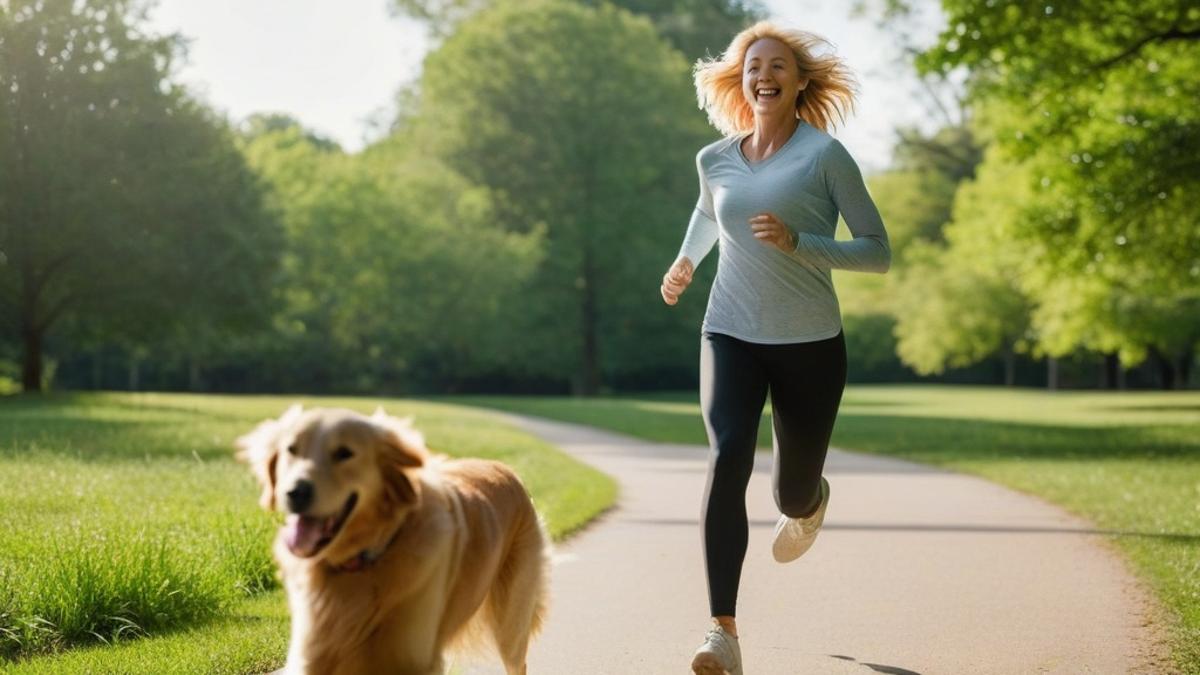
- Early mornings before the heat intensifies, ideal for brisk walks or jogs with dogs
- Midday micro-sessions of five to ten minutes, useful for apartment dwellers with limited outdoor access
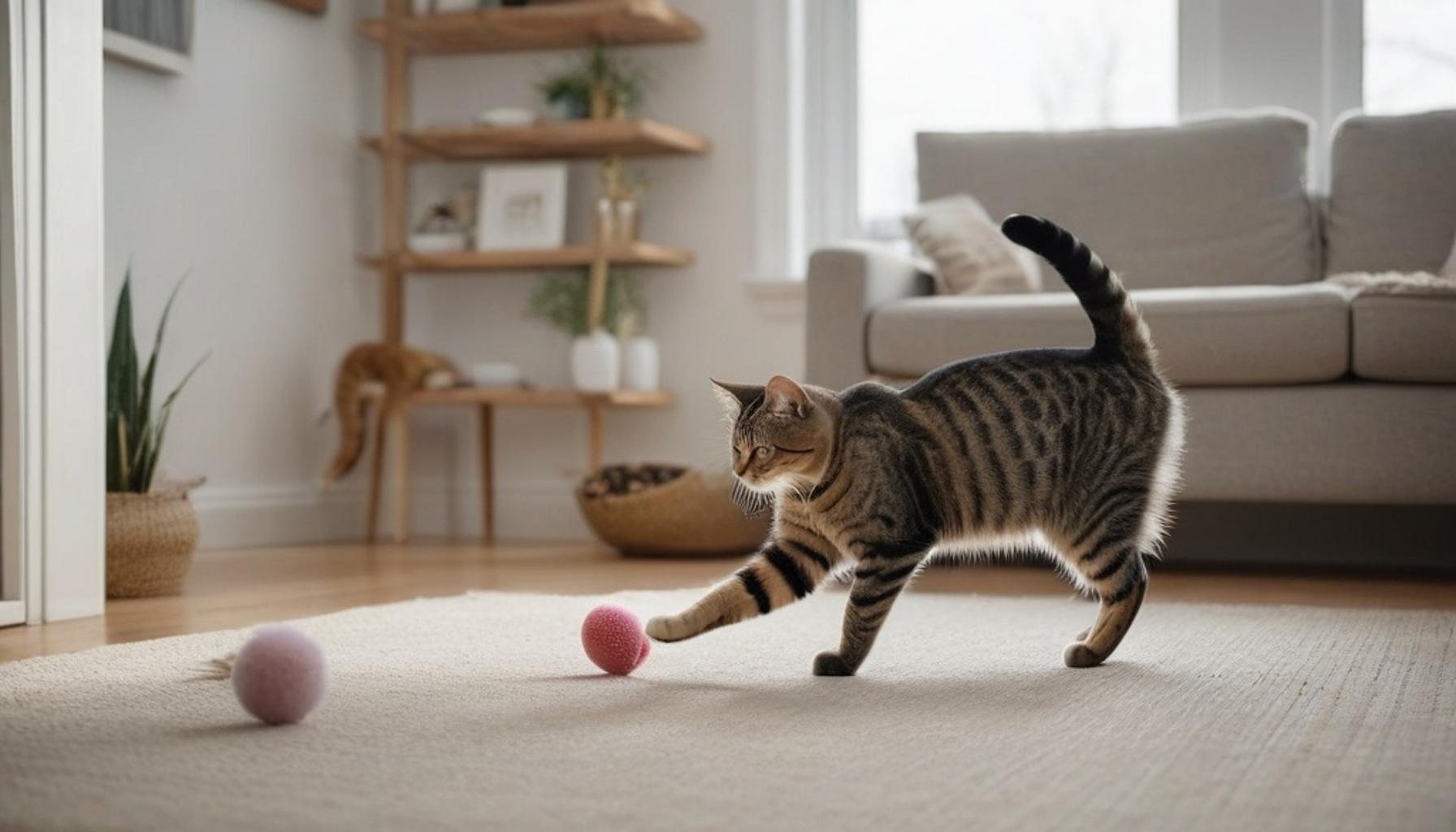
- Evening wind-down play using toys or laser pointers for cats, which mirrors their natural dusk hunting instincts
- Weekend outings to open compounds, parks, or quiet streets for longer walks or fetch sessions
This structure doesn’t demand rigid perfection. It simply anchors movement to existing daily habits, walking the dog while checking the generator, or engaging the cat with a feather toy while waiting for jollof rice to simmer on the stove.
Fun Activities That Double as Exercise
Exercise doesn’t have to feel like a chore for pets or their owners. Several fun activities for pets blend stimulation with physical output, making the process enjoyable rather than obligatory.
- Tug-of-war using durable rope toys builds strength for dogs while burning excess energy indoors
- Puzzle feeders encourage cats and dogs to work for their food, combining mental effort with movement
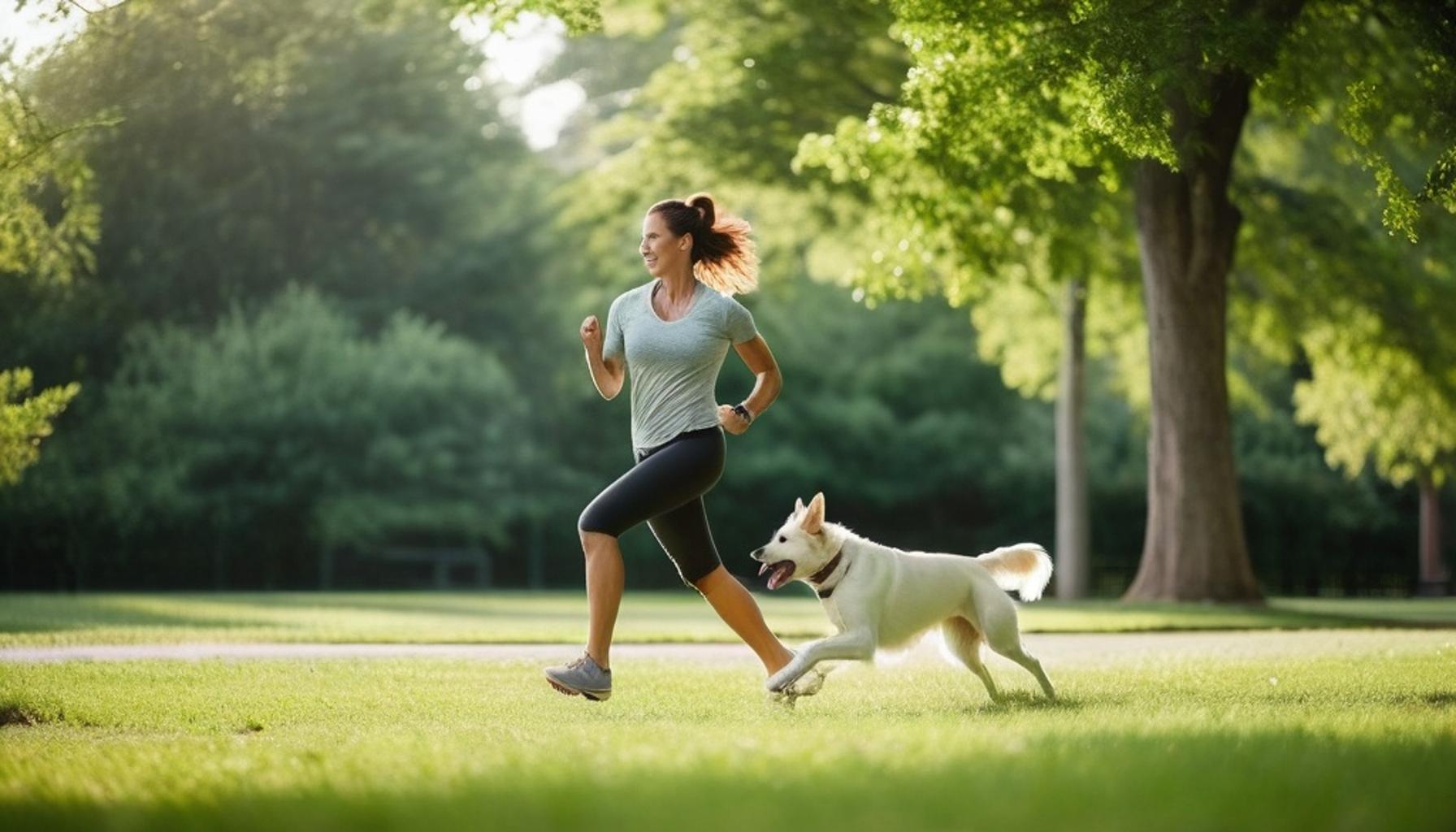
- Fetch games in open compounds remain one of the most efficient calorie-burning activities for energetic breeds
- Climbing shelves or cat trees satisfy a feline’s instinct to survey territory from above
Interestingly, a 2023 survey by the Nigerian Veterinary Medical Association hinted that pets engaged in interactive play sessions showed measurably lower stress markers compared to those left to exercise alone in confined spaces. This suggests that the quality of engagement matters just as much as duration.
Owners who succeed in making exercise sustainable typically treat it as non-negotiable, much like feeding time. Once movement becomes woven into daily rhythms rather than treated as an occasional bonus, both pets and their owners begin noticing the difference: shinier coats, better appetite regulation, and a noticeably calmer household atmosphere by nightfall.
YOU MAY ALSO LIKE: Benefits of Outdoor Activities for the Emotional Well-Being of Pets
Making Movement a Lasting Habit
Across every point raised, one truth stands out: learning how to Incorporate Exercise into Your Pet’s Routine is less about grand gestures and more about small, repeatable actions. A ten-minute walk before work, a puzzle feeder during lunch, or a feather toy at dusk, these micro-habits accumulate into meaningful health outcomes over weeks and months.
The benefits of pet exercise extend well beyond weight control. Regular movement supports joint health, sharpens cognitive function, and reduces destructive behaviors linked to boredom, issues many Nigerian pet owners quietly struggle with, especially in high-density housing where space feels limited.
What separates thriving pets from restless ones often isn’t access to expensive equipment or sprawling yards. It’s consistency. Households that succeed treat daily exercise for pets as part of the household’s rhythm, not an afterthought squeezed in when convenient.
For dog owners, this might mean pairing morning walks with existing routines like taking out the trash. For cat owners, it could mean five minutes of wand-toy play before dinner prep. Neither requires major lifestyle overhauls, just intentional repetition.
Looking ahead, pet owners might consider tracking their animal’s activity the way many now track their own fitness. Simple observations, energy levels, appetite, sleep quality, offer useful clues about whether current routines are sufficient or need adjusting.
Ultimately, the goal isn’t perfection but progress. A pet that moves a little more each day, engages in fun activities for pets that mimic natural instincts, and follows a predictable rhythm is far more likely to thrive than one left to occasional, unstructured bursts of activity.
As more Nigerian households welcome dogs and cats into daily life, treating exercise as essential rather than optional could well become the defining factor between pets that merely survive and those that genuinely flourish.
Frequently Asked Questions
How can I incorporate exercise into my pet’s routine if I live in a hot Nigerian climate?
Schedule walks or playtime early in the morning before 8am or in the evening after 5pm when temperatures are cooler. Avoid the midday sun between 12pm and 3pm to prevent heat stroke, especially for short-nosed breeds. Always carry water and take breaks in shaded areas during outdoor activity.
What are some affordable ways to incorporate exercise into my pet’s routine without buying expensive equipment?
You can use household items like empty plastic bottles or old tyres for agility games in your compound. Simple activities such as fetch with a tennis ball, tug-of-war with a rope, or brisk walks around your neighborhood cost nothing but time. Many Nigerian pet owners also use stairs in their homes for a quick cardio workout with their dogs.
How much daily exercise does my dog or cat need in Nigeria?
Most adult dogs need at least 30 to 60 minutes of exercise daily, split into two sessions to match Nigeria’s climate patterns. Cats generally require 15 to 20 minutes of active play, such as chasing a toy, since they are less dependent on outdoor walks. Puppies and senior pets need shorter, gentler sessions tailored to their energy levels.
Is it safe to let my pet exercise outside given stray animals and traffic in Nigerian cities?
It is safer to exercise your pet in a fenced compound, quiet estate, or designated pet-friendly park rather than busy streets. Always keep dogs on a leash when walking in open areas to avoid encounters with stray animals or motorcycles. If outdoor space is limited, indoor games like hide-and-seek or fetch in a hallway can also meet their exercise needs.
How do I incorporate exercise into my pet’s routine if I have a busy work schedule?
Break exercise into short 10 to 15 minute sessions before leaving for work and after returning home, which is enough for many pets. Consider hiring a trusted dog walker or neighbor to give a midday walk if you’re away for long hours. Interactive toys that dispense treats can also keep your pet active and mentally stimulated while you’re at work.

Linda Carter
Linda Carter is a writer and pet care expert specializing in pet health, grooming, and wellness. With extensive experience helping pet owners create safe, loving, and enriching environments for their animals, Linda shares her knowledge on our platform. Her goal is to empower readers with practical advice and strategies to ensure their pets thrive and lead joyful, healthy lives.