
Importance of Digital Security
In today’s digital age, protecting your personal information is more crucial than ever. With iPhones being a central hub for our daily lives, understanding how to safeguard your data can make a significant difference. As these devices store everything from sensitive emails to banking details, effective security measures are essential to prevent unauthorized access and potential fraud.
Built-in Security Features
Apple provides various built-in features designed to keep your information secure. Here are some key aspects to consider:
- Face ID and Touch ID: These biometric security features add an extra layer of protection. Face ID, using advanced facial recognition technology, requires you to look at your phone to unlock it, ensuring that only you have access. Touch ID, on the other hand, scans your fingerprint to grant access. Both methods are quicker than traditional passwords and significantly more difficult for an unauthorized user to replicate.
- Two-Factor Authentication: This method enhances your account security by requiring an additional verification step, such as a one-time code sent to your trusted device or phone number when logging into your Apple ID. This means that even if someone acquires your password, they would still need this second factor to gain access, thereby providing an added defense against identity theft.
- App Permissions: Regularly reviewing what permissions each app has can prevent unauthorized access to your data. For instance, many apps request access to your camera, microphone, or location. Taking the time to assess these permissions can help you control your personal data and limit exposure, as many apps may not require all the permissions they are asking for to function correctly.
Stay Informed and Vigilant
Furthermore, with new threats emerging constantly, it’s essential to stay informed. Cybersecurity experts recommend regularly updating your iPhone’s software to benefit from the latest security patches. Apple typically releases updates that address vulnerabilities and enhance overall security features. Ignoring these updates can leave your device susceptible to attacks.
By implementing these iPhone security tips, you can minimize the risk of data breaches and keep your personal information safe from prying eyes. Always be cautious about suspicious messages or emails, especially those asking for personal information. Phishing attacks are cleverly disguised, often looking like official communications, making vigilance paramount.
Ready to enhance your iPhone’s security? Delve into these useful tips and tricks that will empower you to control your digital footprint like never before. In a world where our devices are seamlessly intertwined with our daily routines, a proactive approach to iPhone security is not just wise; it’s necessary for safeguarding your digital life.
DISCOVER MORE: Click here to explore
Enhancing Your iPhone Security: Best Practices
While Apple’s built-in security features are robust, taking a step further to enhance your iPhone’s security can significantly decrease the risk of personal information breaches. Here are some practical tips and tricks that will help you stay one step ahead of potential threats:
- Keep Your iOS Updated: Regularly updating your iPhone’s operating system is one of the simplest ways to ensure your device benefits from the latest security enhancements. Apple frequently releases updates that include critical security patches that protect against newly discovered vulnerabilities. It’s advisable to enable automatic updates, so you don’t miss out on vital security upgrades.
- Use a Strong Passcode: Instead of the standard four-digit PIN, consider using a long alphanumeric password or a more complex six-digit passcode. This added complexity can make it significantly harder for unauthorized users to unlock your device. Remember, the longer the passcode, the more secure your device will be.
- Limit Lock Screen Access: Many iPhone users overlook the settings that allow access to various features while the phone is locked. By restricting access to options like notifications, Siri, or Wallet from the lock screen, you diminish the chances of someone accessing your data if your device is lost or stolen. Navigate to Settings > Face ID & Passcode (or Touch ID & Passcode) to tailor your lock screen access.
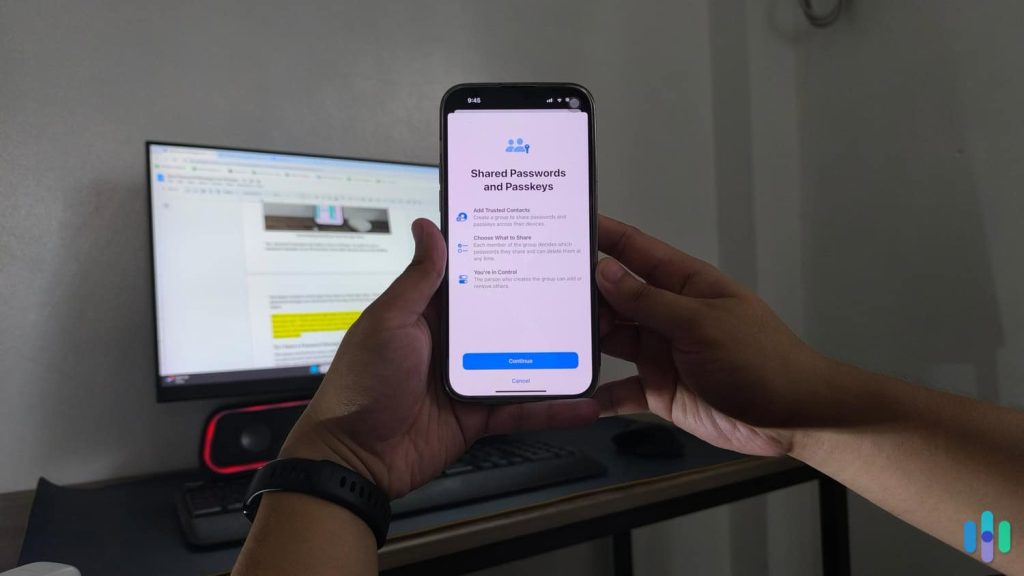
- Utilize iCloud Keychain: Storing passwords and credit card information in iCloud Keychain is a secure way to avoid password fatigue. This feature ensures your sensitive information is encrypted, significantly reducing the risk of hacking. Moreover, since they are stored in Apple’s ecosystem, your credentials can be auto-filled across your devices without needing to remember complex passwords.
- Be Cautious with Public Wi-Fi: When connected to public Wi-Fi networks, your personal information is vulnerable to interception by cybercriminals. To safeguard your data, consider using a Virtual Private Network (VPN) when accessing unsecured Wi-Fi. A VPN encrypts your internet connection, providing an extra layer of security when browsing the web, especially in public areas.
By implementing these proactive security measures on your iPhone, you significantly enhance the overall protection of your personal information. Additionally, being aware of how new technologies can impact your digital security is crucial. Each adjustment made empowers you to take control of your digital life and shield your data from malicious encounters.
With cyber threats growing more sophisticated, it’s essential to adopt a comprehensive approach to security. Maintaining vigilance, staying informed, and utilizing the latest features will ensure the information stored on your iPhone remains safeguarded against unwanted access. In the next sections, we will explore more advanced tips and the importance of secure app usage, guiding you in nurturing a healthier digital environment.
| Security Features | Tips for Enhanced Protection |
|---|---|
| Face ID & Touch ID | Utilize biometric authentication to safeguard your data and provide convenient access. |
| Two-Factor Authentication | Enable this layer of security for your Apple ID to prevent unauthorized access. |
| Find My iPhone | Activate this feature to locate your device in case of theft or loss, enhancing recovery chances. |
| App Permissions | Review and restrict app permissions to protect sensitive information from potential breaches. |
Exploring these security features can substantially improve the protection of your sensitive data. For instance, the biometric authentication methods available on iPhones, including Face ID and Touch ID, not only simplify the login process but also create a formidable barrier against unauthorized users. Moreover, activating two-factor authentication for your Apple ID serves as a robust safeguard against account hijacking, prompting a verification step that ensures only you can access your account.Additionally, leveraging the Find My iPhone feature is a game-changer in the event of losing your device. This tool allows you to pinpoint your phone’s location, remotely lock it, or even erase its data, providing peace of mind in potential theft situations. Reviewing the app permissions is equally essential; by managing what data apps can access, you effectively reduce the risk of your personal information falling into the wrong hands.By adopting these tips and features, you can significantly strengthen your iPhone’s defenses and maintain control over your personal information. Discover more tips on how to enhance your privacy within the settings and adjust configurations to bolster your data security.
EXPLORE MORE: Click here for further insights
Advanced iPhone Security Techniques
In addition to the essential security measures mentioned earlier, there are advanced techniques that iPhone users can adopt to further fortify their personal information. Awareness and proactive engagement with your device’s settings can go a long way in enhancing privacy. Here are some strategies to consider:
- Activate Two-Factor Authentication: Enabling two-factor authentication (2FA) for your Apple ID adds an extra layer of security. With 2FA, even if someone manages to obtain your password, they cannot access your account without also entering a code sent to your trusted device. To set this up, go to Settings > [your name] > Password & Security, and follow the prompts to enable 2FA.
- Review App Permissions: Regularly review which apps have access to your photos, location, contacts, and microphone. Go to Settings > Privacy to see which apps are requesting access to sensitive information. Turn off permissions for applications that do not need them for their functionality. This practice can minimize the chances of unauthorized data access, as many apps request access beyond what they actually require.
- Set Up Find My iPhone: If your device is lost or stolen, the Find My iPhone feature can help you locate it, lock it remotely, or wipe it clean. Make sure this function is enabled by going to Settings > [your name] > Find My > Find My iPhone. This feature not only aids in recovery but also helps protect your data from falling into the wrong hands.
- Utilize Secure Note Features: For highly confidential information, consider using the Notes app’s secure notes feature. This allows you to lock notes that contain sensitive information, providing an additional level of encryption. Simply create a new note, share any necessary information, then lock it by tapping the share icon and selecting ‘Lock Note’.
- Carefully Manage Location Services: Location tracking can enhance user experience with apps such as maps or ride-sharing services, but it also poses privacy risks. Go to Settings > Privacy > Location Services to toggle settings per app or globally. Opt for “While Using the App” instead of “Always” to minimize unnecessary location tracking.
- Disable Bluetooth and Wi-Fi When Not In Use: Leaving Bluetooth and Wi-Fi on when not in use can expose your device to potential threats. Cybercriminals can exploit such connections for unauthorized access. Turn off these features in Settings or access the Control Center to quickly disable them.
- Steer Clear of Phishing Scams: Cybercriminals often use phishing tactics to trick users into providing personal information. Be cautious of unsolicited messages or emails, particularly those that contain links or requests for sensitive information. Use Safari’s built-in security features to identify fraudulent websites, which alerts you when you’re about to enter a suspicious site.
Implementing these advanced security features ensures that your iPhone not only remains a handy tool for your daily life but also acts as a fortified fortress for your personal information. In an era where cyber privacy is increasingly under threat, staying informed and utilizing these tips will empower you to protect your data. By maximizing the security functionalities available on your iPhone, you’re safeguarding your digital footprint and nurturing safer online habits.
DISCOVER MORE: Click here to learn more
Understanding the Importance of iPhone Security
In an age where convenience often trumps caution, the need for vigilant security practices on your iPhone is paramount. The delicate balance between accessibility and safety requires users to be proactive in managing their personal information. To this end, the implementation of effective security measures cannot be overstated, as it serves as your first line of defense against potential breaches.
Enabling Two-Factor Authentication (2FA) is one of the most effective strategies to secure your Apple ID. This additional layer of security requires not only your password but also a verification code sent to another device. For instance, if someone were to obtain your password, they would still be unable to access your account without this secondary authentication. This method is particularly crucial in protecting sensitive data, especially financial and personal correspondence.
Staying Vigilant Against Vulnerabilities
The complexity of app permissions also merits attention. Regularly reviewing which applications have access to your location, camera, and contacts can help prevent unauthorized data collection. For example, a seemingly harmless game app might request location access, potentially tracking your whereabouts. By being selective about granting permissions, you maintain better control over your personal information.
Utilizing features such as Find My iPhone not only aids in recovering a lost device but also allows you to remotely wipe your personal data if the device falls into the wrong hands. This functionality is a powerful tool in your security arsenal, safeguarding your information against theft.
The Broader Picture
Moreover, actively managing location services, consistently disabling Bluetooth and Wi-Fi when not in use, and being cautious of phishing scams are crucial components in minimizing potential vulnerabilities. Phishing scams, which may masquerade as legitimate emails or messages, are designed to elicit sensitive information. By being skeptical of unsolicited requests for personal details, you can greatly reduce your risk of falling victim to such fraudulent tactics.
As cyber threats become increasingly sophisticated, continuous awareness and adaptation to new security trends are vital. Keeping your iPhone updated with the latest software and security patches not only enhances functionality but also mitigates exposure to emerging threats. By mastering useful iPhone tips and tricks, you can cultivate better online habits, ultimately resulting in a safer digital experience.
In conclusion, the responsibility of securing your iPhone and protecting your personal information lies squarely upon your shoulders. By committing to these proactive measures, you not only enhance your digital security but also empower yourself to navigate an increasingly complex online world with confidence.
Related posts:
Unlocking Privacy: Useful Tips and Tricks for Securing Your iPhone Apps
Security Best Practices: How to Use AI Writing Tools Safely in 2026
Useful iPhone Tips and Tricks to Protect Your Privacy While Studying
Improving the Security of Your Devices: Android Apps and Useful Tips for iPhone in 2026
Enhancing Security: Best Android Apps for 2026 That Keep Your Data Safe
Top Security Features in the Best AI Writing Tools for 2026

Beatriz Johnson is a seasoned digital lifestyle strategist and green tech writer with a passion for demystifying sustainable technology and eco-conscious living. With over a decade of experience at the intersection of innovation and sustainability, she specializes in topics like smart home solutions, renewable tech applications, and global trends in green digitalization. Through her work on our platform, Beatriz empowers readers to make informed choices about adopting planet-friendly technologies while optimizing their digital lives for both efficiency and environmental impact.