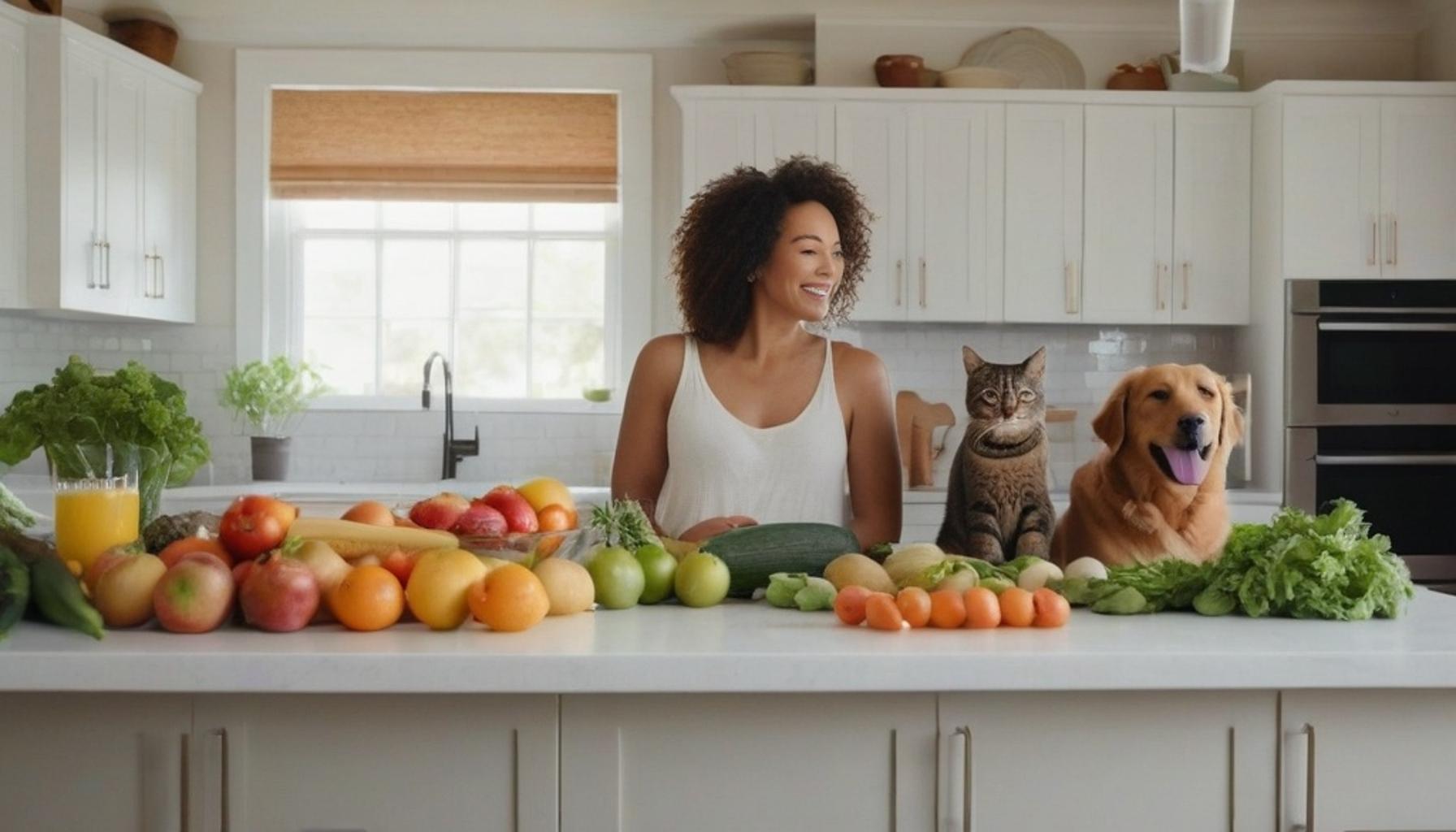
The Benefits of Natural and Organic Food for Pet Health

Why What Your Pet Eats Matters More Than Ever
Across Lagos, Abuja, and beyond, more Nigerian pet owners are asking a simple but important question: is my dog or cat’s food actually good for them? The answer often lies in understanding Natural and Organic Food for Pet Health and how it differs from conventional commercial options.
Pets today face a growing number of health issues, from obesity to allergies, many linked directly to what fills their food bowls. Nigeria’s pet food market is evolving, and awareness about healthy food for dogs and cats is finally catching up with global trends. Veterinary clinics in cities like Ibadan and Port Harcourt report a noticeable rise in consultations related to diet-induced conditions, suggesting that what seems like a minor feeding choice can carry long-term consequences.
The Hidden Cost of Processed Pet Food
Many commercial pet foods contain fillers, artificial preservatives, and low-quality proteins that offer little nutritional value. Over time, this can contribute to serious health problems. Ingredients such as corn syrup, meat by-products, and chemical dyes are often added purely to extend shelf life or improve appearance, not to nourish the animal consuming them.
- Increased risk of obesity and diabetes
- Skin irritations and food allergies
- Digestive issues and poor coat condition
- Weakened immune response
Some pet owners in Lagos have noticed their dogs developing recurring skin flare-ups or lethargy, only to discover after switching diets that the previous food was the underlying culprit. These stories are becoming increasingly common as more people pay closer attention to ingredient labels.
What Makes Organic and Natural Options Different
The impact of diet on pet health cannot be overstated. Choosing whole, minimally processed ingredients can transform your pet’s energy levels, digestion, and overall vitality. Nutritionists who study animal diets often compare this shift to the same logic humans apply when choosing fresh produce over heavily processed snacks.
This growing shift toward better nutrition includes:
- Real meat and vegetable-based recipes
- Free-range or grass-fed protein sources
- Organic treats for pets free from artificial additives
- Grain-free formulas for sensitive stomachs
Local pet stores in major Nigerian cities are beginning to stock these alternatives, though prices remain higher than standard options, raising an important conversation about accessibility and long-term savings on veterinary bills.
Understanding the benefits of organic pet food and embracing natural pet nutrition advantages could be the key to a longer, healthier life for your furry companion. As more Nigerian households welcome dogs and cats into their families, the question of what goes into their bowls deserves the same scrutiny we give our own meals. Let’s explore what science and real pet owners are discovering, and what this could mean for the future of pet care nationwide.
LEARN MORE: Feeding Strategies to Maintain the Ideal Weight of Pets
Breaking Down the Nutritional Science Behind Natural Diets
To truly grasp the benefits of organic pet food, it helps to understand what happens inside your pet’s body when quality ingredients replace processed fillers. Veterinary nutritionists point out that dogs and cats process whole proteins and natural fats far more efficiently than synthetic additives or grain-heavy blends designed mainly to reduce production costs.
A cat’s digestive system, for instance, is biologically wired for meat-based nutrition. When manufacturers substitute real chicken or fish with vague “meat meal” or corn-based fillers, the animal’s body struggles to extract adequate nutrients. This inefficiency often shows up as excessive hunger, weight gain, or dull, flaky skin, symptoms many Nigerian pet owners have quietly normalized without realizing the root cause.
Dogs, while more omnivorous than cats, still rely heavily on animal-based proteins to maintain lean muscle mass and steady energy levels. In many Nigerian households where dogs serve dual roles as companions and property guardians, sustained stamina matters. A dog fed primarily on cheap, carbohydrate-heavy kibble may appear satisfied after meals, yet still show signs of fatigue during the very tasks it is expected to perform, such as night patrols around compounds in cities like Lagos, Ibadan, or Port Harcourt.
Measurable Improvements Owners Are Reporting
Across Nigeria, informal surveys among veterinary clinics and pet forums reveal a consistent pattern after pet owners switch to healthy food for dogs and cats made from whole ingredients. While results vary by breed, age, and existing health conditions, several improvements appear repeatedly:
- Firmer stools and reduced bloating within two to three weeks
- Shinier coats and reduced shedding
- Higher energy levels during walks and playtime
- Fewer instances of ear infections and itchy skin
- Better weight management without calorie restriction
These outcomes align with broader international research on the impact of diet on pet health, where studies consistently link nutrient-dense diets to lower veterinary intervention rates over a pet’s lifetime. Some Nigerian veterinarians have begun documenting similar patterns locally, noting that clients who transition their pets to whole-ingredient diets return with fewer complaints about digestive upset or persistent skin conditions, particularly during the harsher dry season months when dust and heat already stress an animal’s system.
Interestingly, several pet owners in urban centers have started comparing notes online, swapping feeding schedules and brand experiences much like parents discuss infant formula. This growing community-driven knowledge base is slowly filling a gap left by limited formal guidance on pet nutrition within the country.
Understanding Ingredient Labels Like a Professional
One challenge Nigerian consumers face is limited regulation around pet food labeling compared to markets like the United States or United Kingdom. This makes it essential to read ingredient lists critically rather than trusting marketing claims printed on packaging.
Experts recommend prioritizing products that list a named animal protein, such as chicken, beef, or fish, as the first ingredient rather than generic terms like “animal derivatives.” Products boasting natural pet nutrition advantages should also avoid artificial colorants, since dogs and cats have no biological need for visually appealing kibble; the coloring exists solely to attract human buyers.
Even organic treats for pets deserve scrutiny. Many treats marketed as healthy still contain excessive sodium or sugar, ingredients that offer no nutritional benefit and can worsen conditions like kidney strain in older cats or dogs. Reading beyond the front label often reveals a very different nutritional story than what the packaging suggests.
For Nigerian pet owners navigating imported and locally produced options alike, developing this label-reading habit may prove more valuable than relying on price or packaging alone. As awareness grows, more consumers are beginning to ask harder questions before purchase, a shift that could gradually push local suppliers toward greater transparency and, ultimately, healthier outcomes for the nation’s growing population of household pets.

LEARN MORE: The Importance of Balanced Nutrition for Pet Health
The Economics and Long-Term Health Trade-Offs Nigerian Pet Owners Should Consider
Cost remains the biggest objection Nigerian pet owners raise when discussing Natural and Organic Food for Pet Health. A bag of premium organic kibble can cost two or three times more than mass-market alternatives sold in local pet shops or open markets in areas like Yaba or Onitsha. Yet framing this purely as an expense rather than an investment misses a crucial part of the picture.
Veterinary bills tell a different story over time. Pets fed on low-quality, filler-heavy diets tend to develop chronic conditions such as obesity, diabetes, and recurring digestive disorders far earlier than pets raised on nutrient-dense meals. Treating these conditions often requires ongoing medication, specialized diets, or repeated clinic visits, expenses that quietly accumulate and frequently surpass what owners would have spent on quality food from the start.
Some Lagos-based veterinary clinics have reported an increase in cases involving overweight dogs and cats under the age of five, a trend rarely discussed openly but increasingly visible in consultation rooms. This shift reflects a wider pattern already documented internationally regarding the impact of diet on pet health and its role in shortening or extending an animal’s active, symptom-free years.
Local Sourcing and the Rise of Homemade Alternatives
Not every Nigerian household can rely on imported organic brands, particularly given fluctuating exchange rates and inconsistent supply chains. This reality has pushed some pet owners toward homemade meals using locally sourced proteins such as fresh fish, chicken parts, or goat meat trimmings from neighborhood markets.
When prepared correctly, with attention to portion size and avoidance of harmful ingredients like onions, excessive salt, or seasoning cubes common in Nigerian kitchens, homemade meals can offer some of the same natural pet nutrition advantages found in commercial organic products. However, this approach demands consistency and basic nutritional knowledge to avoid deficiencies, particularly in calcium and essential fatty acids.
Some pet owners strike a balance by combining homemade meals with occasional organic treats for pets purchased from specialty stores in cities like Abuja, using treats as a supplement rather than the core diet. This hybrid approach has grown popular among budget-conscious households seeking measurable results without committing entirely to imported products.
What Age and Breed Reveal About Dietary Needs
Nutritional requirements shift significantly across a pet’s lifespan, something often overlooked when selecting healthy food for dogs and cats. Puppies and kittens require higher protein concentrations to support rapid growth, while senior pets benefit more from controlled fat content and joint-supporting nutrients like glucosamine.
Breed also plays a role. Larger dog breeds common in Nigerian compounds, such as Boerboels or German Shepherds, face higher risks of joint strain, making diet quality a preventive tool rather than a reactive fix. Smaller breeds and indoor cats, meanwhile, often struggle more with weight gain due to lower activity levels, making calorie-dense fillers particularly counterproductive for their long-term wellbeing.
LEARN MORE: The Importance of Balanced Nutrition in Pet Health
Rethinking What Goes Into the Bowl
The evidence gathered across this discussion points to a simple conclusion: what fills a pet’s bowl in Lagos, Kano, or Port Harcourt shapes far more than a single meal. It shapes years. The benefits of organic pet food extend beyond marketing claims printed on imported packaging, they show up in fewer clinic visits, steadier energy levels, and pets that stay active well into their senior years.
Nigerian pet owners face a genuine balancing act. Imported organic brands remain costly and sometimes inconsistent in supply, while local markets offer fresh, affordable proteins that require only a bit of knowledge to use safely. Neither path guarantees perfection, but both can move a household closer to Natural and Organic Food for Pet Health when applied with consistency rather than convenience.
Three considerations stand out for anyone reassessing their pet’s diet:
- Prioritize whole proteins and minimal fillers over flashy packaging or price alone.
- Adjust meals according to age, breed, and activity level rather than following a one-size-fits-all formula.
- Treat organic treats for pets as occasional supplements, not dietary substitutes.
The impact of diet on pet health rarely announces itself overnight. It builds quietly, through years of steady weight, resilient joints, and fewer emergency vet trips that catch owners off guard financially. Choosing healthy food for dogs and cats today is less about trend-following and more about recognizing that nutrition is preventive medicine in disguise.
For Nigerian households weighing imported organic bags against locally sourced meals, the real takeaway isn’t which option wins outright, it’s that intentional feeding, whatever form it takes, consistently outperforms convenience-driven habits. That shift in thinking may prove more valuable than any single product on the shelf.
Frequently Asked Questions
Where can I buy natural and organic pet food in Nigeria, and is it worth the extra cost?
Natural and organic pet food is increasingly available in Lagos, Abuja, and Port Harcourt through specialty pet stores, veterinary clinics, and online platforms like Jumia or dedicated pet supply websites. Although it may cost more than regular commercial feed, the benefits for pet health, such as better digestion, shinier coats, and fewer allergies, often justify the investment. You can also reduce costs by preparing homemade natural meals using locally sourced meat, vegetables, and grains.
Can natural and organic food help my dog or cat with skin allergies common in Nigeria’s climate?
Yes, natural and organic food for pet health is particularly beneficial for pets suffering from skin irritations caused by Nigeria’s hot and humid climate. These foods avoid artificial preservatives, colorants, and fillers that can trigger allergic reactions or worsen itching. Switching to organic proteins and omega-rich ingredients like fish oil can significantly improve skin and coat condition within a few weeks.
How do I know if a pet food brand sold in Nigeria is genuinely organic and not just labeled as such?
Look for certifications from recognized bodies like USDA Organic or EU Organic on the packaging, as these indicate the ingredients meet strict organic farming standards. Since Nigeria doesn’t yet have a local organic pet food certification system, it’s important to research the brand’s sourcing practices and read ingredient lists carefully for artificial additives. Consulting with a local veterinarian familiar with imported pet food brands can also help verify authenticity.
Is it safe to transition my Nigerian street dog (aka ‘local dog’) to natural and organic food suddenly?
It’s not advisable to switch abruptly, even for resilient local breeds, as sudden dietary changes can cause digestive upset like diarrhea or vomiting. A gradual transition over 7 to 10 days, mixing increasing amounts of natural and organic food with the current diet, allows your dog’s stomach to adjust smoothly. This approach helps you fully enjoy the benefits of natural and organic food for pet health without causing gastrointestinal stress.

Linda Carter
Linda Carter is a writer and pet care expert specializing in pet health, grooming, and wellness. With extensive experience helping pet owners create safe, loving, and enriching environments for their animals, Linda shares her knowledge on our platform. Her goal is to empower readers with practical advice and strategies to ensure their pets thrive and lead joyful, healthy lives.