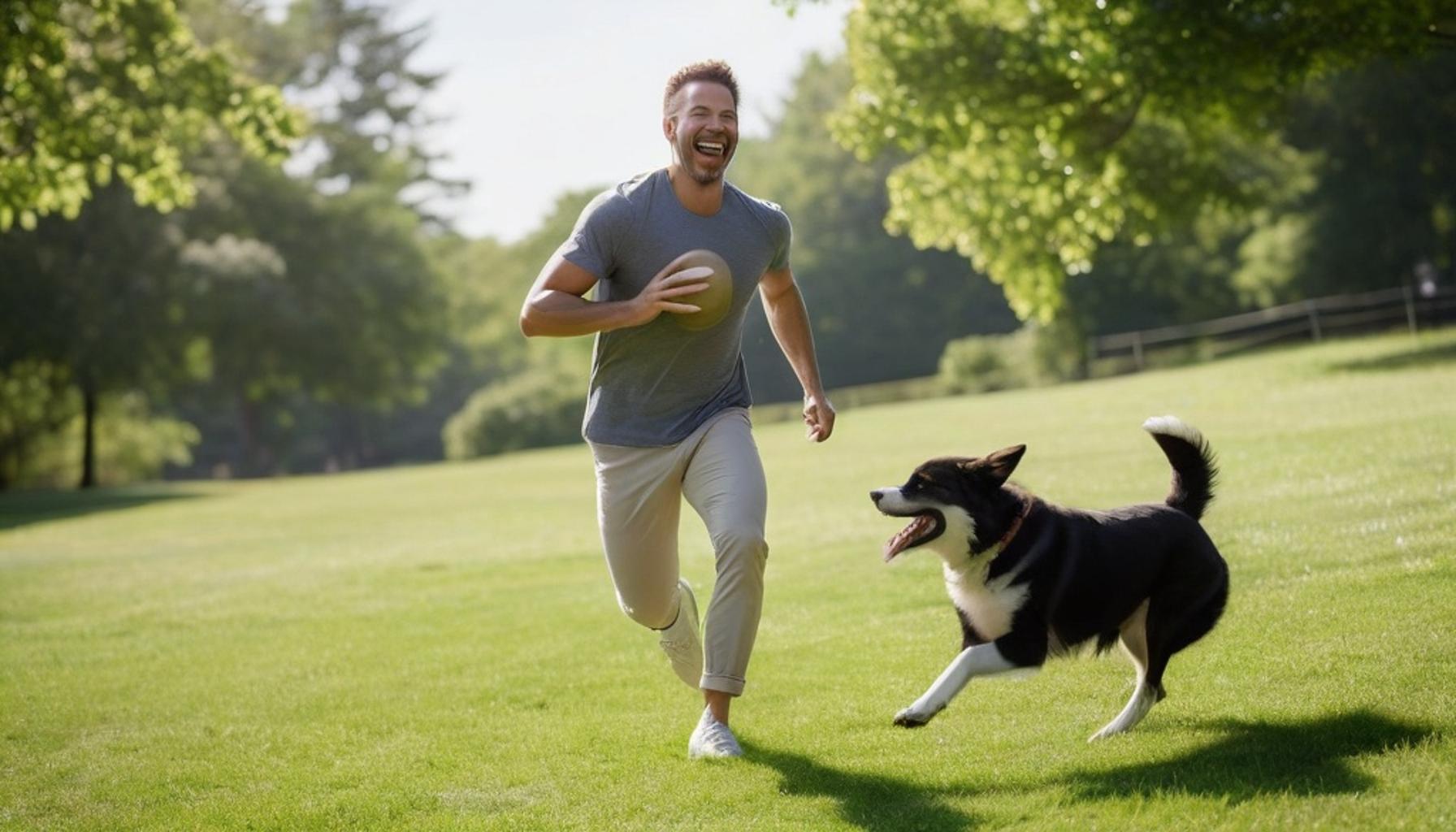
The Importance of an Exercise Routine for Pets’ Mental Health

Why Your Pet’s Daily Walk Matters More Than You Think
Picture this: a dog pacing endlessly by the door in a Lagos apartment, or a cat scratching furniture out of sheer boredom. These aren’t just “bad habits” — they’re often signs of unmet physical and psychological needs. In many cases, owners misread these behaviors as stubbornness or disobedience, when in reality, the animal is silently communicating distress.
Across Nigeria, pet ownership is growing steadily, especially in cities like Abuja, Port Harcourt, and Ibadan. Yet many pet owners focus only on feeding and vet visits, overlooking a critical piece of the puzzle: an exercise routine for pets’ mental health. This gap in care often goes unnoticed until behavioral problems become too obvious to ignore.
The Hidden Link Between Movement and Mood
Veterinary behaviorists have long noted that physical activity isn’t just about keeping animals fit. It directly influences brain chemistry, reducing stress hormones like cortisol while boosting serotonin and dopamine levels. This chemical shift can mean the difference between a calm, content pet and one that constantly whines, barks, or hides.
Understanding how exercise helps pets can transform the way you care for your furry companion. Consider these benefits:
- Reduced anxiety and destructive behavior in dogs left alone for long hours, particularly common among working-class families in cities like Lagos
- Improved sleep patterns for both cats and dogs, leading to fewer nighttime disturbances
- Lower risk of depression-like symptoms in indoor pets, especially those confined to small compounds or flats
- Stronger bond between pets and their owners through shared activity, which also improves trust and obedience
Interestingly, some Nigerian veterinarians report a noticeable rise in dogs displaying repetitive behaviors — such as excessive licking or tail-chasing — a pattern often linked to insufficient mental stimulation rather than physical illness.
A Growing Concern in Nigerian Households
With urban living spaces shrinking and busy work schedules becoming the norm, many pets in Nigeria spend most of their day indoors. This sedentary lifestyle can silently damage the mental health of dogs and cats, even when their physical health seems fine. Estate compounds in cities like Port Harcourt, once ideal for free roaming, are now often too small or unsafe for pets to explore freely.
This article explores practical pet fitness tips and breaks down exactly how to build an effective exercise routine for dogs and cats alike — tailored for the realities of pet care in Nigeria, where climate, housing, and lifestyle all play a role in shaping what “enough exercise” truly looks like.
RECOMMENDED: Recreational Activities for Pets: Creating a Fun Exercise Routine
The Neurological Reward System That Keeps Tails Wagging
Have you ever wondered why your dog suddenly becomes hyperactive after being cooped up all day? Or why your cat seems to “attack” curtains and cushions for no apparent reason? These aren’t random acts of madness. They’re biological signals rooted in neuroscience, and understanding them is the first step toward better pet care in Nigeria.
When animals move — running, jumping, chasing, or even sniffing around a new environment — their brains release a cocktail of feel-good chemicals. This process is central to the benefits of pet exercise, and it explains why a simple walk can do more for your pet’s mood than any toy or treat ever could. Scientists studying animal behavior have found that these neurological responses are remarkably similar across species, suggesting that the need for movement is hardwired into the evolutionary blueprint of most domesticated animals.
What Happens Inside a Pet’s Brain During Exercise
Studies in veterinary neuroscience reveal that physical activity triggers the same reward pathways in animals as it does in humans. This means your dog isn’t just “having fun” during playtime — it’s undergoing a genuine mood-regulating process. Researchers have documented measurable changes in brain chemistry within minutes of sustained physical activity, proving that exercise is far more than a way to burn calories.
Here’s what typically occurs when pets get adequate movement:
- Dopamine release increases, creating feelings of satisfaction and reducing compulsive behaviors like chewing or digging
- Cortisol levels drop, easing anxiety, especially in pets that experience separation stress during long work hours
- Serotonin production rises, contributing to better emotional stability and fewer aggressive outbursts
- Cognitive stimulation improves as pets navigate new sights, sounds, and smells, sharpening their problem-solving instincts
This is precisely how exercise helps pets maintain psychological balance, not just physical fitness. A tired body, contrary to popular belief, often leads to a calmer, more settled mind. Interestingly, this principle applies just as strongly to cats, whose short bursts of intense play mimic natural hunting sequences that satisfy deep instinctual drives, even indoors.
Why Nigerian Pets Face Unique Challenges
Unlike pets in more temperate climates, animals in Nigeria contend with intense heat, unpredictable rainy seasons, and increasingly compact living spaces. In cities like Lagos, where traffic and security concerns limit outdoor movement, many dogs rarely leave their compounds. This restriction, though often unavoidable, can quietly chip away at an animal’s psychological wellbeing over time.
This creates a troubling paradox: pets that are well-fed and medically healthy but mentally deteriorating from lack of stimulation. Veterinary clinics in Abuja have reported increasing cases of dogs displaying obsessive behaviors, often misdiagnosed by owners as “aggression” rather than a symptom of understimulation. Some clinics now recommend structured enrichment routines, including puzzle feeders and short indoor training sessions, as practical alternatives when outdoor exercise is limited.
The mental health of dogs and cats in these environments depends heavily on how creatively owners adapt their exercise routines. Without deliberate effort, even a spacious compound can become a psychological cage rather than a playground for discovery. As more Nigerian pet owners become aware of this science, the conversation around animal wellbeing is beginning to shift from mere survival to genuine thriving.

Key Aspects of an Exercise Routine for Pets’ Mental Health
Understanding how physical activity shapes the mental health of dogs and cats requires looking beyond simple walks. The table below breaks down the core elements that make an exercise routine for pets’ mental health truly effective, offering pet care in Nigeria owners a quick reference to the benefits of pet exercise.
| Category | Impact on Pet Wellbeing |
|---|---|
| Daily Walks | Reduces anxiety and curbs destructive behavior in dogs |
| Interactive Play | Sharpens problem-solving skills and prevents boredom-induced stress |
| Structured Routine | Builds emotional stability through predictability |
| Mental Stimulation | Lowers risk of depression in indoor cats |
| Fitness Tips | Combines cardio and enrichment for lasting psychological balance |
These pet fitness tips highlight how exercise helps pets thrive emotionally, not just physically, setting the stage for deeper exploration of each factor.
LEARN MORE: Daily Exercises: How to Keep Your Pet Active and Healthy
Designing an Exercise Routine That Actually Works for Your Pet
Knowing that movement affects brain chemistry is one thing. Translating that knowledge into a practical, sustainable exercise routine for pets’ mental health is where most Nigerian pet owners struggle. The good news is that effective routines don’t require expensive equipment or sprawling estates — they require consistency and a little creativity.
Veterinary behaviorists generally agree that the type, duration, and intensity of activity should match a pet’s breed, age, and energy level. A Caucasian Shepherd guarding a compound in Kaduna has vastly different needs from a Shih Tzu living in a Lekki apartment, yet both require deliberate stimulation to stay psychologically sound.
Breed and Age Considerations Nigerian Owners Often Overlook
Many local pet owners assume that guard dogs, because they patrol compounds at night, are automatically getting enough exercise. This assumption is misleading. Patrolling is repetitive and low in cognitive variety, which does little to satisfy the mental stimulation component of true fitness.
Here are practical pet fitness tips tailored to common Nigerian pet-owning scenarios:
- Working and guard breeds (Boerboels, German Shepherds) benefit from structured obedience drills combined with free-running sessions at least three times weekly
- Small and toy breeds often thrive with short, frequent indoor play sessions rather than long walks, especially during Nigeria’s hottest afternoon hours
- Senior pets require gentler activities like slow-paced walks or light interactive play to preserve joint health while still engaging the brain
- Indoor cats respond well to vertical spaces, climbing shelves, and feather wands that simulate hunting behavior
An exercise routine for dogs should ideally combine physical exertion with problem-solving tasks. Hiding treats around the compound, introducing scent trails, or rotating toys weekly can reignite curiosity in pets that seem bored or withdrawn.
Recognizing the Warning Signs Before They Escalate
Pet owners in Port Harcourt and Ibadan have increasingly reported behavioral changes that, on closer inspection, trace back to insufficient mental engagement rather than illness. Recognizing these signs early can prevent long-term psychological damage.
Watch for these indicators that a pet’s routine needs urgent adjustment:
- Excessive barking or vocalization without an obvious trigger
- Destructive chewing on furniture, shoes, or household items
- Lethargy that persists even when the pet appears physically healthy
- Repetitive behaviors such as tail-chasing or excessive grooming
Addressing these symptoms often starts with a simple question: has this animal had genuine physical and mental engagement this week? For many households, the honest answer reveals exactly why intervention matters, and why consistency, not intensity, is the real foundation of lasting behavioral improvement.
Final Thoughts: Movement as Medicine for the Mind
The evidence gathered from veterinary behaviorists and everyday Nigerian households points to one undeniable truth: an exercise routine for pets’ mental health is not a luxury reserved for pampered animals abroad. It is a fundamental component of responsible pet care in Nigeria, applicable to compound dogs in Enugu just as much as apartment cats in Abuja.
Throughout this discussion, one pattern emerges repeatedly. The benefits of pet exercise extend far beyond weight control or muscle tone. They touch the very core of how animals process stress, boredom, and isolation. Understanding how exercise helps pets reshapes the way owners view daily walks, play sessions, and even simple games of fetch in the backyard.
Equally important is recognizing that the mental health of dogs and cats cannot be separated from their physical wellbeing. A tired, understimulated pet is rarely a peaceful one — it is often an anxious, frustrated animal signaling distress through behavior that owners mistake for stubbornness or bad temperament.
Moving forward, Nigerian pet owners might consider a few final reflections:
- Small, consistent daily efforts outperform occasional bursts of intense activity
- Environmental enrichment matters as much as physical exertion, especially for indoor pets
- Observing behavioral changes early can prevent costly veterinary interventions later
- Local climate and lifestyle should shape, not limit, creative exercise solutions
Ultimately, building a sustainable routine requires patience rather than perfection. As more households across Lagos, Abuja, and beyond begin prioritizing structured play and mental stimulation, a broader cultural shift becomes possible — one where pets are seen not merely as property to be fed and guarded, but as sentient companions deserving of psychological care. That shift, however gradual, may prove to be the most meaningful outcome of all.
Frequently Asked Questions
How does a regular exercise routine improve my pet’s mental health in Nigeria’s hot climate?
A consistent exercise routine helps release pent-up energy and reduces anxiety, boredom, and destructive behavior in pets, even in Nigeria’s warm weather. Early morning or evening walks, when temperatures are cooler, are ideal for keeping your dog or cat both physically fit and mentally stimulated. Regular activity also boosts serotonin levels, helping your pet feel calmer and happier throughout the day.
What are affordable ways to keep my dog mentally active if I live in a small apartment in Lagos or Abuja?
You don’t need a large compound to keep your pet’s mind engaged; simple activities like hide-and-seek with treats, puzzle toys, or short indoor fetch games work well in small spaces. Taking your dog for brisk walks around your estate or using stairs for exercise are also budget-friendly options. Even 20-30 minutes of focused play daily can significantly improve your pet’s mental wellbeing.
Can lack of exercise cause behavioral problems in pets kept indoors in Nigerian homes?
Yes, pets that don’t get enough physical activity often develop behavioral issues like excessive barking, chewing on furniture, or aggression due to built-up stress and frustration. This is common in Nigerian homes where pets are kept indoors for security reasons without adequate outdoor exercise. Establishing a daily exercise routine, even within a compound or balcony space, can prevent these mental health-related behaviors.
How many minutes of exercise does my pet need daily to support their mental health?
Most dogs benefit from at least 30 minutes to an hour of exercise daily, split into two sessions, depending on their breed and age. Cats need shorter but frequent play sessions, around 15-20 minutes twice a day, using toys that mimic hunting behavior. Consulting a veterinarian in your area can help you customize an exercise routine for pets’ mental health based on your specific pet’s needs.
Are there specific signs that show my pet is suffering from stress due to insufficient exercise?
Common signs include excessive licking, pacing, restlessness, loss of appetite, or sudden aggression, which often indicate your pet isn’t getting enough physical and mental stimulation. Nigerian pet owners should watch for these signs, especially in dogs left alone for long hours without walks or playtime. Introducing a structured exercise routine can help reduce these stress symptoms and improve your pet’s overall mood and behavior.

Linda Carter
Linda Carter is a writer and pet care expert specializing in pet health, grooming, and wellness. With extensive experience helping pet owners create safe, loving, and enriching environments for their animals, Linda shares her knowledge on our platform. Her goal is to empower readers with practical advice and strategies to ensure their pets thrive and lead joyful, healthy lives.