
The Importance of Health Monitoring in Pets: Prevention and Early Detection of Diseases
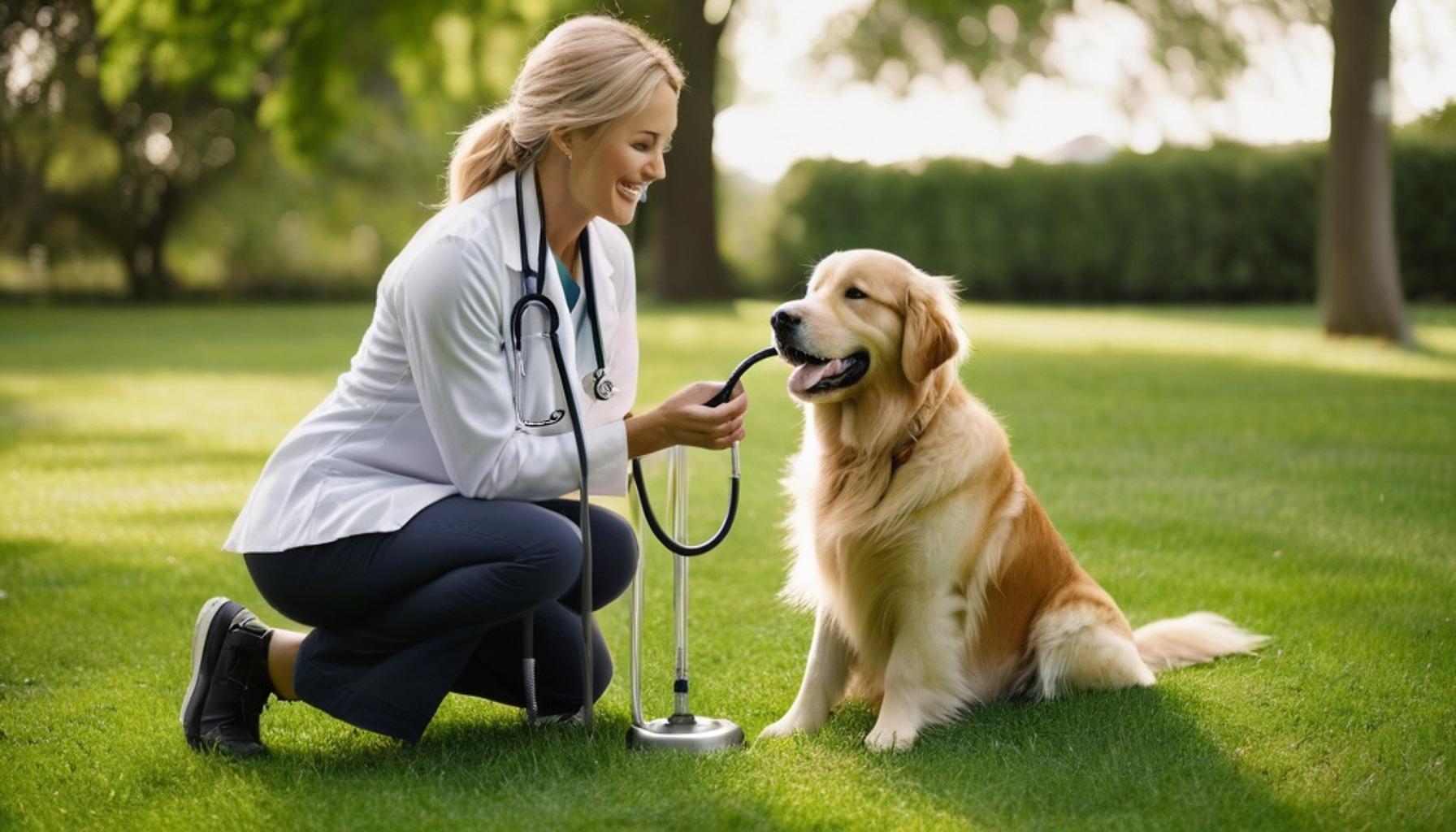
Why Every Nigerian Pet Owner Should Pay Attention to Their Animal’s Health
From the bustling streets of Lagos to the quiet neighborhoods of Abuja, more Nigerian households are welcoming dogs, cats, and other companion animals into their families. Yet, many pet owners only visit a veterinarian when their animal is visibly sick. This reactive approach often means missing critical warning signs that could have been caught earlier.
Health Monitoring in Pets is no longer a luxury reserved for wealthy nations—it’s a necessity that can save lives and reduce costly emergency treatments.
What This Article Will Uncover
Diseases in animals often develop silently, showing no obvious symptoms until they’ve progressed significantly. Regular observation and simple checkups can dramatically change outcomes for common conditions affecting Nigerian pets.
- How to prevent pet diseases through simple daily observations
- The role of early detection of pet illnesses in reducing veterinary costs
- Practical pet health checkups that every owner can perform at home
- Why regular vet visits for pets matter, even when animals appear healthy
Consider this: a tick-borne illness like babesiosis, common among dogs in tropical climates, can be fatal if untreated but highly manageable when caught early. This is precisely why understanding the importance of monitoring pets matters—it’s the difference between a simple treatment and a medical emergency.
This article explores practical, affordable strategies Nigerian pet owners can adopt today to keep their furry companions healthier, happier, and by their side for years to come.
The Hidden Cost of Ignoring Early Symptoms
Across many Nigerian communities, veterinary care is still viewed as an emergency service rather than a preventive one. This mindset, though understandable given financial constraints, often leads to higher costs in the long run. A dog that develops untreated skin infections from flea allergies, for instance, may eventually require expensive medication, hospitalization, or even surgery—expenses that could have been avoided with a simple visit to a local clinic at the first sign of scratching or hair loss.
Nigeria’s tropical climate creates a breeding ground for parasites such as ticks, fleas, and mosquitoes, which transmit dangerous diseases like babesiosis, ehrlichiosis, and heartworm. These conditions often present with vague symptoms—lethargy, mild fever, or reduced appetite—that pet owners might dismiss as temporary discomfort. Without regular veterinary attention, these illnesses can progress to organ damage or death within days.
Simple Steps Toward Better Pet Health
Fortunately, protecting a pet’s health doesn’t always require expensive interventions. Pet health checkups can begin at home through consistent observation. Owners should watch for changes in appetite, energy levels, coat condition, and bathroom habits. A sudden loss of interest in food or unusual lethargy in an otherwise playful dog could signal an underlying issue worth investigating.
Weighing pets regularly, checking their gums for pale or yellowish coloring, and inspecting their skin for ticks or rashes are all practical habits that cost nothing but attention. These small routines, done weekly, can help pet owners in cities like Port Harcourt, Ibadan, and Kano catch problems long before they become emergencies.
Building a Culture of Preventive Care
As Nigeria’s pet ownership culture continues to grow, so does the opportunity to shift toward preventive rather than reactive care. Veterinary clinics across major cities are increasingly offering affordable wellness packages that include vaccinations, deworming, and basic bloodwork. These services, though sometimes overlooked, form the backbone of long-term animal health.
Ultimately, the importance of monitoring pets extends beyond convenience—it reflects a broader responsibility that comes with pet ownership. By combining home observation with routine professional care, Nigerian pet owners can significantly extend their companions’ lifespans while avoiding the emotional and financial toll of preventable illnesses.
SEE ALSO: Warning Signs: What to Watch for in Your Pet’s Health Day to Day
Recognizing the Silent Signals Your Pet’s Body Sends
Animals are experts at hiding pain. In the wild, showing weakness invites predators, and even domesticated pets retain this instinct. This is why Health Monitoring in Pets requires more than a casual glance—it demands attention to subtle shifts that many owners overlook until a condition becomes severe.
A cat that quietly stops jumping onto furniture may be dealing with arthritis or an internal injury, not simply “getting lazy.” A dog that drinks noticeably more water than usual could be showing early signs of kidney disease or diabetes. These changes rarely announce themselves loudly, which is precisely why early detection of pet illnesses depends on knowing what to look for.
Consider how differently we treat human health warnings compared to those of our pets. A person complaining of fatigue prompts questions and concern. A dog sleeping a few extra hours a day is often dismissed as simply being tired. Yet fatigue in animals can mean anemia, heart strain, or even the early stages of tick-borne disease, conditions that are far more common across Nigerian households than many realize, particularly in regions where outdoor pets face constant exposure to parasites.
Common Warning Signs Nigerian Pet Owners Often Miss
Veterinarians across Nigeria report that pets are frequently brought in only after symptoms have escalated. Understanding the earliest indicators can help owners act before a treatable issue becomes life-threatening.
- Persistent scratching or hair loss, often linked to flea allergies or fungal infections common in humid climates
- Bad breath accompanied by drooling, which may signal dental disease or gum infection
- Cloudy eyes or excessive blinking, sometimes an early sign of cataracts or infection
- Swollen abdomen in dogs, which can indicate bloat, a condition that can turn fatal within hours
- Noticeable weight loss despite normal eating habits, often associated with intestinal parasites
Any one of these signs, on its own, might seem minor. But when observed consistently, they form patterns that point toward underlying disease—patterns only visible through regular, intentional observation.
Behavioral changes deserve equal attention alongside physical symptoms. A normally affectionate dog that suddenly withdraws, hides, or growls when touched in certain spots may be signaling localized pain. Cats, known for their independence, might begin over-grooming a specific area, sometimes to the point of creating bald patches, as a response to discomfort they cannot otherwise express. These behavioral clues, though harder to quantify than physical symptoms, often appear before visible signs of illness do.
Why Timing Makes All the Difference
Diseases caught in their earliest stages are almost always cheaper and easier to treat than those discovered late. A tick infestation identified within days can be resolved with topical treatment costing a few thousand naira. Left unnoticed for weeks, that same infestation could progress to babesiosis, requiring hospitalization, blood transfusions, or intensive medication.
This timing principle underscores the real value of regular vet visits for pets, even for animals that appear perfectly healthy. Blood tests and physical examinations can reveal issues invisible to the naked eye, such as early kidney stress or elevated liver enzymes, long before visible symptoms emerge.
Nigerian veterinary clinics in urban centers increasingly recommend biannual checkups for adult pets and quarterly visits for puppies, kittens, or senior animals. This proactive rhythm forms the foundation of a system designed not to react to illness, but to prevent pet diseases before they take hold.
Beyond clinical visits, owners themselves can build simple habits that make a measurable difference. Keeping a monthly log of weight, appetite, water intake, and energy levels creates a baseline against which changes become easier to spot. Photographs taken periodically can also help track skin conditions, coat quality, or subtle swelling that might otherwise go unnoticed over time. These small, consistent efforts, paired with professional checkups, form a layered defense against diseases that might otherwise progress silently until treatment options narrow and costs rise sharply.

Key Aspects of Health Monitoring in Pets: A Quick Reference Guide
Before diving deeper into specific strategies, it helps to see the bigger picture at a glance. The table below highlights the core pillars of Health Monitoring in Pets, showing how each practice contributes to disease prevention and long-term wellness.
| Category | Key Benefit |
|---|---|
| Regular Vet Visits for Pets | Detects hidden conditions before symptoms appear, improving treatment success rates. |
| Routine Bloodwork | Reveals organ function issues, enabling early detection of pet illnesses. |
| Weight & Diet Tracking | Helps prevent pet diseases linked to obesity, such as diabetes and joint strain. |
| Behavioral Observation | Identifies subtle changes signaling pain, stress, or emerging illness. |
| Vaccination Schedules | Strengthens immunity, reducing risk of preventable infectious diseases. |
Why These Categories Matter for Pet Health Checkups
Each category above works together, not in isolation. The importance of monitoring pets consistently lies in combining clinical data with everyday observation at home, creating a complete health profile that veterinarians can act on quickly.
RECOMMENDED: Check out this similar article
# The Role of Technology and Data in Modern Pet Health Monitoring
Across Lagos, Abuja, and Port Harcourt, a quiet shift is taking place in how pet owners approach animal wellness. Wearable trackers, once considered a luxury reserved for fitness-conscious humans, are now finding their way onto collars and harnesses. These devices monitor heart rate, activity levels, and even sleep patterns, feeding data directly to smartphone apps that alert owners to irregularities long before a vet visit becomes necessary.
This technological shift represents a meaningful evolution in Health Monitoring in Pets. Instead of relying solely on visual observation, owners now have access to measurable, trackable data that removes much of the guesswork from spotting trouble early.
A dog whose resting heart rate climbs steadily over several weeks, for instance, might be developing early cardiac strain. Without a tracking device, this pattern would likely go unnoticed until symptoms like coughing or exercise intolerance appear, often months later.
What the Numbers Reveal About Pet Health Trends
Veterinary data from clinics across Nigeria paints a telling picture. Parasitic infections, particularly from ticks and intestinal worms, remain among the most frequently diagnosed conditions in dogs and cats, largely due to the country’s warm, humid climate that allows parasites to thrive year-round.
Obesity is another growing concern, with sedentary lifestyles among urban pets contributing to joint problems, diabetes, and reduced lifespan. Studies from veterinary associations suggest that overweight pets can lose one to two years of expected lifespan compared to those maintained at a healthy weight.
- Routine deworming every three months significantly reduces parasite-related complications
- Annual bloodwork can detect organ stress up to a year before clinical symptoms appear
- Dental cleanings prevent bacterial buildup that can eventually affect heart valves
- Weight tracking every two weeks helps catch gradual gains before they become chronic
These figures highlight why pet health checkups should never be viewed as optional luxuries but as essential investments in an animal’s long-term wellbeing.
Building a Sustainable Monitoring Routine at Home
Not every pet owner in Nigeria has immediate access to advanced veterinary technology, and that reality does not diminish the value of consistent home-based observation. Simple, low-cost practices can carry substantial weight in disease prevention.
Checking a pet’s gums for healthy pink coloring, gently pressing the abdomen to detect unusual tenderness, or observing stool consistency during walks are all practical habits requiring no special equipment. These small rituals, performed weekly, contribute meaningfully to the broader importance of monitoring pets even in households without access to digital tools.
Community veterinary outreach programs in states like Oyo and Kaduna have also begun offering subsidized checkups, recognizing that affordability often determines whether owners seek preventive care or wait until emergencies arise.
Ultimately, combining accessible home observation with periodic professional evaluation creates a monitoring system that adapts to varying economic realities. Whether through a smartwatch-style collar or a careful weekly check-up performed by hand, the underlying goal remains the same: catching disease before it takes root, and giving pets the chance at longer, healthier lives.
## Final Thoughts: Making Health Monitoring in Pets a National Priority
From wearable trackers in Lagos apartments to hand-checked gums in rural Kaduna compounds, the story of pet care in Nigeria is increasingly one of vigilance. Health Monitoring in Pets is no longer a niche concern for the privileged few; it is steadily becoming a shared responsibility across income levels and geography.
The evidence gathered throughout this discussion points to one undeniable truth: waiting for visible symptoms almost always means waiting too long. Whether it is a tick-borne infection silently spreading through a dog’s bloodstream or a subtle weight gain masking early diabetes, the window for effective intervention closes quickly without regular observation.
This is why early detection of pet illnesses deserves far more attention in everyday pet ownership conversations across Nigerian households. A simple bi-weekly weigh-in or a quarterly deworming schedule can dramatically alter an animal’s health trajectory, often at minimal cost.
A Call for Consistency Over Perfection
Pet owners need not choose between expensive technology and basic care. The real answer lies in consistency, whether that means scheduling regular vet visits for pets twice a year or simply committing to a weekly hands-on check at home.
- Prioritize routine screenings even when a pet appears outwardly healthy
- Combine home observation with professional diagnostics whenever possible
- Support local veterinary outreach programs expanding access in underserved states
As Nigeria’s pet ownership culture continues evolving, so too must the mindset around prevention. To prevent pet diseases effectively, monitoring cannot be reactive; it must become woven into the rhythm of daily life. The importance of monitoring pets ultimately extends beyond individual animals, shaping healthier households and communities nationwide, one attentive owner at a time.
Frequently Asked Questions
Why is health monitoring in pets especially important for dog and cat owners in Nigeria?
Nigeria’s hot, humid climate and high exposure to ticks, fleas, and mosquito-borne parasites make pets more vulnerable to diseases like heartworm and tick fever. Regular health monitoring helps catch these issues early, before they become costly or life-threatening. It also helps owners manage the limited number of veterinary specialists available in many Nigerian cities by preventing emergencies that require urgent specialist care.
What are simple signs I can check at home to monitor my pet’s health between vet visits?
You can check your pet’s appetite, water intake, energy levels, coat condition, and bathroom habits daily for any sudden changes. Weight loss or gain, unusual lethargy, bad breath, or changes in stool consistency are common red flags. Keeping a simple notebook or phone log of these observations makes it easier to spot patterns and share accurate information with your vet.
How often should I take my pet for a veterinary check-up in Nigeria?
Healthy adult dogs and cats should ideally see a vet at least once or twice a year for a full physical exam, even if they seem fine. Puppies, kittens, and senior pets need more frequent visits, often every 3 to 6 months, due to faster growth or age-related risks. If you notice any warning signs like vomiting, diarrhea, or skin issues, book an appointment immediately rather than waiting for the scheduled visit.
Can regular health monitoring help prevent common diseases affecting pets in Nigeria, like rabies and parvovirus?
Yes, consistent health monitoring combined with timely vaccinations is the most effective way to prevent diseases such as rabies, parvovirus, and distemper, which are still prevalent in many parts of Nigeria. Monitoring your pet’s vaccination schedule and watching for early symptoms like fever or unusual aggression allows for quicker intervention. This proactive approach significantly reduces the risk of outbreaks, especially in multi-pet households or communities with stray animal contact.
What tools or methods can Nigerian pet owners use for affordable health monitoring at home?
Basic tools like a digital pet thermometer, a weighing scale, and a simple health journal are affordable and effective for tracking your pet’s vital signs at home. Many Nigerian veterinary clinics also now offer WhatsApp consultations or telehealth check-ins, making it easier and cheaper to get professional advice without an in-person visit. Observing your pet’s daily behavior and comparing it to previous weeks is a free but powerful monitoring method too.
What should I do if I notice early signs of illness during routine health monitoring in my pet?
If you spot symptoms like reduced appetite, vomiting, unusual discharge, or sudden behavioral changes, contact a licensed veterinarian in your area as soon as possible rather than waiting for symptoms to worsen. Early detection through consistent monitoring often means simpler, less expensive treatment options. Avoid self-medicating your pet with human drugs, as this can worsen the condition or delay proper diagnosis.

Linda Carter
Linda Carter is a writer and pet care expert specializing in pet health, grooming, and wellness. With extensive experience helping pet owners create safe, loving, and enriching environments for their animals, Linda shares her knowledge on our platform. Her goal is to empower readers with practical advice and strategies to ensure their pets thrive and lead joyful, healthy lives.