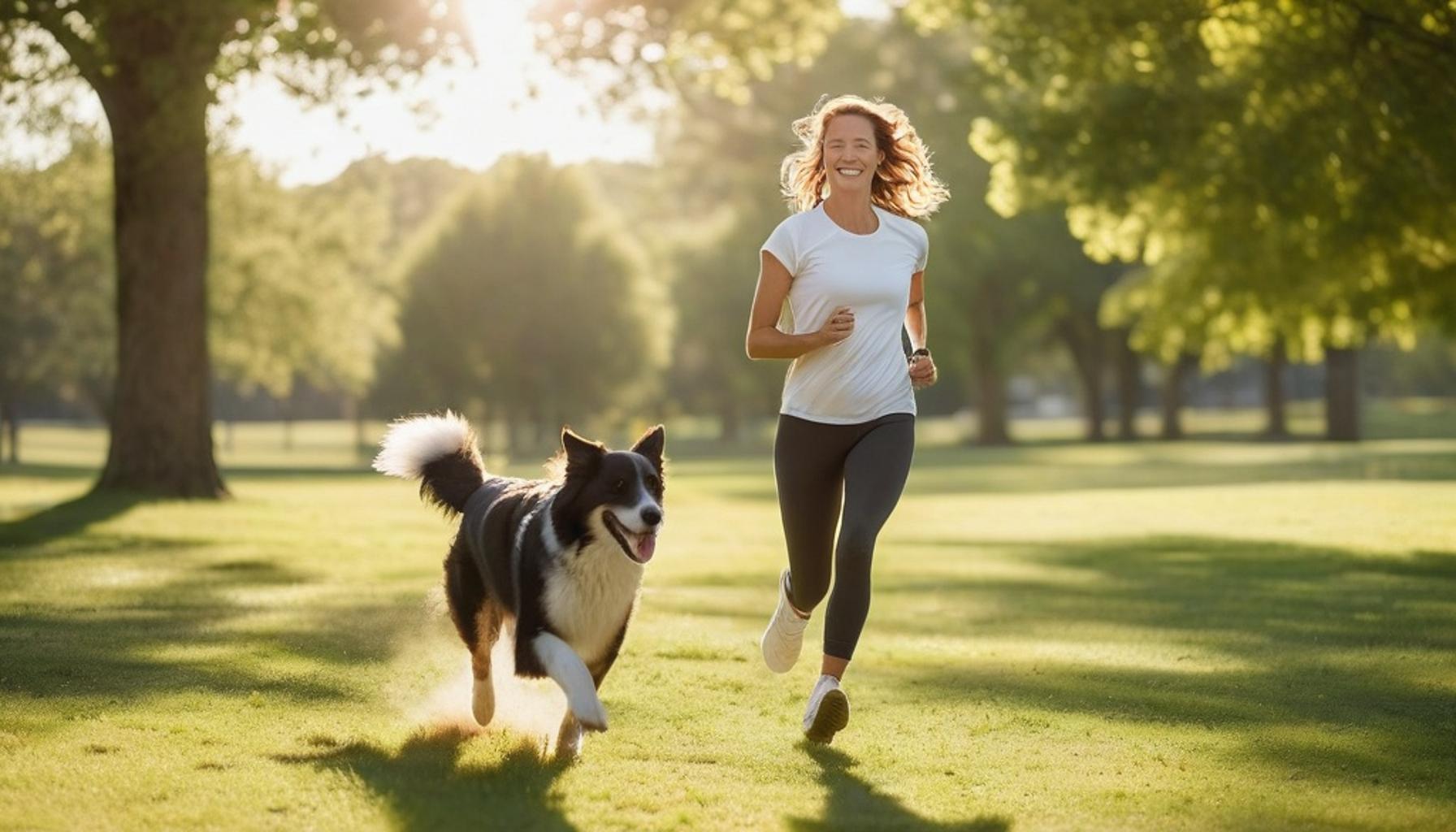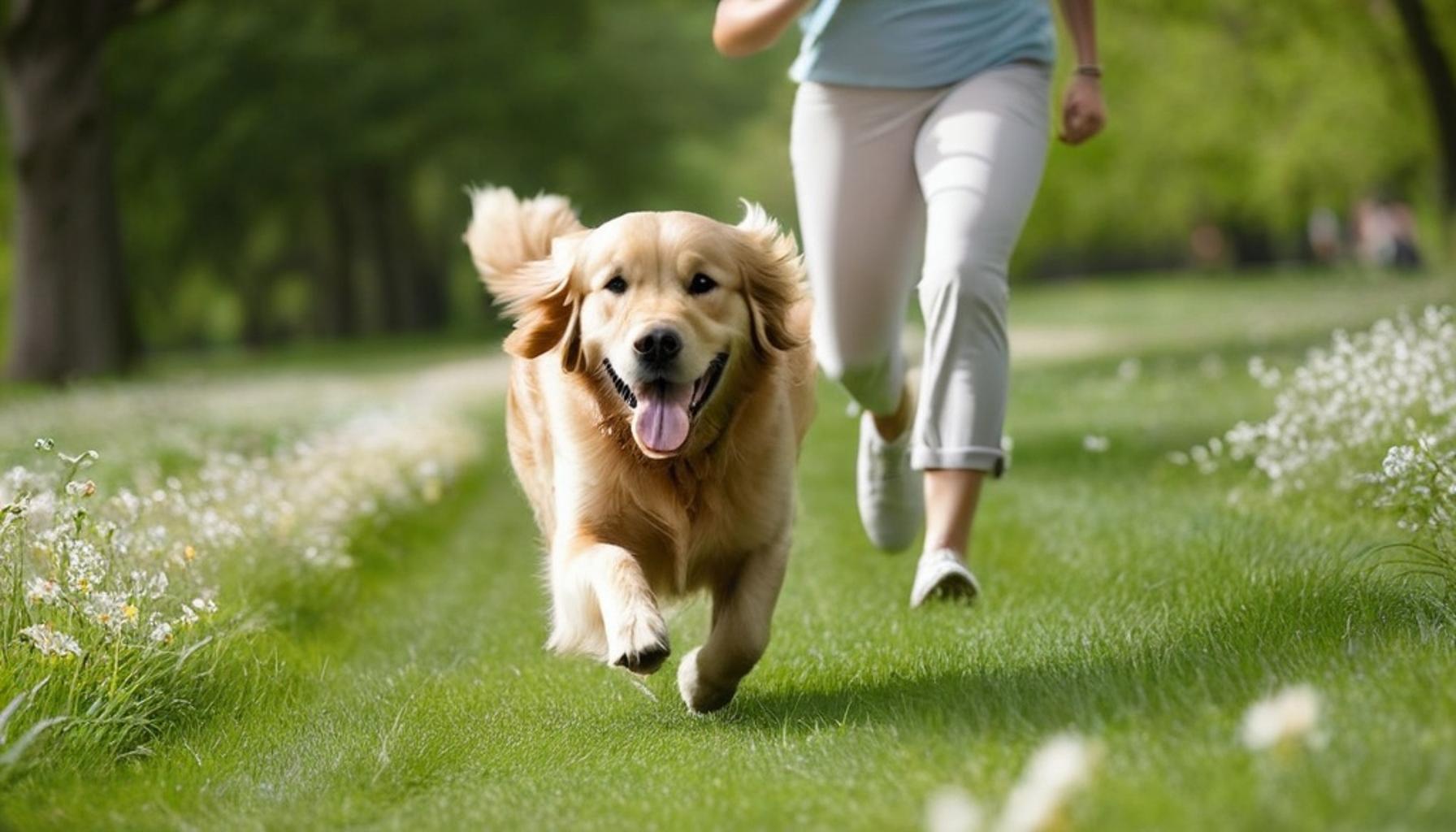
The Importance of Balanced Nutrition and Regular Exercise in Pet Health

Why Every Pet Owner in Nigeria Should Pay Attention to This
From the bustling streets of Lagos to the quiet compounds of Enugu, more Nigerian households are welcoming dogs, cats, and other companions into their families. Yet, a startling number of these pets suffer from preventable health issues. At the heart of the matter lies one simple truth: Pet health nutrition and exercise can no longer be treated as an afterthought.
Across cities like Abuja, Port Harcourt, and Ibadan, veterinary clinics are witnessing a steady rise in pet-related consultations that trace back to one root cause: neglect of basic care routines. This is not merely a matter of convenience but a growing public awareness issue that affects the wellbeing of animals many Nigerians consider part of the family.
The Hidden Cost of Neglect
Many pet owners unknowingly feed their animals leftover human meals, believing this is harmless. Jollof rice, pepper soup remnants, or fried snacks might seem like generous treats, but they often contain excessive salt, spice, or oil that animal digestive systems are not designed to handle. Veterinarians across Nigeria are increasingly reporting cases linked to poor feeding habits and inactivity, including:
- Obesity and joint problems in dogs
- Diabetes and organ strain in cats
- Weakened immune systems prone to infections
- Behavioral issues stemming from low energy levels
These outcomes are rarely inevitable. A balanced diet for pets, paired with consistent physical activity, dramatically reduces these risks. In fact, studies from veterinary associations suggest that pets receiving proper nutrition and regular exercise can live significantly longer, healthier lives compared to those left to fend on scraps and minimal movement.
What This Article Will Uncover
This piece dives into the science and practical steps behind raising healthier pets in Nigeria’s unique climate and lifestyle, where heat, humidity, and urban living conditions present distinct challenges. Readers will discover essential nutrition guidelines for pets, along with the surprising exercise benefits for dogs and cats alike, including improved digestion, better mental stimulation, and stronger bonds between pets and their owners.
Whether you’re a first-time pet parent navigating the markets of Onitsha for pet food or a seasoned animal lover in Kano, understanding these fundamentals is the first step toward raising genuinely healthy pets in Nigeria. Let’s explore actionable pet wellness tips that could transform your companion’s quality of life, one meal and one walk at a time.
RECOMMENDED: Check out this similar article
Understanding What a Balanced Diet for Pets Truly Means
Walk into any veterinary clinic in Lagos or Abuja, and you’ll likely hear the same question repeated by concerned owners: “But I feed my dog every day, so why is he still unwell?” The answer often lies not in the quantity of food, but in its quality and composition.
Pet health nutrition and exercise work hand in hand, but nutrition forms the foundation. A dog or cat requires a specific balance of proteins, fats, carbohydrates, vitamins, and minerals, proportions that differ significantly from what fills a typical Nigerian dinner plate. Unlike humans, pets cannot process excessive palm oil, seasoning cubes, or spicy stews without consequences.
Breaking Down the Essential Nutrients
Veterinary nutritionists generally agree on core components that should feature in any balanced diet for pets, regardless of breed or size. These include:
- High-quality protein sources such as chicken, fish, or specially formulated pet food for muscle development
- Healthy fats that support skin, coat, and brain function
- Limited carbohydrates from sources like rice or sweet potato for sustained energy
- Fresh, clean water available at all times, especially crucial given Nigeria’s tropical heat
- Essential vitamins and minerals, often missing in home-cooked leftovers
Skipping any of these elements over time doesn’t just cause minor discomfort. It contributes to long-term organ damage, stunted growth in puppies and kittens, and a noticeably shorter lifespan.
Why Local Feeding Habits Need Reconsidering
In many Nigerian homes, pets are treated as an extension of the family table. While this reflects genuine affection, it often does more harm than good. Bones from suya, for instance, can splinter and cause internal injuries. Onions and garlic, common in local soups, are toxic to dogs and cats even in small amounts.
Nutrition guidelines for pets recommend a gradual shift toward species-appropriate meals, whether commercially produced pet food or carefully prepared home meals free from harmful seasonings. Some pet owners in urban centers like Lagos have already started exploring locally available options, including boiled unseasoned chicken, plain rice, and vegetables, as safer alternatives to leftover human food.
This shift doesn’t require a complete overhaul overnight. Small, consistent changes to feeding routines can significantly improve a pet’s energy levels, coat condition, and overall resilience against common illnesses seen across Nigerian veterinary practices today.

CHECK OUT: Click here to explore more
The Role of Physical Activity in Keeping Nigerian Pets Fit
Nutrition alone cannot carry the full weight of a pet’s wellbeing. Ask any veterinarian in Port Harcourt or Ibadan, and they’ll confirm that many pets brought in for lethargy or obesity are eating well but moving far too little. This is where exercise benefits for dogs, and cats alike, become impossible to ignore.
Regular movement does more than burn calories. It regulates blood circulation, strengthens joints, and releases mental stimulation that many confined compound dogs in Nigerian cities rarely experience. A dog left chained all day in a small backyard in Enugu is not just bored, it is physiologically deteriorating.
How Much Activity Does a Pet Actually Need?
Contrary to popular belief, exercise requirements are not one-size-fits-all. They depend on breed, age, and health status. General guidelines suggest:
- At least 30 to 60 minutes of daily activity for adult dogs, split into two or more sessions
- Interactive play sessions for indoor cats, using toys that mimic hunting behavior
- Shorter, gentler walks for senior pets or those recovering from illness
- Supervised outdoor time during cooler hours, particularly important given Nigeria’s intense midday heat
Owners who skip this daily commitment often notice weight gain first, followed by more concerning issues such as joint stiffness, diabetes, and even behavioral problems like excessive barking or destructive chewing.
A Growing Concern: Sedentary Pets in Urban Nigeria
As more Nigerian families move into apartment living across cities like Lagos, Abuja, and Kano, outdoor space for pets has shrunk considerably. This urban shift has quietly created a new wave of sedentary dogs and cats, animals fed regularly but rarely walked or engaged physically.
Veterinary reports from local clinics increasingly point to weight-related conditions in pets under five years old, a pattern that mirrors human lifestyle diseases linked to inactivity. This overlap is not coincidental. Both humans and animals suffer similarly when movement is deprioritized.
For pet owners seeking practical pet wellness tips, incorporating simple changes such as short evening walks, fetch games in compound yards, or even stair climbing sessions indoors can make a measurable difference within weeks.
Combining structured feeding with consistent activity creates a compounding effect. A dog fed a nutrient-dense diet but never exercised will still struggle with weight and mood. Likewise, an active pet surviving on poor-quality food will lack the stamina and recovery capacity that exercise demands. This is precisely why pet health nutrition and exercise must be addressed together, not as separate checkboxes, when building truly healthy pets in Nigeria.
ADDITIONAL INSIGHTS: Expand your understanding here
Bringing It All Together: A Smarter Approach to Pet Care
The evidence is clear: pet health nutrition and exercise cannot be treated as separate concerns. They function as two halves of the same equation, and neglecting either one quietly undermines the other. A pet fed a balanced diet for pets but left inactive will still face weight and mood challenges, while an active pet on poor-quality food will lack the stamina to thrive.
Across Nigerian homes, from Lagos apartments to compounds in Kaduna, the lifestyle shift toward convenience feeding and limited outdoor space has made this dual approach more urgent than ever. Recognizing the early warning signs, sluggishness, unexplained weight gain, or restless behavior, can save owners costly veterinary bills down the line.
Fortunately, the solution does not require expensive interventions. Simple, consistent habits make the biggest difference:
- Feeding age-appropriate, nutrient-dense meals rather than table scraps
- Scheduling daily walks or play sessions, even short ones
- Monitoring weight and energy levels monthly
- Consulting local veterinarians for tailored nutrition guidelines for pets
As awareness grows, more Nigerian pet owners are beginning to treat wellness as a daily practice rather than a reactive fix during illness. This shift mirrors global trends in animal care while remaining sensitive to local realities, including climate, available resources, and space constraints.
Ultimately, raising healthy pets in Nigeria demands intention. It requires viewing food and movement not as isolated chores, but as connected pillars of a longer, more vibrant life. For any owner willing to apply even a few of these pet wellness tips consistently, the reward is a companion animal that is visibly happier, more energetic, and better equipped to age gracefully.
Frequently Asked Questions
What are affordable sources of balanced nutrition for dogs and cats in Nigeria?
You can combine locally available proteins like fish, chicken parts, and eggs with grains such as rice or maize for affordable balanced meals. Commercial pet foods sold in Nigerian pet stores also provide balanced nutrition, though they can be pricier. Adding vegetables like carrots or pumpkin leaves boosts vitamins without high cost. Always avoid excessive salt, seasoning cubes, or spicy leftovers common in Nigerian households, as these can harm pets.
How much exercise does a pet need daily in Nigeria’s hot climate?
Most dogs need at least 30 to 60 minutes of exercise daily, but in Nigeria’s heat, it’s best to walk or play with them early morning or late evening to avoid heat exhaustion. Cats are more independent but still benefit from 15 to 20 minutes of interactive play to stay fit. Always provide water before, during, and after exercise. Watch for signs of overheating like excessive panting or lethargy, especially during the dry season.
Can poor nutrition and lack of exercise cause obesity in Nigerian pets?
Yes, feeding pets excessive carbohydrate-heavy leftovers without adequate exercise is a leading cause of obesity among pets in Nigerian homes. Obesity increases the risk of diabetes, joint problems, and heart disease in dogs and cats. To prevent this, portion meals appropriately and ensure daily physical activity, such as walks or play sessions. Regular vet check-ups can help monitor your pet’s weight and adjust their diet accordingly.
Where can I get professional advice on pet diet and exercise plans in Nigeria?
Registered veterinary clinics in cities like Lagos, Abuja, and Port Harcourt offer consultations on tailored diet and exercise plans for pets. Veterinary Council of Nigeria (VCN)-certified vets can assess your pet’s breed, age, and health status to recommend the right nutrition and activity level. Some pet stores also have in-house vets or nutritionists who provide guidance. Joining local pet owner communities online can also help you find recommended vets near you.