The Importance of Behavioral Training for the Well-Being of Pets

Why Behavioral Training for Pets Matters More Than Ever in Nigeria
Across Lagos, Abuja, and Port Harcourt, more households are welcoming dogs, cats, and even parrots into their homes. Yet many pet owners quickly discover that Behavioral Training for Pets is not optional—it is essential. Without it, even the friendliest animal can develop stress, aggression, or destructive habits that strain the household and, in some cases, spill over into disputes with neighbors.
A recent survey by the Nigerian Veterinary Medical Association revealed that over 60% of abandoned pets were surrendered due to untrained, unmanageable behavior. This statistic alone highlights the importance of pet training as a foundation for a lasting human-animal bond. In cities where compound living is common, a dog that barks excessively or a cat that scratches furniture can quickly become a source of tension between families sharing the same space.
What This Article Will Explore
This piece dives into practical pet well-being tips that go beyond basic obedience. We will examine how training pets for good behavior directly impacts their mental and physical health, and why more Nigerian households are prioritizing this aspect of pet ownership over mere feeding and shelter.
- The psychological benefits of behavioral training for pets
- Common behavioral issues faced by Nigerian pet owners
- How to train pets in Nigeria using locally available resources
- The long-term benefits of behavioral training on pet longevity
From reducing anxiety in busy urban environments to preventing conflicts with neighbors over noise or aggression, structured training offers practical solutions that many pet owners have not yet fully explored. Nigerian pet owners are increasingly seeking answers—searching online forums, consulting veterinarians, and joining local pet communities—and this article provides them with a clear starting point.
Whether you own a stubborn Alsatian in Ibadan, a curious kitten in Enugu, or a talkative parrot in Kano, understanding the importance of pet training can transform your daily routine. Trained animals adapt better to Nigeria’s diverse climates, bustling markets, and generator noise, making them calmer companions rather than sources of household stress. Let us explore why disciplined, well-guided pets live happier, healthier lives, and why investing time in training today could save owners considerable frustration—and veterinary bills—tomorrow.
LEARN MORE: This related article may interest you
The Psychological Benefits of Behavioral Training for Pets
Beyond obedience, Behavioral Training for Pets plays a powerful role in shaping an animal’s mental state. Dogs and cats that undergo consistent training display lower stress hormones, better sleep patterns, and reduced destructive tendencies compared to untrained animals. This is not just anecdotal—veterinary behaviorists across Nigeria have observed that pets left without guidance often develop anxiety-driven habits such as excessive licking, chewing, or vocalizing.
Consider the everyday reality of a Nigerian household: generators humming through the night, hawkers calling out in the streets, and the constant movement of extended family members in and out of compounds. For a pet without structure, this chaotic soundscape can trigger chronic unease. Training pets for good behavior helps animals build resilience, allowing them to filter out background noise and respond calmly to sudden disruptions.
How Training Shapes Emotional Stability
Animal psychologists note that structured training sessions mimic the predictability animals crave. A dog that knows commands like “sit,” “stay,” or “come” is not just performing tricks—it is operating within a framework that reduces confusion and fear. This predictability is one of the most overlooked pet well-being tips shared by professional trainers today.
- Reduced separation anxiety when owners leave for work or travel
- Lower aggression levels toward strangers, visitors, and other animals
- Improved sleep quality due to decreased stress hormone production
- Greater adaptability to new environments, such as moving homes or traveling to the village
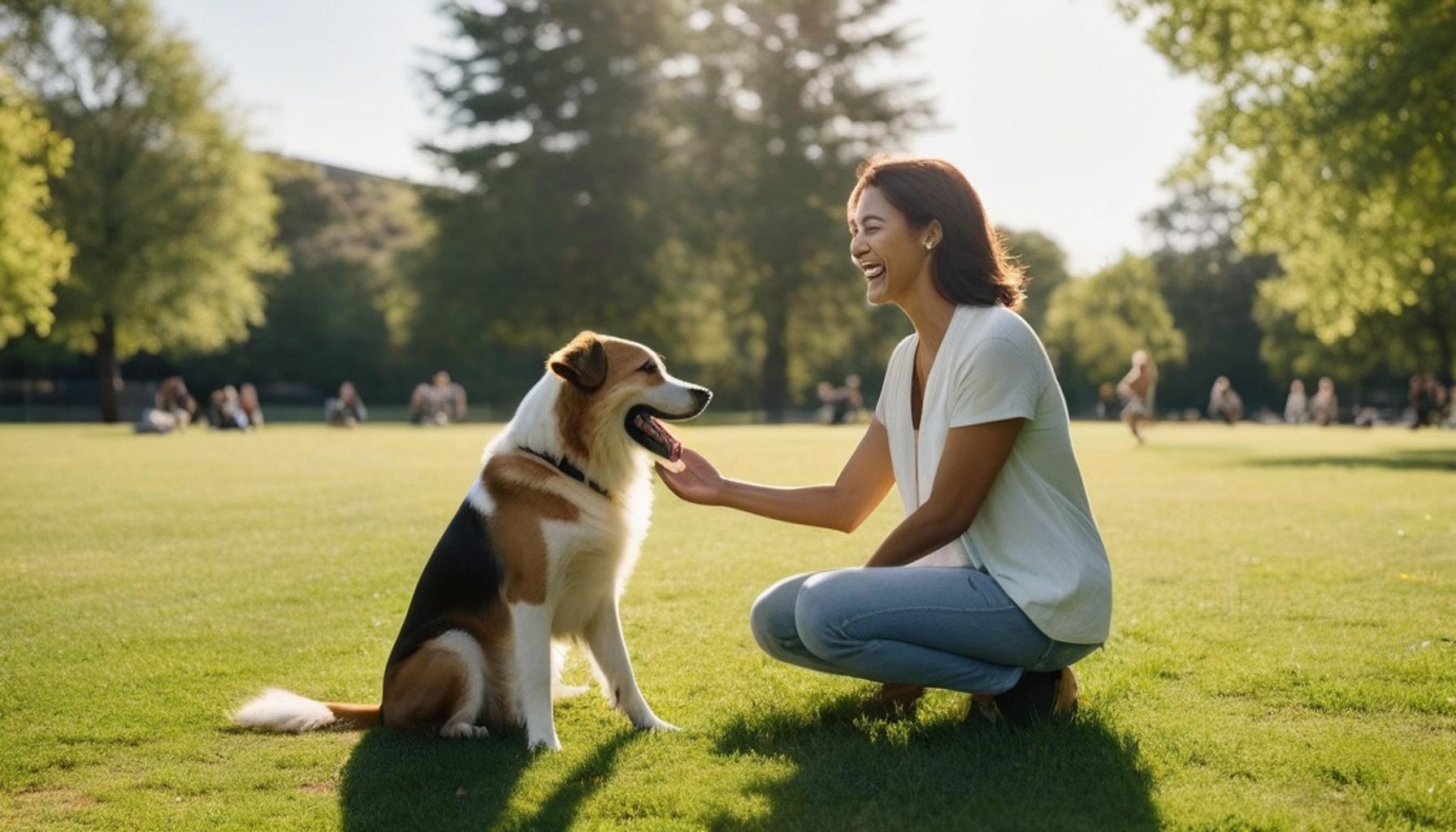
- Stronger trust and communication between pet and owner
These outcomes matter significantly in Nigeria, where pets often accompany families during festive travel periods, such as Christmas trips to the East or Eid celebrations in the North. A well-trained pet handles these transitions with far less distress than one lacking behavioral guidance.
The Overlooked Connection Between Training and Physical Health
Interestingly, the benefits of behavioral training extend beyond the mind. Pets that are mentally stimulated through training tend to maintain healthier weight levels, as structured activity replaces anxious pacing or overeating triggered by stress. Veterinary clinics in Lagos have reported that trained dogs visiting for routine checkups show fewer stress-related symptoms, such as elevated heart rates or gastrointestinal issues, compared to their untrained counterparts.
This mind-body connection reinforces why the importance of pet training cannot be overstated. It is not merely about teaching an animal to obey—it is about equipping it with the emotional tools to thrive within an unpredictable, fast-paced Nigerian environment. As more pet owners recognize this link, behavioral training is steadily shifting from a luxury practice to a fundamental aspect of responsible pet care.

CHECK OUT: Click here to explore more
# Practical Strategies Nigerian Pet Owners Can Adopt TodayUnderstanding the psychological and physical benefits of Behavioral Training for Pets is only the first step. The real transformation happens when owners translate this knowledge into consistent, everyday practice. Across Nigeria, from the busy streets of Lagos to quieter compounds in Enugu, pet owners are discovering that structured training does not require expensive equipment or professional trainers—it requires patience, repetition, and an understanding of the animal’s environment.
Starting Small: Building a Foundation for Good Behavior
For those wondering how to train pets in Nigeria amid unique environmental challenges, the answer often lies in starting with basic, repeatable exercises. Trainers recommend introducing commands during calm periods of the day, such as early mornings before market noise peaks or generators are switched on.
- Begin with short five-minute sessions rather than lengthy, exhausting ones
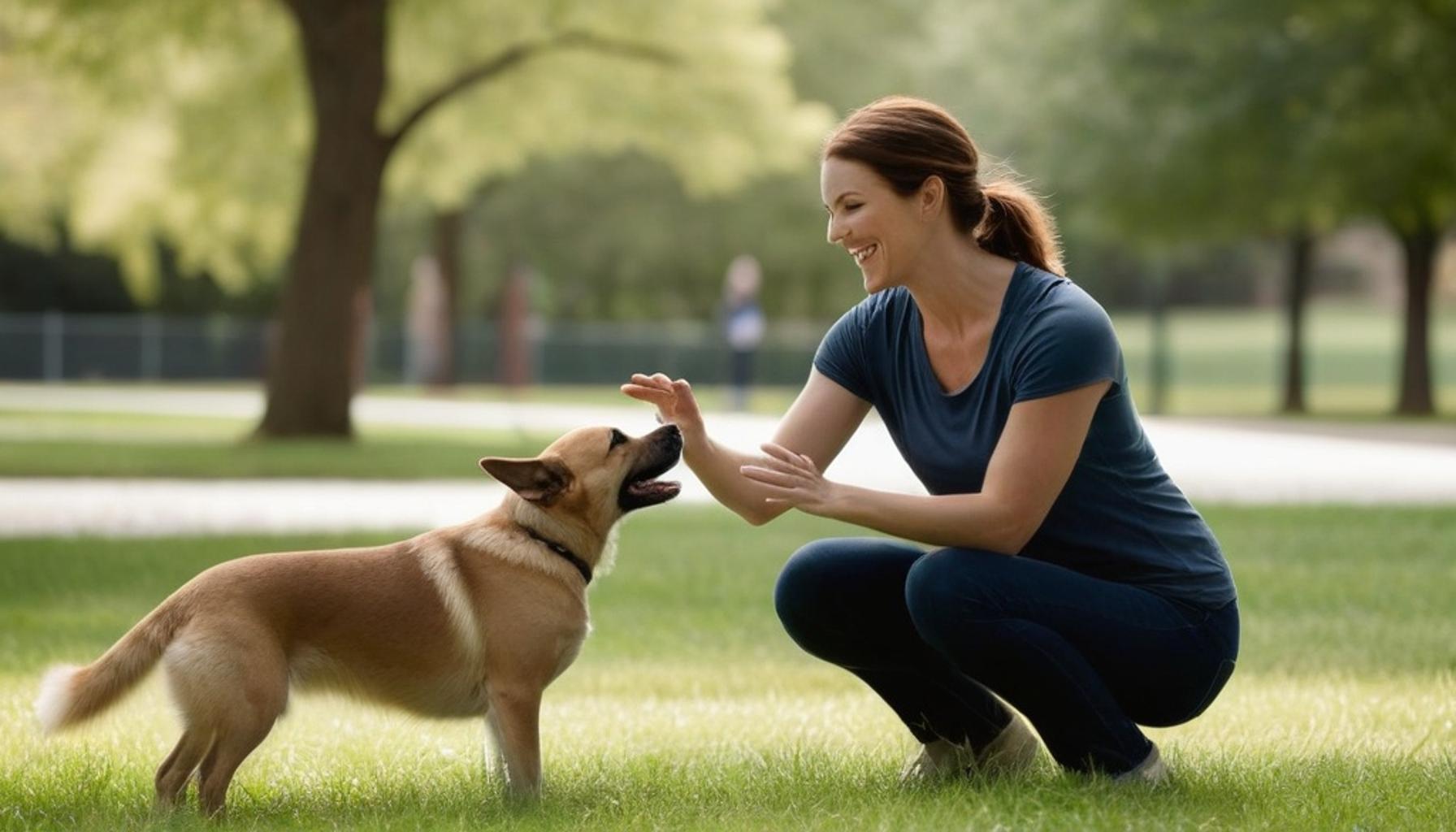
- Use consistent verbal cues paired with hand signals for clarity
- Reward desired behavior immediately with treats or affection
- Practice commands in different locations, including noisy compounds and quiet rooms
- Involve all household members to maintain consistency in commands
This gradual approach ensures pets are not overwhelmed, while owners begin to see measurable improvements within two to three weeks of consistent effort.
Addressing Common Behavioral Challenges in Nigerian Homes
Many households report specific issues that make training pets for good behavior feel daunting. Excessive barking triggered by okada riders, aggression toward unfamiliar visitors, or anxiety during thunderstorms common in the rainy season are frequent complaints among dog owners in cities like Ibadan and Port Harcourt.
Addressing these issues requires targeted techniques rather than generic advice. For instance, desensitization exercises—gradually exposing a pet to recorded street noises at low volume before increasing intensity—have proven effective in reducing reactive barking. Similarly, teaching a dog to associate visitors with positive rewards, rather than perceived threats, can significantly reduce aggressive tendencies.
Veterinary behavior consultants working within Nigerian pet clinics have noted a growing demand for guidance on these specific scenarios, signaling a shift in awareness. Owners are no longer simply asking whether training matters—they are actively seeking structured solutions.
The Role of Community and Shared Knowledge
Interestingly, one emerging trend involves community-based learning. Pet owner groups in cities such as Abuja have begun sharing pet well-being tips through informal meetups and social media groups, exchanging strategies on everything from crate training to leash discipline suited for Nigerian traffic conditions.
This collective approach highlights an important truth: the importance of pet training extends beyond individual households. It contributes to safer neighborhoods, fewer conflicts between pets and the public, and a broader culture of responsible pet ownership taking root across the country.
Conclusion: A Nationwide Shift Toward Better Pet Ownership
From the psychological benefits explored earlier to the practical strategies now being adopted in homes across Lagos, Abuja, and beyond, one message stands out clearly: Behavioral Training for Pets is no longer a luxury reserved for a few—it is becoming a necessity for households that want harmony between animals, families, and neighbors.
The benefits of behavioral training extend far beyond obedience. They touch on safety, reduced veterinary costs linked to stress-related illnesses, and stronger emotional bonds between pets and their owners. A well-trained dog is less likely to bite a visitor, dash into traffic, or trigger conflict with neighbors—concerns particularly relevant in densely populated Nigerian cities.
What This Means for Nigerian Households
As awareness grows, so does access to knowledge. Veterinary clinics, online communities, and word-of-mouth networks are steadily closing the information gap on how to train pets in Nigeria, proving that effective methods do not require imported tools or foreign expertise.
- Consistency matters more than intensity or duration
- Local challenges—noise, traffic, communal living—require tailored solutions
- Shared knowledge within communities accelerates positive outcomes
Ultimately, the importance of pet training lies not just in producing well-behaved animals, but in cultivating a culture where pets are treated as responsive, understood members of the household rather than unpredictable liabilities.
As more Nigerians embrace these pet well-being tips, the ripple effect could reshape how communities coexist with animals altogether—one command, one reward, and one patient owner at a time.

Linda Carter
Linda Carter is a writer and pet care expert specializing in pet health, grooming, and wellness. With extensive experience helping pet owners create safe, loving, and enriching environments for their animals, Linda shares her knowledge on our platform. Her goal is to empower readers with practical advice and strategies to ensure their pets thrive and lead joyful, healthy lives.