The Importance of Behavior Training for the Mental Health of Pets
Why Your Pet’s Mind Matters as Much as Its Body
Across Nigerian homes, from Lagos apartments to Abuja compounds, pets are increasingly treated as family members rather than mere guard animals. Yet many owners overlook a critical truth: Behavior Training for Pets is not just about obedience, it directly shapes their psychological wellbeing. In cities like Port Harcourt and Ibadan, where dogs are often kept for security, the emotional needs of these animals are frequently sidelined in favor of purely functional expectations.
Veterinary behaviorists now confirm what pet lovers have long suspected. A dog barking excessively, a cat scratching furniture, or a rabbit hiding constantly may be signaling deeper emotional distress, not just “bad behavior.” This shift in understanding is slowly gaining traction among Nigerian pet owners who previously viewed such actions as simple stubbornness requiring punishment rather than patience.
The Hidden Link Between Training and Mental Wellness
Studies suggest that untrained pets experience higher stress levels, manifesting as anxiety, aggression, or destructive habits. This makes the Importance of Training Pets impossible to ignore for anyone serious about animal welfare. Interestingly, animal behaviorists compare this to human mental health struggles, where unaddressed stress often surfaces through unexpected physical or emotional reactions.
Consider these common signs of an untrained, mentally stressed pet:
- Excessive barking or howling, even without visible triggers
- Destructive chewing on furniture, shoes, or household items
- Unexplained aggression toward family members or strangers
- Withdrawal, hiding, or refusal to interact socially
Many Nigerian households mistake these signs for defiance, resorting to harsh corrections that often worsen the animal’s anxiety rather than resolve it.
A Growing Concern for Nigerian Pet Owners
As urban living spaces shrink and lifestyles grow busier, many pets are left alone for longer hours, particularly in fast-paced cities like Lagos where traffic and work schedules stretch owners thin. Without structured Pet Obedience Training, this isolation can quickly spiral into behavioral and emotional problems that affect both the pet and household harmony.
Fortunately, science-backed solutions exist. Positive Reinforcement for Pets has emerged as a proven method to build trust, reduce anxiety, and strengthen the human-animal bond, offering hope for pets and owners alike. Unlike punishment-based approaches still common in many communities, reward-driven techniques encourage cooperation without fear.
This article explores how proper Pet Behavior Training transforms not just actions, but the emotional core of our beloved companions, revealing insights every Nigerian pet owner should seriously consider.
YOU MAY ALSO LIKE: The Importance of Behavioral Training for the Well-Being of Pets
# The Importance of Behavior Training for the Mental Health of Pets
Understanding the Science Behind Pet Anxiety and Behavior
Before diving into solutions, it helps to understand what actually happens inside a stressed pet’s mind. Veterinary neurologists explain that animals, much like humans, release cortisol, a stress hormone, when they feel threatened, confused, or neglected. Chronic exposure to this hormone can alter brain chemistry, leading to long-term anxiety disorders in dogs and cats alike.
This is precisely why Behavior Training for Pets carries weight beyond teaching a dog to sit or a cat to use a litter box properly. Training sessions, when done consistently, create predictable routines that lower cortisol levels and give animals a sense of security. In Nigerian markets like Lagos’s Yaba or Kano’s busy commercial streets, where noise and unpredictability are constant, this stability becomes even more critical for pets living nearby.
Researchers studying companion animal welfare have also observed that environments filled with generator noise, honking traffic, and crowded compounds, common realities across many Nigerian cities, tend to amplify baseline stress in pets that lack coping mechanisms. Without structured training to help them process these stimuli, animals often internalize chaos rather than adapt to it. This makes the role of consistent guidance even more significant than many pet owners initially assume.
How Untrained Pets Develop Psychological Issues
Animal behavior specialists across Nigeria have documented a troubling pattern. Pets left without structured guidance often develop what experts call “learned helplessness,” a psychological state where the animal simply gives up trying to communicate its needs. This condition is frequently mistaken for calmness when, in reality, it signals deep emotional shutdown.
The consequences of ignoring the Mental Health of Pets can be severe and far-reaching. Consider what typically unfolds in homes lacking proper structure:
- Dogs develop compulsive behaviors like tail-chasing or repetitive pacing
- Cats resort to inappropriate elimination as a stress response
- Puppies show heightened fear responses to normal household sounds
- Older pets become increasingly aggressive due to accumulated frustration
Nigerian veterinary clinics in cities such as Enugu and Kaduna report rising cases of these exact symptoms, often linked directly to inconsistent or absent Pet Obedience Training. Owners frequently arrive confused, unaware that their pet’s “personality quirks” are actually cries for structured intervention.
What makes this particularly concerning is the ripple effect on family dynamics. A stressed dog that barks all night disrupts sleep patterns. A cat that scratches out of anxiety damages property and strains relationships between pet and owner. These are not isolated incidents but symptoms of a deeper issue requiring immediate attention through proper Pet Behavior Training methods that address root causes rather than surface symptoms.
Why Early Intervention Changes the Trajectory Entirely
Timing plays a decisive role in whether a pet develops resilience or spirals into chronic anxiety. Veterinary behaviorists working in Abuja and Port Harcourt often emphasize that the earlier a pet receives structured training, the more adaptable its nervous system becomes. Puppies and kittens exposed to gentle, consistent guidance within their first few months tend to display fewer stress-related disorders later in life.
This does not mean older pets are beyond help. Rescue animals rehomed through shelters in Ibadan and Benin City have shown remarkable improvement once introduced to patient, reward-based training programs. The transformation often surprises owners who assumed their pet’s anxious tendencies were permanent character traits rather than treatable conditions.
The Role of Owners in Sustaining Progress
Trainers frequently note that success depends heavily on owner involvement, not just professional sessions. Consistency at home, clear boundaries, and positive reinforcement reinforce whatever progress is made during formal training. Without this continuity, pets can quickly regress into previous anxious patterns.
Ultimately, investing in structured behavioral guidance is not a luxury reserved for pampered pets. It is a fundamental component of responsible pet ownership, one that directly influences whether an animal thrives emotionally or silently suffers within the very home meant to protect it.

RECOMMENDED: The Importance of Behavioral Training for the Mental Health of Pets
Practical Methods That Strengthen the Human-Animal Bond
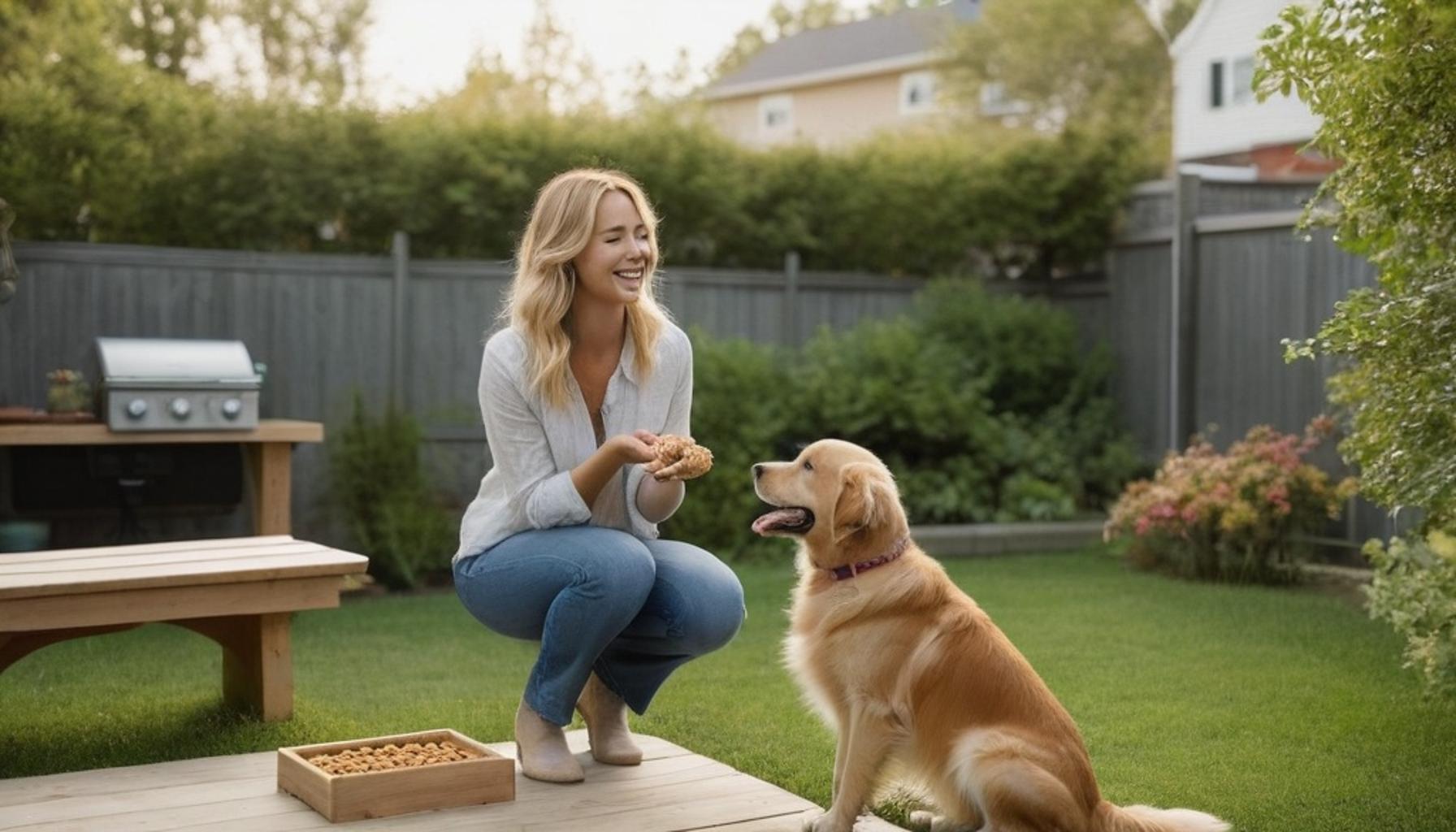
Walking into a compound in Surulere or Jos, one might notice a pattern among households with well-adjusted dogs and cats. These homes rarely rely on punishment or shouting. Instead, they lean on Positive Reinforcement for Pets, a method rooted in rewarding desired behavior rather than punishing mistakes after the fact.
Animal behaviorists across Nigeria increasingly point to this approach as the gold standard. Treats, praise, and gentle physical affection given immediately after good behavior create strong neural associations in a pet’s brain. Over time, the animal begins to anticipate positive outcomes, which reduces fear-based reactions significantly.
This matters because punishment-based methods, still common in many Nigerian households, often backfire. A dog scolded harshly for barking at a generator may not learn to stop barking. Instead, it may associate its owner’s presence with unpredictability, worsening the very anxiety the punishment was meant to correct.
Simple Techniques Nigerian Pet Owners Can Start Today
Professional trainers operating in cities like Owerri and Abeokuta often recommend starting small rather than attempting complex commands immediately. The Importance of Training Pets lies not in complexity but in repetition and clarity.
Consider these practical starting points that require no special equipment or expensive intervention:
- Set fixed feeding times to establish predictable daily rhythms
- Use one consistent word for each command instead of varying phrases
- Reward calm behavior during loud events like thunderstorms or Owambe celebrations nearby
- Introduce short, five-minute training sessions rather than lengthy exhausting ones
- Allow supervised interaction with other animals to build social confidence
These steps might appear minor, but their cumulative effect on a pet’s psychological stability is substantial. Trainers in Kano have reported that dogs exposed to structured five-minute daily sessions show measurable improvement in anxiety symptoms within three to four weeks.
What Nigerian Veterinary Data Reveals About Untrained Pets
Emerging data from veterinary clinics in Lagos and Abuja suggests a striking correlation between untrained pets and recurring health complaints. Stress-related digestive issues, skin conditions caused by excessive licking, and even cardiovascular strain have all been linked to chronic anxiety in animals without behavioral guidance.
This connection between mind and body is not surprising to veterinary professionals. Just as prolonged human stress manifests physically, pets experience similar biological consequences. A dog constantly on edge due to unpredictable household dynamics may develop ulcers or weakened immune responses over time.
Some clinics have begun incorporating basic behavioral assessments into routine checkups, recognizing that Pet Obedience Training is not separate from physical wellness but deeply intertwined with it. This shift reflects a broader understanding taking root among Nigerian veterinary practitioners who now treat behavior as a vital sign, much like temperature or heart rate.
Pet owners who dismiss training as unnecessary indulgence may unknowingly be setting their animals up for cascading health problems that become far more expensive and difficult to manage later.
Rethinking How Nigeria Cares for Its Animal Companions
From Surulere compounds to veterinary clinics in Abuja, the evidence keeps pointing to the same conclusion. Behavior Training for Pets is not a luxury reserved for wealthy households or show animals. It is a foundational element of responsible pet ownership that directly shapes an animal’s psychological and physical wellbeing.
Throughout this discussion, one theme has remained constant. The Mental Health of Pets cannot be separated from how consistently they are guided, corrected, and rewarded. Households that embrace Positive Reinforcement for Pets tend to raise calmer, more resilient animals, while those relying on punishment often see anxiety intensify rather than fade.
Nigerian pet owners stand at an interesting crossroads. Traditional attitudes toward animals are gradually shifting, influenced by growing veterinary awareness and a new generation of trainers operating in cities like Kano, Owerri, and Lagos. This shift suggests that Pet Behavior Training will likely become a standard expectation rather than an optional extra in the coming years.
What remains clear is that the Importance of Training Pets extends far beyond obedience for its own sake. It influences digestive health, immune function, and an animal’s ability to cope with Nigeria’s often unpredictable urban soundscape, from generator noise to bustling Owambe crowds.
For anyone considering where to begin, Pet Obedience Training does not require elaborate resources. Small, consistent efforts, five minutes here, a reward there, can produce measurable change within weeks, as clinics and trainers across the country have already observed.
Perhaps the most valuable takeaway is this: an animal’s behavior is often a mirror reflecting the structure, or lack thereof, in its environment. Investing in that structure today may well determine the difference between a thriving pet and one silently struggling for years to come.
Frequently Asked Questions
Why is behavior training important for the mental health of pets in Nigeria?
Behavior training for pets helps reduce anxiety, fear, and aggression by teaching dogs and cats how to cope with everyday situations like loud generators, traffic noise, or unfamiliar visitors common in Nigerian homes. A well-trained pet feels more secure and confident, which lowers stress hormones and prevents destructive habits caused by frustration. This mental stability also strengthens the bond between the pet and owner, making daily life calmer for both.
What are signs that my dog or cat needs behavior training for mental health reasons?
Common signs include excessive barking or meowing, destructive chewing, aggression towards visitors or other animals, hiding, or restlessness, especially during Nigeria’s rainy season thunderstorms or Sallah/New Year fireworks. Pacing, loss of appetite, or sudden withdrawal can also indicate underlying stress that structured behavior training can help resolve. If these behaviors persist, consulting a local vet or animal behaviorist is recommended.
Can behavior training help pets adjust to Nigeria’s hot climate and busy environments?
Yes, behavior training teaches pets calming techniques and routines that help them manage heat stress, unpredictable street noise, and crowded compounds typical in Nigerian cities like Lagos or Abuja. Training such as crate training or desensitization exercises builds resilience so pets remain calm rather than anxious or reactive. This adaptability significantly improves their overall emotional wellbeing despite environmental challenges.
How does behavior training reduce aggression in pets kept for security purposes in Nigerian homes?
Many Nigerian households keep dogs for security, which can sometimes lead to heightened aggression if not properly managed. Behavior training for pets teaches controlled responses to strangers, clear command recognition, and boundaries, ensuring the dog protects without becoming overly anxious or unpredictable. This balance keeps the pet mentally healthy while still fulfilling its guard role effectively.
At what age should I start behavior training my puppy or kitten in Nigeria?
Ideally, behavior training should begin between 8 to 16 weeks of age when puppies and kittens are most receptive to learning social cues and commands. Early training during this critical period helps prevent long-term anxiety, fear-based aggression, or separation issues later in life. However, older pets can still benefit from training, though it may require more patience and consistency.
Are there affordable ways to do behavior training for pets without hiring a professional trainer in Nigeria?
Yes, pet owners can use free online resources, YouTube tutorials, and basic positive reinforcement techniques like treat-based reward training to teach commands such as sit, stay, and come. Consistency, patience, and short daily sessions of 10 to 15 minutes are more important than expensive equipment or professional fees. For persistent behavioral issues, local veterinary clinics in Nigeria often offer affordable guidance or referrals to certified trainers.

Linda Carter
Linda Carter is a writer and pet care expert specializing in pet health, grooming, and wellness. With extensive experience helping pet owners create safe, loving, and enriching environments for their animals, Linda shares her knowledge on our platform. Her goal is to empower readers with practical advice and strategies to ensure their pets thrive and lead joyful, healthy lives.