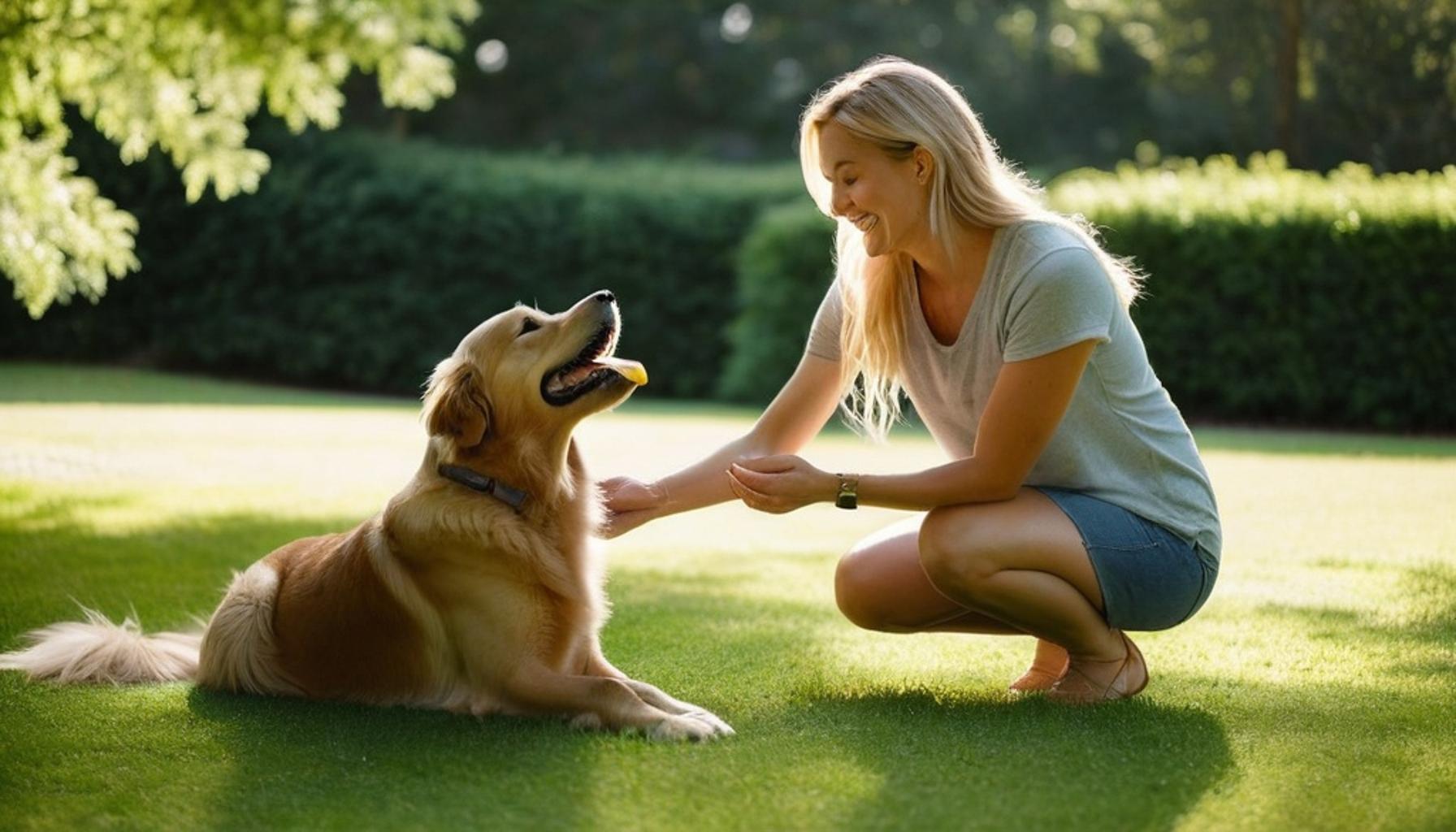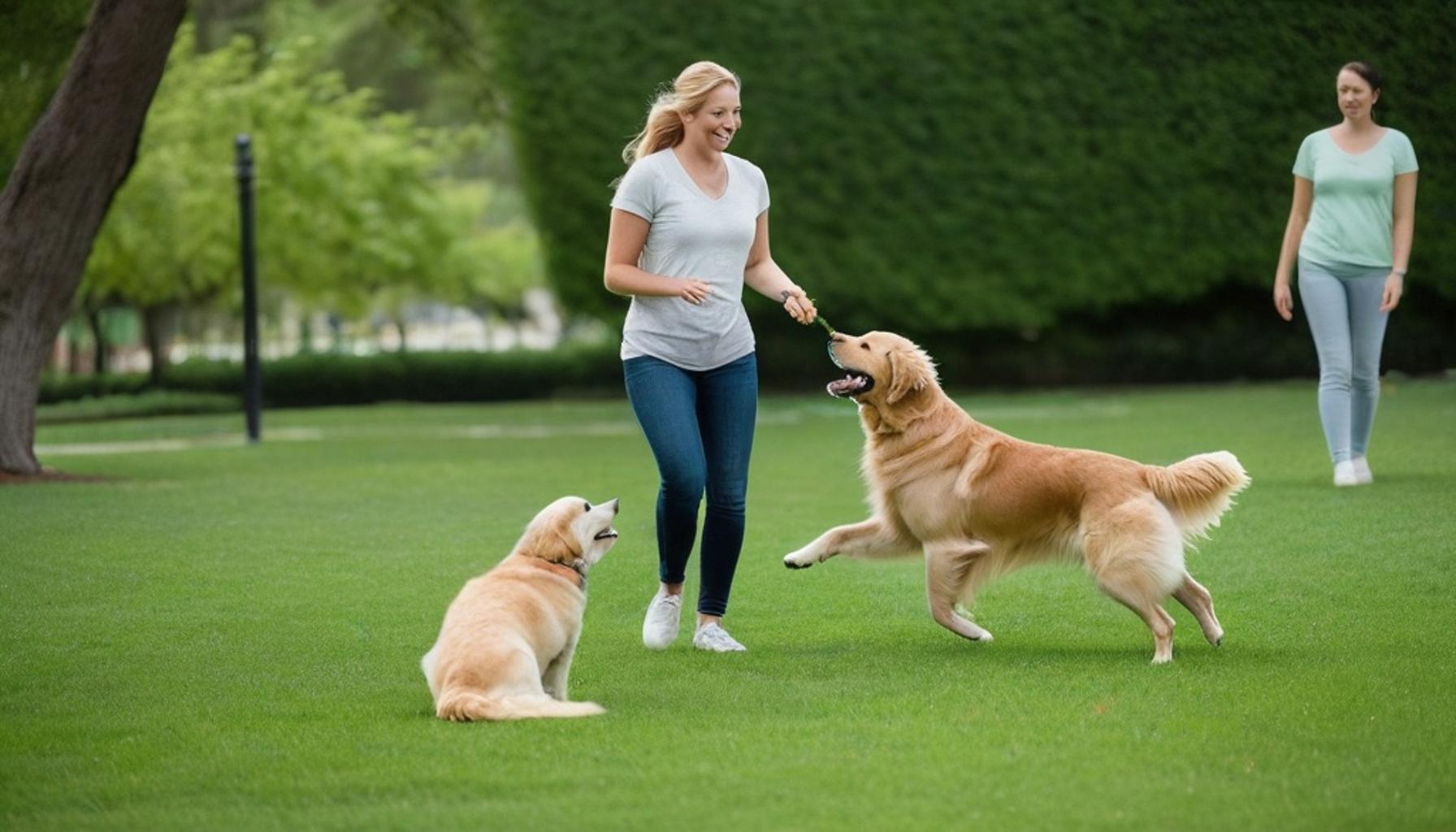
How Behavior Training Can Improve the Relationship Between Pet Owners and Their Pets

Building a Stronger Bond Through Understanding
From the bustling streets of Lagos to the quiet compounds of Enugu, more Nigerian households are welcoming dogs and cats into their families. Yet many owners struggle with jumping, excessive barking, or a pet that simply ignores commands. This is where behavior training for pets becomes a game-changer, turning frustration into genuine companionship.
Training is not just about teaching tricks. It is a powerful tool to improve pet owner relationship dynamics, creating mutual trust and clearer communication between humans and animals. A dog that understands boundaries and a cat that responds to gentle cues both reflect an owner who has invested time in learning how their pet thinks and reacts to the world around them.
Why This Matters Now
Veterinary behaviorists report that untrained pets are significantly more likely to be surrendered to shelters. In fact, behavioral issues remain one of the top reasons pets are abandoned worldwide, and Nigeria is not exempt from this trend. As pet ownership grows in cities like Abuja, Port Harcourt, and Ibadan, so does the number of frustrated owners who simply do not know where to start.
Understanding the benefits of pet training can help owners avoid this outcome entirely. A well-trained pet is a happier, calmer companion, one that adapts more easily to household routines, visitors, and even the noise of generator-powered evenings common in many Nigerian neighborhoods.
- Reduced aggression and anxiety in pets
- Better communication between pets and owners
- Fewer destructive behaviors at home
- Increased safety during walks or outdoor visits
What Owners Will Discover
This article explores practical training techniques for pets that any Nigerian pet owner can apply, regardless of experience level. From simple reward-based methods using local treats to consistent daily routines, these approaches do not require expensive imported tools or professional trainers to be effective.
We will also examine pet behavior modification strategies for common issues like excessive barking or house-training struggles, both of which frustrate many first-time owners across the country. Whether your pet reacts anxiously to unfamiliar visitors or struggles with basic commands, there are practical solutions worth exploring.
Ready to transform your relationship with your furry friend? These pet training tips for owners could be the missing piece you have been searching for, offering insight that goes far beyond obedience and straight into the heart of companionship.
CHECK OUT: How Behavioral Training Can Reduce Anxiety Issues in Pets
The Science Behind the Bond: How Training Rewires Trust
Every wagging tail or purring cat sitting calmly by the door tells a story of patience and consistency. Behavior training for pets works because animals, much like people, learn through repetition, association, and reward. When a dog in Ikeja learns that sitting quietly earns a treat rather than a shout, it begins to see its owner as a source of guidance rather than unpredictability.
This shift is at the core of what makes training so effective. Animal behaviorists explain that pets do not respond well to punishment-based correction because it often breeds fear instead of understanding. Positive reinforcement, on the other hand, builds a foundation of trust that lasts far longer than a single obedience session.
Communication: The Missing Link Many Owners Overlook
Many Nigerian households adopt a puppy or kitten with excitement, only to realize weeks later that the pet does not understand basic instructions like “sit,” “stay,” or even its own name. This gap often stems from inconsistent communication rather than a stubborn animal.
Learning simple training techniques for pets helps owners speak a language their pet can actually understand. Clear hand signals, consistent tone of voice, and timely rewards all work together to close this communication gap.
- Using the same word consistently for each command, rather than switching between English and local expressions
- Rewarding immediately after the desired behavior, not minutes later
- Keeping training sessions short, ideally five to ten minutes, to match a pet’s attention span
- Practicing in different environments, from the compound to a busy street in Yaba, to reinforce learning
Why Trust Matters More Than Obedience
Obedience is often the first thing owners focus on, but trust is what actually sustains the relationship long-term. A pet that trusts its owner is less likely to display anxiety-driven behaviors such as excessive barking when guests arrive or destructive chewing when left alone.
This is where the true benefits of pet training become visible. Owners who invest in consistent training routines often report calmer pets within just a few weeks, along with a noticeable improvement in how the animal responds during stressful situations like veterinary visits or unfamiliar noises from neighboring generators.
Understanding this connection between trust and behavior sets the stage for exploring specific pet behavior modification methods, which we will unpack in the sections ahead.

Key Aspects of Behavior Training for Pets and Their Impact on the Human-Animal Bond
Understanding behavior training for pets reveals why it does more than correct bad habits—it reshapes daily interactions. Below is a snapshot of core training techniques for pets and the tangible benefits of pet training that strengthen the connection between owners and their companions.
| Training Aspect | Relationship Benefit |
|---|---|
| Positive Reinforcement | Builds trust through reward-based learning, reducing fear-driven reactions. |
| Consistent Commands | Improves communication, helping pets understand expectations clearly. |
| Pet Behavior Modification | Addresses anxiety and aggression, creating a calmer household. |
| Daily Practice Sessions | Increases bonding time, deepening emotional connection with owners. |
LEARN MORE: The Importance of Behavioral Training for the Well-Being of Pets
Common Behavior Problems and the Training Fixes That Work
Walk through any estate in Lekki or Enugu on a Saturday morning and you will likely hear at least one dog barking non-stop at a delivery rider or a neighbor’s generator. This is not stubbornness. It is often a sign that the pet has never been taught how to process everyday triggers calmly.
Pet behavior modification addresses these exact situations by identifying what causes the reaction and gradually changing the pet’s response through structured exposure and reward. A dog that lunges at motorcycles, for instance, can learn to sit and watch calmly once it associates the sight of a bike with a treat rather than a threat.
Separation Anxiety and the Nigerian Work Schedule
With Lagos traffic often stretching a nine-to-five job into a twelve-hour absence, many pets spend long hours alone. This has made separation anxiety one of the most reported issues among urban pet owners.
Signs typically include chewed furniture, scratched doors, or excessive whining when the owner picks up their car keys. Addressing this does not require quitting a job or hiring a full-time pet sitter. Simple training techniques for pets can significantly reduce this stress.
- Practicing short departures, starting with five minutes and building up gradually
- Leaving a worn piece of clothing with the owner’s scent near the pet’s resting area
- Avoiding dramatic goodbyes, which can heighten anxiety rather than ease it
- Introducing a puzzle feeder to keep the pet mentally occupied during alone time
Aggression Is Often Miscommunication, Not Malice
A pet that growls at visitors or snaps during grooming is frequently misunderstood. Veterinary behaviorists note that most aggression cases stem from fear or a past negative experience, not an inherently violent nature.
Owners who work through this with patience, rather than punishment, often see a complete turnaround within a few weeks. This is one of the more remarkable benefits of pet training that rarely gets discussed outside veterinary clinics in places like Abuja and Port Harcourt.
Practical Tips Every Owner Should Start With
For anyone unsure where to begin, a few grounded pet training tips for owners can make an immediate difference.
- Set a fixed daily routine for feeding, walks, and play, since predictability reduces anxiety
- Avoid mixed signals from different family members using different commands
- Reward calm behavior, not just tricks, to reinforce emotional stability
- Track progress weekly to notice small improvements that might otherwise go unnoticed
These small, consistent efforts are what ultimately improve pet owner relationship dynamics, turning a chaotic household into one where both pet and owner understand what to expect from each other.
LEARN MORE: The Importance of Behavioral Training for the Mental Health of Pets
The Real Return on Investment Is Trust
From the barking dog in a Lekki estate to the anxious cat left alone during a long Lagos commute, one thread runs through every example in this article: pets are not misbehaving out of spite. They are communicating in the only way they know how.
Behavior training for pets gives owners a way to translate that communication into something workable, turning frustration into understanding. It is less about producing a perfectly obedient animal and more about building a shared language between two species trying to coexist under one roof.
Why This Matters Beyond the Individual Household
As more Nigerian families in cities like Abuja, Port Harcourt, and Ibadan bring pets into apartment living, the demand for practical pet behavior modification will likely keep growing. Estate rules, noise complaints, and rising vet consultation costs all point toward the same conclusion: proactive training is cheaper and less stressful than reactive damage control.
Owners who invest early in training techniques for pets tend to report fewer emergency vet visits linked to stress-related illnesses, fewer damaged household items, and noticeably calmer pets during visitors, travel, or festive periods like Christmas and Sallah when homes get busier.
A Relationship Built on Consistency, Not Perfection
No pet becomes flawless overnight, and no owner should expect that. What consistent training offers instead is progress that compounds over weeks and months, gradually reshaping how a pet responds to the world around it.
The most underrated benefits of pet training are the quiet ones: a dog that no longer panics when the generator kicks in, a cat that tolerates grooming without a fight, a household where everyone, human and animal alike, feels a little more at ease.
Ultimately, applying simple pet training tips for owners consistently does more than fix bad habits. It helps improve pet owner relationship bonds in a lasting way, proving that patience, not punishment, is what truly changes behavior for good.
Frequently Asked Questions
How does behavior training for pets actually strengthen the bond between me and my dog or cat in a Nigerian household?
Behavior training for pets builds trust because your pet learns to understand your expectations and you learn to read their signals, reducing frustration on both sides. In many Nigerian homes where pets share space with children, house help, or extended family, trained pets adapt more smoothly, which lowers tension and increases affection. This mutual understanding creates a calmer, more predictable relationship that feels rewarding for the whole household.
At what age should I start behavior training for pets like puppies or kittens in Nigeria?
Ideally, you should begin basic behavior training as early as 8 weeks old, since puppies and kittens learn habits quickly during this stage. However, older or rescued animals, which are common in Nigerian shelters and street adoptions, can still be trained effectively with patience and consistency. Starting early simply makes the process faster, but it’s never too late to improve behavior at any age.
Can behavior training help stop my pet from destroying property or barking excessively at neighbors here in Lagos or Abuja?
Yes, targeted behavior training addresses root causes like boredom, anxiety, or lack of exercise, which often lead to chewing, digging, or excessive barking. This is especially useful in densely populated areas like Lagos or Abuja where noise complaints and property damage can strain relationships with neighbors and landlords. Consistent training combined with mental stimulation activities usually reduces these unwanted behaviors within weeks.
Do I need to hire a professional trainer, or can I do behavior training for pets myself at home in Nigeria?
Many basic obedience commands and behavior corrections can be taught at home using positive reinforcement methods like treats, praise, and consistent routines. However, for stubborn issues such as aggression or severe anxiety, hiring a certified pet behaviorist or trainer, now increasingly available in cities like Lagos, Abuja, and Port Harcourt, can speed up progress. Combining both self-training and occasional professional guidance often gives the best long-term results.

Linda Carter
Linda Carter is a writer and pet care expert specializing in pet health, grooming, and wellness. With extensive experience helping pet owners create safe, loving, and enriching environments for their animals, Linda shares her knowledge on our platform. Her goal is to empower readers with practical advice and strategies to ensure their pets thrive and lead joyful, healthy lives.