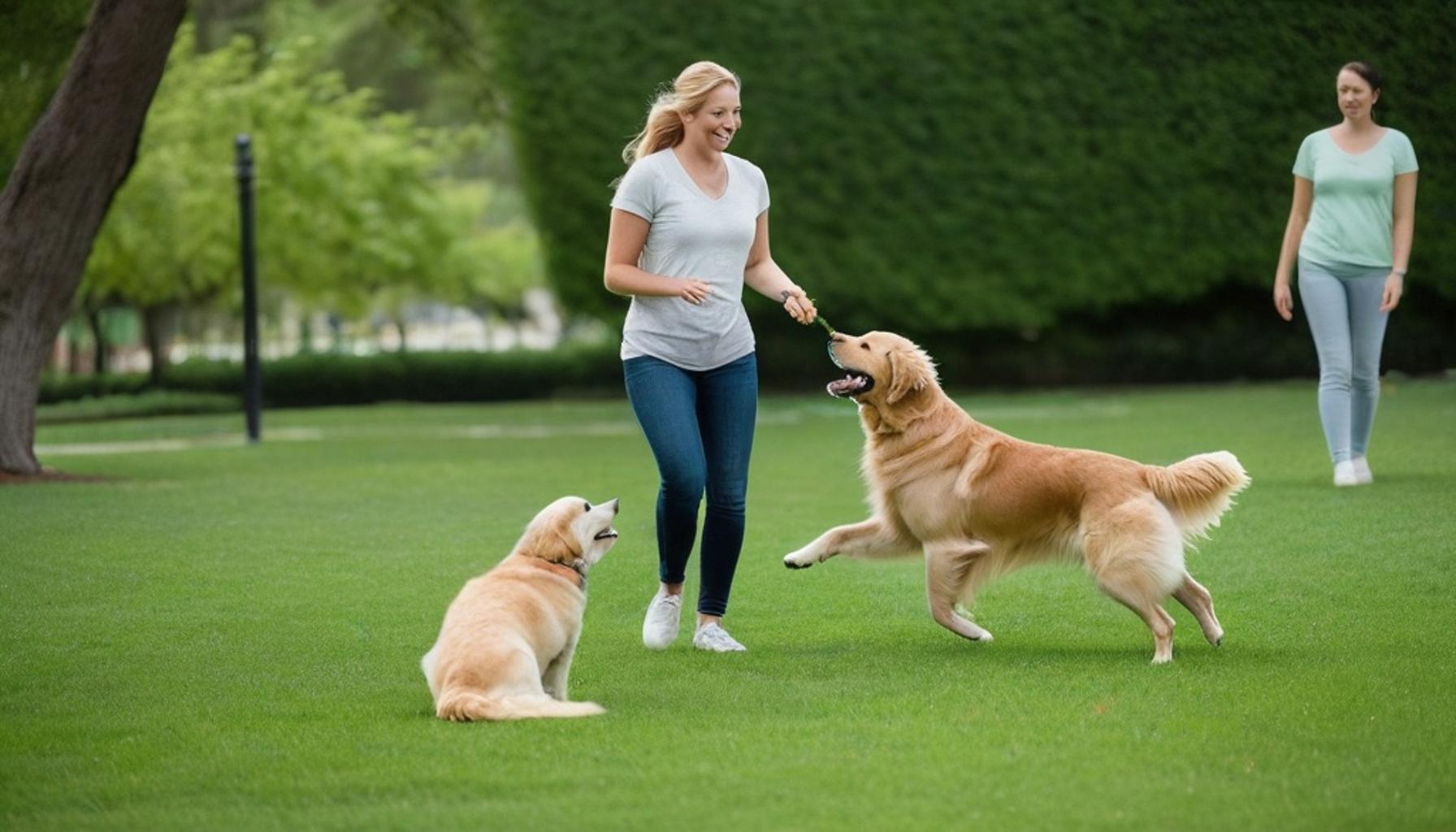
The Influence of Behavior Training on the Socialization of Pets
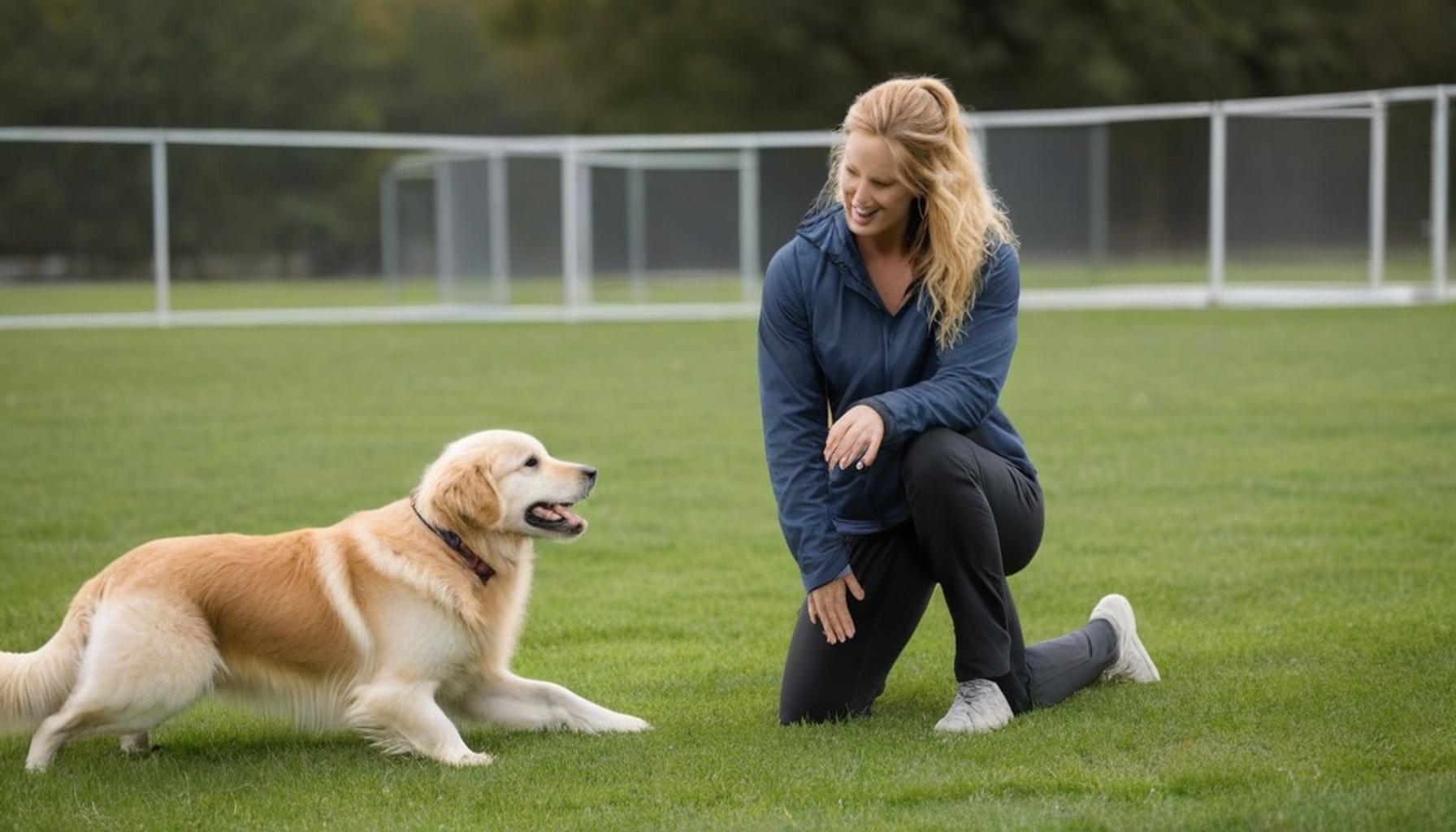
Why Behavior Training Shapes Every Pet’s Social Life
Across bustling Nigerian homes from Lagos to Abuja, more pet owners are discovering that a well-behaved dog or cat is rarely born that way. Behavior Training for Pets plays a decisive role in shaping how animals interact with people, other pets, and unfamiliar environments. From the crowded streets of Ibadan to quiet estates in Port Harcourt, the difference between a calm, adaptable animal and one that panics at every stranger often comes down to the training it received in its earliest months.
Without proper guidance, even the friendliest puppy can develop fear-based aggression or anxiety. A dog that growls at delivery riders or a cat that hides whenever visitors arrive is not necessarily born difficult. In many cases, these behaviors trace back to missed opportunities during a critical developmental window. This is where the Importance of Socializing Pets becomes impossible to ignore.
What This Article Will Explore
Understanding the connection between training and socialization can transform your relationship with your pet. Nigerian households present unique challenges, from generator noise to the constant movement of extended family members, all of which can either help or hinder a pet’s development. Here’s what you’ll discover:
- How Dog Behavior Training reduces aggression and fear in unfamiliar settings, particularly in high-density urban areas
- Why Positive Reinforcement in Pets outperforms punishment-based methods, and what science says about long-term outcomes
- Practical Pet Training Techniques suited for Nigerian households and climates, including how heat and humidity affect training sessions
- The critical age window for introducing pets to new people, animals, and sounds, a window that many owners unknowingly miss
Studies suggest that puppies socialized between 3 and 14 weeks old show significantly fewer behavioral problems later in life. Some veterinary behaviorists argue this window is even more crucial in environments with heavy noise pollution and frequent human traffic, conditions common across many Nigerian cities. That statistic alone raises an important question: are Nigerian pet owners starting training early enough?
Consider the everyday scenarios many pet owners face. A dog barking uncontrollably at okada riders, a cat that scratches whenever the doorbell rings, or a puppy that trembles during Owambe celebrations with loud music and crowds. These are not random occurrences. They are often signals of insufficient early exposure to varied stimuli.
This article unpacks the science, the myths, and the everyday strategies behind raising a confident, sociable pet. It also examines how cultural attitudes toward pets in Nigeria, where dogs are frequently kept for security rather than companionship, might be influencing training priorities and outcomes across different households.
LEARN MORE: The Importance of Behavioral Training for the Mental Health of Pets
# The Science Behind Early Socialization
Every pet owner in Nigeria has witnessed it: a puppy that once trembled at the sound of a passing motorcycle now walks confidently past traffic on Awolowo Road. That transformation is not magic. It is the direct result of Behavior Training for Pets applied consistently during the animal’s most impressionable months.
Veterinary behaviorists describe this period as a neurological window where a puppy’s or kitten’s brain is uniquely receptive to new experiences. During this stage, exposure to different sounds, textures, people, and animals gets encoded as “normal” rather than threatening. Miss this window, and the same stimuli can later trigger fear, avoidance, or aggression.
Research from animal behavior studies suggests this critical period typically spans from roughly three to fourteen weeks of age in puppies, with kittens experiencing a similarly narrow window between two and seven weeks. Within this brief span, the developing brain forms lasting associations that will influence temperament for the rest of the animal’s life. It is a small window with outsized consequences, and many owners are simply unaware it exists until problems surface months or years later.
What Happens Without Proper Exposure
Pets raised in isolation, whether locked indoors for safety or rarely exposed to visitors, often develop what trainers call under-socialization syndrome. This is not a medical diagnosis, but the pattern is well documented across veterinary case studies.
Common signs include:
- Excessive barking or hiding when unfamiliar people enter the compound
- Difficulty adjusting to new environments, such as visits to a veterinary clinic in Ikeja or a boarding facility
- Heightened startle response to loud noises, including generators, thunder, or fireworks during Christmas and New Year celebrations
- Reluctance to interact with other animals, even after repeated introductions
These behaviors rarely disappear on their own. Left unaddressed, they tend to intensify with age, making the Importance of Socializing Pets a matter that deserves attention from the very first weeks of ownership. Some owners mistake this fearfulness for loyalty or protectiveness, when in reality it often signals unresolved anxiety that could have been prevented with earlier, gentler exposure.
Why Nigerian Households Face Distinct Challenges
Unlike quieter suburban settings elsewhere, many Nigerian homes operate amid constant sensory input. Extended family visits, generator noise, street vendors, and religious gatherings create an environment that could either strengthen a pet’s adaptability or overwhelm it, depending on how exposure is managed.
This is precisely where structured Dog Behavior Training becomes valuable. Rather than shielding a puppy from noise and activity, gradual, controlled exposure teaches the animal that these experiences are manageable rather than dangerous.
Some trainers recommend starting with short, five-minute exposures to moderate stimuli, such as household chatter or distant traffic sounds, before progressing to busier environments like markets or motor parks. This incremental approach mirrors techniques used internationally but adapted for the realities of urban Nigerian life.
Interestingly, this same principle applies to introducing pets to other animals. A puppy that meets a neighbor’s calm, older dog under supervision at eight weeks old is far more likely to grow into a socially confident adult than one whose first canine encounter happens unexpectedly in a crowded compound at eight months. The sequencing matters just as much as the exposure itself.
The evidence suggests that timing, consistency, and environment all interact to shape a pet’s long-term temperament, a topic explored further in the sections ahead.
Key Aspects of Behavior Training for Pets and Their Impact on Socialization
Understanding how Behavior Training for Pets shapes social development requires examining specific techniques and their measurable outcomes. The table below breaks down critical elements that pet owners should recognize when pursuing effective Pet Training Techniques.
| Training Aspect | Impact on Socialization |
|---|---|
| Positive Reinforcement in Pets | Builds trust, reduces fear-based reactions during new encounters |
| Early Puppy Classes | Dog Behavior Training introduced before 16 weeks improves adaptability |
| Controlled Exposure | Gradual introduction to people, animals, and environments lowers anxiety |
| Importance of Socializing Pets | Prevents aggressive behavior, supports smoother public interactions |
Each element listed above contributes to a broader framework of Socialization of Pets that extends well beyond basic obedience, influencing long-term temperament and adaptability in unpredictable settings.
RECOMMENDED: Effective Behavioral Training Techniques for Dogs and Cats
# From Fear to Confidence: Practical Training Techniques That Work
Once the science of early exposure is understood, the next question most Nigerian pet owners ask is practical: what actually works? The answer lies in specific Pet Training Techniques that have been tested across households, veterinary clinics, and training facilities from Lagos to Abuja.
Not every method produces lasting results. Some approaches build confidence steadily, while others create dependency on the trainer rather than genuine behavioral change. Understanding the difference matters for anyone serious about raising a well-adjusted companion animal.
Positive Reinforcement: The Method Backed by Evidence
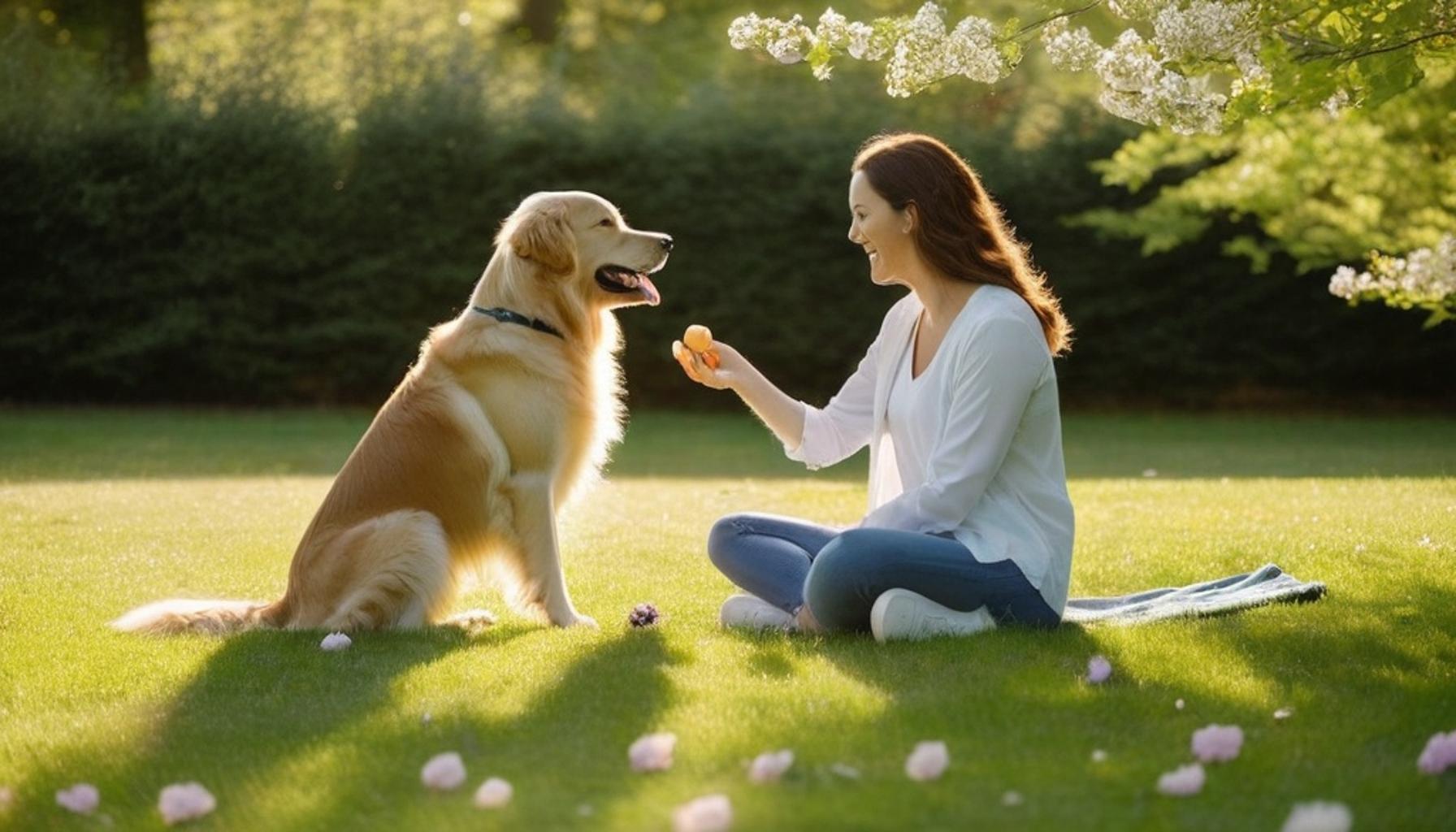
Positive Reinforcement in Pets training has emerged as the most consistently effective approach across veterinary behavior studies. The premise is simple: reward desired behavior immediately, and the animal repeats it.
In practice, this might look like:
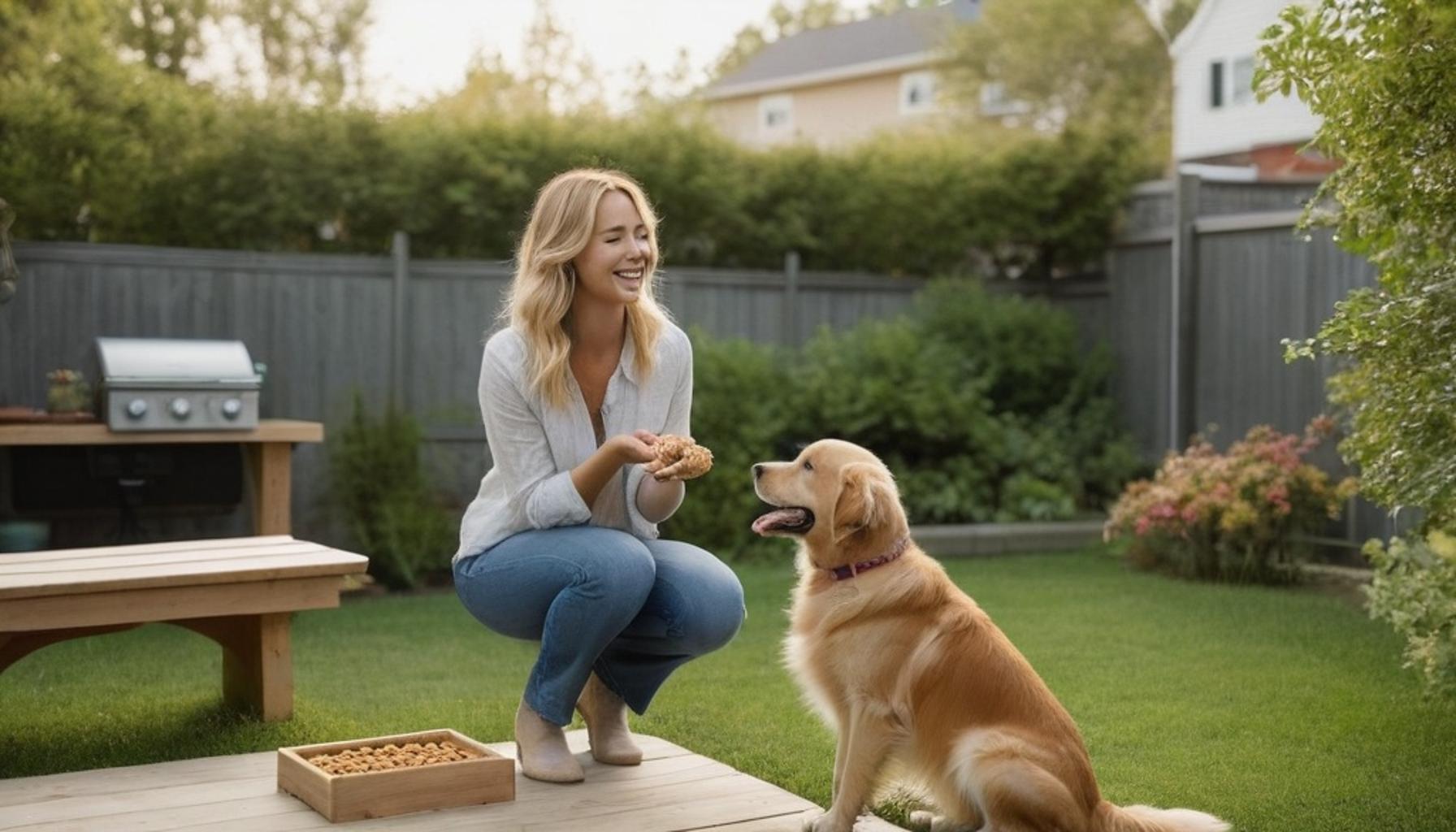
- Offering a small treat the moment a puppy remains calm during a generator startup
- Using verbal praise when a cat tolerates being handled by a visiting relative
- Rewarding a dog for sitting quietly instead of lunging at okada riders passing the gate
Studies on operant conditioning suggest that animals trained through reward-based methods show fewer signs of anxiety and aggression compared to those trained through punishment or dominance-based techniques. Punishment may suppress a behavior temporarily, but it often does so by increasing fear rather than teaching the animal what to do instead.
This distinction carries weight beyond theory. A dog that learns to sit through fear of a slap may comply, but the underlying nervous system remains on high alert, ready to react unpredictably when the trainer is absent. A dog that learns to sit for a treat, on the other hand, develops a calmer baseline temperament that carries into unfamiliar situations, whether that is a crowded market in Onitsha or a quiet evening at home.
Timing and Consistency Matter More Than Intensity
One detail frequently overlooked by first-time pet owners is timing. A reward given ten seconds after good behavior teaches the animal very little. Trainers generally recommend reinforcement within one to two seconds of the desired action for the association to stick.
Consistency across household members matters equally. If one family member allows a dog to jump on visitors while another discourages it, the mixed signals slow progress considerably. Households with domestic staff, extended family, or frequent visitors, common across many Nigerian homes, benefit from agreeing on shared rules before training begins.
Some trainers in Port Harcourt and Ibadan now recommend a simple household chart listing approved commands and rewards, pinned somewhere visible, so that everyone from the gateman to the youngest child reinforces the same expectations. This small step, according to several animal behaviorists, reduces confusion and shortens the overall training timeline.
Structured Sessions Versus Everyday Moments
Formal training sessions of ten to fifteen minutes, twice daily, tend to produce measurable progress within two to four weeks for basic commands. However, Socialization of Pets does not happen only in structured sessions.
Everyday moments, a trip to the market, a knock at the gate, an encounter with a neighbor’s goat, offer organic training opportunities that structured sessions cannot replicate. Owners who treat these moments as teaching opportunities, rather than inconveniences, often see faster social adaptation in their pets.
Clicker training, a technique using a distinct sound paired with rewards, has also gained traction among Nigerian trainers for its precision in marking exact moments of good behavior. While it requires an initial learning curve, many owners report clearer communication with their pets once the association is established.
Whether the tool is a clicker, a treat pouch, or simply a consistent tone of voice, the underlying principle remains the same: animals thrive on clarity, patience, and reward. For Nigerian pet owners navigating unique urban and rural environments, blending structured technique with everyday opportunity may be the most reliable path from fear to genuine confidence.
Building Lasting Bonds Through Consistent Training
The evidence gathered from Lagos veterinary clinics to rural compounds in Enugu points to one clear conclusion: Behavior Training for Pets is not a luxury reserved for show animals or imported breeds. It is a foundational practice that shapes how an animal experiences the world around it.
Throughout this discussion, a pattern emerges. Early exposure reduces fear. Reward-based methods build trust. Consistency across household members accelerates progress. None of these principles work in isolation, and skipping one often undermines the others.
What stands out most is how ordinary daily life in Nigeria, generator noise, market crowds, unfamiliar visitors, becomes a training ground rather than a source of stress once owners understand the mechanics behind Dog Behavior Training and feline conditioning alike.
The Importance of Socializing Pets extends beyond good manners. A well-socialized animal experiences lower baseline anxiety, adapts faster to new environments, and poses fewer risks to visitors, children, or other animals sharing the same compound.
For owners still hesitant about investing time into structured routines, the data offers a compelling nudge. Behaviorists consistently report that animals exposed to Positive Reinforcement in Pets training display fewer aggressive incidents and recover faster from startling situations, whether that is a sudden downpour or an unfamiliar dog at the gate.
Perhaps the most valuable takeaway is this: socialization is never truly finished. It continues through every market trip, every new visitor, every unexpected sound. Owners who treat training as an ongoing conversation rather than a one-time lesson tend to raise calmer, more adaptable companions.
As more Nigerian households welcome dogs and cats into daily life, the responsibility to understand these methods grows accordingly. The techniques exist. The evidence is documented. What remains is a willingness to apply them, one small, consistent interaction at a time.
Frequently Asked Questions
At what age should I start behavior training for pets in Nigeria to improve socialization?
Ideally, behavior training for pets should begin between 8 and 16 weeks of age, which is the critical socialization window for puppies and kittens. In Nigeria, where many pets are also exposed to street animals and diverse environments, early training helps them adapt calmly to people, other animals, and loud surroundings like markets or generators. Even adult rescue pets can still benefit from structured training, though it may take longer to see results.
How does behavior training help my dog get along with other pets and visitors at home?
Behavior training for pets teaches dogs to respond to commands like sit, stay, and leave it, which reduces aggressive or fearful reactions when new people or animals are introduced. This is especially useful in Nigerian households where extended family, gatemen, and neighbors frequently visit. A well-socialized, trained dog is less likely to bark excessively, bite, or show anxiety around strangers.
Can behavior training reduce aggressive behavior in local Nigerian dog breeds like Alsatians and Caucasians?
Yes, consistent behavior training can significantly reduce aggression in strong-willed breeds such as Alsatians, Caucasian Shepherds, and Boerboels commonly kept for security in Nigeria. Positive reinforcement techniques, combined with early exposure to different environments and people, help these breeds distinguish between real threats and normal social situations. Working with a professional dog trainer in cities like Lagos or Abuja can speed up this process for guard dogs.
What are affordable ways to start behavior training for pets without hiring a professional trainer in Nigeria?
You can start with basic obedience commands at home using treats, consistent routines, and short daily 10-15 minute sessions to build good habits. Exposing your pet gradually to different sounds, people, and other animals within your compound also supports natural socialization. Many pet owners in Nigeria also use free online tutorials or join local pet owner communities on social media to share training tips and hold informal group sessions.

Linda Carter
Linda Carter is a writer and pet care expert specializing in pet health, grooming, and wellness. With extensive experience helping pet owners create safe, loving, and enriching environments for their animals, Linda shares her knowledge on our platform. Her goal is to empower readers with practical advice and strategies to ensure their pets thrive and lead joyful, healthy lives.