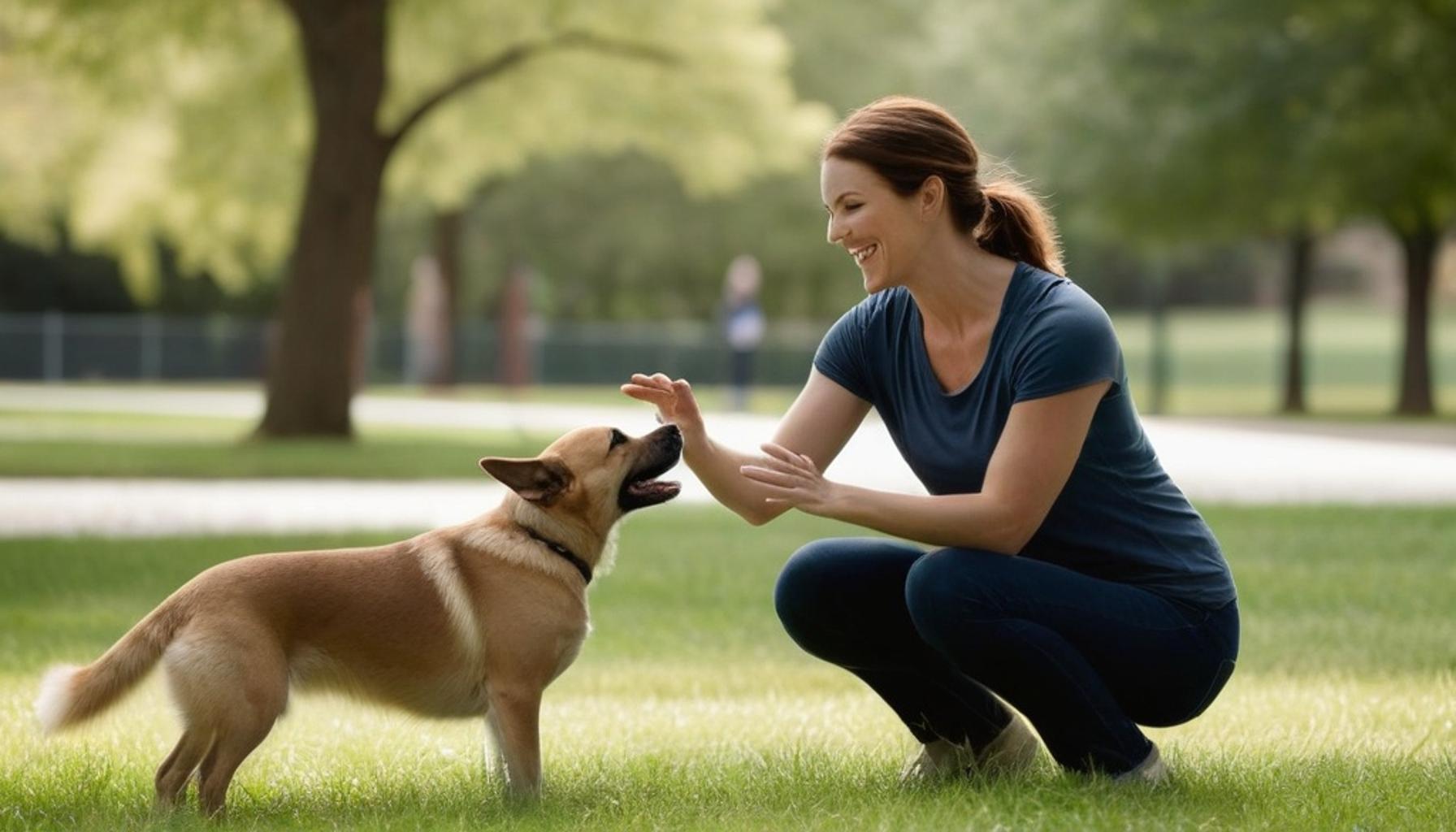
The Importance of Behavior Training in the Emotional Health of Pets

Why Your Pet’s Mind Matters as Much as Its Body
From the bustling streets of Lagos to the quiet compounds of Enugu, more Nigerian households are welcoming dogs and cats as family members. Estate compounds in Lekki, family houses in Abuja, and even modest apartments in Port Harcourt now echo with the sound of paws and purrs. But as pet ownership grows, so does a critical question many owners overlook: what about their emotional well-being?
Behavior Training for Pets is no longer just about teaching a dog to sit or a cat to use the litter box. It’s a proven pathway to a healthier, calmer, and more emotionally balanced companion animal. Many Nigerian pet owners focus solely on obedience for convenience, forgetting that a well-trained pet is often a mentally stable one too.
The Hidden Link Between Behavior and Emotion
Veterinary behaviorists worldwide report that untrained pets are significantly more prone to anxiety, aggression, and stress-related illnesses. This connection between structured training and the emotional health of pets is backed by growing research, some of which is now being studied by local veterinary clinics in Nigeria as pet culture shifts from purely functional ownership, such as guard dogs, to companionship-based relationships.
Consider these eye-opening facts:
- Pets with consistent training show lower cortisol levels, the hormone linked to stress
- Untrained dogs are three times more likely to develop separation anxiety
- Cats subjected to positive behavior reinforcement display fewer signs of compulsive grooming or hiding
- Dogs trained with reward-based methods show improved sociability with both humans and other animals
What This Means for Nigerian Pet Owners
With urban living spaces shrinking, especially in cities like Lagos and Ibadan, and busy work schedules becoming the norm, many pets are left alone for extended periods. This makes practical dog training tips and effective cat behavior training strategies more relevant than ever. Imagine a German Shepherd guarding a compound in Kaduna, or a local mixed-breed dog roaming a family house in Abeokuta; both benefit immensely from structured mental engagement, not just physical exercise.
This article explores the science behind improving pet emotional health through training. We’ll uncover the real benefits of pet behavior training and how simple, consistent habits, from short daily commands to interactive play, can transform your pet’s inner world, making them calmer companions in an increasingly fast-paced Nigerian lifestyle.
YOU MAY ALSO LIKE: How Behavioral Training Can Reduce Anxiety Issues in Pets
Decoding Pet Emotions: What Your Dog or Cat Is Really Telling You
Before diving into training techniques, it helps to understand what emotional distress actually looks like in pets. Many Nigerian households mistake anxious or destructive behavior for stubbornness or “bad character,” when in reality, these are often cries for emotional support.
A dog that barks excessively at every visitor in a Surulere compound might not be aggressive by nature. It could be exhibiting fear-based anxiety stemming from a lack of structured socialization. Similarly, a cat that hides under furniture whenever guests arrive at a Port Harcourt home may be signaling chronic stress rather than simple shyness.
Common Signs of Emotional Distress in Pets
Recognizing these signals early is the first step toward improving pet emotional health. Veterinary behaviorists point to several red flags Nigerian pet owners should watch for:
- Excessive barking, howling, or meowing without clear triggers
- Destructive chewing, scratching, or digging, especially when left alone
- Sudden aggression toward familiar people or other household pets
- Repetitive behaviors like tail-chasing, over-grooming, or pacing
- Loss of appetite or unusual withdrawal from family interaction
These symptoms often overlap with physical illness, which is why many owners overlook the emotional root cause. A trip to the vet may rule out disease, but the real solution frequently lies in structured Behavior Training for Pets rather than medication alone.
It is worth noting that these behaviors do not appear overnight. In many cases, they build gradually over weeks or months, shaped by a pet’s environment, routine, and the amount of attention it receives from its human family. A puppy raised in a noisy Lagos household with constant visitors, generator hums, and street traffic may develop a very different emotional baseline than one raised in a quieter Jos neighborhood. Understanding this environmental influence is crucial because it means emotional distress is rarely random; it is almost always a response to something happening around the animal.
Why Nigerian Pet Owners Are Especially Vulnerable to This Gap
Unlike in countries with established pet psychology industries, Nigeria’s veterinary infrastructure is still catching up on behavioral medicine. Most clinics in cities like Ibadan or Kano focus heavily on vaccinations and physical ailments, leaving emotional wellness as an afterthought.
This gap creates a cycle where untrained pets develop worsening anxiety, owners grow frustrated, and in the worst cases, animals are abandoned or rehomed. Data from animal welfare groups operating in Lagos suggests that behavioral issues, not medical ones, are the leading cause of pet abandonment in urban Nigerian communities.
Compounding this issue is the widespread misconception that pets, particularly dogs kept for security purposes, should be inherently aggressive or fearful as proof of their “usefulness.” This cultural framing often discourages owners from seeking help when their pet displays anxiety, since the behavior is misread as a desirable trait rather than a warning sign. Meanwhile, cats, often left to roam compounds with minimal interaction, rarely receive attention until their stress manifests as destructive scratching or complete withdrawal.
Understanding this connection between mind and behavior sets the stage for exploring practical, actionable methods, the kind of dog training tips and cat behavior training strategies that any Nigerian household can realistically apply, regardless of budget or living space.

Key Aspects of Behavior Training for Pets and Emotional Wellness
Understanding how Behavior Training for Pets shapes the emotional health of pets requires looking at specific training areas and their direct impact on daily life. The table below breaks down core aspects that pet owners should prioritize, from foundational obedience to stress reduction techniques. These elements work together to build trust, reduce anxiety, and strengthen the human-animal bond, offering a clear roadmap for anyone seeking practical dog training tips or effective cat behavior training strategies.
| Training Aspect | Emotional Impact |
|---|---|
| Socialization | Reduces fear and aggression toward strangers or other animals |
| Positive Reinforcement | Builds confidence and strengthens trust with owners |
| Routine Establishment | Lowers anxiety through predictability and structure |
| Enrichment Activities | Prevents boredom-driven stress and destructive behavior |
Each of these training pillars contributes to the broader goal of improving pet emotional health, proving that consistent, structured guidance delivers measurable benefits far beyond simple obedience.
RECOMMENDED: The Importance of Behavioral Training for the Well-Being of Pets
# The Science Behind Structured Training and Emotional StabilityOnce Nigerian pet owners recognize the warning signs of distress, the natural next question becomes: does training actually change anything? The answer, according to veterinary behaviorists worldwide, is a resounding yes. Behavior Training for Pets works because it directly addresses the nervous system’s response to uncertainty, and uncertainty is often the root cause of anxiety in dogs and cats.
How Predictability Reduces Anxiety in Pets
Animals thrive on routine. A dog that knows exactly when it will be fed, walked, and let outside experiences significantly less cortisol spike than one living in unpredictable chaos. This is particularly relevant in Nigerian homes where schedules can be irregular due to work commutes, NEPA-related generator noise, or frequent houseguests.Structured training introduces consistency, which the animal’s brain interprets as safety. This is one of the core benefits of pet behavior training that often gets overlooked in favor of simpler goals like “stopping the biting” or “teaching sit.”Consider these training elements that build predictability:
- Fixed feeding and walking times that mirror the household’s daily rhythm
- Consistent commands used by every family member, not just one person
- Designated “safe zones” where the pet can retreat without disturbance
- Gradual exposure to triggers like visitors, generators, or traffic noise
What Nigerian Trainers Are Seeing on the Ground
Professional trainers operating in cities like Abuja and Lagos report a pattern worth noting. Dogs enrolled in even basic obedience programs, spanning six to eight weeks, show measurable drops in reactive barking and destructive chewing. Cats introduced to structured play routines using simple tools like feather wands or puzzle feeders display less over-grooming and more relaxed body posture within a similar timeframe.These outcomes align with global research showing that mental stimulation reduces stress hormones in companion animals. A tired mind, much like a tired body, is less likely to spiral into anxious repetition.
Beyond Obedience: Training as Emotional Communication
There is a deeper layer here that many owners miss. Training is not just about commands; it is a language system. When a dog learns to associate “sit” with calm reward rather than punishment, it also learns that its owner is a predictable, trustworthy source of guidance.This trust becomes the foundation for improving pet emotional health long-term. The same applies to cats, who respond remarkably well to reward-based cat behavior training strategies involving clicker cues or scheduled interactive sessions, despite the popular myth that cats cannot be trained at all.Practical dog training tips gaining traction among Nigerian pet owners include short, five-minute daily sessions rather than lengthy weekend attempts, positive reinforcement using local treats like boiled liver, and involving children in basic commands to strengthen the pet’s sense of family hierarchy. Each small, consistent interaction reinforces emotional security, turning training from a chore into a genuine wellness practice for the animal.
Conclusion: Rethinking Training as an Emotional Investment
Across Nigerian households, from Lagos apartments to Kaduna compounds, the evidence points to one clear conclusion: Behavior Training for Pets is not a luxury reserved for show dogs or competition cats. It is a fundamental pillar of the emotional health of pets, one that too many owners discover only after destructive chewing, excessive barking, or withdrawn behavior forces the issue.
What began as a conversation about warning signs and nervous system science should end with a practical truth. Every fixed feeding schedule, every five-minute clicker session with a cat, every consistent command taught to a child in the household contributes to a pet that feels secure rather than anxious.
The benefits of pet behavior training extend well beyond obedience. They touch cortisol levels, sleep quality, social confidence around visitors, and resilience against Nigeria’s unpredictable soundscape of generators and traffic. This is measurable wellness, not sentimentality.
For owners still hesitant, the entry point does not require expensive trainers or imported equipment. Simple dog training tips such as short daily sessions and boiled liver rewards, alongside straightforward cat behavior training strategies using puzzle feeders, can begin producing visible change within weeks.
The larger takeaway is this: improving pet emotional health is an ongoing relationship, not a one-time fix. As more Nigerian pet owners embrace structured, reward-based training, the ripple effect could reshape how the country views animal welfare altogether, moving from reactive discipline toward proactive, compassionate guidance that benefits both pet and household for years to come.

Linda Carter
Linda Carter is a writer and pet care expert specializing in pet health, grooming, and wellness. With extensive experience helping pet owners create safe, loving, and enriching environments for their animals, Linda shares her knowledge on our platform. Her goal is to empower readers with practical advice and strategies to ensure their pets thrive and lead joyful, healthy lives.