Incorporating Outdoor Play into Pet Exercise Routines
Why Fresh Air Matters for Your Furry Friend
Picture a Saturday morning in Lagos, Abuja, or Port Harcourt, where the sun is out and your dog is practically dragging you toward the door. That instinct is not just excitement, it is biology at work.
Outdoor Play for Pets is quickly becoming a cornerstone of responsible pet ownership across Nigeria, and for good reason.
Veterinary experts note that animals confined indoors for long stretches often show signs of restlessness, weight gain, and even behavioral issues. In many Nigerian homes, especially in densely populated cities, pets spend the bulk of their day within compound walls or apartment spaces, missing out on the sensory richness that the outdoors provides. This lack of stimulation can manifest in excessive barking, destructive chewing, or a general lethargy that owners often mistake for simple laziness.
Consider the case of a typical Nigerian estate dog, cooped up while the family is at work or school. Without adequate outlets for energy, that pet may develop anxiety-driven habits, from digging up flowerbeds to gnawing on furniture. Fresh air and open spaces, even something as modest as a nearby park or a dusty football field, offer sensory input that indoor environments simply cannot replicate, think new scents, varying textures underfoot, and the mental challenge of navigating unfamiliar terrain.
What This Article Will Uncover
This piece explores practical ways to blend nature with your pet’s daily fitness plan, moving beyond the usual short leash walks. We will look at how outdoor time influences everything from joint health to social behavior, and why a fifteen-minute stroll around the block might not be cutting it.
- The science-backed benefits of outdoor play for pets, including improved cardiovascular health and mental stimulation
- Simple outdoor activities for dogs suited to Nigeria’s climate and urban spaces
- Step-by-step guidance on how to exercise pets outside safely, even in busy neighborhoods
- Practical pet fitness tips for owners with limited time or access to open fields
Whether you own an energetic Alsatian or a laid-back local mixed breed, structured pet exercise routines that include outdoor elements can transform your companion’s overall wellbeing. From the humid coastal air of Port Harcourt to the drier climate of Abuja, geography plays a role in how you approach your pet’s outdoor schedule, and understanding these nuances can make a significant difference.
Ready to discover how a change of scenery could add years to your pet’s life? Let’s dig in.
CHECK OUT: Recreational Activities for Pets: Creating a Fun Exercise Routine
The Science Behind the Wagging Tail
There is a reason your dog’s whole body seems to light up the moment you reach for the leash. Research in veterinary behavioral science consistently shows that regular outdoor activity lowers cortisol levels in pets, the same stress hormone that spikes in humans stuck in traffic on the Third Mainland Bridge.
Lower cortisol translates to calmer, more predictable pets. It also means fewer of those 2am barking episodes that leave entire compounds in Ikeja or Enugu wide awake.
The benefits of outdoor play for pets extend well beyond mood management. A study frequently cited by animal wellness organizations found that dogs who exercise outdoors for at least thirty minutes daily show a marked reduction in obesity-related conditions, including joint strain and diabetes risk. This matters significantly in Nigeria, where many pets, particularly those kept primarily as guard dogs, spend excessive hours stationary on a chain or within a small kennel.
The scale of this issue is worth pausing on. Veterinary clinics in Lagos and Port Harcourt report a steady rise in weight-related consultations over the past several years, with many cases traced directly back to pets confined indoors or within tight compound spaces for the majority of the day. Owners often assume that a large yard automatically means adequate exercise, yet a dog left alone in an empty yard rarely moves with any real intensity. Purposeful movement, guided by an engaged owner or another animal companion, produces far greater physiological benefit than passive confinement, no matter how spacious the enclosure.
How Movement Shapes the Body and Mind
Outdoor exercise engages muscle groups that indoor pacing simply cannot activate. Running across uneven grass, climbing over fallen branches, or navigating a sandy path near the coast in Calabar all require balance and coordination that build stronger cores and more resilient joints over time.
There is also a cognitive dimension often overlooked by pet owners. Dogs and even cats rely heavily on scent-tracking as a form of mental exercise. A compound wall offers a limited, repetitive set of smells. A local park, farm road, or riverside trail introduces an ever-changing sensory map that keeps the brain engaged.
This sensory stimulation appears to matter as much as the physical exertion itself. Animal behaviorists have noted that dogs allowed to sniff freely during walks display lower heart rates afterward compared to dogs walked briskly without pause. The simple act of investigating a new scent, whether from a passing goat, a neighbor’s cooking, or fresh rainfall on soil, appears to satisfy a deep instinctual need. Owners who rush their pets through walks without allowing this exploration may be missing one of the most valuable components of the entire exercise session.
Veterinarians treating urban pets across Nigeria have observed the following patterns linked to insufficient outdoor stimulation:
- Increased aggression toward visitors or other household pets
- Excessive grooming or self-licking, sometimes leading to skin irritation
- Reduced appetite or, conversely, compulsive overeating out of boredom
- Difficulty settling down at night, disrupting the whole household’s sleep pattern
These are not simply quirks of temperament. They are often direct signals that a pet’s pet exercise routines lack sufficient variety and outdoor exposure.
Interestingly, some of these behavioral signs mirror patterns seen in other domesticated species denied adequate stimulation, suggesting the underlying mechanism, an unmet need for physical and sensory engagement, may be far more universal across the animal kingdom than previously assumed. This raises an important question for pet owners across Nigerian cities: how much of what gets labeled as bad behavior is actually a request for more movement, more scent, and more variety in daily routine?
Understanding this connection between movement, environment, and behavior sets the foundation for everything that follows in building a smarter, more sustainable fitness plan for the animals sharing our homes.
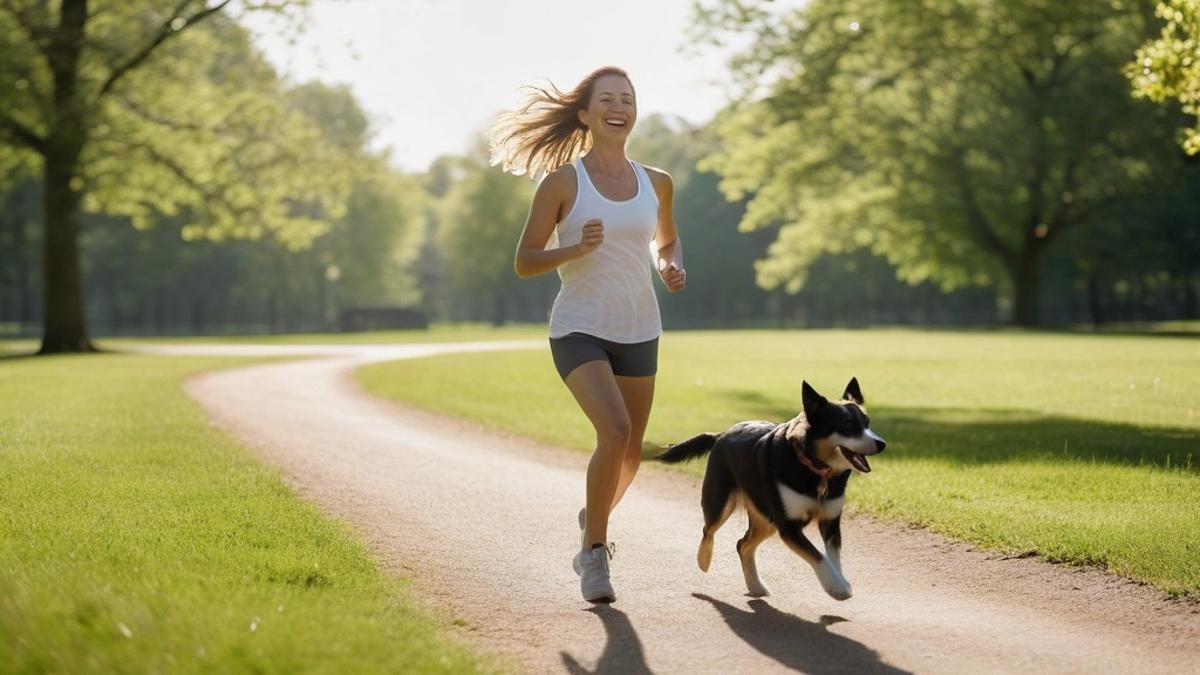
Key Aspects of Outdoor Play for Pets: A Quick-Reference Guide
Understanding how Outdoor Play for Pets fits into daily routines helps pet owners design smarter, more effective pet exercise routines. The table below breaks down essential categories, from physical benefits to specific outdoor activities for dogs, offering a snapshot of what works and why it matters.
| Category | Key Insights |
|---|---|
| Physical Health | Boosts cardiovascular fitness, strengthens muscles, and helps manage weight through regular movement outdoors. |
| Mental Stimulation | Exposure to new scents, sounds, and terrain reduces boredom and anxiety in pets significantly. |
| Social Interaction | Encounters with other animals and people improve behavioral skills and confidence over time. |
| Recommended Activities | Fetch, hiking, swimming, and agility courses rank among the most effective outdoor activities for dogs. |
| Safety Tips | Hydration, weather awareness, and leash control remain essential pet fitness tips for safe outdoor sessions. |
YOU MAY ALSO LIKE: How to Incorporate Exercise into Your Pet’s Daily Routine
Building a Practical Outdoor Routine That Fits Nigerian Realities
Knowing that movement matters is one thing. Structuring outdoor activities for dogs and other pets around Nigeria’s climate, security concerns, and unpredictable schedules is another challenge entirely.
Heat is perhaps the biggest obstacle. Midday temperatures in cities like Kano or Abuja can climb well past 35 degrees Celsius, making pavement dangerously hot for paws and raising the risk of heatstroke within minutes. Veterinarians generally recommend scheduling outdoor play for pets either early morning, before 9am, or in the cooler hours after 5pm, when the sun has lost most of its bite. Humidity along the coast in Lagos and Port Harcourt compounds the problem further, since damp air makes it harder for animals to cool themselves through panting, leaving many pets sluggish and irritable if exercised at the wrong hour.
Beyond heat, unpredictable power outages and erratic traffic patterns often force households to rethink when outdoor time is even feasible. A generator running during peak afternoon hours, for instance, might mean a compound gate stays shut longer than usual, pushing exercise windows later into the evening than originally planned.
Practical Steps for Getting Started
Owners wondering how to exercise pets outside without overhauling their entire day can start small. Consistency tends to matter far more than duration.
- Begin with fifteen-minute walks around the compound perimeter or nearby street before extending to longer routes
- Use a secure harness rather than a collar alone, particularly on busy roads where sudden pulls are common
- Carry water for pets during any outing longer than twenty minutes, even on seemingly mild days
- Rotate walking routes weekly to introduce fresh scents and visual stimulation
- Pair outdoor sessions with basic obedience cues to reinforce calm behavior around traffic, motorcycles, and street vendors
These small adjustments form the backbone of sustainable pet exercise routines that do not require expensive equipment or dedicated dog parks, which remain scarce outside a handful of estates in Lagos and Abuja. Many owners in Ibadan and Enugu have reported similar success simply by treating early morning walks as non-negotiable, much like a daily commute, rather than an optional extra squeezed in when time allows.
Making Use of What Is Already Available
Not every household has access to green space, yet creative substitutes exist. Some residential estates in Lekki and Victoria Island have begun setting aside communal jogging paths that double as informal pet exercise areas during quieter hours. Compound owners in less urban areas often find that simply allowing supervised access to a neighbor’s larger yard, in exchange for reciprocal favors, opens up new exercise possibilities without any financial cost.
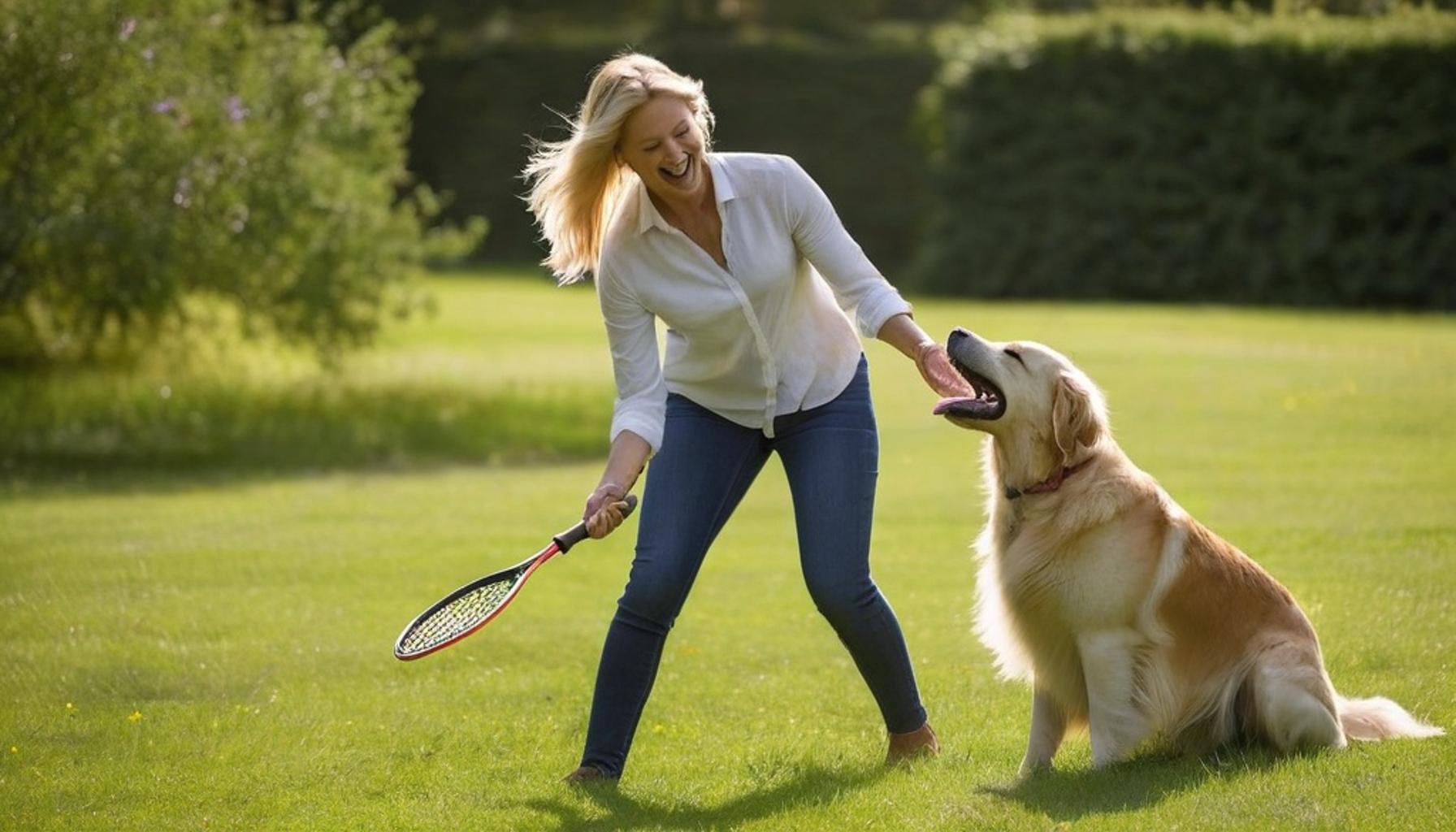
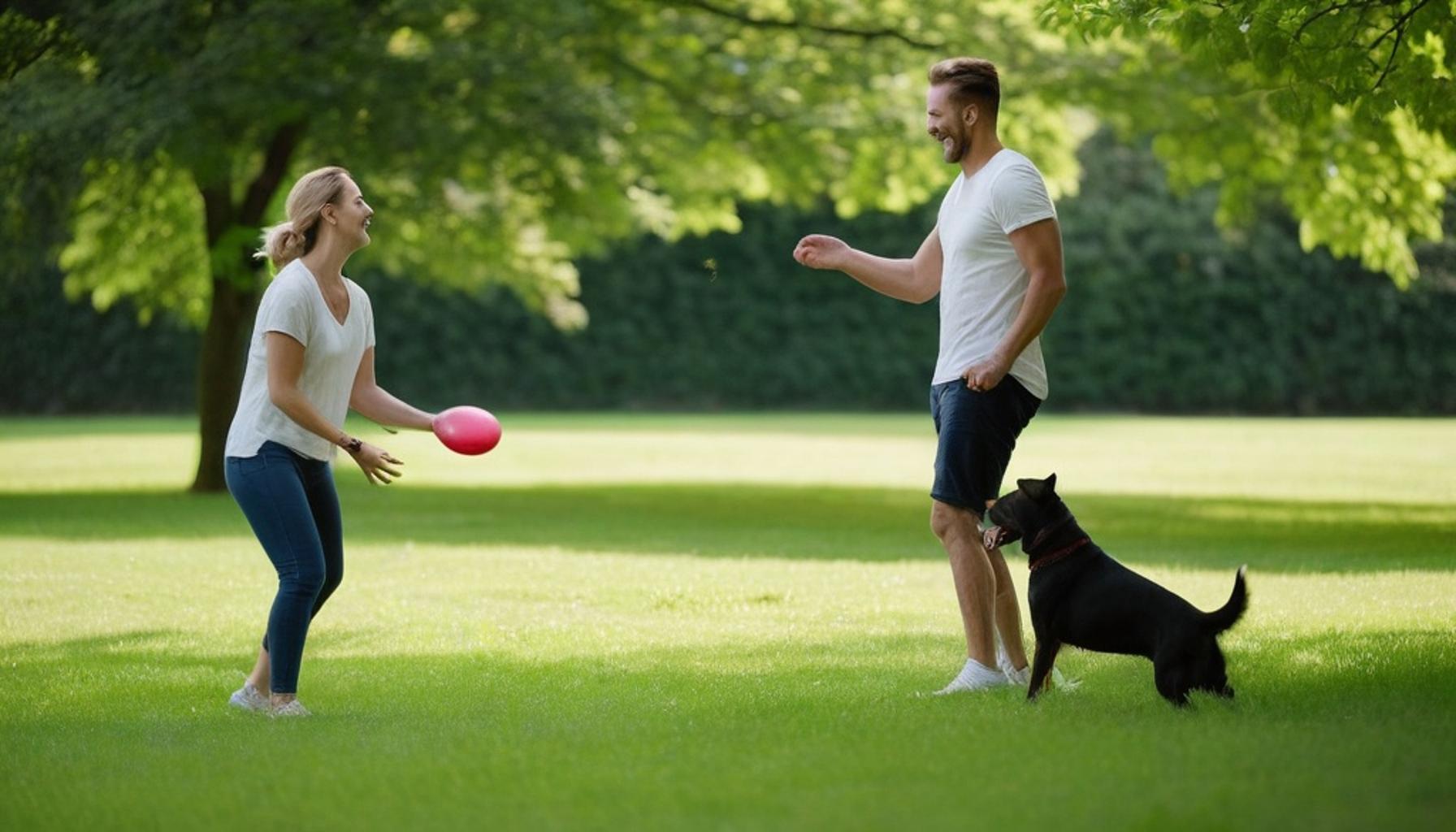
Fetch games using a tennis ball or improvised toy remain among the most efficient calorie-burning activities available, requiring minimal space while delivering intense bursts of movement. A twenty-minute fetch session can rival the exertion of a much longer walk, making it one of the more practical pet fitness tips for owners short on time. Even a narrow corridor between buildings can serve this purpose, provided there is enough clearance for a short sprint and quick turn.
Cats, often overlooked in these discussions, benefit similarly from supervised outdoor time on a harness, particularly breeds prone to indoor lethargy. A few minutes of exploring a garden bed or sniffing along a fence line can noticeably reduce restlessness later in the evening. Some owners have even noticed improved appetite and sleep patterns after introducing this simple habit just a few times a week.
The specific method matters less than the principle underlying it: deliberate, engaged movement outdoors, tailored to what a household can realistically sustain, produces measurable improvements in both physical condition and temperament over time. For many Nigerian households navigating tight schedules, unreliable infrastructure, and shifting weather patterns, the goal is not perfection but persistence, finding whatever small window works and protecting it as a fixed part of the day.
Turning Small Habits Into Lasting Wellbeing
Across this discussion, one thread has remained constant: outdoor play for pets is not a luxury reserved for households with sprawling gardens or flexible schedules. It is an achievable, adaptable habit that can take root in a Lagos apartment, a Kano compound, or a shared estate in Port Harcourt, provided owners are willing to work around the constraints rather than wait for ideal conditions.
The benefits of outdoor play for pets extend well beyond weight management. Improved joint mobility, sharper mental alertness, and calmer behavior indoors all trace back to those short bursts of fresh air and movement. A dog that sprints after a ball for twenty minutes or a cat that spends a few supervised minutes exploring a fence line is not simply burning calories; it is satisfying instincts that indoor living rarely accommodates.
Nigeria’s climate and infrastructure will always demand some flexibility. Heat, power outages, and irregular traffic mean no single schedule works for every household. Yet the owners who succeed tend to share one trait: they treat outdoor time as fixed, not optional, adjusting the hour rather than skipping it altogether.
Looking ahead, as more estates in cities like Abuja and Lagos consider communal jogging paths and pet-friendly spaces, opportunities for structured outdoor activities for dogs and other animals are likely to expand. Until then, the practical pet fitness tips outlined throughout this piece, from harness use to fetch games in narrow corridors, remain accessible starting points.
Ultimately, learning how to exercise pets outside within local realities is less about following a rigid formula and more about observation. Owners who pay attention to their pet’s energy, mood, and physical response will naturally refine their approach over time, building routines that fit their household and hold up under Nigeria’s unpredictable daily rhythms.
Frequently Asked Questions
What time of day is safest for outdoor play for pets in Nigeria’s hot climate?
Early morning between 6am and 9am or late evening after 5pm are the safest times, since the midday sun and heat between 12pm and 4pm can cause heatstroke or burn your pet’s paw pads on hot pavement. Always provide fresh water during and after play, and watch for signs of overheating like excessive panting or drooling. If temperatures exceed typical seasonal highs, consider shortening the session or moving activities indoors.
How can I incorporate outdoor play into my dog’s exercise routine if I live in a compound without a large yard?
You can use fetch games, tug-of-war, or agility drills with household items like chairs or cones within a small compound space to keep your dog active. Walking your dog around the neighborhood or to a nearby open field also adds variety and mental stimulation. Even short, frequent sessions of 15 to 20 minutes several times a day can meet your pet’s exercise needs without requiring a large space.
Are there specific risks to outdoor play for pets in Nigeria, such as stray animals or extreme weather?
Yes, common risks include encounters with stray dogs that could lead to fights or disease transmission, exposure to ticks and fleas in grassy areas, and sudden downpours during the rainy season. It’s important to keep your pet on a leash in unfamiliar areas, apply tick and flea prevention regularly, and check weather forecasts before heading out. Vaccinations, especially against rabies, are also essential since stray animal exposure is common in many Nigerian neighborhoods.
What are some affordable outdoor toys or activities for pet exercise available in Nigeria?
Simple items like rubber balls, old tires for tug games, or homemade obstacle courses using sticks and stones can provide effective outdoor exercise without high costs. Many pet owners also use local markets or online platforms like Jumia to find affordable frisbees, ropes, and balls. Group play with other pet owners in your estate or community can further reduce costs while adding social benefits for your pet.

Linda Carter
Linda Carter is a writer and pet care expert specializing in pet health, grooming, and wellness. With extensive experience helping pet owners create safe, loving, and enriching environments for their animals, Linda shares her knowledge on our platform. Her goal is to empower readers with practical advice and strategies to ensure their pets thrive and lead joyful, healthy lives.