Training Strategies to Promote Healthy Behaviors in Pets
Building a Foundation for a Healthier Pet Lifestyle
From bustling homes in Lagos to quiet compounds in Enugu, pet ownership across Nigeria is growing steadily, and with it comes a rising need for effective training strategies for healthy pets. Many pet parents focus on feeding and shelter, but behavior training is equally critical for long-term wellbeing. A well-trained dog or cat is not just obedient—it is calmer, safer, and healthier overall.
Veterinary experts note that promoting healthy pet behaviors early can prevent common issues like aggression, anxiety, and destructive habits. In fact, studies suggest that pets trained consistently from a young age show fewer stress-related illnesses later in life. This makes pet training techniques a vital investment, not just a luxury.
Nigerian households often deal with unique challenges that make training especially important. Generator noise, market crowds, and frequent visitors can all trigger stress in untrained animals. A dog that has never learned to cope with sudden loud sounds may bark uncontrollably or attempt to flee, putting both the pet and neighbors at risk. Similarly, cats left without structured routines may develop compulsive behaviors such as excessive grooming or hiding for extended periods. These are not just inconveniences—they are signs of deeper physiological stress that, left unaddressed, can shorten a pet’s lifespan.
Why Training Goes Beyond Obedience
Good training shapes routines that support physical and mental health. Consider these benefits:
- Dog training tips like leash walking encourage regular exercise and reduce obesity risks.
- Cat behavior training can minimize destructive scratching and litter box issues.
- Positive reinforcement builds trust, lowering anxiety in noisy urban environments common in Nigerian cities.
- Structured routines improve digestion, sleep, and social behavior.
Beyond these fundamentals, training also plays a role in strengthening the bond between pets and their owners. When a dog learns to sit, stay, or come on command, it is not merely performing tricks—it is engaging in a form of communication that builds mutual respect. This is particularly valuable in multi-pet households, where clear boundaries prevent conflict between animals sharing the same compound.
Nutrition and training also intersect in ways many pet owners overlook. Using healthy treats as rewards, rather than excessive table scraps, reinforces good behavior while supporting proper weight management. Combined with routine veterinary checkups, this approach creates a holistic system for wellness rather than addressing problems only after they emerge.
As more Nigerian households embrace pets as family members, understanding a healthy lifestyle for pets becomes essential. This article explores practical, science-backed methods to help your furry companion thrive—both physically and behaviorally—in everyday Nigerian settings.
RECOMMENDED: Effective Behavioral Training Techniques for Dogs and Cats
# Understanding the Science Behind Positive ReinforcementWalk through any veterinary clinic in Ikeja or Port Harcourt, and you will hear the same refrain from professionals: positive reinforcement remains the gold standard among effective training strategies for healthy pets. Unlike punishment-based methods, which often heighten cortisol levels and trigger fear responses, reward-based systems build confidence while teaching desired behaviors.Research from animal behaviorists indicates that dogs trained with positive reinforcement learn commands up to 30% faster than those trained through dominance-based methods. This is not merely anecdotal—the data reflects how an animal’s brain processes reward versus fear. When a pet associates good behavior with treats, praise, or play, dopamine release reinforces that behavior naturally, making it stick long-term.
Why the Brain Responds Better to Rewards
To appreciate why positive reinforcement works so well, it helps to understand the biology behind it. Fear-based training activates the amygdala, the brain’s alarm system, which can suppress learning and create long-term anxiety. Reward-based training, on the other hand, engages the brain’s dopamine pathways, the same circuits responsible for motivation and pleasure. This means a pet is not just obeying out of fear of punishment but genuinely associating a behavior with something enjoyable, making the lesson far more durable. Veterinary behaviorists across Lagos and Abuja increasingly cite this neurological difference when advising new pet owners on pet training techniques that actually last.
Practical Steps for Everyday Training
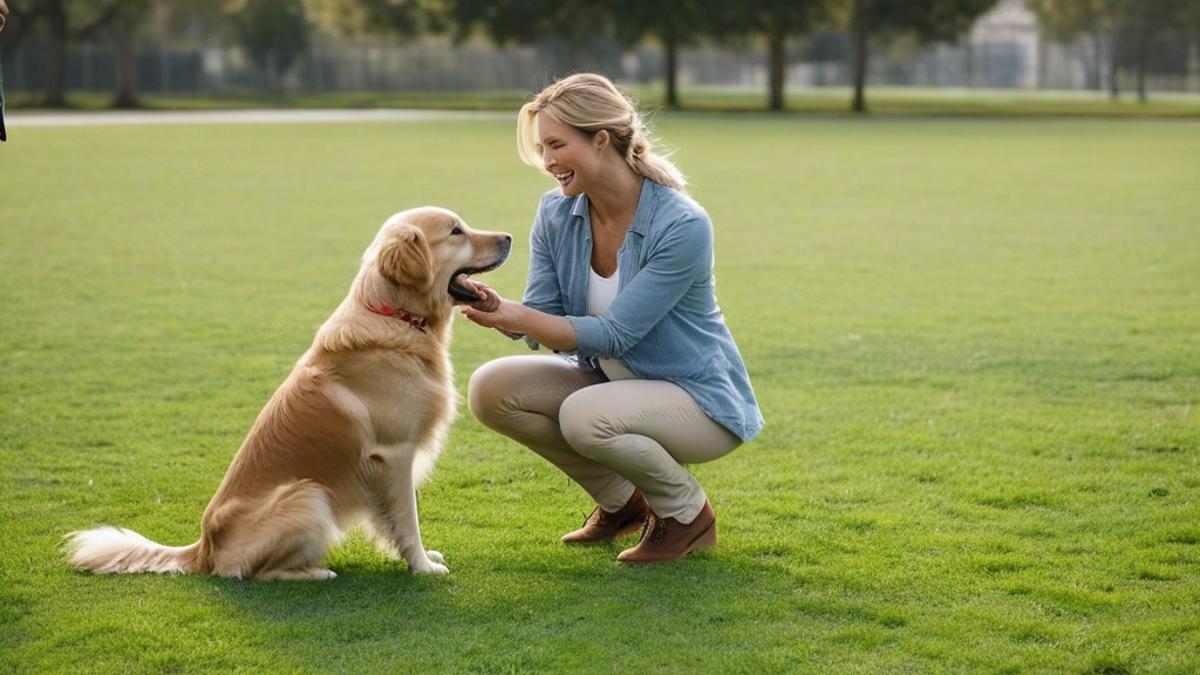
For Nigerian pet owners balancing busy schedules, simplicity matters. Effective pet training techniques do not require hours of dedicated time; they require consistency. Consider incorporating the following into daily routines:
- Use short, five-minute training sessions multiple times a day rather than one long session.
- Reward immediately—within one to two seconds—so your pet clearly links the action to the treat.
- Choose low-calorie treats or small portions of boiled chicken to avoid undoing progress with excess calories.
- Introduce hand signals alongside verbal commands, especially useful in noisy compounds where sound carries poorly.
- End each session on a successful note to keep motivation high for the next round.
These dog training tips apply equally well to puppies and adult rescues, though older dogs may require slightly more repetition to unlearn previous habits. Many Nigerian households adopt dogs from rescue shelters in Lekki or Jos, and patience during this transition period often determines long-term success.
Addressing Common Nigerian Household Triggers
Given the unpredictable nature of urban Nigerian environments—unexpected power cuts, generator startups, or the arrival of extended family during festive periods—training must account for real-world unpredictability, not just quiet living rooms.
One practical approach involves desensitization: gradually exposing your pet to recorded generator sounds at low volume, paired with treats, then slowly increasing volume over several weeks. This method, rooted in classical conditioning principles, helps promote healthy pet behaviors even in chaotic settings. Some trainers in Enugu have also recommended pairing this exercise with familiar scents, such as a worn shirt, to reinforce a sense of safety during loud disturbances.
Cats, often overlooked in training discussions, benefit similarly. Cat behavior training using clicker methods can reduce litter box avoidance by reinforcing the desired location with immediate positive feedback. Owners who invest in these techniques often report calmer, more predictable pets within just three to four weeks—a timeline that makes the effort worthwhile for any household pursuing a genuinely healthy lifestyle for pets. As more Nigerian pet owners document these results online, curiosity about positive reinforcement continues to grow nationwide.
LEARN MORE: How Behavioral Training Can Reduce Anxiety Issues in Pets
# Building Structure Through Diet, Exercise, and Routine ConsistencyTraining does not exist in isolation from a pet’s physical wellbeing. Veterinary nutritionists in Lagos increasingly stress that behavioral progress stalls when diet and exercise are ignored. A hungry, under-stimulated dog struggles to focus during lessons, regardless of how skilled the reward system is. This is why comprehensive training strategies for healthy pets must integrate physical care alongside behavioral coaching.
The Role of Nutrition in Behavioral Outcomes
Studies from canine nutrition researchers suggest that diets high in refined carbohydrates can contribute to erratic energy spikes, making impulse control harder to teach. Pets fed balanced meals with adequate protein tend to display steadier temperaments, which supports faster learning. For Nigerian households relying on commercial kibble alongside home-cooked additions like rice and offal, portion control becomes essential. Overfeeding treats during training sessions, ironically, can undermine the very discipline owners hope to instill, leading to weight gain and reduced motivation for food-based rewards.
Owners pursuing a genuinely healthy lifestyle for pets should track daily caloric intake, factoring training treats into the overall meal plan rather than treating them as extras. Many veterinarians recommend setting aside no more than ten percent of a pet’s daily calories for treats, ensuring that reward-based training does not spiral into unintended weight gain. This becomes particularly relevant in urban centers like Port Harcourt and Kano, where sedentary indoor lifestyles already limit calorie burn, compounding the risks of overfeeding during training.
Exercise as a Behavioral Tool
Physical activity directly influences trainability. A study referenced by animal behavior specialists found that dogs receiving at least 30 minutes of structured exercise daily showed markedly reduced destructive behaviors, including excessive barking and furniture chewing—common complaints among Abuja and Ibadan pet owners living in compact housing.
Practical exercise routines suited to Nigerian climates include:
- Early morning walks before temperatures rise above 30 degrees Celsius.
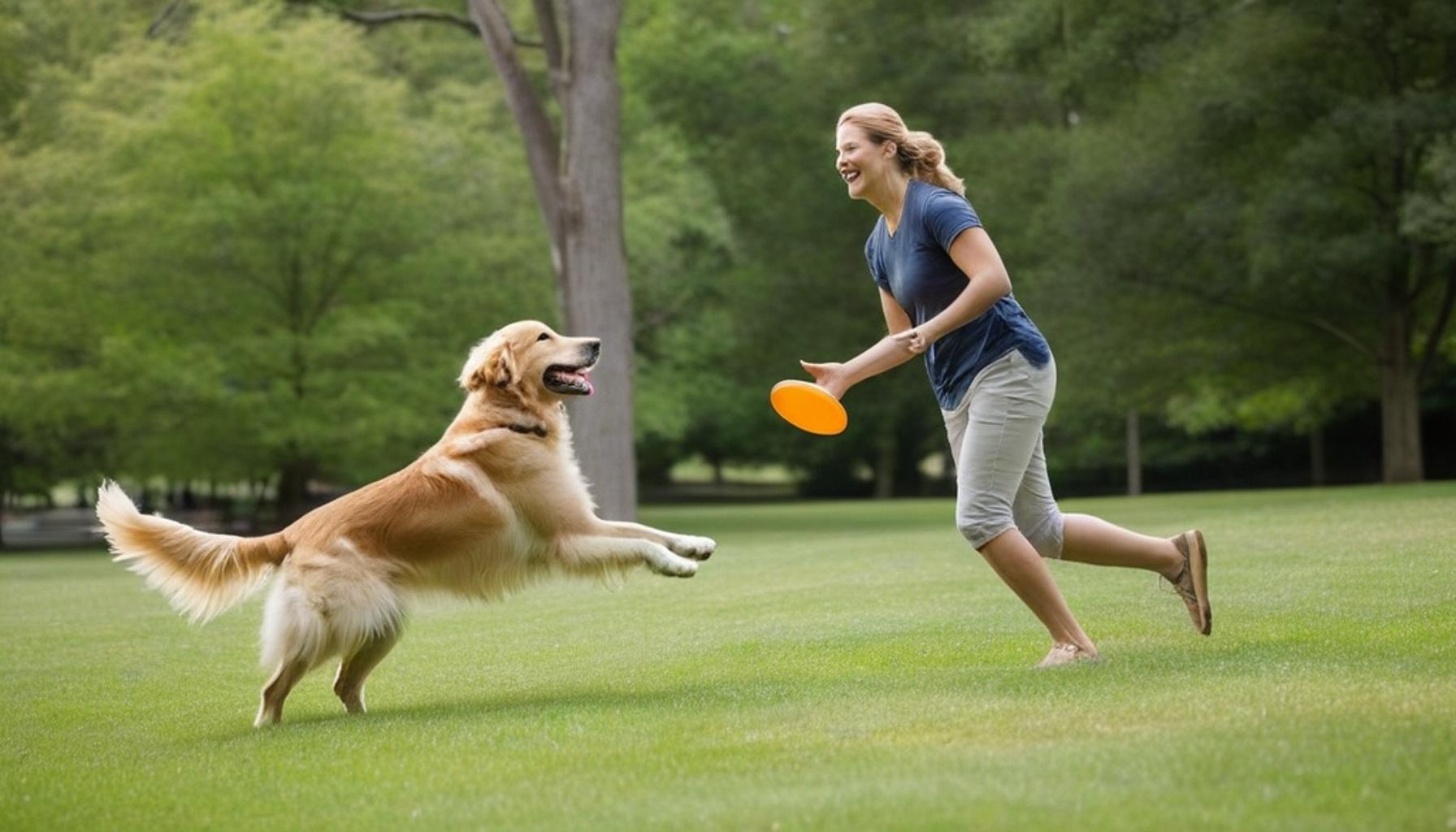
- Interactive fetch sessions within compound spaces to burn excess energy safely.
- Puzzle feeders that combine mental stimulation with mealtime, particularly useful for indoor cats.
- Short leash-training walks around the neighborhood to reinforce commands in real-world settings.
Beyond physical benefits, exercise sessions double as informal training opportunities. A walk through a busy Lagos estate exposes dogs to unpredictable stimuli, such as motorcycles, street vendors, and other animals, allowing owners to reinforce obedience commands under real-world distraction. This kind of exposure often proves more valuable than repetitive indoor drills alone.
Why Routine Consistency Outperforms Sporadic Effort
Behaviorists note that pets thrive on predictability. Feeding times, walk schedules, and training sessions occurring at consistent hours help regulate a pet’s internal clock, reducing anxiety-driven behaviors like inappropriate elimination or excessive vocalization.
Households that maintain rigid schedules, even amid Nigeria’s unpredictable power supply and traffic patterns, report significantly smoother promoting healthy pet behaviors outcomes compared to those with erratic routines. Some trainers suggest anchoring pet schedules to fixed daily events, such as morning prayers or school drop-offs, rather than relying solely on clock time, which can be disrupted by unforeseen circumstances.
This consistency principle extends to cat behavior training as well. Cats fed and engaged at fixed intervals show fewer signs of stress-related overgrooming, a condition increasingly reported by veterinary clinics in Lagos among indoor cats lacking environmental enrichment. Introducing scheduled play sessions with feather wands or laser pointers, alongside consistent feeding times, has proven effective in reducing these compulsive behaviors, offering a low-cost intervention for concerned pet owners nationwide.
# Bringing It All Together: A Holistic Path to Better-Behaved PetsNigerian pet ownership is evolving, and so must the approach to shaping animal behavior. The evidence gathered throughout this discussion points to one clear conclusion: training strategies for healthy pets cannot succeed as isolated exercises in obedience. They require a fusion of nutrition, physical activity, and unwavering routine.
Key Takeaways for Nigerian Pet Owners
Effective pet training techniques hinge on recognizing that a pet’s mind and body are interconnected. A dog fed erratically or denied adequate exercise will resist even the most patient training regimen. Similarly, cats deprived of environmental stimulation often develop compulsive habits that no amount of verbal correction can resolve.
Consider these core principles worth revisiting:
- Balanced nutrition supports steadier temperaments and faster learning.
- Daily structured exercise, even just 30 minutes, reduces destructive tendencies significantly.
- Consistent routines anchored to daily life events stabilize behavior more reliably than clock-based scheduling.
- Treat allocation should remain within ten percent of daily caloric intake to avoid undermining discipline.
Looking Ahead
As more Nigerian households embrace structured dog training tips and cat behavior training methods, the broader implication becomes evident: behavioral wellness is inseparable from physical wellness. Veterinary professionals across Lagos, Abuja, and Port Harcourt continue to advocate for this integrated model, one that treats training not as a temporary fix but as an ongoing lifestyle commitment.
Pet owners willing to invest in a genuinely healthy lifestyle for pets will likely notice compounding benefits over time, ranging from reduced veterinary bills to stronger companionship bonds. Ultimately, promoting healthy pet behaviors demands patience, consistency, and a willingness to look beyond quick fixes toward sustainable, whole-animal care.
Frequently Asked Questions
What are the most effective training strategies for healthy pets in Nigeria’s hot climate?
Short, frequent training sessions in the early morning or evening work best since Nigeria’s heat can quickly tire pets and reduce focus. Use positive reinforcement like treats or praise to encourage good habits such as regular water breaks and shaded rest. Consistency across these cooler periods helps pets build lasting healthy routines without heat-related stress.
How can I train my dog to eat healthy local foods instead of scraps or table food?
Start by introducing balanced meals with locally available proteins like fish, chicken, and vegetables, then reward your dog only when it eats from its bowl rather than begging. Avoid feeding from the table entirely so the pet doesn’t associate human food with rewards. Over time, this trains the dog to see its designated meals as the only acceptable food source.
What training methods help prevent common health issues like obesity in Nigerian pets?
Incorporate daily exercise routines such as walks or play sessions, especially since many Nigerian pets live in compact urban spaces with limited movement. Combine this with portion-controlled feeding training, teaching pets to wait calmly for meals rather than overeating. Tracking weight monthly and adjusting activity levels helps catch potential obesity early.
How do I train a pet to accept regular veterinary checkups, given limited vet access in some Nigerian areas?
Gradually desensitize your pet by practicing gentle handling at home, such as touching paws, ears, and mouth, paired with treats to build positive associations. This makes actual vet visits, even infrequent ones, less stressful for the animal. Building this tolerance early ensures your pet stays calm during checkups despite limited access to nearby veterinary clinics.
Can training reduce aggressive behavior in pets kept for security purposes in Nigerian homes?
Yes, structured obedience training focusing on commands like ‘sit,’ ‘stay,’ and ‘leave it’ helps control aggression while still maintaining alertness for security roles. Socializing the pet gradually with familiar visitors reduces unnecessary aggression toward guests. Consistent boundary-setting from a young age creates a balanced, healthy temperament suited for both protection and household safety.

Linda Carter
Linda Carter is a writer and pet care expert specializing in pet health, grooming, and wellness. With extensive experience helping pet owners create safe, loving, and enriching environments for their animals, Linda shares her knowledge on our platform. Her goal is to empower readers with practical advice and strategies to ensure their pets thrive and lead joyful, healthy lives.