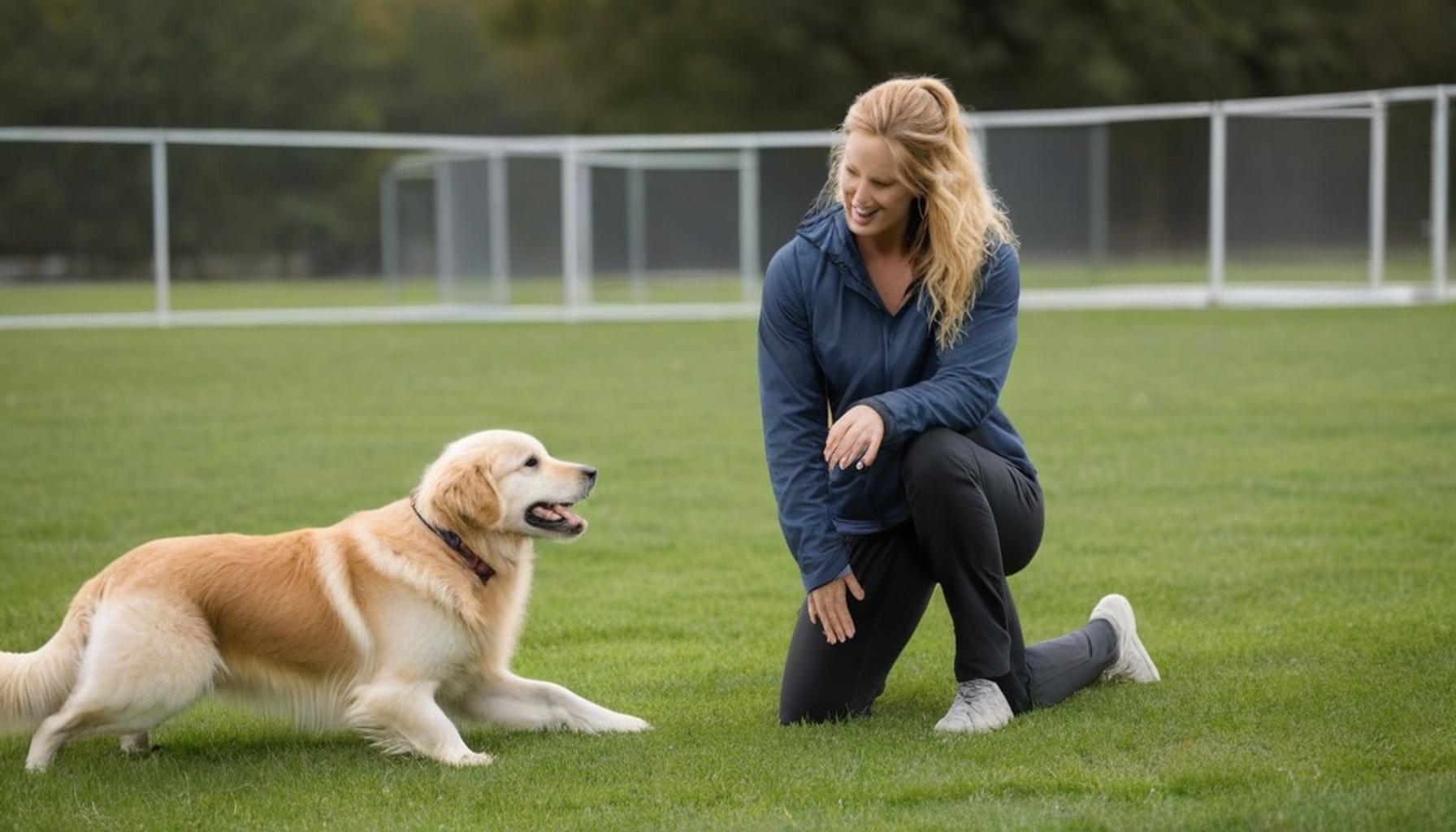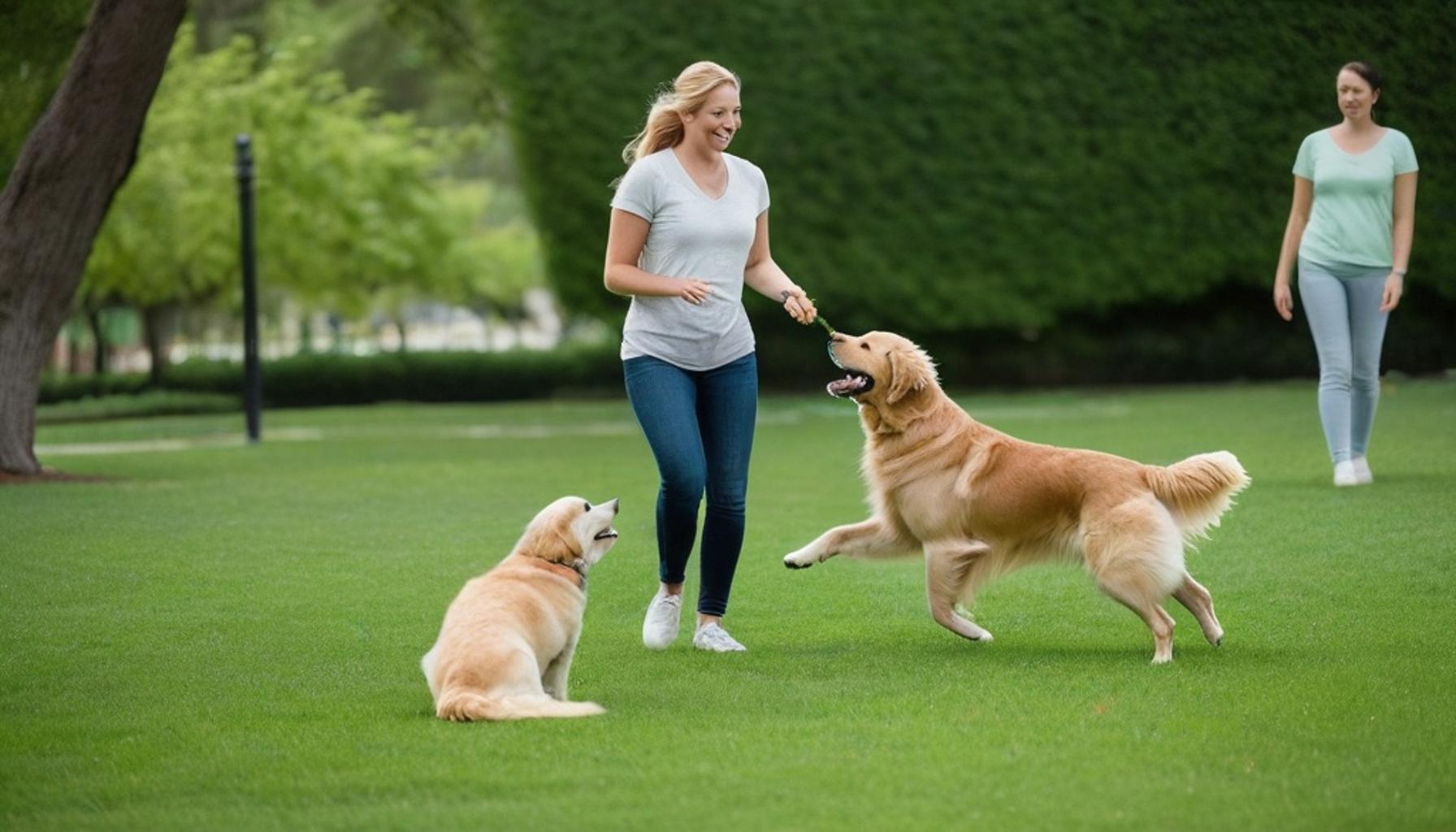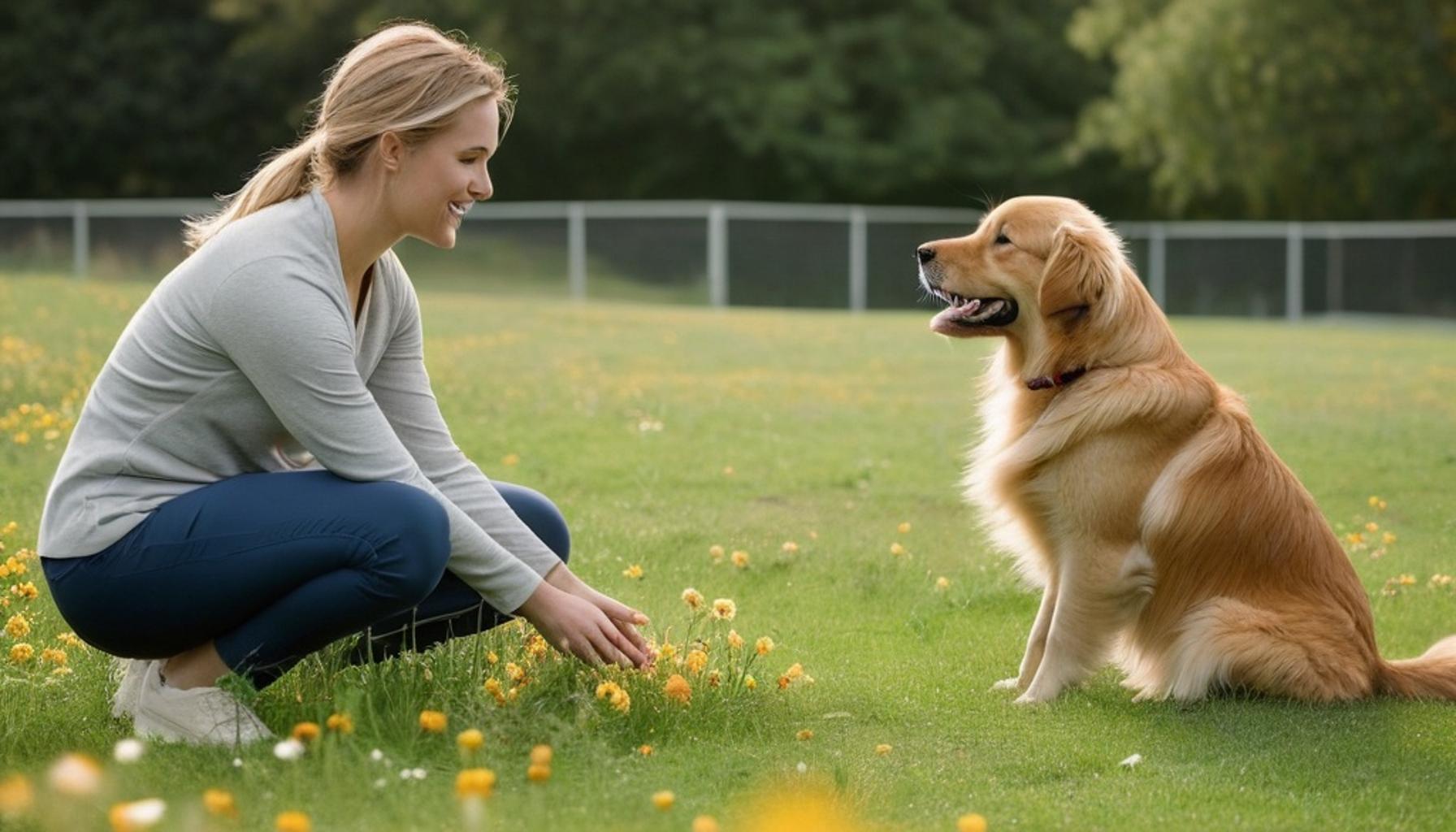
How Positive Training Can Improve the Relationship between Pets and Their Owners
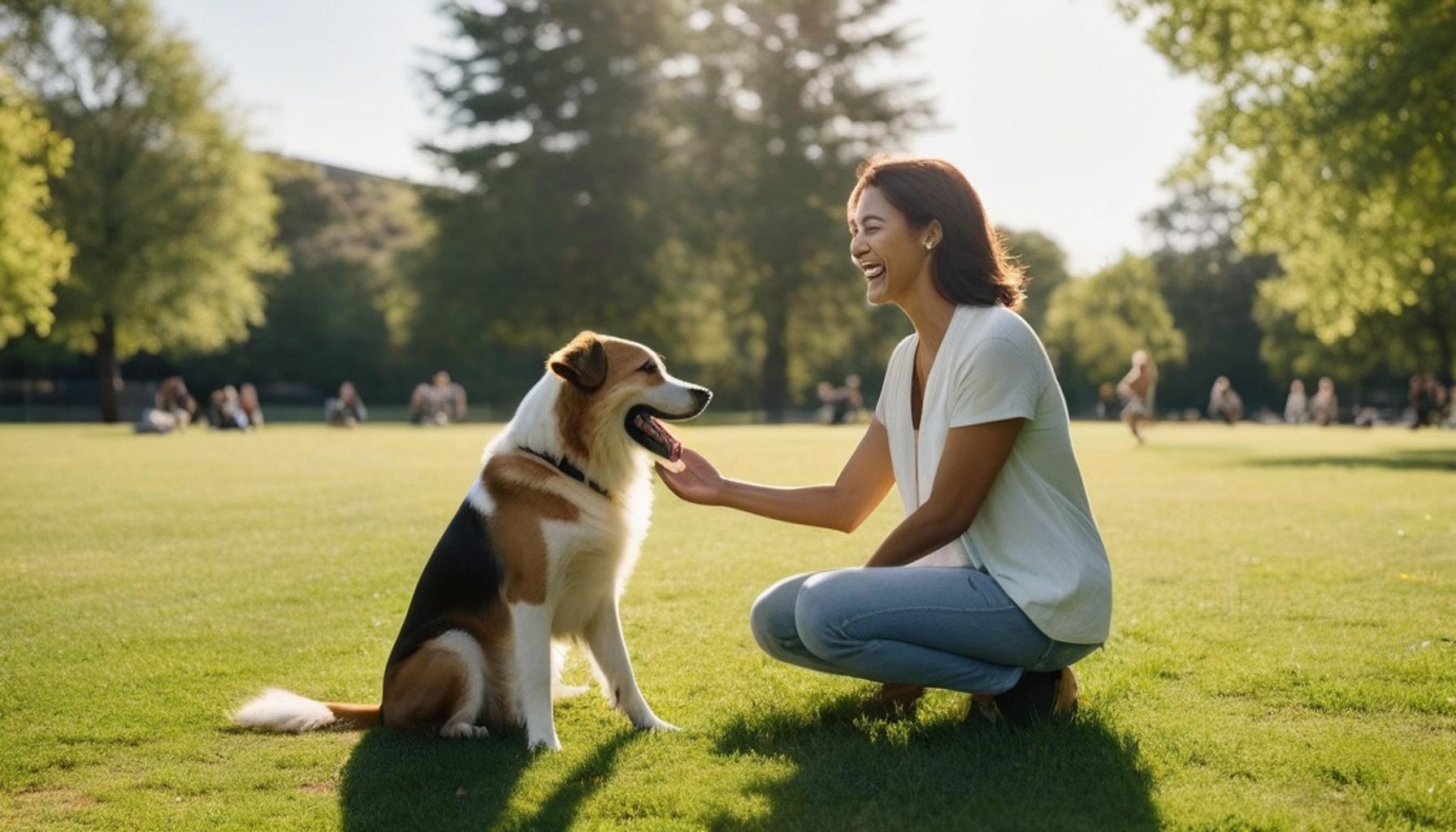
Building Stronger Bonds Through Positive Training Pets Owners Trust
Across Nigeria, from bustling Lagos apartments to quiet compounds in Ibadan, more pet owners are discovering that a dog’s wagging tail or a cat’s gentle purr can say a lot about the training method used at home. Positive training pets owners rely on is reshaping how Nigerians relate to their furry companions, replacing fear-based commands with trust and cooperation.
Gone are the days when a stern voice or a rolled-up newspaper was considered the only way to teach a pet good behavior. Modern research shows that positive reinforcement training creates calmer, more responsive animals. Trainers across major cities like Abuja, Port Harcourt, and Enugu are increasingly recommending this shift, noting that pets raised in fear often become unpredictable, while those raised through encouragement tend to display consistent, trustworthy behavior around children, visitors, and other animals.
Why This Approach Matters for Nigerian Pet Owners
Whether you own a Nigerian native dog guarding your compound or an imported breed kept indoors, the way you train directly affects your daily interactions. Many households still deal with compound dogs that bark excessively at okada riders or neighbors, and this is often a direct result of stress-based training rather than disobedience. Consider these benefits of positive reinforcement training:
- Reduced aggression and anxiety in pets
- Faster learning of commands like “sit” or “stay”
- Stronger trust between pet and owner
- Lower stress during vet visits or travel
- Better behavior around children, guests, and market crowds
Studies suggest that animals trained with rewards learn up to 30% faster than those trained through punishment. This makes positive training techniques for pets not just kinder, but more effective. Even simple items found in Nigerian kitchens, such as boiled chicken pieces, groundnuts, or bits of fish, can serve as effective training rewards, proving that this method does not require expensive imported treats to succeed.
What This Article Will Cover
This piece explores practical pet training tips for Nigerians looking to transform their relationship with their animals. You’ll discover how to train pets positively, using simple tools already available in most homes, from clickers improvised with bottle caps to consistent verbal cues delivered in a calm tone.
We will also examine how cultural attitudes toward pets are gradually evolving, with younger Nigerians increasingly viewing dogs and cats as companions rather than purely functional animals for security or pest control. This shift is influencing how training methods are chosen and applied nationwide.
By the end, you’ll understand exactly how to improve pet owner relationship dynamics through consistency, patience, and reward-based methods that truly work, methods that many Nigerian pet owners are already testing with encouraging results in homes, compounds, and neighborhoods across the country.
YOU MAY ALSO LIKE: The Importance of Behavioral Training for the Mental Health of Pets
# The Science Behind Trust: How Positive Reinforcement Rewires Pet Behavior
Understanding the psychology behind positive training pets owners across Nigeria are embracing requires looking beyond simple obedience. At its core, this training method relies on operant conditioning, a concept where animals repeat behaviors that lead to rewards while gradually abandoning those that don’t. This principle, first studied extensively in laboratory settings decades ago, now finds practical application in compounds across Lagos, Abuja, and countless smaller towns where families are rethinking how they relate to their animals.
When a dog in Kaduna sits on command and immediately receives a piece of dried fish, its brain forms a clear association: good behavior equals good outcomes. This is fundamentally different from punishment-based approaches, where animals often learn to avoid detection rather than avoid the behavior itself. A dog that has been beaten for stealing food, for instance, may simply learn to steal more discreetly rather than stop stealing altogether. The distinction matters because it shapes whether an animal trusts its owner or simply fears consequences.
The Compound Dog Dilemma
Many Nigerian households keep dogs primarily for security, chaining them at the gate or allowing them to roam the compound freely. Unfortunately, this setup often means these animals receive minimal structured interaction, leading owners to rely on shouting or physical correction when the dog barks at the wrong person or chases chickens belonging to a neighbor. Over time, this can create an animal that is either overly aggressive or unpredictably anxious, neither of which serves the security purpose well.
Positive training techniques for pets offer a practical alternative even in these traditional settings. A compound dog can still guard effectively while being calmer and more discerning about genuine threats versus harmless passersby. Training doesn’t require abandoning the dog’s protective role, it simply refines how that role is expressed. A well-trained guard dog distinguishes between the postman and an intruder, saving the household from unnecessary drama while still sounding the alarm when it truly matters.
Consider the following steps that Nigerian pet owners have successfully applied at home:
- Reward calm behavior when visitors arrive, rather than only reacting after excessive barking starts
- Use consistent one-word commands like “quiet” paired with a treat when the dog stops barking
- Practice short, five-minute training sessions daily rather than occasional long sessions
- Avoid mixed signals, such as laughing at bad behavior one day and punishing it the next
- Involve children in reward-based training so pets associate the whole family with positive experiences
What Nigerian Veterinarians Are Observing
Veterinary clinics in cities like Ibadan and Kano report a noticeable pattern among clients who adopt reward-based methods. Pets trained this way tend to show less resistance during checkups, fewer signs of chronic stress such as excessive shedding or appetite loss, and a stronger willingness to cooperate with unfamiliar handlers. Some clinics have even begun recommending simple treat-based desensitization exercises before appointments, encouraging owners to practice handling paws and ears at home so the actual examination feels familiar rather than frightening.
This directly supports the broader goal of learning how to train pets positively, since a pet’s comfort during medical care often reflects the quality of trust built at home. When an animal associates human touch and new environments with calmness rather than fear, everyday interactions, including vet visits, become significantly less stressful for everyone involved. As more Nigerian pet owners share these experiences within their communities, the ripple effect suggests a quiet but meaningful shift in how the country views the human-animal bond, one treat, one command, and one small victory at a time.
CHECK OUT: The Importance of Behavioral Training for the Well-Being of Pets
# Beyond the Basics: Building Emotional Bonds Through Consistent Reward Systems
While obedience commands often dominate conversations about pet training, the deeper transformation happens in the emotional territory between animal and owner. Nigerian families who commit to positive training pets owners recommend nationwide are discovering something unexpected: the process reshapes household dynamics far beyond simple commands like sit or stay.
A cat in Port Harcourt that learns to associate its owner’s return home with gentle praise rather than indifference begins displaying affection more openly. Dogs in Enugu compounds that receive consistent positive feedback show measurably less destructive chewing and fewer instances of unexplained aggression toward household members. These outcomes aren’t accidental, they stem directly from repeated, predictable interactions that build a foundation of trust.
Why Timing Matters More Than Owners Realize
One overlooked element within the benefits of positive reinforcement training is timing precision. Rewards delivered even three or four seconds too late can create confusion, causing animals to associate the treat with an unrelated action rather than the desired behavior.
Experienced trainers across Lagos often emphasize the “one-second rule” during workshops, insisting that reinforcement must occur almost instantly after the correct behavior appears. This explains why some Nigerian pet owners feel frustrated when training seems ineffective, the issue frequently lies in delayed timing rather than the method itself.
Practical adjustments that improve timing accuracy include:
- Keeping treats within immediate reach rather than storing them in another room
- Using a clicker or a distinct verbal marker like “yes” the moment the behavior occurs
- Practicing in low-distraction environments before introducing busier settings like markets or compounds with multiple children
- Breaking complex behaviors into smaller steps that are easier to reward accurately
The Overlooked Role of Consistency Among Family Members
Many households in Nigeria involve multiple caregivers, parents, older children, house help, all interacting with the family pet differently. This inconsistency often undermines efforts to improve pet owner relationship dynamics because animals struggle to generalize rules when signals constantly shift.
A dog rewarded for sitting calmly by one family member but ignored or scolded for the same behavior by another receives mixed messages that slow progress considerably. Establishing a shared household approach, even something as simple as agreeing on identical command words, dramatically improves results.
Some Nigerian trainers now recommend brief family meetings before starting any structured program, ensuring everyone from grandparents to younger siblings understands the same expectations. This collaborative approach has proven particularly effective in extended family compounds common across Yoruba, Igbo, and Hausa households, where multiple generations often share caregiving responsibilities.
Measuring Progress Without Formal Training Tools
Not every Nigerian household has access to professional trainers or specialized equipment, yet pet training tips for Nigerians don’t require expensive resources to succeed. Simple household items, homemade treats from boiled liver, or even affectionate verbal praise can substitute effectively when applied consistently.
Tracking progress through a basic notebook, noting which commands improve weekly, what triggers cause setbacks, and how the animal responds to different family members, gives owners tangible insight into what’s working. This low-cost method mirrors techniques used in more formal training programs while remaining accessible to households across varying economic circumstances throughout the country.
YOU MAY ALSO LIKE: Effective Behavioral Training Techniques for Dogs and Cats
Conclusion: A Shared Journey Worth Investing In
From Lagos apartments to Kano compounds, the evidence keeps pointing to the same conclusion: positive training pets owners embrace consistently produces calmer animals and stronger households. This isn’t a passing trend borrowed from foreign pet culture, it’s a practical approach that fits naturally into Nigerian family life, regardless of income level or living situation.
Throughout this discussion, several truths have emerged clearly. Timing shapes outcomes more than most owners initially expect. Consistency among family members determines whether a dog or cat learns quickly or remains confused for months. And the tools required to succeed, boiled liver treats, a notebook, a distinct verbal marker, cost far less than many assume.
Perhaps the most important takeaway is this: how to train pets positively isn’t primarily about obedience at all. It’s about communication. Every reward delivered at the right moment tells an animal something meaningful about trust, safety, and belonging within its household.
Nigerian families experimenting with positive training techniques for pets often report an unexpected side effect, children become more patient, caregivers communicate better with one another, and the household develops shared routines that extend beyond the animal itself.
Skeptics might argue that older, punishment-based methods still produce compliant pets. Perhaps they do, in the short term. But compliance built on fear rarely matches the depth of connection that emerges when an animal chooses cooperation because it associates its owner with comfort rather than anxiety.
As more households across the country continue to improve pet owner relationship dynamics through patient, reward-based methods, a broader cultural shift seems underway, one where pets are viewed less as property to control and more as companions to understand. That shift, gradual as it may be, could reshape how an entire generation of Nigerians relates to the animals sharing their homes.
Frequently Asked Questions
How does positive training pets owners approach actually strengthen the bond between a dog and its owner in Nigeria?
Positive training builds trust because your pet learns to associate you with rewards, safety, and fun rather than fear or punishment. In Nigeria, where many pets are kept for security or companionship, this trust makes dogs more responsive to commands even in busy compound settings. Over time, the pet becomes more relaxed around its owner and family members, which deepens the overall relationship.
What treats or rewards work best for positive training pets owners can easily find in Nigeria?
You can use affordable local options like small pieces of boiled chicken, liver, fish, or even a bit of pounded meat as high-value rewards during training sessions. Commercial dog treats sold in pet stores in Lagos, Abuja, and Port Harcourt also work well if within budget. The key is using something your pet finds exciting enough to motivate repeated good behavior.
Is positive training still effective for aggressive or previously mistreated pets common in Nigerian homes?
Yes, positive training is often more effective for aggressive or traumatized pets because it rebuilds trust gradually without triggering fear-based reactions. Many rescue dogs and previously chained or beaten pets in Nigeria respond well when owners consistently use rewards, patience, and calm body language. It may take longer than with a well-socialized pet, but the improved relationship and reduced aggression are usually worth the effort.
How long does it take to see improvement in the pet-owner relationship using positive training methods?
Many Nigerian pet owners notice small improvements in obedience and affection within two to four weeks of consistent, short daily training sessions. Full behavioral change and a deeply strengthened bond typically take a few months, depending on the pet’s age, breed, and past experiences. Consistency, patience, and short daily sessions of ten to fifteen minutes produce faster and more lasting results than occasional long sessions.

Linda Carter
Linda Carter is a writer and pet care expert specializing in pet health, grooming, and wellness. With extensive experience helping pet owners create safe, loving, and enriching environments for their animals, Linda shares her knowledge on our platform. Her goal is to empower readers with practical advice and strategies to ensure their pets thrive and lead joyful, healthy lives.